










Drones and floating cameras are also being used to inspect drains and ensure they are properly cleaned.
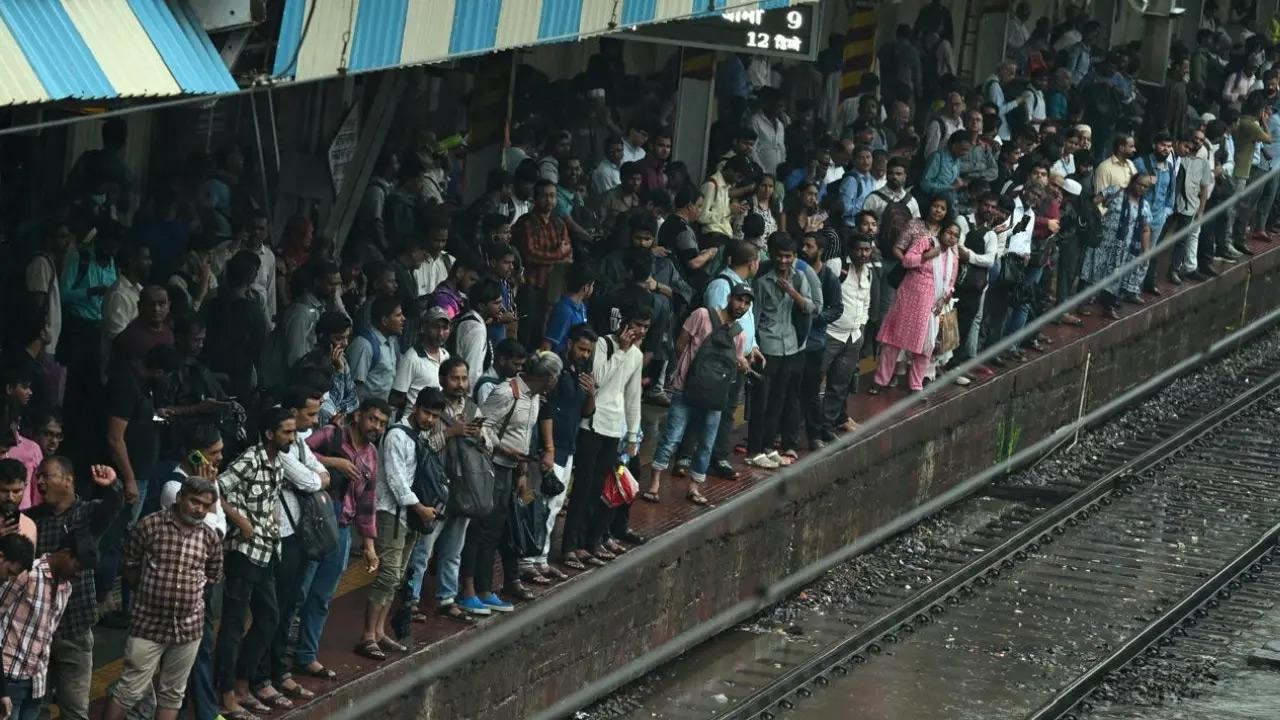
Representation pic
Western Railway recently announced that it is fully prepared for the monsoon, with a detailed action plan shared with all staff through a Monsoon Precaution Booklet that outlines steps to reduce damage, maintain service, and keep passengers informed.
The service said it has cleaned 58 culverts and over 55 km of drains. It has also constructed 3 km of new drainage lines and manholes to facilitate the easy flow of water from railway yards. Around 480 special train trips have been used to clear muck and garbage.
Several measures have also been taken to prevent waterlogging, such as installing dewatering pumps and creating additional pipe openings using advanced micro-tunnelling methods. Drones and floating cameras are also being used to inspect drains and ensure they are properly cleaned.
All the jargon and reassurances are pleasant to read about, but the real test will take place when the heavens open up. Meanwhile, one must stress that there should be an equal emphasis on the basics.
The approach road to stations must be as clear as possible, and rickshaws and buses serving as feeder-route vehicles well-regulated. Platform roofs must be repaired if found broken so that people can spread out on platforms and not crowd in one place.
The announcement system must also be working optimally. Announcers must be trained very well, and the information clearly relayed. A well-defined chain of command must take the decisions which will then be given to the final responder, the announcer who has to inform commuters. This dials down panic, especially in this challenging season, where there may be so much uncertainty on days when we have a deluge and there are train delays because of floods.
Preparedness begins and is complete when the smallest on ground details are in place.
 Subscribe today by clicking the link and stay updated with the latest news!" Click here!