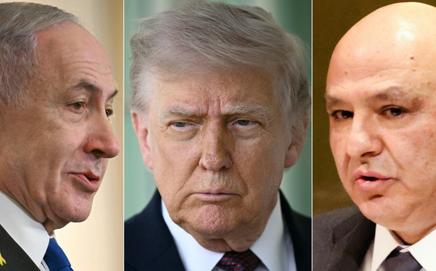
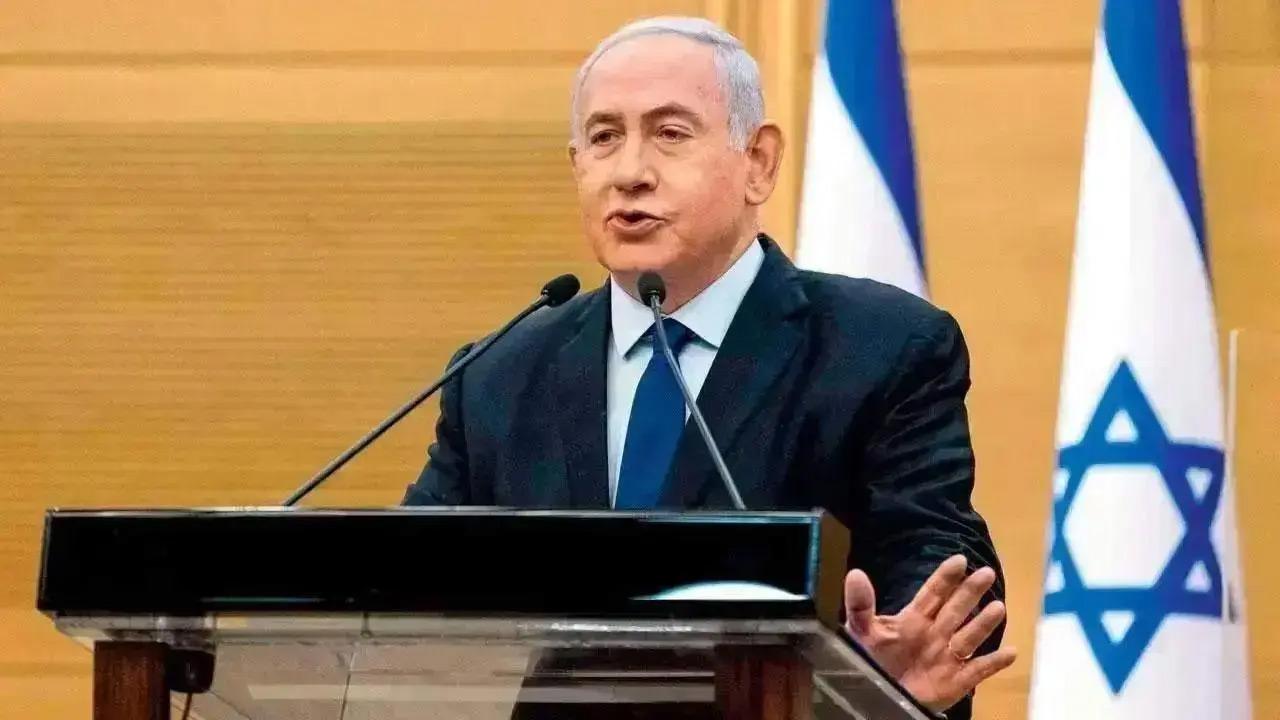
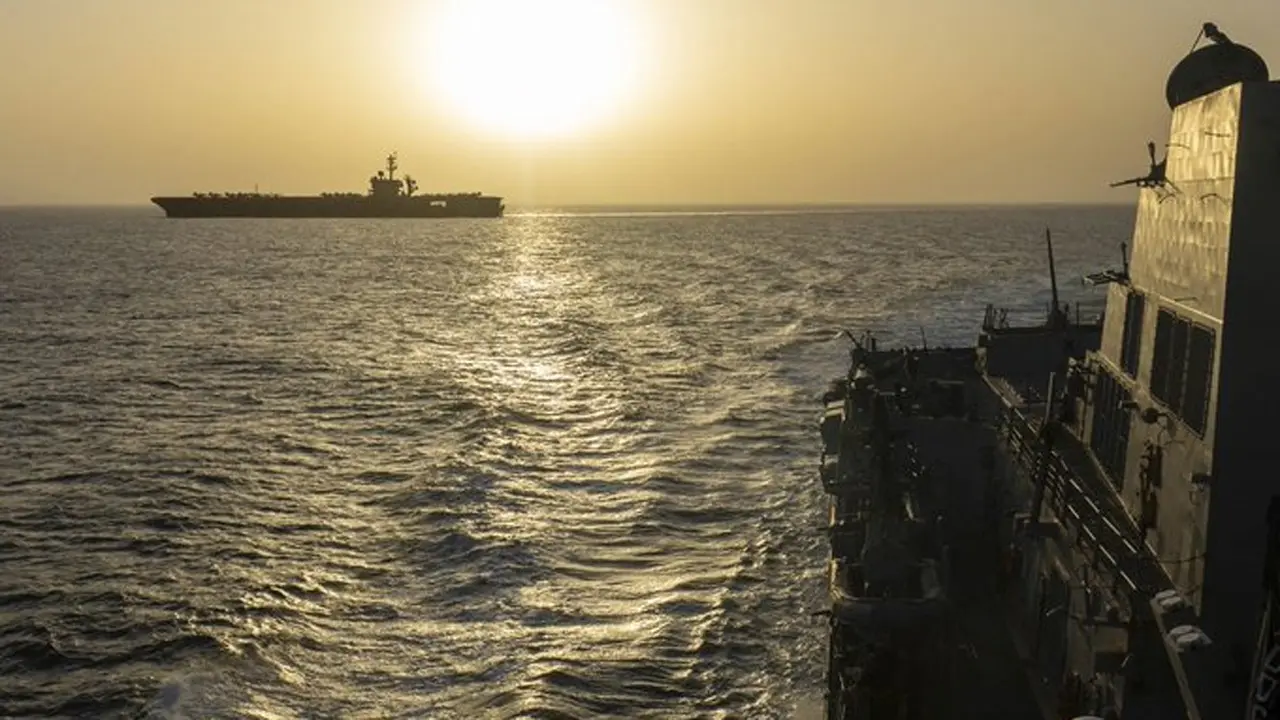
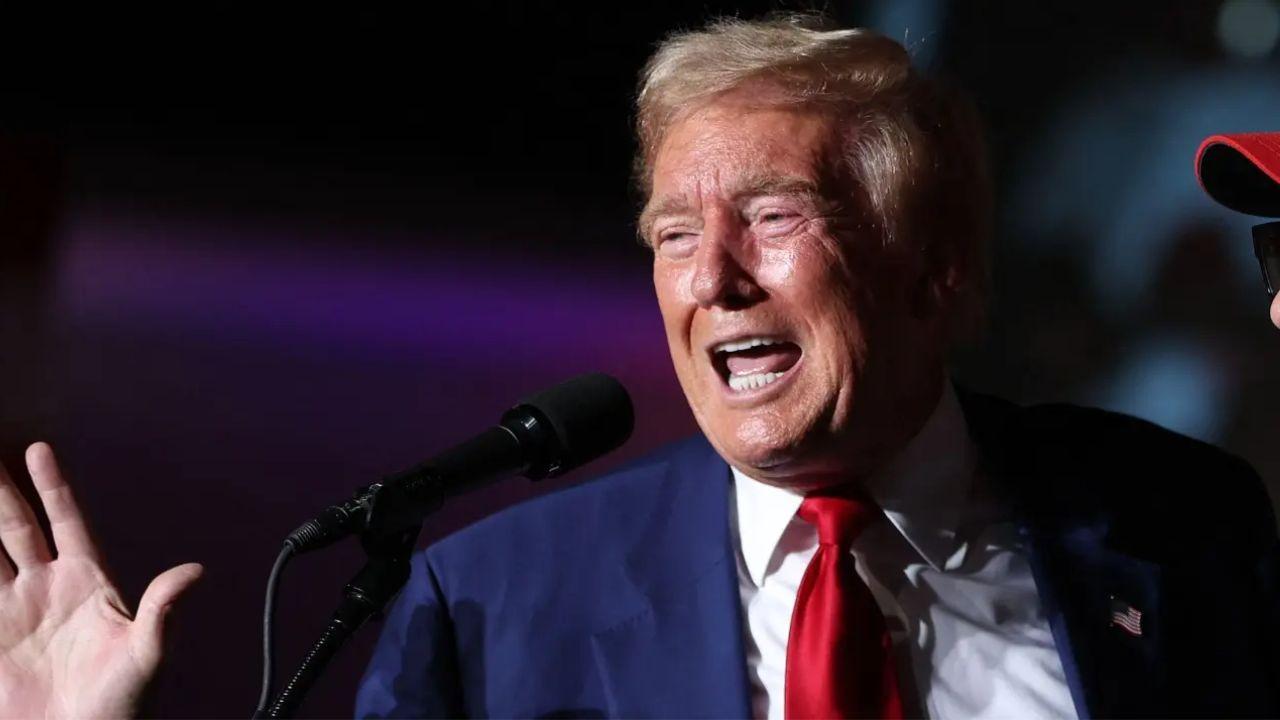
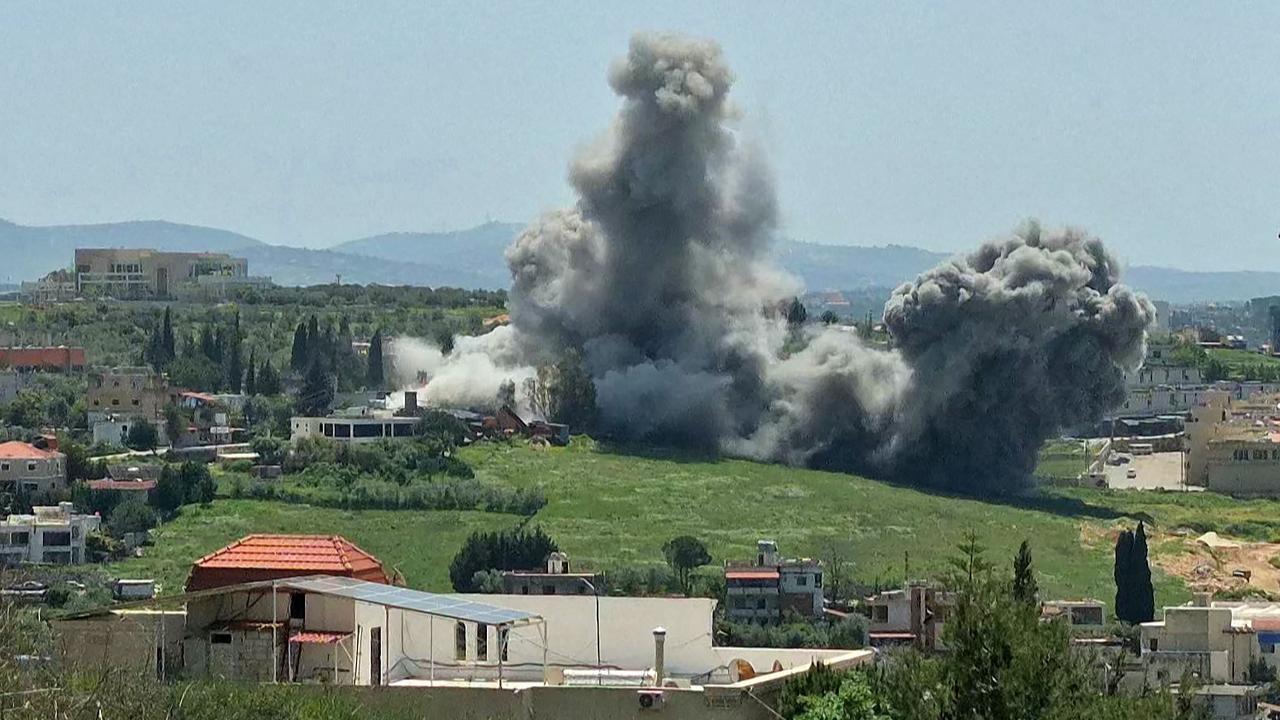
A 10-day ceasefire agreement between Lebanon and Israel came into effect on Friday, as US President Donald Trump announced efforts to arrange the first-ever face-to-face meeting between the leaders of the two countries. The truce, which began at midnight local time in Lebanon and Israel (9 pm GMT/2.30 am IST), follows intensive US mediation to end the ongoing Israel-Iran conflict, with Tehran insisting that any deal must include a halt to hostilities in Lebanon. As the ceasefire took hold, gunfire echoed in Beirut’s southern suburbs — Hezbollah’s stronghold — in what appeared to be spontaneous celebrations by residents. The wider regional conflict escalated when the US and Israel struck Iran on February 28. Lebanon was drawn in shortly afterwards when Hezbollah fired rockets into Israel on March 2. Since then, Israeli strikes have killed more than 2,000 people in Lebanon and displaced over one million, while Israeli ground forces entered southern Lebanon. Just as the ceasefire began, the Israeli military stated that it had struck over 380 “Hezbollah terror organisation targets” in southern Lebanon in recent operations and remained on “high alert” to resume strikes if necessary. President Trump described the deal as the outcome of “excellent” telephone conversations with Israeli Prime Minister Benjamin Netanyahu and Lebanese President Joseph Aoun. Posting on Truth Social, he said the two leaders had agreed to a 10-day ceasefire starting at 5 p.m. EST. He later indicated that Netanyahu and Aoun could visit the White House within the next four or five days. Such a direct meeting would mark a historic development in Israel-Lebanon relations. An Israeli hospital spokesman reported that three people were injured on Thursday shortly before the truce. Earlier that day, an Israeli strike on the southern Lebanese town of Ghazieh killed at least seven people and wounded 33, according to Lebanon’s health ministry. Netanyahu welcomed the ceasefire as an opportunity for a “historic peace agreement” with Beirut, but stressed that the disarmament of Hezbollah remained a key precondition. Trump stated that Hezbollah was covered by the truce, while the US State Department clarified that Lebanon itself had committed to dismantling the Iran-backed group. United Nations Secretary-General Antonio Guterres welcomed the ceasefire and urged “all actors to fully respect” it — a call that implicitly includes Hezbollah. He expressed hope that the truce would advance negotiations for a lasting solution and contribute to broader regional peace, while stressing full compliance with international law and the implementation of Security Council Resolution 1701. Celebrations break out in Lebanon In Beirut, housewife Jamal Shehab, 61, said: “We are very happy that a ceasefire has been reached in Lebanon because we are tired of war and we want safety and peace.” Lawyer Tarek Bou Khalil, speaking at a cafe, remarked: “It’s well known Trump cannot be taken at his word, and Netanyahu cannot be trusted. But we know that the result of the pressures of the war with Iran and the blunders of Netanyahu and the enemy army in south Lebanon, forced them into a ceasefire.” A Hezbollah lawmaker, Ibrahim al-Moussawi, told AFP the group would “cautiously adhere” to the ceasefire provided Israel stopped its attacks. He thanked Iran for its pressure, adding that “the ceasefire would not have happened without Iran considering the ceasefire as equal to closing the Strait of Hormuz.” Lebanese Prime Minister Nawaf Salam described the truce as “a key Lebanese demand that we have pursued since the very first day of the war.” President Aoun’s office thanked Trump for his efforts, though Aoun reportedly declined a direct call with Netanyahu. The ceasefire follows a rare meeting this week in Washington between the Israeli and Lebanese ambassadors — the first such contact since 1993. Israel imposes two conditions Netanyahu said Israel had agreed to the truce but would maintain a 10-kilometre (six-mile) “security zone” along the border in southern Lebanon. He reiterated two conditions: the disarmament of Hezbollah and a lasting peace agreement “based on strength.” According to a six-point US State Department statement, the ceasefire is framed as “a gesture of goodwill by the Government of Israel” to enable negotiations toward a permanent security and peace agreement. Israel retains the right to take all necessary measures in self-defence against planned, imminent or ongoing attacks, while agreeing not to conduct offensive operations against Lebanese targets by land, air or sea. Lebanon’s army later reported “acts of aggression” by Israel that it described as violations of the ceasefire, and called on southern residents to remain cautious. Iran credits ceasefire to Hezbollah Iran’s Parliament Speaker Mohammad Bagher Ghalibaf credited the ceasefire to “Hezbollah’s steadfastness and the unity of the Axis of Resistance.” He described the truce as equally important for Lebanon as for Iran and thanked Pakistan and General Asim Munir for their mediation efforts. Separately, the United States continued enforcing a large-scale maritime blockade on Iranian ports and coastline, deploying over 10,000 personnel, 12 ships including the USS Abraham Lincoln, and more than 100 aircraft. The US Central Command (CENTCOM) clarified that the blockade does not cover the Strait of Hormuz itself. Speaking in Las Vegas, President Trump said the US was heading toward “victory very shortly” against Iran. He claimed Iran “has no Navy left,” stating that 158 Iranian ships were “at the bottom of the sea,” and described the country as “a tough, smart country” whose military capabilities had been significantly degraded. Trump added that Washington was “very close” to a peace deal with Iran after six weeks of conflict and might travel to Pakistan to sign any agreement. The durability of the Israel-Lebanon ceasefire will likely depend on both sides — and Hezbollah — refraining from further attacks in the coming days. (With AFP and ANI inputs)
17 April,2026 10:43 AM IST | Beirut | mid-day online correspondentMilitary adviser of Iran’s Supreme Leader, Mohsen Rezaei, warned against any US naval blockade efforts targeting Iran, stating the military of the Islamic Republic was ready if directly threatened by US naval assets. “Pressure must increase. Our launchers are now locked on the warships, and we will sink them all,” Rezaei said. Referring to US efforts to impose a naval blockade on Iran, Rezaei claimed the move would fail. “Just as the US suffered a historic defeat in trying to open the Strait of Hormuz, it is also doomed to fail in the naval blockade. Iran will not leave the Strait of Hormuz until its rights are fully secured,” he said. This comes amid an announcement by the US Central Command (CENTCOM) on Wednesday that a comprehensive blockade of Iran’s ports has been successfully implemented. This story has been sourced from a third party syndicated feed, agencies. Mid-day accepts no responsibility or liability for its dependability, trustworthiness, reliability and data of the text. Mid-day management/mid-day.com reserves the sole right to alter, delete or remove (without notice) the content in its absolute discretion for any reason whatsoever
17 April,2026 10:06 AM IST | Tehran | AgenciesRussia hammered civilian areas of Ukraine with hundreds of drones and dozens of missiles in an attack that stretched for hours from daytime into the night, killing at least 16 people and injuring more than 80 others as terrified residents cowered in their homes, officials said Thursday. Russia launched nearly 700 drones and dozens of ballistic and cruise missiles, primarily targeting civilians, in its biggest aerial barrage in almost two weeks, authorities said. The bombardment came in the wake of Ukrainian President Volodymyr Zelenskyy’s trip this week to Germany, Norway and Italy in search for more air defence systems that can stop Russian missiles. This story has been sourced from a third party syndicated feed, agencies. Mid-day accepts no responsibility or liability for its dependability, trustworthiness, reliability and data of the text. Mid-day management/mid-day.com reserves the sole right to alter, delete or remove (without notice) the content in its absolute discretion for any reason whatsoever
17 April,2026 10:03 AM IST | Kyiv | AgenciesNew findings show that the Old Irish Goat is genetically connected to animals that lived in Ireland around 3000 years ago during the Late Bronze Age. This research indicates that the rare native breed has maintained a continuous lineage on the island over thousands of years. The study uses biomolecular and archaeological evidence to reshape current views of Ireland’s farming history. It also strengthens the case for preserving the Old Irish Goat as a direct link to early agricultural life. This story has been sourced from a third party syndicated feed, agencies. Mid-day accepts no responsibility or liability for its dependability, trustworthiness, reliability and data of the text. Mid-day management/mid-day.com reserves the sole right to alter, delete or remove (without notice) the content in its absolute discretion for any reason whatsoever
17 April,2026 09:59 AM IST | Dublin | AgenciesFans of William Shakespeare know that the great playwright came from Stratford-upon-Avon, the riverside English town where tourists still throng to see his childhood home. But he made his name in London — though few traces of him remain in the British capital. A newly discovered 17th-century map sheds new light on the Bard’s London life, pinpointing for the first time the exact location of the only home Shakespeare bought in the city, and where he may have worked on his final plays. Historians have long known that Shakespeare bought property in 1613 near the Black friars Theatre, but the exact location was a mystery. This story has been sourced from a third party syndicated feed, agencies. Mid-day accepts no responsibility or liability for its dependability, trustworthiness, reliability and data of the text. Mid-day management/mid-day.com reserves the sole right to alter, delete or remove (without notice) the content in its absolute discretion for any reason whatsoever
17 April,2026 09:56 AM IST | London | AgenciesIsraeli Prime Minister Benjamin Netanyahu on Thursday (local time) said that Israeli forces will continue to hold their positions in southern Lebanon during the ongoing 10-day ceasefire, stressing that the move is aimed at maintaining security along the border, CNN reported. "We will remain in a 10-kilometre security zone, which will allow us to prevent infiltration into communities and anti-tank missile fire," Netanyahu said in a video statement issued shortly after US President Donald Trump announced the ceasefire. He asserted that Israel would not scale back its presence in the region, describing the current deployment as more robust than previous arrangements, as reported by CNN. "We are remaining in Lebanon in an expanded security zone," Netanyahu said, adding that the area is "much stronger, much more powerful, far more continuous, and far more solid than what we had before." "That is where we will remain. We are not leaving," he said. Netanyahu noted that the ceasefire is intended to facilitate continued diplomatic engagement with Lebanon, even as tensions persist along the border, as per CNN. He said Trump had invited him and Lebanese President Joseph Aoun for talks in Washington, DC, although Aoun earlier declined to join a phone call with Netanyahu amid ongoing Israeli strikes, CNN reported. Outlining Israel's position in the negotiations, Netanyahu said the focus remains on security and long-term stability. Yesterday, he said, "In the talks, we have two demands: the disarmament of Hezbollah (and) a sustainable peace agreement - from a position of strength," he said. Meanwhile, US President Donald Trump on Thursday (local time) described ongoing efforts to broker peace between Israel and Lebanon as "very exciting," suggesting a potential breakthrough in what he indicated could be another major diplomatic achievement. Responding to a question on what was described as a "10th border" negotiation, Trump said, "It's very exciting. With Lebanon, it's very exciting. I think we're going to have a deal. We're going to have a meeting first time in 44 years and Lebanon will be meeting with Israel and they're probably going to do it at the White House." He added that he had recently spoken to both Israeli Prime Minister Benjamin Netanyahu and Lebanese President Joseph Aoun, and expressed confidence about a ceasefire arrangement. "We're going to be meeting with Bibi Netanyahu, and the President of Lebanon. I had a great talk with both of them today. They're going to be having a ceasefire and that'll include Hezbollah..." Trump said. On the timeline, the US President indicated that the meeting between the two sides could take place soon. "Over the next week or two," he said. Addressing concerns about whether an agreement could be reached without Hezbollah's consent, Trump expressed optimism about broader alignment. "I think we will have an agreement between Lebanon, and they're going to take care of Hezbollah. But they're going to be working on Hezbollah right now, but we'll have an agreement between Israel, very importantly, and Lebanon," he said. The remarks come after Trump earlier announced that Israel and Lebanon had agreed to initiate a 10-day ceasefire following intensive diplomatic engagement by the United States. He had described his conversations with both leaders as "excellent" and termed the development a step toward a broader and lasting peace in the region. The ceasefire comes at a critical juncture for West Asia, following a period of significant volatility along the Israel-Lebanon border. This story has been sourced from a third party syndicated feed, agencies. Mid-day accepts no responsibility or liability for its dependability, trustworthiness, reliability and data of the text. Mid-day management/mid-day.com reserves the sole right to alter, delete or remove (without notice) the content in its absolute discretion for any reason whatsoever
17 April,2026 09:34 AM IST | Tel Aviv | ANIThe US Central Command (CENTCOM) on Thursday (local time) said that US forces are actively enforcing a large-scale maritime blockade targeting Iran's ports and coastline, involving more than 10,000 personnel, over a dozen naval vessels, and upwards of 100 aircraft. In a post on X, CENTCOM said, "USS Abraham Lincoln (CVN 72) transits the Arabian Sea as the United States blockades Iran's ports and coastline. US forces are not blockading the Strait of Hormuz. More than 10,000 American service members, 12+ ships, and 100+ aircraft have enforced the blockade in regional waters, ensuring that no vessels violate the President's proclamation." USS Abraham Lincoln (CVN 72) transits the Arabian Sea as the United States blockades Iran's ports and coastline. U.S. forces are NOT blockading the Strait of Hormuz. More than 10,000 American service members, 12+ ships, and 100+ aircraft have enforced the blockade in regional… pic.twitter.com/yQP4J1uSha — U.S. Central Command (@CENTCOM) April 16, 2026 The deployment includes the USS Abraham Lincoln (CVN 72) operating in the Arabian Sea, highlighting the scale of the US naval presence in the Iranian waters amid escalating tensions. In another update, CENTCOM added, "Sailors aboard guided-missile destroyer USS Delbert D Black (DDG 119) stand watch as US forces remain vigilant and enforce the blockade against ships attempting to enter or depart Iranian ports and coastal areas." Sailors aboard guided-missile destroyer USS Delbert D. Black (DDG 119) stand watch as U.S. forces remain vigilant and enforce the blockade against ships attempting to enter or depart Iranian ports and coastal areas. pic.twitter.com/oHSq4RhiVd — U.S. Central Command (@CENTCOM) April 17, 2026 The USS Delbert D Black (DDG 119) is among the warships tasked with monitoring an interceptingvessels in the vicinity of Iranian waters. Meanwhile, US President Trump highlighted ongoing US military measures in the region, particularly the blockade in the Strait of Hormuz. "We're doing very well with the blockade. It's very routine for us. The Navy's incredible, and I think the blockade is doing very well. No ship is even thinking about entering. No ship is going past our Navy," he said. Earlier on Thursday, the United States categorically said that its naval blockade in West Asia applies to Iranian ports and coastline and is not a blockade of the Strait of Hormuz. The remarks were made by Chairman of the Joint Chiefs of Staff, Air Force Gen. Dan Caine, while speaking to the media. Gen Caine underlined that the blockade applies to all ships- irrespective of their nationalities. "Let me be clear- this blockade applies to all ships, regardless of nationality, heading into or from Iranian ports. The US action is a blockade of Iran's ports and coastline, not a blockade of the Strait of Hormuz. Enforcement will occur inside Iran's territorial seas and in international waters." He said that, along with the blockade, the joint force would actively pursue any Iranian-flagged or any vessel attempting to provide material support to Iran, which would include dark fleet vessels carrying Iranian oil."' In addition to this, the blockade, the joint force, through operations and activities in other areas of responsibility- like the Pacific area of responsibility under the command of Admiral Paparo, will actively pursue any Iranian-flagged or any vessel attempting to provide material support to Iran. This includes dark fleet vessels carrying Iranian oil. As most of you know, dark fleet vessels are those illicit or illegal ships evading international regulations, sanctions or insurance requirements. He emphasised that during this pause, the United States joint force remains postured and ready to resume major combat operations at "literally a moment's notice". This story has been sourced from a third party syndicated feed, agencies. Mid-day accepts no responsibility or liability for its dependability, trustworthiness, reliability and data of the text. Mid-day management/mid-day.com reserves the sole right to alter, delete or remove (without notice) the content in its absolute discretion for any reason whatsoever
17 April,2026 09:32 AM IST | Washington | ANIBritish Prime Minister Keir Starmer and French President Emmanuel Macron are set to host a virtual meeting of world leaders to discuss efforts to reopen the Strait of Hormuz and secure vital shipping routes, CNN reported. Leaders from around 40 countries are expected to participate in the summit, focusing on supporting the fragile ceasefire involving Iran and ensuring safe passage through the key maritime corridor, as reported by CNN. According to a statement from the British Prime Minister's Office, discussions will include plans to establish an international mission aimed at reopening the strait. The proposed initiative would be strictly defensive in nature and involve a combined military effort to be deployed once conditions permit, as per CNN. The summit will also deliberate on supporting the work of the International Maritime Organization to enhance the safety of vessels and crew navigating the region, CNN reported. According to CNN, Starmer is scheduled to arrive in Paris on Friday to co-host the meeting with Macron. German Chancellor Friedrich Merz is also expected to attend, according to a German government official. "The unconditional and immediate reopening of the strait is a global responsibility and we need to act to get global energy and trade flowing freely again," Starmer is expected to tell the summit, as per CNN. He is also likely to emphasise the need to reassure commercial shipping and support mine-clearance operations to stabilise maritime activity, CNN reported. A German official said Berlin is prepared to contribute to ensuring safe navigation through the strait, provided there is a clear legal framework in place, as reported by CNN. As per CNN, the contribution could include mine-clearance vessels or maritime surveillance capabilities, areas where the German armed forces have significant expertise, the official added. This story has been sourced from a third party syndicated feed, agencies. Mid-day accepts no responsibility or liability for its dependability, trustworthiness, reliability and data of the text. Mid-day management/mid-day.com reserves the sole right to alter, delete or remove (without notice) the content in its absolute discretion for any reason whatsoever
17 April,2026 09:26 AM IST | London | ANIUS President Donald Trump on Thursday (local time) said that the Pope must recognise the global threat posed by Iran, asserting that he has the right to disagree with the pontiff over the issue of nuclear weapons. Responding to a question on his reported differences with Pope Leo XIV, Trump told the media, "No, no... I have to do what's right. The Pope has to understand that very simple: I've nothing against the Pope. The Pope made a statement, saying Iran can have a nuclear weapon. I say Iran cannot have a nuclear weapon." Emphasising the seriousness of the issue, the US President warned of the broader consequences if Tehran were to acquire nuclear capability. "I think that Iran cannot have a nuclear weapon. If they do, the whole world would be at jeopardy. The Middle East will be blown up and the whole world will be at jeopardy. We're very close to making a deal. That'll be a great thing. The Pope has to understand, Iran has killed more than 42,000 people over the last few months, think of it: protesters without guns, without anything, they were totally unarmed protesters. The Pope has to understand that," he further said. Trump also defended his criticism, stating that differing opinions should not be seen as an attack on the Church. "Look, I have no disagreement with the fact the Pope can say what he wants, and I want him to say what he wants. But I can disagree," he said. He further underlined that his position is rooted in security concerns, pointing to violence in Iran as part of his argument. "This is the real world, it's a nasty world," Trump said, adding that the situation underscores why Iran must not be allowed to develop nuclear weapons. The remarks come amid an ongoing war of words between Trump and the Pope, who recently criticised the misuse of religion for political and military purposes during a visit to Cameroon. Despite the sharp exchanges, the pontiff has maintained that he does not wish to engage in a political confrontation. This story has been sourced from a third party syndicated feed, agencies. Mid-day accepts no responsibility or liability for its dependability, trustworthiness, reliability and data of the text. Mid-day management/mid-day.com reserves the sole right to alter, delete or remove (without notice) the content in its absolute discretion for any reason whatsoever
17 April,2026 09:22 AM IST | Washington | ANIAmid the concerning situation still continuing in West Asia, US President Donald Trump on Thursday (local time) claimed that Iran has agreed to return its "nuclear dust" to the United States. Trump asserted that the understanding comes as part of broader assurances from Tehran, as part of the peace deal, not to pursue its ambition to acquire a nuclear weapon. Speaking to the media outside the White House on Thursday, Trump emphasised that preventing Iran from acquiring nuclear weapons remains a top priority for his administration. He further added, "It is very important that Iran does not have a nuclear weapon. And they've agreed to that. Iran's agreed to that, and they've agreed to it very powerfully," as per ANI. Speaking about the current geopolitical tension between Israel and the US, Donald Trump said, "They've agreed to give us back the nuclear dust that's way underground because of the attack we made with the B-2 bombers. We have a lot of agreement with Iran, and I think something's going to happen very positively," as per ANI. Will the ceasefire between the US and Iran continue? The remarks come amid diplomatic engagements between Tehran and Washington in order to achieve a complete halt to the hostilities in West Asia, as the fragile ceasefire continues between the two sides. Meanwhile, Trump said it remains unclear whether the ceasefire with Iran will be extended, even as he expressed optimism about ongoing negotiations and indicated that the next round of talks could take place over the weekend. Responding to a question on extending the ceasefire, President Trump said, "We're doing very well. I can tell you, maybe it'll happen before that. I'm not sure it needs to be extended. Just so you know, Iran wants to make a deal, and we're dealing very nicely with them. We've got to have no nuclear weapons. If we do, that's a big factor, and they're willing to do things today that they weren't willing to do two months ago." Donald Trump further added that the US is currently focused on concluding a deal with Iran, suggesting that progress in talks could make an extension unnecessary. US President Trump on the current global situation He added, "We're focused so much right now on Iran, seeing if we can get that completed, and I think we're going to be in very good shape. And I think if you look, the stock market is good, the oil prices are coming down, and it's looking very good that we're going to make a deal with Iran. And it's going to be a good deal; it's going to be a deal with no nuclear weapons," as per ANI. On the timeline for further negotiations, the US President indicated that the next in-person round may happen soon. "Probably maybe over the weekend," he added. (With inputs from ANI)
17 April,2026 09:04 AM IST | Washington | mid-day online correspondentThe United States will blockade Iranian ports for “as long as it takes,” US Defence Secretary Pete Hegseth said, threatening renewed strikes if Tehran does not make a deal. “If Iran chooses poorly, then they will have a blockade and bombs dropping on infrastructure, power and energy,” Hegseth said. Houthi Leader Blames US in Iran Negotiations Abdul Malik al-Houthi, leader of the Iran-backed Houthi movement in Yemen, has accused the United States of making “impossible demands” during ongoing negotiations with Iran. In a televised address on Thursday, he claimed that the current two-week ceasefire reflects the failure of both the US and Israel to achieve their strategic objectives in the conflict. Al-Houthi stated that successful negotiations could lead either to prolonged stability or a complete end to hostilities. However, he criticised Washington’s approach as being driven by “arrogance and pride,” suggesting that the US has entered talks on its own rigid terms. Lufthansa to Shut Down CityLine Amid Rising Costs German airline Lufthansa has announced the early shutdown of its regional feeder airline, CityLine, citing escalating fuel costs and ongoing labour disputes. The closure, initially planned for next year, will now take effect immediately, with operations set to cease on Saturday. CityLine, which operated 27 older and less fuel-efficient aircraft, played a key role in transporting passengers to Lufthansa’s major hubs in Frankfurt and Munich. The airline attributed the sharp rise in fuel prices to the Iran conflict and the blockade of the Strait of Hormuz, a critical global oil transit route. Sailors Stranded as Hormuz Blockade Disrupts Shipping The blockade of the Strait of Hormuz continues to impact global shipping, with German logistics giant Hapag-Lloyd reporting that around 150 sailors remain stranded aboard six vessels in the region. Company spokesperson Nils Haupt described the situation as challenging, noting that crews have been operating in a war zone for over five weeks. While some personnel rotations have taken place, prolonged isolation has taken a toll on morale. Hapag-Lloyd maintains daily communication with ship captains and crew members. Satellite technology has enabled sailors to stay in touch with their families, providing some relief amid the ongoing crisis. Pentagon Pressures Iran to Accept Deal US Defence Secretary Pete Hegseth has urged Iran to return to the negotiating table, warning that Washington is prepared to act decisively if diplomacy fails. Speaking at the Pentagon, Hegseth reiterated that the United States will not allow Iran to develop nuclear weapons. He emphasised a preference for a diplomatic resolution led by the US negotiating team but warned that a military option remains on the table. “I pray you choose a deal… for the betterment of your people and the world,” he said, addressing Iran’s leadership directly. Israel Warns Iran of Severe Consequences Israeli Defence Minister Israel Katz issued a stark warning to Iran, framing its choices as a decision between progress and destruction. He cautioned that failure to de-escalate could result in more severe military strikes than those already carried out. Katz linked Israel’s ongoing operations against Hezbollah in Lebanon to a broader confrontation with Iran, signalling an escalation in regional tensions. Europe Faces Jet Fuel Shortage The head of the International Energy Agency (IEA), Fatih Birol, has warned that Europe may have only six weeks of jet fuel remaining if current supply disruptions persist. In an interview, Birol described the situation as potentially the most severe energy crisis in history, driven by the blockage of oil and gas supplies through the Strait of Hormuz. He cautioned that prolonged disruption could trigger widespread flight cancellations and significantly impact global economic growth. Rising fuel, gas, and electricity prices are expected to add inflationary pressure worldwide, further compounding the crisis. US Expands Maritime Blockade Against Iran US Joint Chiefs Chairman General Dan Caine announced that American forces will actively pursue any vessel linked to Iran, regardless of location. The move is part of an expanded blockade targeting Iranian ports and maritime activities. Caine warned that ships attempting to bypass the blockade risk being boarded by force. The enforcement measures apply to all vessels, including those suspected of transporting Iranian oil through covert means. The blockade extends beyond Iranian territorial waters into international zones, with US forces globally instructed to intercept vessels providing material support to Iran. Global Tensions Mount As diplomatic efforts continue amid escalating military and economic pressures, the US–Israel–Iran conflict is increasingly affecting global trade, energy supplies, and geopolitical stability. The coming weeks are likely to prove critical in determining whether negotiations can prevent further escalation or if the crisis deepens into a broader international confrontation. (With inputs from ANI and AFP)
16 April,2026 09:21 PM IST | Mumbai | mid-day online correspondentADVERTISEMENT