
White House Press Secretary Karoline Leavitt on Friday (local time) said that US President Donald Trump shares a strong relationship with Prime Minister Narendra Modi, describing a recent interaction between the two leaders as "productive". Responding to ANI's query regarding a report by The New York Times, which suggested that Tesla CEO Elon Musk joined the phone call between PM Modi and President Trump that took place on Tuesday, Leavitt said, "President Trump has a great relationship with Prime Minister Modi, and this was a productive conversation." Earlier, the NYT reported that the Tesla CEO joined the phone call between Prime Minister Narendra Modi and US President Donald Trump that took place on Tuesday. According to the NYT, Musk's involvement in the call marks an unusual instance of a private citizen participating in a conversation between two heads of state amid the ongoing conflict in West Asia. The NYT reported, citing two US officials, that Musk's participation signals an apparent improvement in his relationship with Trump. The development comes after a fallout between Trump and Musk last summer, following the tech billionaire's exit from a government role where he had been tasked with reducing the federal workforce through the US Department of Government Efficiency (DOGE). However, recent interactions suggest that ties between the billionaire and the US President have since stabilised, as reported by the NYT. Earlier on Tuesday, amid intensifying global efforts to secure vital energy corridors, PM Modi held a high-level telephonic conversation with US President Trump to discuss the prevailing conflict in West Asia. The dialogue comes at a critical juncture as regional tensions continue to impact global energy markets and maritime security. In a post on X, PM Modi detailed the diplomatic exchange, stating that both sides called for an "open, secure and accessible" Strait of Hormuz and reiterated India's stance on de-escalation and peace in the region. "Received a call from President Trump and had a useful exchange of views on the situation in West Asia. India supports de-escalation and restoration of peace at the earliest. Ensuring that the Strait of Hormuz remains open, secure and accessible is essential for the whole world. We agreed to stay in touch regarding efforts towards peace and stability," the PM stated in his post. This story has been sourced from a third party syndicated feed, agencies. Mid-day accepts no responsibility or liability for its dependability, trustworthiness, reliability and data of the text. Mid-day management/mid-day.com reserves the sole right to alter, delete or remove (without notice) the content in its absolute discretion for any reason whatsoever
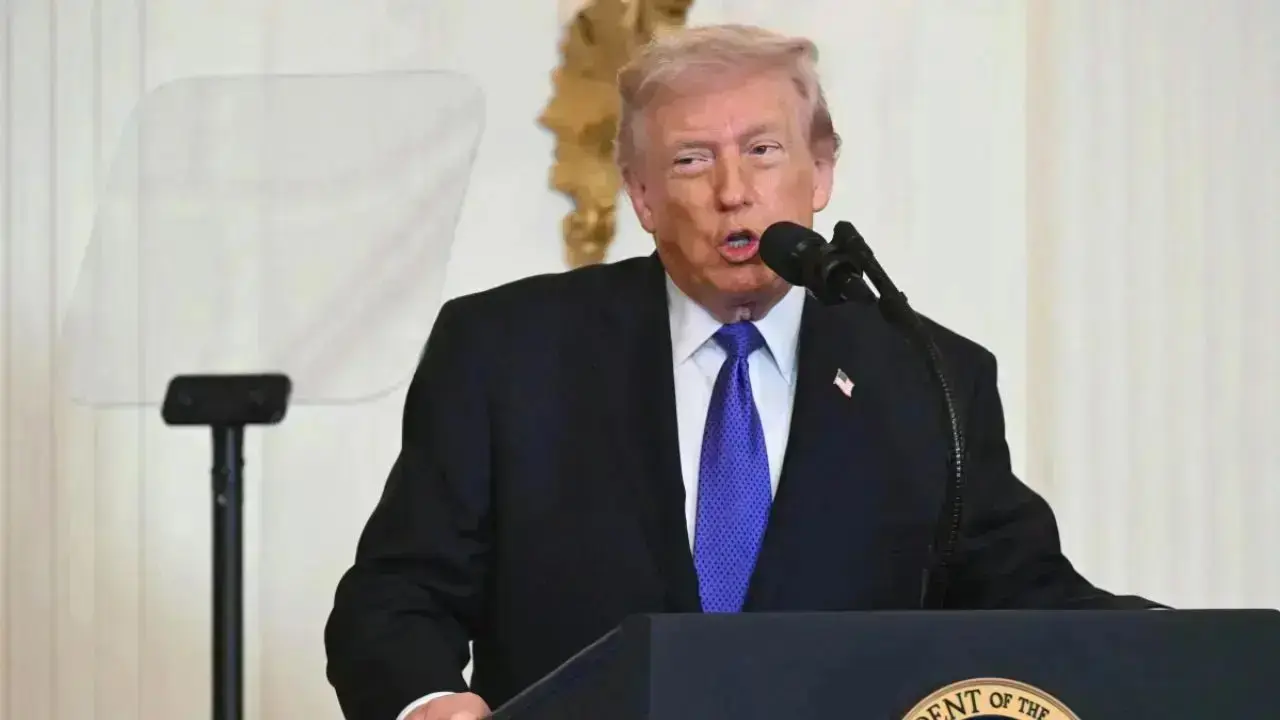
28 March,2026 11:43 AM IST | Washington | ANIUS President Donald Trump on Friday (local time) referred to the strategically important Strait of Hormuz as the "Strait of Trump", later adding that he did not make any "accidents" while making these remarks. Speaking at the event in the Future Investment Initiative Priority Summit here, Trump said, "They have to open up the Strait of Trump. I mean, Hormuz. Excuse me, I'm so sorry. Such a terrible mistake. The fake news will say 'he accidentally said it'. Now there are no accidents with me. Not too many." In his address, Trump also claimed that Iran was under pressure and willing to negotiate, stating that Tehran had sent multiple shipments of oil as part of ongoing discussions. "They're begging to make a deal," he said, adding that negotiations were currently underway. The US President further suggested that opening the Strait of Hormuz -- a critical global oil transit chokepoint -- would be a key element in any potential agreement. "They're being hit so hard. Anybody would be negotiating. They are negotiating. They're begging to make a deal. They're begging to make a deal. Turned out I was right. They were negotiating, which they admitted two days later. And in order to make up for their misstatement, 'We're going to send you eight ships of oil.' And the following day, I saw on one of the networks there were eight ships of oil coming out of Iran. And then they actually said, 'We're going to add an extra two.' And they added an extra two. We had 10 ships. And then people realised we were actually negotiating. We're negotiating now. And it would be great if we could do something, but they have to open it up," the US President said. Trump has demanded that Iran fully reopen the crucial waterway within days, warning that failure to do so would lead to the US "obliterating" its power plants. However, on Thursday, he extended the deadline by 10 days, citing ongoing talks with Tehran, with the new deadline now set for April 6. This story has been sourced from a third party syndicated feed, agencies. Mid-day accepts no responsibility or liability for its dependability, trustworthiness, reliability and data of the text. Mid-day management/mid-day.com reserves the sole right to alter, delete or remove (without notice) the content in its absolute discretion for any reason whatsoever
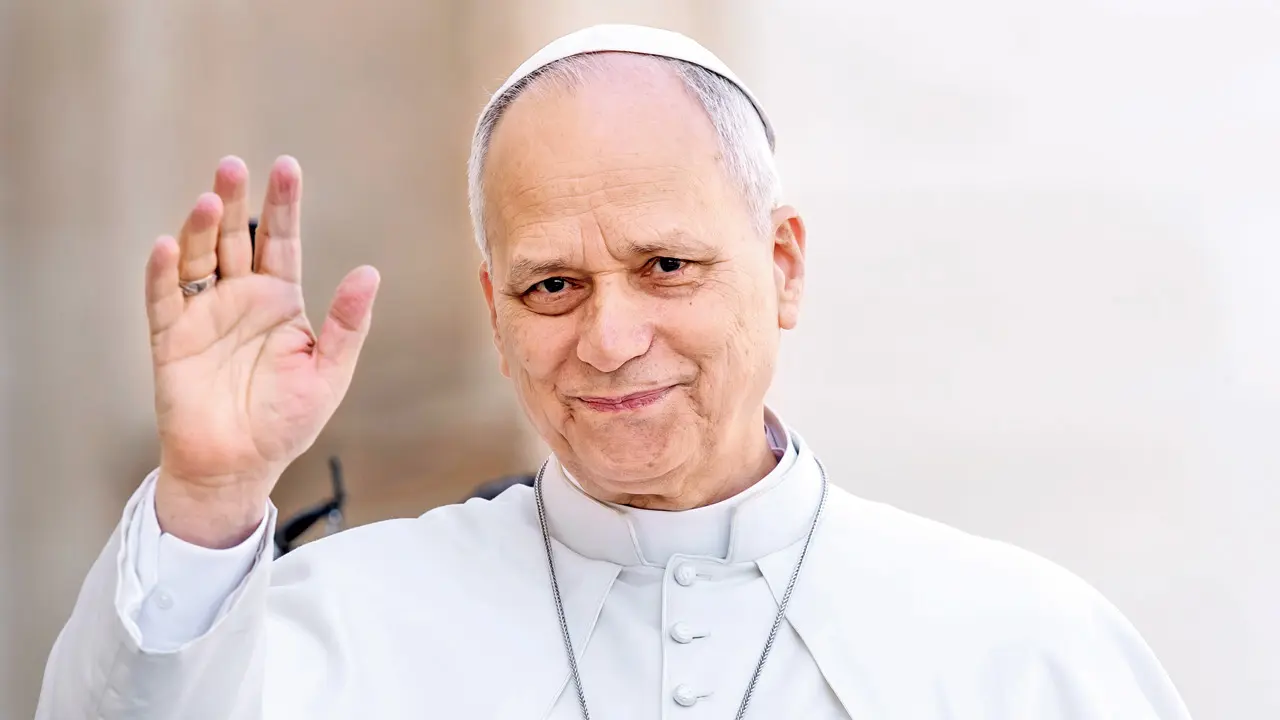
28 March,2026 11:40 AM IST | Florida | ANIPope Leo XIV travels to the principality of Monaco today, becoming the first pope in nearly five centuries to visit the Mediterranean enclave and highlighting how small states can punch above their weight on the global stage. Monaco is also one of the few European countries where Catholicism is the official state religion. And Prince Albert recently refused a proposal to legalise abortion, citing the important role Catholicism plays in Monaco society. The decision was largely symbolic, since abortion is a constitutional right in France, which surrounds the coastal principality of 2.2 sq km. This story has been sourced from a third party syndicated feed, agencies. Mid-day accepts no responsibility or liability for its dependability, trustworthiness, reliability and data of the text. Mid-day management/mid-day.com reserves the sole right to alter, delete or remove (without notice) the content in its absolute discretion for any reason whatsoever
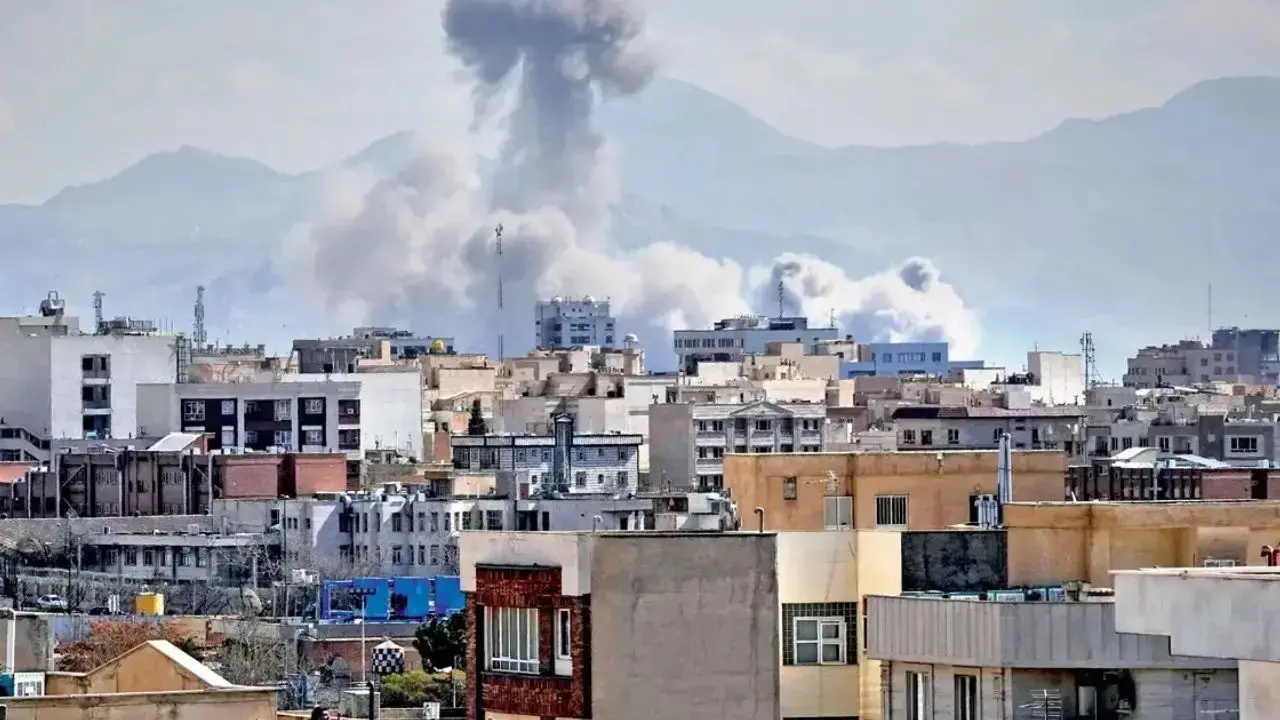
28 March,2026 11:16 AM IST | Vatican City | AgenciesIsrael launched a new wave of strikes on Iran on Friday even as US President Donald Trump claimed talks on ending the war were going well, extending his self-imposed deadline to Tehran on opening the Strait of Hormuz, while Iran has shown no signs of backing down. Israel’s Friday strikes “in the heart of Tehran” targeted sites used by Iran to produce ballistic missiles and other weapons. Israel also hit missile launchers and storage sites in Iran. Iran issued a fresh warning to West Asian countries. Air raid sirens were heard in Israel. Tehran also kept firing missiles and drones at its Gulf neighbours, with sirens warning of attacks in Bahrain, Qatar, UAE, and Saudi Arabia. Kuwait said its Shuwaikh Port in Kuwait City sustained damage. This story has been sourced from a third party syndicated feed, agencies. Mid-day accepts no responsibility or liability for its dependability, trustworthiness, reliability and data of the text. Mid-day management/mid-day.com reserves the sole right to alter, delete or remove (without notice) the content in its absolute discretion for any reason whatsoever
28 March,2026 11:11 AM IST | Dubai | AgenciesUS President Donald Trump on Friday (local time) said that the Middle East is closer than ever to being "finally free" from what he described as Iranian terror and nuclear coercion amid ongoing diplomatic engagement between the two sides to end the conflict in the region. Addressing the Future Investment Initiative Priority Summit in Florida, Trump said, "Tonight, we're closer than ever to the rise of the Middle East that is finally free at last from Iranian terror and nuclear blackmail." Highlighting ongoing military operations, Trump claimed that the United States is "ending the threat" posed by Iran, referring to actions under what he called Operation Epic Fury and asserted that Iran's capabilities were being significantly weakened. "We have the most powerful military in the world by far... We have weapons that nobody's ever seen before," Trump said, adding that Iran, which he described as a long-time "bully" in the region, is now "on the run". Meanwhile, on Thursday, Trump stated that he is extending the pause on strikes targeting Iran's energy infrastructure for an additional 10 days, till April 6, 2026, as part of the ongoing diplomatic talks between the two sides. In a post on Truth Social, the US President claimed that the announcement comes as per a "request" from the Iranian government and further stated that the negotiations with Tehran were "going very well". "As per the Iranian government's request, please let this statement serve to represent that I am pausing the period of Energy Plant destruction by 10 Days to Monday, April 6, 2026, at 8 P.M., Eastern Time. Talks are ongoing and, despite erroneous statements to the contrary by the Fake News Media, and others, they are going very well," the post read. On Monday, Trump announced that he had instructed the US Department of War to delay any military action against Iranian power plants and energy sites for five days, citing ongoing diplomatic engagements with Tehran amid escalating tensions in West Asia. In another post on Truth Social, Trump said the United States and Iran had held "very good and productive conversations" aimed at resolving hostilities in the region and added that the decision to pause strikes was based on the "tenor and tone" of the discussions, which he described as "in-depth, detailed, and constructive". Prior to his announcement on Monday, Trump on Saturday issued a warning to Tehran, giving it 48 hours to open the strategically significant Strait of Hormuz or face potential strikes on its energy facilities. Trump's latest extension of deadlines -- first moved from Monday to Friday with a five-day reprieve and now pushed back by another 10 days -- underscores the shifting timelines amid evolving developments. Earlier today, US Secretary of State Marco Rubio, speaking earlier following the G7 Foreign Ministers' Meeting in France, warned against Iran acquiring nuclear weapons. "For these people to ever get nuclear weapons would be crazy. Look what they're willing to do with the weapons they have now... Imagine if these radical lunatics had a nuclear weapon to threaten the world with," Rubio said. The remarks come amid escalating tensions in West Asia, with growing international concern over Iran's nuclear ambitions and regional security dynamics. This story has been sourced from a third party syndicated feed, agencies. Mid-day accepts no responsibility or liability for its dependability, trustworthiness, reliability and data of the text. Mid-day management/mid-day.com reserves the sole right to alter, delete or remove (without notice) the content in its absolute discretion for any reason whatsoever
28 March,2026 11:08 AM IST | Florida | ANIAs tensions in West Asia continue to escalate, the United Nations has warned that disruptions in maritime traffic through the Strait of Hormuz could trigger significant global ripple effects, particularly on humanitarian supplies and agricultural production. In a note to correspondents delivered by Stephane Dujarric, Spokesman for the Secretary-General on Friday (local time), UN Secretary-General Antonio Guterres announced the creation of a dedicated task force to address the emerging challenges. According to the note issued by the United Nations, the task force will be led by Jorge Moreira da Silva, who currently serves as Executive Director of the United Nations Office for Project Services (UNOPS). The Task Force, according to the official note, will also include representatives from the UN Conference on Trade and Development (UNCTAD), the International Maritime Organisation (IMO), and the International Chamber of Commerce (ICC). The note said that additional entities may be invited to participate as needed. The primary focus of the Task Force is to develop and propose technical mechanisms specifically designed to meet humanitarian needs in the Strait of Hormuz. Drawing inspiration from relevant UN initiatives, including the UN Verification, Inspection and Monitoring Mechanism for Yemen (UNVIM), the Black Sea Grain Initiative (BSGI), and the UN2720 Mechanism for Gaza, this new mechanism for the Strait of Hormuz aims to facilitate fertiliser trade, including the movement of related raw materials, the note stated. According to the note, the mechanism's operationalisation will be done in close consultation with relevant Member States with full respect for national sovereignty and established international legal frameworks. The note further said that, if successful, it would also create confidence among Member States on the diplomatic approach to the conflict and constitute a valuable step towards a wider political settlement. As part of his broader peacemaking mandate, the Secretary-General's Personal Envoy, Jean Arnault, will lead political engagement with relevant Member States, supported by the Task Force, according to the official UN note. Meanwhile, US President Donald Trump referred to the strategically important Strait of Hormuz as the "Strait of Trump", later adding that he did not make any "accidents" while making these remarks. Speaking at the event in the Future Investment Initiative Priority Summit here, Trump said, "They have to open up the Strait of Trump. I mean, Hormuz. Excuse me, I'm so sorry. Such a terrible mistake. The fake news will say 'he accidentally said it'. Now there are no accidents with me. Not too many." In his address, Trump also claimed that Iran was under pressure and willing to negotiate, stating that Tehran had sent multiple shipments of oil as part of ongoing discussions. "They're begging to make a deal," he said, adding that negotiations were currently underway. The US President further suggested that opening the Strait of Hormuz -- a critical global oil transit chokepoint -- would be a key element in any potential agreement. Trump has demanded that Iran fully reopen the crucial waterway within days, warning that failure to do so would lead to the US "obliterating" its power plants. Separately, the Foreign Ministers of the Group of Seven (G7) underscored the "absolute necessity" of restoring safe and toll-free navigation through the Strait of Hormuz amid the regional conflict in West Asia. In a joint statement issued following their meeting under France's G7 Presidency, the ministers stressed the urgent need to ensure uninterrupted maritime transit in the critical energy corridor, in accordance with international law, including relevant UN frameworks and the Law of the Sea. This comes after a new report from the Shipping News website, Lloyd's List, suggested that Iran's Islamic Revolutionary Guard Corps (IRGC) imposed a de facto 'toll booth' in the Strait of Hormuz as the conflict in West Asia has put enormous stress on one of the key global shipping routes. This requires vessels to submit full documentation, obtain clearance codes and accept IRGC-escorted passage through a single controlled corridor, the report stated. However, India's Shipping Ministry earlier rejected reports of any proposed toll or levy on vessels transiting the Strait, terming such claims "baseless" and reaffirming that the key maritime passage is governed by international conventions ensuring freedom of navigation. This story has been sourced from a third party syndicated feed, agencies. Mid-day accepts no responsibility or liability for its dependability, trustworthiness, reliability and data of the text. Mid-day management/mid-day.com reserves the sole right to alter, delete or remove (without notice) the content in its absolute discretion for any reason whatsoever
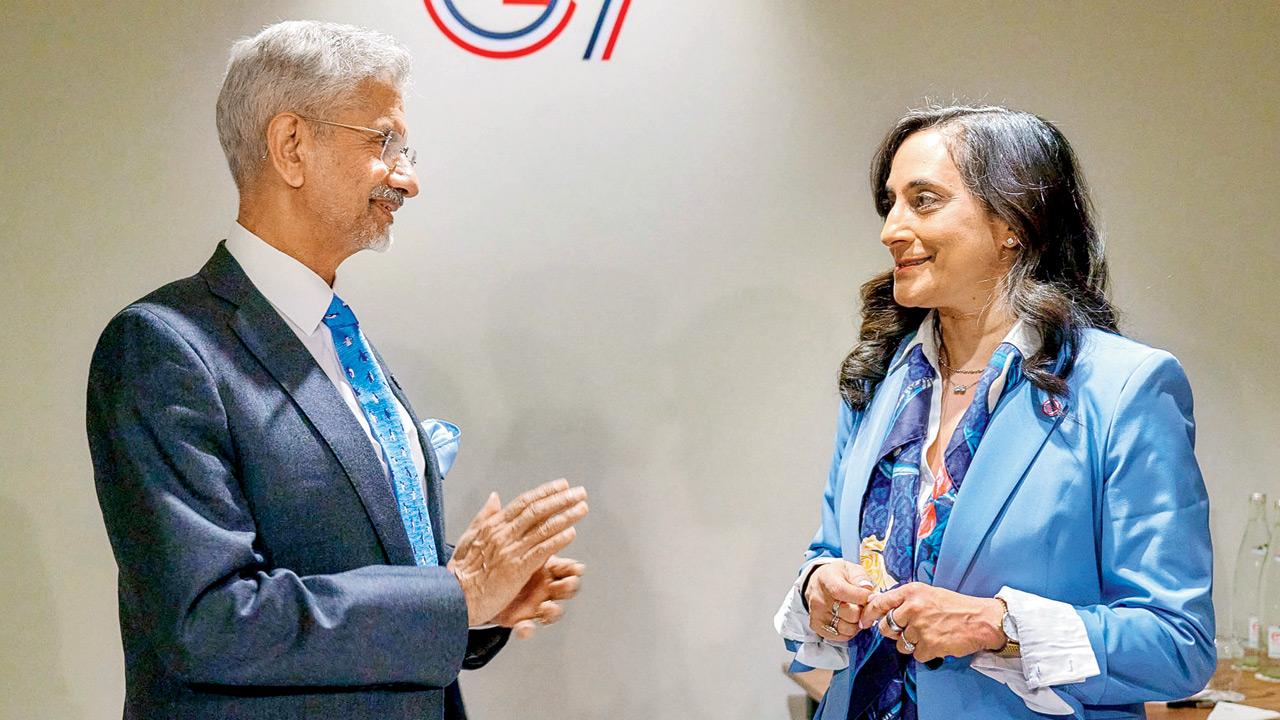
28 March,2026 10:58 AM IST | New York | ANIThe West Asia crisis and its consequences figured prominently during a conversation between External Affairs Minister S Jaishankar and his Canadian counterpart Anita Anand on the margins of a G7 meeting in France. Jaishankar arrived here on Thursday. The discussion focused on coordinating efforts to ensure that the Strait of Hormuz remains open for international shipping. This story has been sourced from a third party syndicated feed, agencies. Mid-day accepts no responsibility or liability for its dependability, trustworthiness, reliability and data of the text. Mid-day management/mid-day.com reserves the sole right to alter, delete or remove (without notice) the content in its absolute discretion for any reason whatsoever
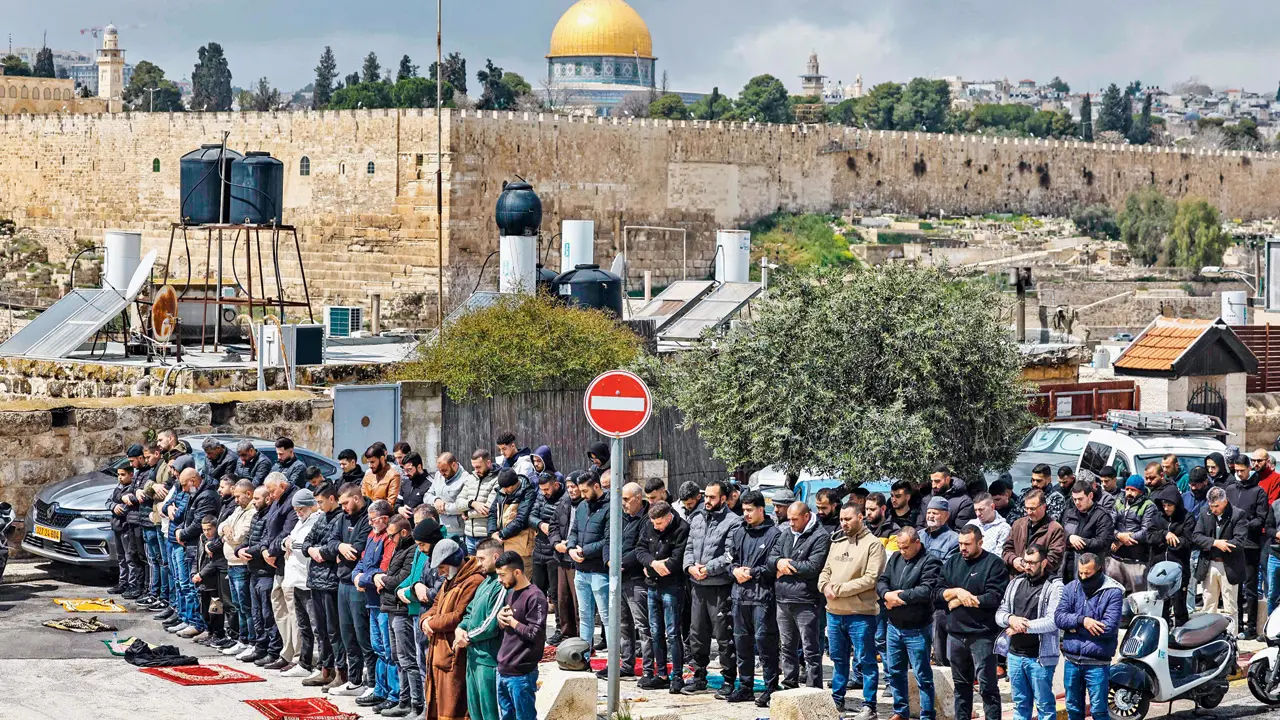
28 March,2026 10:45 AM IST | Paris | AgenciesThe naval arm of the Islamic Revolution Guards Corps (IRGC) has issued a defiant response to claims made by US President Donald Trump regarding the status of the Strait of Hormuz. According to a report by Iran's state-owned Press TV, the IRGC Navy dismissed assertions that the vital waterway is open for transit, insisting that it remains under a blockade. The statement follows recent remarks from the US administration suggesting that the maritime route was functioning. In a direct rebuttal, the IRGC military command made it clear that it maintains full control over the chokepoint, reported ANI. "The Strait of Hormuz has been closed, and any movement through the strait will be met with a harsh response," the IRGC Navy declared in its statement. The warning underscores the extreme volatility in the region as Tehran continues to challenge American and Israeli naval operations. As detailed by Press TV, the Iranian military has vowed to protect its maritime boundaries and will not allow unauthorised passage through the strategic channel, reported ANI. IRGC issues shipping warning; Trump undecided on Iran Strait deadline According to ANI, the latest escalation comes amid a broader conflict, with the IRGC reiterating its stance that "any movement through the strait will be met with a harsh response." The declaration serves as a direct warning to international shipping and foreign military forces currently stationed in or near the Persian Gulf. Meanwhile, US President Donald Trump has expressed uncertainty over whether he will enforce or extend the current deadline set for Iran to reopen the Strait. Speaking to reporters on Thursday during a Cabinet meeting at the White House, Trump indicated that a final decision is yet to be made as diplomatic engagement continues. The President noted that his call would depend on feedback from top US officials involved in the negotiations, including US Vice President JD Vance, special envoy Steve Witkoff, and his son-in-law Jared Kushner. "I don't know yet. I don't know. Mr Witkoff and JD and Jared will tell me whether or not they think it's going along," Trump remarked. Donald Trump signals scope for talks with Iran, extends diplomatic window Despite the approaching deadline, Trump signalled that there was still room for negotiations. "We have a lot of time, you know what? It's a day in 'Trump time'. A day -- do you know what it is? That's an eternity," he added, referring to the extension he previously granted until Friday. This diplomatic window follows an earlier announcement on Monday, where Trump instructed the US Department of War to delay military action against Iranian power plants and energy sites for five days. In a post on Truth Social, he described "very good and productive conversations" aimed at resolving regional hostilities. Trump stated that the decision to pause strikes was based on the "tenor and tone" of these discussions, which he characterised as "in-depth, detailed, and constructive." He noted that the US and Iran were discussing a "complete and total resolution" of their hostilities in the Middle East, reported ANI. However, during the recent Cabinet meeting, Trump offered a characteristically blunt assessment of the Iranian leadership, describing them as "lousy fighters but great negotiators." He dismissed reports that Washington was the primary party driving a diplomatic resolution. Instead, the US President asserted that the impetus for a ceasefire is coming directly from Tehran as hostilities enter their fourth week. "They're begging to make a deal, not me," Trump stated, maintaining his position even as the IRGC continues its defiant rhetoric regarding the maritime blockade, reported ANI. (Inputs from ANI)
27 March,2026 06:32 PM IST | Tehran, Iran | mid-day online correspondentDespite US President Donald Trump making public peace overtures to Iran, the conflict in West Asia continues. Israel Defence Forces on Saturday said that it had struck the Iranian Regime's primary facility for the productions of missiles and sea mines in Yazd, Iran. The IDF claimed that the site was used for the planning, development, assembly, and storage of advanced missiles intended for launch from cruise platforms, submarines, and helicopters toward both mobile and stationary maritime targets, reported ANI. "In the strikes carried out across Tehran, the Air Force targeted infrastructure and sites used by the regime to produce weaponry, with an emphasis on ballistic missile production sites," the IDF stated. IDF targets Iran’s missile launchers, storage sites in overnight airstrikes According to the IDF, in Western Iran, the Air Force, guided by Military Intelligence, struck throughout the night at the fire arrays of the Iranian terror regime. Among the targets attacked were launchers and missile storage sites that pose a threat to the State of Israel. The IDF said it continues to operate without respite to strike at the regime's ballistic missile array, with the aim of reducing the scale of fire toward the citizens of the State of Israel. Over the past day, the Israel Air Force, guided by intelligence, struck dozens of infrastructures of the Iranian terror regime in approximately 20 fighter jet sorties in western Iran. As part of the sorties, the Air Force struck, among other targets, in Kermanshah and Dezful, and dropped approximately 70 munitions toward sites used for storing and launching ballistic missiles and air defence systems, reported ANI. In addition, soldiers of the Iranian terror regime who operated from these sites were eliminated. The Air Force said it continues to operate without pause to strike the regime's ballistic missile array, with the aim of reducing the scale of fire toward the citizens of the State of Israel. The IDF further stated that after a lull of nearly eight hours, the IDF has detected a new ballistic missile attack from Iran. Iran’s IRGC targets key military, oil sites in latest wave of strikes According to ANI, on Thursday, Iran's Islamic Revolution Guards Corps (IRGC) announced the execution of wave 83 of Operation True Promise 4 targeting key American and Israeli military installations across the region with missiles and drones. According to a statement from the IRGC's Public Relations, the operation was dedicated to the "warm-hearted people of the southern strip of the country in the north of the Ever-Persian Gulf" and was conducted under the blessed code "Ya Aba Abdullah Al-Hussein (AS)." The strikes targeted a range of strategic assets belonging to American and Israeli forces. Among the targets were storage tanks and the oil depot in Ashdod, a military personnel site in the Modi'in settlement, and a US military information exchange centre in the region, reported ANI. The IRGC also claimed to have struck American military bases at Al-Dhafra and Al-Udeiri, along with maintenance and storage hangars for transport aircraft and drones at Ali Al-Salem Air Base. (Inputs from ANI)
27 March,2026 03:03 PM IST | Jerusalem | mid-day online correspondentSri Lanka has jailed a man for three weeks after he admitted to hoarding four litres of petrol during a nationwide fuel shortage triggered by the Middle East war, local media reported Friday. The 48-year-old man initially said the fuel was for his lawnmower. A magistrate in Nikaweratiya, 125 kilometres (78 miles) northeast of the capital Colombo, also imposed a fine of 1,500 rupees ($5), according to the Lankadeepa daily newspaper. It added that the man had been charged with hoarding petrol and trying to sell it on the black market at a time when authorities had imposed fuel rationing. Motorists on the South Asian island are currently receiving fuel every other day. Authorities say existing diesel stocks are sufficient until mid-May, while petrol supplies could last about a week longer. Fuel prices across Sri Lanka have risen by a third since the United States and Israel began bombing Iran, triggering retaliatory attacks that disrupted global supplies. President Anura Kumara Dissanayake's office said he had held talks with visiting Russian Deputy Energy Minister Roman Marshavin on securing oil supplies. In a statement, Dissanayake's office quoted the Russian minister as saying: "Russia is prepared to support Sri Lanka in facing any challenges arising from the Middle East conflict." This story has been sourced from a third party syndicated feed, agencies. Mid-day accepts no responsibility or liability for its dependability, trustworthiness, reliability and data of the text. Mid-day management/mid-day.com reserves the sole right to alter, delete or remove (without notice) the content in its absolute discretion for any reason whatsoever.
27 March,2026 01:57 PM IST | Colombo, Sri Lanka | AFPIsrael's military said it carried out strikes on targets in Tehran early Friday, nearly a month into the Middle East war. A brief military statement said Israeli forces "completed a wide-scale wave of strikes targeting infrastructure of the Iranian terror regime in the heart of Tehran". The military said in a separate statement that it had also struck "ballistic missiles and aerial defense systems production sites across Iran". It reported hitting missile launchers and storage sites in western Iran, as well as missile production sites in the capital. Iran has been under heavy bombardment since February 28, when the US and Israel launched their campaign. Israel said on Thursday that it had "blown up and eliminated" the Revolutionary Guards' naval commander, Alireza Tangsiri, and several senior officers. US President Donald Trump has in recent days repeatedly claimed progress in talks with Iran, even as Tehran denied any formal negotiations were taking place. This story has been sourced from a third party syndicated feed, agencies. Mid-day accepts no responsibility or liability for its dependability, trustworthiness, reliability and data of the text. Mid-day management/mid-day.com reserves the sole right to alter, delete or remove (without notice) the content in its absolute discretion for any reason whatsoever.
27 March,2026 01:57 PM IST | Jerusalem | AFPADVERTISEMENT








-1774614026719_d.png "IRGC Navy warns against movement through Strait of Hormuz. Pic/AFP")
-1774601985321_d.png "Israel Defence Force. Pic/X")
-1774599285552_d.png "Representational Image")
-1774598983071_d.png "Pic/AFP")