NASA has begun rolling out the Artemis II Space Launch System (SLS) rocket and Orion spacecraft to Launch Pad 39B at the Kennedy Space Centre in Florida, marking a key milestone ahead of its upcoming crewed Moon mission. The rollout began at 12:20 a.m. EDT on Friday after being delayed earlier due to high winds. The journey to the launch pad is expected to take nearly 12 hours, with the crawler-transporter carrying the rocket and spacecraft about four miles along the crawlerway. The move follows a successful wet dress rehearsal conducted on February 21. However, engineers had earlier identified a technical issue that prevented helium from flowing to the rocket’s upper stage, prompting a return to the Vehicle Assembly Building for repairs. During this period, teams carried out multiple upgrades and system checks, including battery replacements across various stages, activation of new flight termination system batteries, and maintenance of key components such as the liquid oxygen feed line and umbilical connections. Artemis II is set to carry four astronauts, Reid Wiseman, Victor Glover, Christina Koch, and Jeremy Hansen of the Canadian Space Agency, on a 10-day mission around the Moon and back. The mission will mark the first crewed flight under NASA’s Artemis program. As NASA finalises Artemis II rollout, crew begins quarantine As Engineers plan to begin rolling the Artemis II rocket and Orion spacecraft to Launch Pad 39B, the Artemis II crew entered quarantine at 5:00 pm CDT on Wednesday in Houston to ensure their health ahead of launch. Astronauts Reid Wiseman, Victor Glover, Christina Koch, and Jeremy Hansen of the Canadian Space Agency limit contact with others for a week in Houston before flying to Kennedy approximately five days prior to launch to continue their quarantine in the astronaut crew quarters. Both the rocket rollout and crew quarantine are key milestones leading up to the earliest possible launch date of Wednesday, April 1, with the launch window extending through Monday, April 6. The 11-million-pound stack, including the mobile launcher, will be transported by NASA’s crawler-transporter 2 at roughly 1 mph along the four-mile crawlerway from the Vehicle Assembly Building to the launch pad. The rollout, which could take up to 12 hours, will be available for viewing on NASA’s YouTube channel. Timing may shift depending on technical preparations or weather conditions.
20 March,2026 02:05 PM IST | Florida | mid-day online correspondentKuwait’s Mina Al-Ahmadi refinery was targeted by multiple drone attacks on Friday, triggering fires in several units and prompting precautionary shutdowns, the Kuwait Petroleum Corporation (KPC) said, reported news agency ANI. The incident comes amid intensifying conflict in West Asia involving the United States, Israel and Iran, with attacks increasingly targeting critical energy infrastructure across the region. Fire breaks out after drone strike According to KPC, the refinery was struck early in the day, leading to fires in parts of the facility. Emergency response teams were immediately deployed and are working to contain the situation, reported ANI. “No injuries have been reported, and emergency teams are actively working to control the fire in line with safety protocols,” the company said in an official statement, reported ANI. Parts of refinery shut as precaution Authorities said sections of the refinery were shut down as a precautionary measure following the attack, though the full extent of damage is yet to be assessed, reported ANI. Mina Al-Ahmadi is one of Kuwait’s key oil processing facilities, making it a critical asset for the country’s energy sector. Series of attacks across energy infrastructure The attack is part of a broader pattern of strikes on energy installations across the Gulf region amid the ongoing conflict. Recent developments include an Israeli strike on Iran’s South Pars gas field and a retaliatory Iranian attack on Qatar’s Ras Laffan industrial zone. An Iranian missile also reportedly struck an oil refinery complex in northern Israel, reported ANI. Regional tensions continue to escalate Saudi Arabia has reported intercepting multiple drones in recent days, underscoring the expanding scope of the conflict, reported ANI. Iranian Foreign Minister Seyed Abbas Araghchi said Tehran’s response so far has been restrained but warned of stronger retaliation if further attacks target its infrastructure, reported ANI. Impact on global energy markets The escalation has heightened concerns over the security of global oil supply chains, as key energy facilities and transit routes remain under threat. Analysts warn that continued attacks on refineries and shipping infrastructure could further disrupt supply and drive volatility in global oil prices, reported ANI. Emergency response ongoing Kuwaiti authorities said containment efforts are underway and that safety remains the top priority. Further updates are expected as officials assess the damage and restore operations at the refinery. (With inputs from ANI)
20 March,2026 01:19 PM IST | Kuwait City | mid-day online correspondentThe US Congress is facing increasing divisions over a proposed funding request for the Iran conflict that could exceed USD 200 billion. Lawmakers from both parties are questioning the scale, purpose, and timeline of the spending, amid rising costs and escalating military operations in the Gulf. The White House has indicated it will request new funding to support US forces. President Donald Trump defended the move, saying, “We want to be in the best shape, the best shape we’ve ever been in. It’s a small price to pay to make sure that we stay tippy top,” as per CNN. Republicans voice opposition Several Republican lawmakers have expressed concerns about the potential for an “endless war” as per CNN reports. Representative Lauren Boebert said, “I am a no. I have already told leadership. I am a no on any war supplemental. I am so tired of spending money over there. She clearly stated her stance as to where should the government focus it's funding on saying, "we need America First policies right now.” Others are still clouded on the reasons and usage of the funds, demanding more clarity on the mission and financial implications. Representative Chip Roy remarked, “They got a whole lot more briefing and a whole lot more explaining to do on how we’re going to pay for it and what’s the mission here?” He further questioned the purpose and direction of the military action, expressing concern that the US may be heading into a deeper conflict and warning that this could turn into a long-term involvement rather than a short operation. Fiscal conservatives have also raised questions about the long-term cost. Representative Thomas Massie asked raising multiple doubts and concerns over the war spendings, “It begs the question, how long do they plan to be there? What are the goals? Is this the first USD 200 billion? Does this turn into a trillion?” Military escalation in the Gulf Meanwhile, US and allied forces have intensified operations near the Strait of Hormuz. General Dan Caine confirmed that A-10 Warthog aircraft are “targeting fast-attack watercraft in the Strait of Hormuz,” and Apache helicopters “have joined the fight on the southern flank.” The escalation has already impacted global oil markets, with prices surging due to fears of supply disruptions. Analysts warn that ongoing hostilities could worsen the economic fallout. Anna Jacobs told The Washington Post, “Energy warfare has been utilised from day one,” highlighting the disruption to a key global supply route. Concerns over transparency and oversight Lawmakers say they have received limited information on the full cost of the conflict, making it difficult to approve such a large funding request. Some Republicans have proposed conditions such as Pentagon audits or spending offsets before supporting any bill. Senate Majority Leader John Thune admitted, “It remains to be seen” whether Congress will approve the request. Meanwhile, Democrats are largely opposed to approving funds under the current conditions, adding further uncertainty. The conflict has also sparked discussions within the administration about easing sanctions on Iranian oil to stabilise global prices. While this could increase supply to the market, analysts caution it may also strengthen Iran financially during the war. (With IANS Inputs)
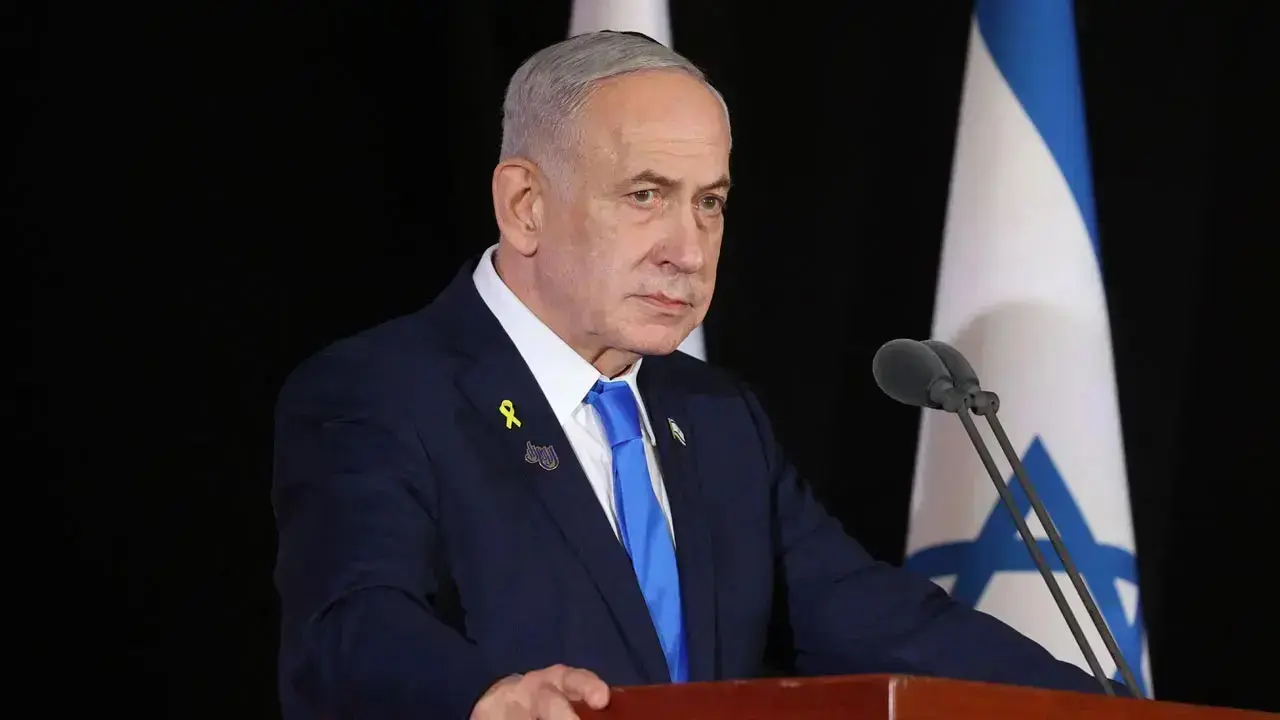
20 March,2026 12:50 PM IST | Mumbai | mid-day online correspondentIsrael pledged to refrain from more strikes on a key Iranian gas field after Iran intensified attacks on oil and natural gas facilities around the Gulf, raising the stakes in a war that has sent shock waves through energy markets and the global economy. Global fuel supplies were already under pressure because of Iran's stranglehold on the Strait of Hormuz, a strategic waterway through which a fifth of the world's oil is transported. The Islamic Republic's retaliation for Israel's attack on its South Pars gas field sent fuel prices soaring even higher and risked drawing Iran's Arab neighbors directly into the conflict. Israeli Prime Minister Benjamin Netanyahu said late Thursday that, at the request of President Donald Trump, Israel will hold off on any further attacks on the offshore gas field. Since the US and Israel launched the war on February 28, Iran's top leaders have been killed in airstrikes and the country's military capabilities have been severely degraded. Netanyahu said in a televised address that Iran no longer has the ability to enrich uranium or make ballistic missiles, although he did not provide evidence. Still, Iran -- now led by the son of the supreme leader killed in the war's opening salvo -- remains capable of missile and drone attacks targeting its Gulf Arab neighbors. Underscoring the danger to ships in the region, a vessel was set ablaze off the United Arab Emirates' coast and another was damaged off Qatar. Efforts to bypass the strait were also under pressure: An Iranian drone hit a Saudi refinery on the Red Sea, which the country had hoped to use as an alternative route. Brent crude oil, the international standard, briefly surged above USD 119 a barrel, up more than 60 per cent since the war started. The European benchmark for natural gas prices also rose sharply and has roughly doubled in the past month. UN Security Council meets over Iran's attacks on Gulf states The United Nations Security Council held an urgent closed meeting Thursday during which Gulf countries stressed the need for Iran to halt attacks on them, said Bahrain's UN Ambassador Jamal Alrowaiei, the Arab representative on the UN's most powerful body. But Iran has showed no signs of backing down. Saudi Arabia said its SAMREF refinery in the Red Sea port city of Yanbu was hit. Saudi Arabia had begun pumping large volumes of oil west toward the Red Sea to avoid the Strait of Hormuz. Qatar, a key source of natural gas for world markets, said Iranian missiles that caused extensive damage to the Ras Laffan liquefied natural gas facility, reduced its exports by about 17 percent and will cost about USD 20 billion in lost revenue a year. The damage will take up to five years to repair, even though production at the facility had already been halted after earlier attacks. Two oil refineries in Kuwait and gas operations in Abu Dhabi also were targeted by Iran, authorities said. Millions of people fled to shelters in Israel as sirens warned repeatedly after a barrage of Iranian missiles in the central part of the country as well as Jerusalem and areas nearby, including the West Bank. Netanyahu says Iran's military has been severely hit At Thursday's news conference, Netanyahu said: "Iran's air defenses have been rendered useless, their navy is lying at the bottom of the sea. ... Their air force is nearly destroyed." He said he hopes the Iranian people will rise up against the Islamic Republic that has ruled for nearly a half-century. There's been no sign of any organized opposition since the war began, after Iranian authorities crushed mass protests in January. The prime minister's comments to foreign journalists came amid difficult days for Trump and Netanyahu, with a top US intelligence official resigning and claiming Israel pushed Trump into the war, and Israel's attacks on South Pars, which led to Iran's retaliatory strikes on the region's oil and gas fields. "I misled no one," Netanyahu said. "And I didn't have to convince President Trump about the need to prevent Iran from developing its nuclear programme." Gen. Dan Caine, chairman of the Joint Chiefs of Staff, said that US forces were attacking deeper into Iranian territory, with warplanes hunting Iranian boats in the strait and dropping 5,000-pound bombs on underground weapons-storage facilities. Iran's state TV, quoting a Revolutionary Guard statement, said the country's air defense system hit an F-35 fighter jet. US Central Command said an F-35 made an emergency landing after flying a combat mission over Iran. A command spokesman, Capt. Tim Hawkins, said the aircraft landed safely, the pilot was in "stable" condition and the incident was under investigation. Trump says he is not deploying troops to Iran Iran condemned Israel's attack on South Pars, the Iranian part of the world's largest gas field, located offshore in the Persian Gulf and owned jointly with Qatar. With some 80 per cent of power generated in Iran coming from natural gas, according to the International Energy Agency, the attack threatens the country's electricity supplies. After Trump requested Israel not attack South Pars, he also warned on social media that if Iran continued striking Qatar, the US would "massively blow up the entirety" of the field. Asked later about the possibility of US ground troops being deployed to Iran, Trump responded: "No. I'm not putting troops anywhere." Death toll climbs in third week of war More than 1,300 people in Iran have been killed during the war. Israeli strikes against the Iranian-backed Hezbollah militant group in Lebanon have displaced more than 1 million people, according to the Lebanese government, which says more than 1,000 people have been killed. Israel says it has killed more than 500 Hezbollah militants. In Israel, 15 people have been killed by Iranian missile fire. Four people were also killed in the occupied West Bank by an Iranian missile strike overnight. At least 13 US military members have been killed. This story has been sourced from a third party syndicated feed, agencies. Mid-day accepts no responsibility or liability for its dependability, trustworthiness, reliability and data of the text. Mid-day management/mid-day.com reserves the sole right to alter, delete or remove (without notice) the content in its absolute discretion for any reason whatsoever
20 March,2026 09:00 AM IST | Dubai | APIsraeli Prime Minister Benjamin Netanyahu on Thursday (local time) claimed that after 20 days of joint US-Israeli strikes, Iran no longer has the capability to enrich uranium or produce ballistic missiles. He claimed that in the first phase of the military operation, United States and Israel destroyed the missile stockpiles, heavily impacted the drones and missile arsenal, including nuclear infrastructure, and now, they are destroying the industrial capability of building back those missiles in the first place. "We are winning and Iran is being decimated. Iran's missile and drone arsenal is being massively degraded and will be destroyed. Hundreds of their launchers have been destroyed, their stockpiles of missiles are being hit hard and so are the industries that produce then. That's important. In Rising Lion, we destroyed the missiles, and we destroyed a lot of the infrastructure. What we are destroying now are the factories that produce the components that make these missiles. We are wiping out their entire industrial base that we didn't before," PM Netanyahu told reporters. He further said Israel and the United States are "protecting the entire world" through their ongoing military campaign, asserting that the strikes have significantly weakened Iran's military capacity, CNN reported. However, Netanyahu did not provide evidence to substantiate these claims, as per CNN. Meanwhile, Israeli Prime Minister Benjamin Netanyahu earlier said it was "too early to say" what political outcome could emerge in Iran, even as he stressed that efforts are underway to create conditions for change in the country. Responding to questions about a potential post-regime scenario, Netanyahu said, "You want a transitional leader. You don't want to replace one Ayatollah with another, you don't want to replace Hitler with Himmler." He added that any change would ultimately depend on the Iranian people. "It's up to the Iranian people to... choose the moment and to rise to the moment. We can create the conditions, but they have to exploit those conditions," he said. He also reiterated that regime change cannot be achieved through air power alone. "You can't do revolutions from the air... there has to be a ground component as well," he said, while declining to elaborate on possible strategies. On the economic front, Netanyahu said Israel is supporting US-led efforts to stabilise global energy markets by reopening key shipping routes. "Americans are working very hard... to open the Strait of Hormuz. And if they succeed, which I think they will, then oil prices will come down," he said. The Israeli Prime Minister highlighted close coordination with US President Donald Trump, particularly on countering Iran's nuclear ambitions. "I didn't have to convince President Trump about the need to prevent Iran from developing its nuclear program, putting it underground, and being able to launch nuclear-tipped missiles at the United States. He understood that. He explained it to me. I didn't explain it to him," Netanyahu said, adding, "Our partnership is the only way to avoid this catastrophic development." He also proposed long-term alternatives to reduce reliance on vulnerable maritime chokepoints. "Instead of going through the choke points of the Strait of Hormuz... have oil pipelines, gas pipelines going West through the Arabian Peninsula right up to Israel, and our Mediterranean ports," he said, describing the idea as "definitely possible." Expressing optimism about the trajectory of the conflict, Netanyahu said, "I also see this war ending a lot faster than people think." The remarks come amid heightened tensions in the region, with ongoing military operations involving Israel, the United States and Iran, alongside concerns over energy security and the future political landscape in Tehran. This story has been sourced from a third party syndicated feed, agencies. Mid-day accepts no responsibility or liability for its dependability, trustworthiness, reliability and data of the text. Mid-day management/mid-day.com reserves the sole right to alter, delete or remove (without notice) the content in its absolute discretion for any reason whatsoever
20 March,2026 08:55 AM IST | Jerusalem | ANIUnited Arab Emirates President Mohamed bin Zayed Al Nahyan and US President Donald Trump discussed regional developments and their impact on global peace during a phone call, Al Jazeera reported, citing the state-run WAM news agency. According to Al Jazeera, the two leaders also reviewed what were described as "blatant and continuous Iranian aggressions against the United Arab Emirates and other countries in the region, which target civilians, civilian facilities, and infrastructure, representing a violation of the sovereignty of these countries and international laws." President Trump condemned the attacks and reaffirmed the "United States' solidarity with the UAE and the countries of the region, and its full support for them in defending their territories, stability, and security," Al Jazeera reported, citing the WAM report. Meanwhile, the UAE's state security service has announced the dismantling of a network operating within the country that was allegedly funded and directed by Lebanon's Hezbollah and Iran, with several individuals arrested, Al Jazeera reported. According to Al Jazeera, citing the state-run WAM news agency, the group operated under the guise of commercial activities, attempting to infiltrate the national economy and carry out activities that could undermine the country's financial stability. As per Al Jazeera, authorities said the network functioned under "a pre-prepared strategic plan with foreign parties linked to Lebanese Hezbollah and Iran, violating economic and legal systems to launder money, fund terrorism, and threaten national security." The statement did not disclose the number or nationalities of those detained, though an image shared on WAM's X account showed five blindfolded individuals in custody, Al Jazeera reported. Meanwhile, the death toll in Lebanon has crossed 1,000 since Israeli attacks intensified on March 2, with at least 2,584 people injured. More than one million people have also been displaced amid the ongoing escalation. This story has been sourced from a third party syndicated feed, agencies. Mid-day accepts no responsibility or liability for its dependability, trustworthiness, reliability and data of the text. Mid-day management/mid-day.com reserves the sole right to alter, delete or remove (without notice) the content in its absolute discretion for any reason whatsoever
20 March,2026 08:38 AM IST | Abu Dhabi | ANIThousands in Moldova have been left without water after a Russian strike on a hydroelectric plant in neighbouring Ukraine resulted in oil polluting a major river. President Maia Sandu blamed Russia for polluting Dniester River in an attack on Ukraine’s Novodnistrovsk plant on March 7. The plant sits about 15 km upstream from Moldova’s border with Ukraine and supplies water to about 80 per cent of Moldova’s population. This story has been sourced from a third party syndicated feed, agencies. Mid-day accepts no responsibility or liability for its dependability, trustworthiness, reliability and data of the text. Mid-day management/mid-day.com reserves the sole right to alter, delete or remove (without notice) the content in its absolute discretion for any reason whatsoever
20 March,2026 08:26 AM IST | Balti | AgenciesThailand’s incumbent Prime Minister Anutin Charnvirakul won a vote in Parliament on Thursday to remain in office, according to an official tally. The leader of the Bhumjaithai Party garnered 293 votes, exceeding the required majority of the 498 members who attended the session in the House of Representatives. Anutin is expected to take office a few days after obtaining a formal appointment from King Maha Vajiralongkorn and the new cabinet is expected to be appointed in the following weeks. This story has been sourced from a third party syndicated feed, agencies. Mid-day accepts no responsibility or liability for its dependability, trustworthiness, reliability and data of the text. Mid-day management/mid-day.com reserves the sole right to alter, delete or remove (without notice) the content in its absolute discretion for any reason whatsoever
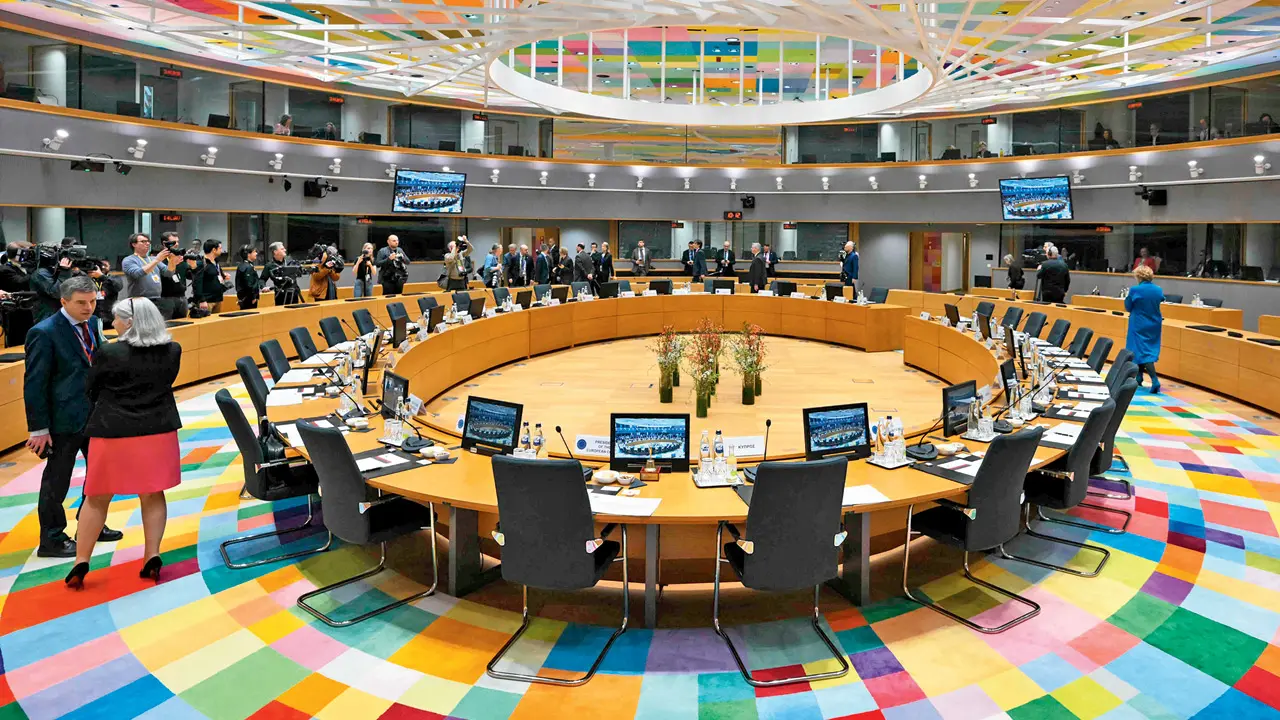
20 March,2026 08:23 AM IST | Bangkok | AgenciesEuropean Union leaders held a summit in Brussels on Thursday to discuss the Iran war, energy prices, migration, and a massive loan for war-ravaged Ukraine being held up by Hungary. Many of those leaders have deflected entreaties by US President Donald Trump to send military assets to secure the Strait of Hormuz, a key waterway for the global flow of oil, gas and fertiliser. Rising energy prices because of the war and fears in Europe of a new refugee crisis have pushed leaders to make the Middle East one of the top priorities at the summit. This story has been sourced from a third party syndicated feed, agencies. Mid-day accepts no responsibility or liability for its dependability, trustworthiness, reliability and data of the text. Mid-day management/mid-day.com reserves the sole right to alter, delete or remove (without notice) the content in its absolute discretion for any reason whatsoever
20 March,2026 08:13 AM IST | Brussels | AgenciesThe Trump administration is weighing the deployment of additional American troops to the Middle East as the ongoing conflict with Iran enters a potentially new and more complex phase, according to multiple sources familiar with internal deliberations, reported Reuters. Discussions within the administration include the possibility of sending thousands of US troops to bolster ongoing military operations. Among the options under review is securing safe passage for global oil shipments through the Strait of Hormuz. Sources said this mission would largely rely on air and naval forces, but could also involve the deployment of ground troops along Iran’s coastline, significantly escalating US involvement on Iranian territory. Meanwhile, Iran said on Thursday that suicide drones hit the US military base in Iraq, while explosions were reported at a US military base in Kuwait. Saudi Arabia said that a drone crashed into a Saudi Aramco oil facility in Riyadh and that damage assessment is underway, while Kuwait said its Mina Abdullah and Mina Al-Ahmadi refineries caught fire after drone attacks. This story has been sourced from a third party syndicated feed, agencies. Mid-day accepts no responsibility or liability for its dependability, trustworthiness, reliability and data of the text. Mid-day management/mid-day.com reserves the sole right to alter, delete or remove (without notice) the content in its absolute discretion for any reason whatsoever
20 March,2026 08:08 AM IST | Washington | AgenciesQatar's Energy Minister said on Thursday that the attacks on the country's energy installations will reduce the export capacity of liquefied natural gas (LNG) by 17 per cent, leading to an estimated annual revenue loss of USD 20 billion, news agency AFP reported. "The damage sustained by the LNG facilities will take between three to five years to repair. The impact is on China, South Korea, Italy and Belgium," said Energy Minister Saad Sherida Al-Kaabi in a statement. "This means that we will be compelled to declare force majeure for up to five years on some long-term LNG contracts," the minister added. ‘In solidarity with Qatar’: PM Modi condemns attacks on energy infrastructure in West Asia In a strong display of diplomatic support, Prime Minister (PM) Narendra Modi held a telephone conversation with the Amir of Qatar, Sheikh Tamim bin Hamad Al Thani, on Thursday to convey warm Eid greetings and firmly reiterate India’s condemnation of the recent attacks on energy infrastructure in the Gulf region. The phone call comes amid escalating tensions that have threatened global energy supplies and maritime security. PM Modi, in an X post, reiterated that India stands in solidarity with Qatar and strongly condemned the attacks on the region’s energy infrastructure. Spoke with my brother, H.H. Sheikh Tamim bin Hamad Al Thani, the Amir of Qatar, and conveyed warm Eid greetings to him and the people of Qatar. Reiterated that we stand in solidarity with Qatar and strongly condemn the attacks on the region’s energy infrastructure. Expressed… — Narendra Modi (@narendramodi) March 19, 2026 This unequivocal backing follows a blatant Iranian aggression against Qatar’s Ras Laffan Industrial City, the country’s premier LNG hub, which accounts for nearly 40 per cent of India’s LNG imports. PM Modi specifically condemned the strikes on the facility, expressing India’s solidarity with Doha in addressing the aggression, news agency IANS reported. The conversation between the two leaders also touched upon the welfare of the approximately 8 lakh-strong Indian community residing in Qatar. PM Modi thanked the Qatari leadership for the care and support extended to the Indian community, a gesture warmly acknowledged by the Amir, who praised the strong bilateral ties between the two nations. The diplomatic engagement comes amid rising volatility in West Asia, particularly around the Strait of Hormuz. This strategic chokepoint between Iran and Oman has effectively become a high-risk zone. Recent escalations follow Iran’s longstanding threats to disrupt passage through the strait, causing traffic to plummet by up to 97 per cent. Normally, the Strait of Hormuz handles around 20 million barrels of crude oil and petroleum products daily — roughly one-fifth of global consumption — along with the bulk of Qatar’s LNG exports. Iran’s Islamic Revolutionary Guard Corps (IRGC) has exploited its geographic advantage, deploying fast attack boats, anti-ship missiles, and naval mines, making the narrow lanes — just three kilometres wide in either direction — extremely hazardous. In recent days, at least 16 commercial vessels, including oil tankers, have come under attack, resulting in casualties and forcing many operators to abandon the route. (With AFP and IANS inputs)
20 March,2026 03:36 AM IST | Doha | mid-day online correspondentADVERTISEMENT








-1773989631836_d.png "White House. Pic/istock")