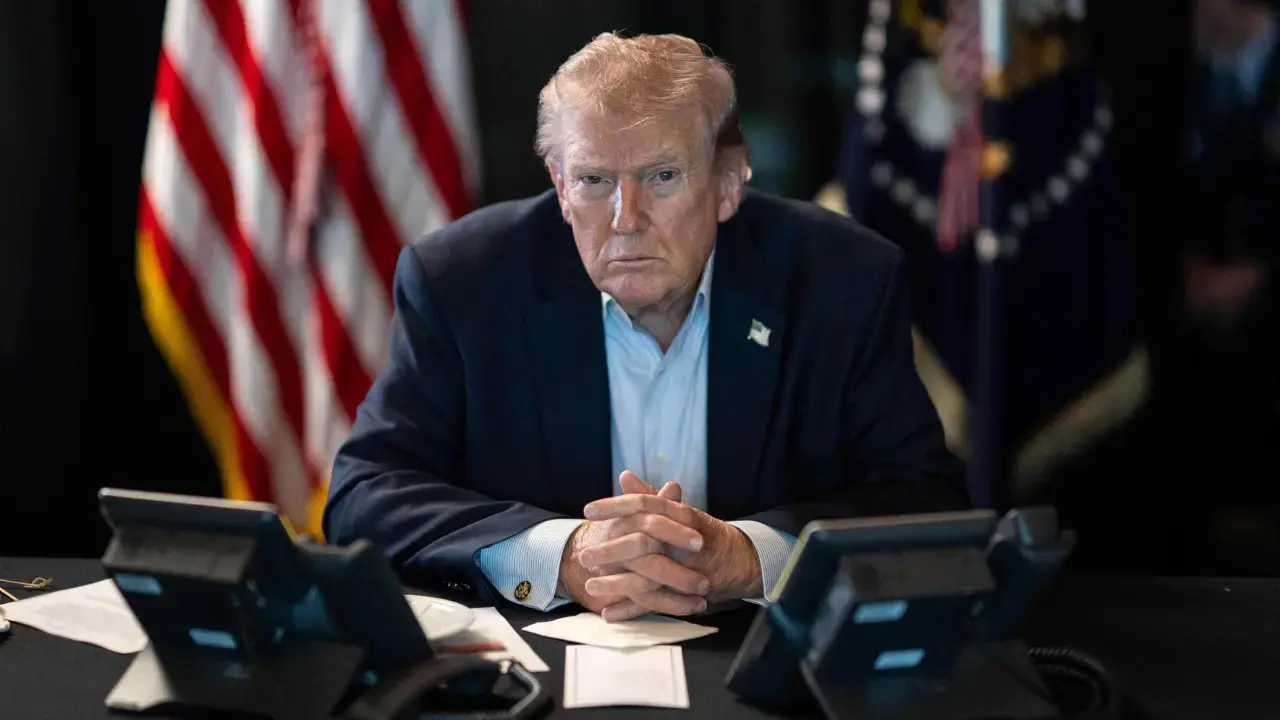
Russia and Ukraine have agreed to a temporary ceasefire over Orthodox Easter. The truce is expected to begin on Saturday afternoon and last until Sunday night. According to the Kremlin, Russian President Vladimir Putin ordered the pause in fighting late Thursday. The ceasefire comes more than a week after Ukrainian President Volodymyr Zelenskyy had already called for a holiday truce. The announcement also comes at a time when US-led efforts to restart peace talks remain stalled. The Easter truce offers a brief pause in one of the world’s longest and most destructive conflicts. But with deep mistrust, ongoing fighting and stalled diplomacy, the chances of lasting peace remain uncertain. A short pause in a long war! What does it include? The Kremlin said the ceasefire will run from 4:00 pm (1300 GMT) on Saturday until the end of Sunday, lasting about 32 hours. Russian officials said Defence Minister Andrei Belousov and military chief Valery Gerasimov have been instructed to “cease hostilities in all directions during this period.” The Kremlin also said, “We assume that the Ukrainian side will follow the Russian Federation’s example,” reported AFP. Ukraine responded cautiously. President Zelenskyy said Ukraine had already supported the idea of an Easter ceasefire and would act accordingly, stating, “We proposed a ceasefire for the Easter holidays this year and will act accordingly.” However, Russia denied any prior coordination with Ukraine or the United States on the truce. Previous ceasefires and mistrust This is not the first temporary pause in fighting. A similar 30-hour Easter truce was announced last year, but both sides accused each other of violating it multiple times. Ukraine reported fewer Russian airstrikes during that period, but fighting still continued on the ground. Russia has also announced other short truces, including one during its May 9 holiday, which Ukraine strongly criticised as politically motivated. Ukraine has repeatedly called for a long-term and unconditional ceasefire, but Russia has rejected this, saying it wants a final peace settlement instead. Kyiv, in turn, argues that Moscow is not serious about peace and instead wants Ukraine to surrender. What is happening on the battlefield? The fighting has continued for more than four years, but Russia’s recent advances have slowed, reported the news agency. Reports based on military data suggest that Russian forces made almost no territorial gains last month—the slowest pace in over two years. In March, Russia reportedly captured only about 23 square kilometres along the front line. Russia currently controls just over 19 percent of Ukraine, including territory taken during the early stages of the 2022 invasion. About seven percent, including Crimea and parts of Donbas, was already under Russian or separatist control before the war. Peace talks remain stalled US-led diplomatic efforts to end the war have slowed in recent months. Earlier negotiations were held in cities like Abu Dhabi and Geneva, but talks have not progressed since late February. Both sides have shown willingness to resume discussions, but major differences remain. One key issue is territory. Ukraine has proposed freezing the war along current front lines, while Russia insists Ukraine must give up all of Donetsk region territories currently under its control. Another unresolved issue is control of the Zaporizhzhia nuclear power plant, which has been under Russian control since the early days of the war. Hopes for peace remain limited! Ukraine has said it is ready to observe the ceasefire, although public scepticism remains high. Ukraine’s foreign minister Andriy Sybiga said, “We believe that a ceasefire is the right strategy to advance diplomatic efforts,” as per AFP. However, analysts believe the truce is unlikely to last beyond Easter. Russian analyst Konstantin Kalachev described it as “short-lived,” saying Russia is not ready to soften its demands. Some pro-Russian commentators suggested the pause could help recover bodies and wounded soldiers from the battlefield, where drone warfare has made evacuation difficult. (With APF Inputs)
10 April,2026 05:20 PM IST | Mumbai | mid-day online correspondentThe United States and Iran are holding their highest-level talks in years in Islamabad, in an effort to turn a fragile two-week ceasefire into a lasting peace agreement. The discussions, brokered by Pakistan, come after weeks of intense conflict that disrupted global energy markets and raised fears of a wider regional crisis. The ceasefire, agreed on April 8, is set to expire on April 22, making these negotiations crucial for preventing further escalation. Here is all you need to know about the discussion held in Islamabad. The cause of these talks held in Islamabad: The War The talks follow a deadly conflict that began on February 28, when the US and Israel launched coordinated strikes on Iran. The attacks reportedly killed Supreme Leader Ali Khamenei and targeted key military and nuclear facilities, leaving more than 2,000 people dead over five weeks. Iran’s response had global consequences. By effectively shutting down the Strait of Hormuz, a strategically vital route for nearly 20 per cent of the world’s oil and gas, the country triggered a surge in energy prices and disrupted international trade. Amid rising tensions, a breakthrough came on April 8 when both sides agreed to a two-week ceasefire, mediated by Pakistan. But with the truce set to expire on April 22 and problems with Israel's deadly attacks on Lebanon, the pressure to reach a longer-term solution and discuss the policies is mounting. How did Pakistan come in the picture as a mediator, moreover a peacemaker? Pakistan’s role in hosting and mediating these talks has drawn global attention. The country usually known for military problems, bad economy and terrorism aka not usually known for hosting such high-level negotiations, has positioned itself as a key diplomatic bridge. Its unique relationships have played a role in this effort. At the same time, Islamabad has built strong ties with the United States, Saudi Arabia and China, giving it a unique diplomatic position. In late March, Foreign Minister Ishaq Dar visited Beijing, where China backed Pakistan’s mediation efforts as being “in keeping with the common interests of all parties.” Former US President Donald Trump also said China helped bring Iran to the negotiating table. A Pakistani official noted, “On ceasefire night, hopes were fading, but China stepped in and convinced Iran to agree to a preliminary ceasefire,” reported AFP. This combination of access and influence has allowed Pakistan to act as a bridge between two long-time adversaries. What is the major agenda of these talks now? Despite the talks, significant disagreements persist between the two sides. The United States has proposed a 15-point plan focusing on limiting Iran’s nuclear programme, controlling ballistic missiles, reopening the Strait of Hormuz and easing sanctions. Iran, however, has presented its own 10-point plan, demanding control over the strait, imposing tolls on passing vessels, ending regional military operations and lifting all sanctions. Tensions have also been heightened by continued Israeli strikes in Lebanon. Iran’s President Masoud Pezeshkian criticised these actions, saying they made the negotiations “meaningless” and warning, “Our hands remain on the trigger.” Israel continued its strikes in the country targeting Hezbollah after the ceasefire came into force with Israeli Prime Minister Benjamin Netanyahu rejecting Prime Minister Shehbaz Sharif's assertion that the truce included Lebanon. US Vice President JD Vance appeared to take a softer tone, saying there may have been a "legitimate misunderstanding" from Iran that Lebanon would be included. Key figures who will be at the table The talks are being led by top officials from both sides. US Vice President JD Vance is heading the American delegation, joined by special envoy Steve Witkoff and Jared Kushner. On the Iranian side, Foreign Minister Abbas Araghchi and Parliament Speaker Mohammad Bagher Ghalibaf are leading the discussions. This marks the highest-level engagement between Washington and Tehran since the 2015 nuclear deal negotiations, highlighting the seriousness of the current crisis, reported the news agency. Islamabad under tight security As diplomacy unfolds, Islamabad has been turned into a high-security zone. Authorities have not officially disclosed the venue, but strict measures are in place across the capital. The Serena Hotel in the Red Zone was cleared of guests, and a sudden two-day public holiday was announced to minimise movement. The talks themselves are expected to be indirect. US and Iranian officials are likely seated in separate rooms, with Pakistani mediators carrying proposals back and forth, mirroring earlier negotiation formats. Outside, the city remains tense but quiet, with heavy security deployments and restricted movement. Could this actually shape the future making Pakistan the world hero for peace? With the ceasefire deadline approaching, the Islamabad talks represent a critical turning point. Success could stabilise not just US-Iran relations but also global energy markets and regional security, also etching Pakistan's name in the books for playing a key role as a peace-maker! Failure, however, risks plunging the region back into conflict with far reaching global consequences. (With AFP Inputs)
10 April,2026 03:55 PM IST | Mumbai | mid-day online correspondentUS First Lady Melania Trump on Thursday made a rare public statement denying any knowledge of Jeffrey Epstein’s abuse, and said she was not a victim of the convicted sex offender, news agency AFP reported. The 55-year-old delivered on-camera remarks at the White House, addressing allegations linking her to Epstein, a scandal that has long shadowed her husband, US President Donald Trump. First Lady Melania Trump’s Statement pic.twitter.com/fSEz24NEyg — First Lady Melania Trump (@FLOTUS) April 9, 2026 “The lies linking me with the disgraceful Jeffrey Epstein need to end today,” she said, adding, “The individuals lying about me are devoid of ethical standards, humility and respect.” US First Lady Melania Trump makes a surprise on-camera statement to deny unspecified allegations about her and convicted sex offender Jeffrey Epstein. "To be clear, I never had a relationship with Epstein or his accomplice, (Ghislaine) Maxwell," she says. pic.twitter.com/IhXZmMZZHC — AFP News Agency (@AFP) April 9, 2026 Melania Trump did not specify the allegations, but said that false images and claims about her association with Epstein had been circulating on social media for years, AFP reported. “I am not Epstein’s victim. Epstein did not introduce me to Donald Trump,” she said. First Lady Melania Trump’s Statement pic.twitter.com/juyoDgi2QR — First Lady Melania Trump (@FLOTUS) April 10, 2026 She added, “Fake images and statements about Epstein and me have been circulating on social media for years now. Be cautious about what you believe: these images and stories are completely false.” Melania Trump calls for a public hearing for Jeffrey Epstein survivors The First Lady also urged the US Congress to hold a public hearing for survivors of Epstein’s abuse to “give these victims their opportunity to testify under oath”, AFP reported. Reacting to her statement, Epstein accusers, sisters Maria Farmer and Annie Farmer, said in a statement to US media: “We can’t speak for other survivors, but what we want is accountability, transparency and justice.” They also called for the release of remaining records held by the Department of Justice, including complete FBI records from 1996. Epstein died in federal custody in 2019 while awaiting trial on sex trafficking charges involving minors. The case has continued to draw public attention in the United States (US). Melania Trump said she had no knowledge of Epstein’s abuse and denied any involvement. “I have never had any knowledge of Epstein’s abuse of his victims. I was never involved in any capacity. I was not a participant. Was never on Epstein’s plane, and never visited his private island,” she said. “I have never been legally accused or convinced of a crime in connection with Epstein sex trafficking, abuse of minors and other repulsive behavior.” She also clarified that she had met Donald Trump independently before being introduced to Epstein. (With AFP inputs)
10 April,2026 02:37 PM IST | Washington DC | mid-day online correspondentThe Artemis II crew is facing a critical issue unrelated to their mission. While the spacecraft’s voyage back to Earth following a historic trip around the Moon has been smooth, the Orion capsule’s USD 23 million Universal Waste Management System, designed to discharge wastewater into space, has developed a blockage. National Aeronautics and Space Administration (NASA) officials believe a chemical reaction in the urine treatment system is generating debris that is blocking a filter, news agency AFP reported. The space toilet is one of the most essential pieces of equipment on board. The crew has had to troubleshoot a few issues to use the Universal Waste Management System. So what exactly is the issue? Find out in this explainer video. pic.twitter.com/cfvgyGyEUD — NASA (@NASA) April 10, 2026 The separate faecal disposal system is functioning normally. However, the wastewater tank is not evacuating properly. Astronaut Christina Koch reported a “burning heater smell” coming from the system. On Tuesday, Flight Director Rick Henfling assured that “the toilet remains operational”, but added that the crew is facing challenges in evacuating the wastewater tank, AFP reported. As a temporary measure, the four astronauts — Reid Wiseman, Victor Glover, Christina Koch and Jeremy Hansen — are using personal reusable collapsible contingency urine disposal devices (backup urine bags). The issue first surfaced just hours after launch from Cape Canaveral on April 1. Koch quickly stepped in, adjusted controls, and restarted the system with help from mission control, earning herself the title of “space plumber”. NASA suspects chemical reaction as toilet glitch persists despite initial fixes on Orion “I’m proud to call myself a space plumber,” Koch said during a briefing from the spacecraft. She described the toilet as “probably the most important piece of equipment on board”. However, the problem has persisted despite initial fixes. NASA first suspected ice formation in the filters and even rotated the spacecraft to face the Sun to “bake off” any frozen urine, but the blockage continued, AFP reported. “The latest theory is related to some of the chemistry that goes into ensuring that the wastewater doesn’t develop any biofilms,” Henfling explained. The chemical reaction may be producing debris that clogs the filter. The toilet on Orion is similar to the one used on the International Space Station, but this is the first time it has been deployed on a crewed deep-space mission. Unlike Apollo astronauts who used simple bags, Orion’s system is far more advanced — located beneath the floor in the only private space on the cramped capsule. It features suction for microgravity and is notably noisy, requiring ear protection. Feces are collected in disposable bags that will be brought back to Earth for analysis. The quirky issue has become a regular topic at press briefings at Johnson Space Center in Houston — evoking memories of the famous 1970 Apollo 13 line: “Houston, we’ve had a problem.” NASA officials say they will thoroughly investigate the root cause once Orion splashes down in the Pacific Ocean on Friday. (With inputs from AFP)
10 April,2026 02:35 PM IST | Houston | mid-day online correspondentThe four astronauts aboard NASA’s Artemis II mission — the first crewed flight around the Moon in more than 50 years — spent Flight Day 9 on Thursday wrapping up activities and preparing for their splashdown in the Pacific Ocean on Friday. The crew, comprising Reid Wiseman (Commander), Victor Glover (Pilot), and mission specialists Christina Koch and Jeremy Hansen, began their day aboard the Orion spacecraft with the song ‘Lonesome Drifter’ by Charley Crockett as they sped towards Earth at a distance of about 1,47,337 miles. The astronauts, who completed a successful lunar flyby on Tuesday and exited the Moon’s sphere of influence a day later, are now on the homeward leg of their 10-day test flight. On Thursday, they focused on stowing equipment, removing cargo and locker netting, and configuring the cabin for re-entry. They also reviewed the latest weather briefing, recovery force status, and the detailed entry timeline, along with post-landing operations. A key activity scheduled for the day was the second return trajectory correction burn at 9.53 pm Eastern Daylight Time (EDT), during which Jeremy Hansen was to monitor the spacecraft’s guidance, navigation, and propulsion systems. This burn will further refine Orion’s path for a safe atmospheric re-entry. Final preparations and splashdown timeline NASA teams on the ground are making final arrangements for Orion’s re-entry and splashdown, targeted for Friday, April 10, around 8.07 pm EDT (5.37 am IST on April 11) off the coast of San Diego, California. According to the detailed timeline: Service module separation is expected around 7.33 pm EDT. A final trajectory adjustment burn will occur at 7.37 pm. Orion will enter communications blackout at 7.53 pm during peak re-entry heating, with the crew expected to feel up to 3.9 Gs. Drogue parachutes will deploy near 22,000 feet, followed by the three main parachutes around 6,000 feet. After splashdown, recovery teams aboard helicopters from the USS John P Murtha will extract the crew within two hours. The astronauts will undergo initial medical evaluations before being flown back to NASA’s Johnson Space Center in Houston. The crew also shared a group hug inside Orion as they prepared for their return, an image released by NASA. Artemis II mission significance Artemis II, launched on April 1 from Kennedy Space Center, is a critical crewed test flight for the Orion spacecraft and the broader Artemis programme, which aims to return humans to the lunar surface by 2028. The mission has achieved key milestones, including the crew becoming the most distant humans from Earth (surpassing the Apollo 13 record) and conducting observations of the far side of the Moon. Live coverage of the return will begin at 6.30 pm EDT on NASA+, YouTube, and other platforms, followed by a post-splashdown news conference later in the evening (4 am IST on April 11).
10 April,2026 02:21 PM IST | Houston | mid-day online correspondentSevere seasonal flooding has caused extensive damage across Afghanistan over the past two weeks, Tolo news reported on Friday, citing the United Nations. According to the report, the heavy rains and resulting floods, which affected the country from March 26 to April 6, struck communities in numerous provinces, inundating hundreds of villages. More than 73,000 people have been impacted by the disaster. Over 9,000 homes have been damaged and more than 15,500 acres of agricultural land have been destroyed, raising serious concerns about food security in the affected regions. The loss of over 500 head of livestock has further compounded the crisis for rural families who depend on farming and animal husbandry, Xinhua news agency reported. Earlier on April 7, three women were killed and two children injured as a wall collapsed in Afghanistan's Khost province following heavy rainfall and flash floods. According to the local Governor's spokesperson, Mustaghfar Gurbaz, the incident occurred in Gingini village in Maton area of Khost. He had said that the wall collapsed after recent rainfall as it had weakened its structure. Gurbaz had further said that injured children were taken to a nearby health facility, where they are undergoing treatment, Pajhwok Afghan News reported. Meanwhile, at least 10 people were killed on April 7 and six others injured after heavy rains caused roof collapses in Nangarhar province of Afghanistan, according to local officials. The worst impacted regions include Jalalabad, Sherzad, Khogyani, Haska Mina and Angoor Bagh neighbourhood, Afghanistan-based Ariana News reported on Tuesday. On Monday, officials said that at least 110 people and 160 others were injured after heavy rains, flash floods, landslides, lightning strikes and house collapses in Afghanistan over the past 12 days. Authorities said seven people remain missing while fresh rainfall predictions have sparked concerns that the toll could rise further, Khaama Press reported. Authorities said 958 houses were completely destroyed while another 4,155 homes were partially damaged, leading to thousands of families in urgent need of shelter and assistance. Over 325 kilometres of roads have been damaged and businesses, farmland, irrigation canals and drinking water wells have suffered losses. This story has been sourced from a third party syndicated feed, agencies. Mid-day accepts no responsibility or liability for its dependability, trustworthiness, reliability and data of the text. Mid-day management/mid-day.com reserves the sole right to alter, delete or remove (without notice) the content in its absolute discretion for any reason whatsoever.
10 April,2026 02:21 PM IST | Kabul | IANSUkrainian military personnel shot down Iranian-designed Shahed drones in multiple Middle Eastern countries during the Iran war, President Volodymyr Zelenskyy said, describing the operations as part of a broader effort to help partners counter the same weapons used by Russia in Ukraine. Zelenskyy made his first public acknowledgment of the operations Wednesday in remarks to reporters that were embargoed until Friday. He said Ukrainian forces took part in active operations abroad using domestically produced interceptor drones proven in countering Iranian-designed Shahed drones used by Russia in Ukraine. "This was not about a training mission or exercises, but about support in building a modern air defense system that can actually work," Zelenskyy said. Ukraine took part in the defensive operations before the tentative ceasefire in the Middle East was reached among Iran, the United States and Israel this week. Zelenskyy did not identify the countries involved but said Ukrainian personnel operated across several nations, helping strengthen their air defense systems. He previously said that 228 Ukrainian experts were deployed in the region. In exchange, Ukraine is receiving weapons to protect its energy infrastructure, along with oil, diesel and, in some cases, financial arrangements, he said. Zelenskyy said the agreements would bolster Ukraine's energy stability and described the partnerships as something that would "be marketed" as Kyiv seeks to formalize and expand its defense export role. "We are helping strengthen their security in exchange for contributions to our country's resilience," he said. "This is far more than simply receiving money". This story has been sourced from a third party syndicated feed, agencies. Mid-day accepts no responsibility or liability for its dependability, trustworthiness, reliability and data of the text. Mid-day management/mid-day.com reserves the sole right to alter, delete or remove (without notice) the content in its absolute discretion for any reason whatsoever.
10 April,2026 01:45 PM IST | Kyiv | APOne of the world’s most active volcanoes, Kilauea in Hawaii, has erupted again, sending dramatic fountains of lava high into the air at approximately 500 feet. The officials have issued an aviation alert in code 'red'. According to a social media post by the US Geological Survey (USGS), the Hawaiian Volcano Observatory has reported a fresh development in the ongoing eruption of Kilauea volcano, with a new eruptive episode beginning at approximately 11:10 a.m. HST on April 9. This marks Episode 44 of the current eruptive sequence. A Volcano Activity Notice (VAN) and Volcano Observatory Notice for Aviation (VONA) have been issued as a precaution. Lava fountains from the volcano’s north vent were around 500 feet in height, indicating increasing activity at the summit. Kīlauea Eruption UpdateApril 9, 2026, 1 p.m. HSTEpisode 44 Lava fountaining began at 11:10 a.m. HST today, April 9, and is ongoing at this time with lava fountains reaching over 500 feet above the vent, and National Weather Service a plume 10,000 feet above sea level and… pic.twitter.com/1YaZU54ASL — USGS Volcanoes🌋 (@USGSVolcanoes) April 9, 2026 The USGS also shared videos of the lava from Kilauea. Authorities have identified downwind volcanic gas emissions and falling tephra — small fragments of volcanic material — as the main hazards. Monitoring of the situation is ongoing, with further updates expected as activity develops. Lava fountains and rising gas plumes A post on X by the USGS, "Hawaiian Volcano Observatory Message 2026-04-09 11:24:23 HST. Episode 44 began at approximately 11:10. VAN/VONA has been issued. Lava fountains from the north vent are currently under 300 feet high and growing. Downwind gas emissions and tephra fall are the primary hazards" The main concern during this eruption is volcanic gas, especially sulphur dioxide, carbon dioxide, and water vapour. These gases can travel long distances downwind and form a visible haze known as “vog” (volcanic smog), which may cause breathing problems and eye irritation. Another hazard is “Pele’s hair” – fine strands of volcanic glass formed during lava fountains. These sharp fibres can irritate the skin and eyes if they fall in populated areas. Aviation alert The USGS raised the volcano alert level from advisory to warning with an aviation colour code red, stating that it continues to assess the situation. The lava fountains remain below 150 metres (500 feet) in height, while the fall of tephra — small volcanic fragments — has decreased compared to earlier in the day. Due to a reduction in ground-level hazards, the Volcano Alert Level was hours later lowered to “Watch”. However, the Aviation Colour Code remains at “Red”, indicating that volcanic ash emissions still pose a risk to aircraft. An another post on X by USGS said, "Episode 44 began at 11:10 a.m. and is ongoing. Fountains are under 150 m (500 ft) and tephra fall has decreased. The Volcano Alert Level is now WATCH due to reduced ground hazards. Aviation Color Code remains RED." Kīlauea Update — Apr 9, 6pm HSTEpisode 44 began at 11:10 a.m. and is ongoing. Fountains are under 150 m (500 ft) and tephra fall has decreased. The Volcano Alert Level is now WATCH due to reduced ground hazards. Aviation Color Code remains RED.#Kilauea #tephra #lava pic.twitter.com/844NDHo9Z2 — USGS Volcanoes🌋 (@USGSVolcanoes) April 10, 2026 A highly active volcano Kilauea has been erupting frequently since 1983 and remains one of the most active volcanoes on Earth. While smaller than its neighbour Mauna Loa, Kilauea is far more active and continues to draw global attention with its powerful and visually stunning eruptions.
10 April,2026 01:16 PM IST | Mumbai | mid-day online correspondentStrengthening the strategic bridge between New Delhi and Washington, Indian Foreign Secretary Vikram Misri met with US Deputy Secretary of State Christopher Landau on Thursday. The high-level meeting, held at the State Department, comes at a pivotal moment for global diplomacy as both nations navigate the complex security landscape in the Middle East and the Indo-Pacific. In a statement by the US State Department attributed to Principal Deputy Spokesperson Tommy Pigott, it was noted, "Deputy Secretary of State Christopher Landau met with Indian Foreign Secretary Vikram Misri today in Washington. The leaders reaffirmed the close partnership between the two countries and shared news about the situation in the Persian Gulf and other global and regional priorities." During his visit to the United States, Foreign Secretary Vikram Misri also met Jacob Helberg, Under Secretary of State for Economic Affairs and discussed deepening India-US tech cooperation. Sharing the details of his meeting in a post on X, MEA Spokesperson Randhir Jaiswal said that they discussed the shared vision for resilient supply chains and collaboration in semiconductors, critical minerals, quantum, AI, nuclear energy and next steps in implementing the Pax Silica initiative. Foreign Secretary @VikramMisri engaged with @UnderSecE Jacob Helberg on deepening India-US tech cooperation. Discussed shared vision for resilient supply chains and collaboration in semiconductors, critical minerals, quantum, AI, nuclear energy and next steps in implementing the… pic.twitter.com/oWCljF8HJh — Randhir Jaiswal (@MEAIndia) April 10, 2026 The meeting with Helberg comes on the heels of his visit to India earlier in February, when India joined the Pax Silica initiative. Earlier, Misri met FBI Director Kash Patel and discussed cooperation in countering terrorism. During his meeting with Under Secretary of State for Political Affairs, Allison Hooker, the Foreign Secretary discussed working closely on security, defence and economy. He also held a meeting with Secretary of State Marco Rubio, focused on the bilateral ties ahead of the latter's visit to India next month. "Welcome to the White House, Vikram Misri! Productive meeting with Marco Rubio that focused on our bilateral relationship, especially trade, critical minerals, defense and the Quad. Secretary Rubio looks forward to visiting India next month!" Sergio Gor said in a post on X. Yesterday, Misri engaged in a series of high-level meetings with senior United States officials, focusing on the volatile situations in West Asia and the Indo-Pacific while reviewing strategic defence and trade relations. The Foreign Secretary's itinerary included significant talks at the Pentagon with Under Secretary of War for Policy Elbridge Colby. This encounter followed their recent dialogue in New Delhi during the India-US Defence Policy Group meeting, after Colby's visit to India last month to push forward the bilateral defence partnership. Continuing the focus on security cooperation, Misri met with the Under Secretary of War for Acquisition and Sustainment, Mike Duffey. These discussions were aimed at bolstering defence industrial ties, technology sharing, and supply chain integration, adhering to the framework of the Major Defence Partnership established last year. Beyond the Pentagon, the Foreign Secretary moved to the Department of Commerce for meetings with Under Secretaries Jeffrey Kessler and William Kimmitt. The talks were geared towards widening the scope of cooperation in commercial sectors and critical technologies, alongside the development of secure supply chains. This story has been sourced from a third party syndicated feed, agencies. Mid-day accepts no responsibility or liability for its dependability, trustworthiness, reliability and data of the text. Mid-day management/mid-day.com reserves the sole right to alter, delete or remove (without notice) the content in its absolute discretion for any reason whatsoever.
10 April,2026 12:58 PM IST | Washington DC (US) | ANIWith a fragile ceasefire agreement between the US and Iran holding for now, China is calculating its role in helping find a durable endgame to the war in the Middle East. After prodding China, which is more reliant on Persian Gulf oil than the US, to get involved in reopening the choked-off Strait of Hormuz, US President Donald Trump told French news outlet Agence France-Presse this week that he believed China played a part in encouraging Iran to agree to this week's temporary truce. Three diplomats who were familiar with China's behind-the-scenes efforts also confirmed that Beijing, the biggest purchaser of Iranian oil, used its leverage to urge the Iranians back to the negotiating table. It was a major moment for Beijing, which had decried the US and Israel's war against its economic partner Iran as misguided before getting directly involved in the push to call off the fighting, including discouraging strikes by Iran. Talks between the sides are expected to begin in Pakistan this weekend. With the precarious truce hanging in the balance, China will now need to make a careful calculation about whether it will tread deeper into the waters of diplomacy as it weighs the impact that a long-lasting war could have on the global economy. Middle East turmoil goes against Beijing's interests, while its efforts may boost its global standing and strengthen its hand in negotiating thorny trade issues during Trump's visit to China next month. "Beijing is not in the business of expending its leverage as a favour to others or for the greater good," Danny Russel, a former senior diplomat in ex-US president Barack Obama's administration, said. Iran war puts pressure on China's economy Mao Ning, a Chinese foreign ministry spokesperson, told reporters this week that China "has worked actively to help bring about an end to the conflict". The Chinese economy is already feeling pressure from Iran's effective shuttering of the Strait of Hormuz, where about 20 per cent of the world's crude normally flows. The blockade is having an enormous impact on Asia, a factor that seems to have informed the Chinese government's efforts to consult with Pakistan to help mediate a two-week ceasefire. China does not appear interested in providing guarantees for Iran's long-term security as part of a deal to end hostilities, something Tehran has hoped for and sees as critical to deterring the US and Israel from carrying out strikes in the future. Iran's ambassador to China suggested this week that its two closest allies â¿¿ China and Russia â¿¿ as well as the United Nations ensure the guarantee, which Tehran has sought before without success. Asked about that possibility, Mao would only say that "we hope that all parties will resolve their disputes through dialogue and negotiation". Still, Chinese officials are cognizant that a lasting war threatens to have a real impact on Beijing's bottom line. Premier Li Qiang announced last month that the government was projecting relatively modest 4.5 per cent to 5 per cent economic growth this year during a property slump and growing uncertainty around the globe. It's the lowest growth target since 1991. Ultimately, China's foremost goal is "growth and development", according to one of the diplomats familiar with Chinese deliberations on the war. The diplomat, who like the others was not authorised to comment publicly and spoke on condition of anonymity, added that a continued closure of the strait ran counter to that interest. It not only limits the flow of a significant supply of crude to China but also cuts off an important shipping lane for Chinese exports to the Mideast. How Iran diplomacy could play into Trump-Xi meeting Trump will likely underscore that argument to Chinese President Xi Jinping during their much-anticipated Beijing summit next month. The talks, which were originally slated for this month, were pushed back so Trump could oversee the US bombardment of Iran. "That the United States and Iran have at least temporarily edged away from the precipice of a catastrophic escalation owes in part to China's support for the ceasefire that Pakistan brokered," Ali Wyne, a senior research and advocacy adviser for US-China relations at the International Crisis Group, said. "Even if short-lived, that breakthrough affords Beijing another opportunity to present itself as a stabilising force and Washington as a reckless one." To be certain, China's view is shaped by a heavy measure of skepticism. Some in Beijing see Trump's decision to launch the Iran war, as well as the military operation in January to capture then-Venezuelan president Nicolas Maduro, as being at least partially motivated by his strategy at containing China, diplomats say. Beijing was a major customer and investor in the South American country's oil industry. Privately, the Chinese have made clear that the US and Iran would have to show compromise for a deal to coalesce. Beijing is also looking to press Trump to remove sanctions on Chinese companies doing business with Iran as part of a potential settlement, diplomats say. This story has been sourced from a third party syndicated feed, agencies. Mid-day accepts no responsibility or liability for its dependability, trustworthiness, reliability and data of the text. Mid-day management/mid-day.com reserves the sole right to alter, delete or remove (without notice) the content in its absolute discretion for any reason whatsoever
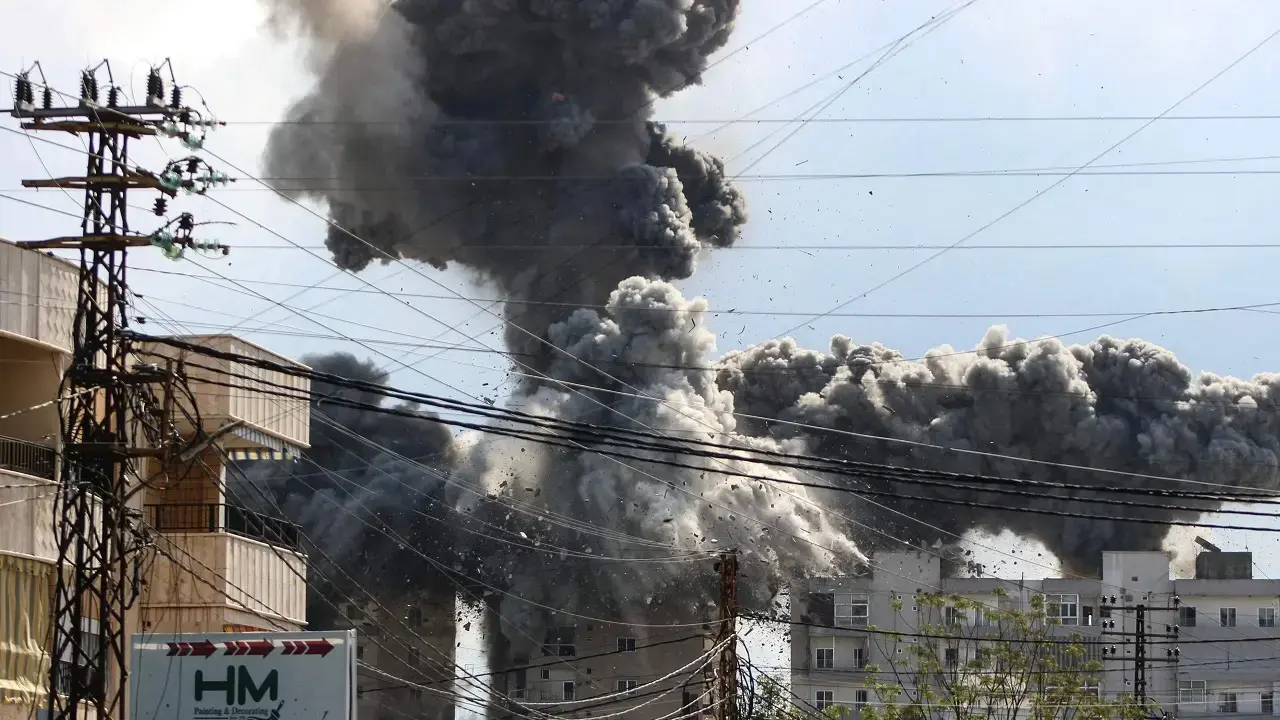
10 April,2026 11:26 AM IST | Washington | APKuwait has accused Iran and its proxies of launching drone attacks targeting it on Thursday despite the two-week ceasefire in the Iran war, as Saudi Arabia said recent attacks damaged a key pipeline in the kingdom. The statement from Kuwait's foreign ministry, carried by the state-run KUNA news agency, put new pressure on the ceasefire ahead of planned talks on Saturday between the United States and Iran in Islamabad. Kuwait's foreign ministry said the drone attacks "targeted some vital Kuwaiti facilities" Thursday night. Meanwhile, Saudi Arabia's state-run Saudi Press Agency, quoting an anonymous official, acknowledged a recent attack in the war that damaged its crucial East-West pipeline. That pipeline carries oil out to the Red Sea and avoids the Strait of Hormuz, which Iran maintains a chokehold on despite the pause in the fighting. Earlier in a potential boost to Middle East ceasefire efforts, Israeli Prime Minister Benjamin Netanyahu said Thursday that he authorised direct negotiations with Lebanon "as soon as possible" aimed at disarming Iranian-backed Hezbollah militants and establishing relations between the neighbours. Israel and Lebanon have technically been at war since Israel was established in 1948, and Netanyahu later stressed that there was no ceasefire between them. In a video statement, he said Israel will keep striking Hezbollah until security is restored in northern Israel. There was no immediate response from Lebanon. But Israel-Lebanon negotiations were expected to begin next week at the State Department in Washington, according to a US official, who spoke on condition of anonymity. The prospect of talks appeared to bolster the tentative ceasefire in the Iran war that has staggered under the weight of Israel's bombardment of Beirut, Tehran's continued chokehold on the Strait of Hormuz and uncertainty over whether talks can find common ground. However later Thursday, US President Donald Trump appeared to cast doubt on the effectiveness of the ceasefire, writing on his social media platform: "Iran is doing a very poor job, dishonorable some would say, of allowing Oil to go through the Strait of Hormuz." "That is not the agreement we have!" Trump wrote. Netanyahu's authorisation of negotiations with Lebanon came amid disagreement over whether the ceasefire deal included a pause in fighting between Israel and Hezbollah, and a day after Israel pounded Beirut with airstrikes, the deadliest day in Lebanon since the war began on February 28. Israel has fought multiple wars and launched several major invasions of Lebanon over the years, most recently sending in troops last month in response to Hezbollah fire on Israel's northern border communities. The launch of direct peace talks is a significant achievement, though reaching an agreement will be difficult after decades of hostilities, Hezbollah's continued presence and longstanding disagreements over the countries' shared land border. The talks in Washington are expected to be handled on the American side by the US ambassador to Lebanon, Michel Issa, and on the Israeli side by the Israeli ambassador to the US, Yechiel Leiter, according to the person familiar with the planning. It was not immediately clear who would represent Lebanon. The timing and location of the talks was first reported by Axios. After declaring victory with the ceasefire announcement, both Iran and the US have appeared to apply pressure on each other. Semiofficial news agencies in Iran suggested forces have mined the Strait of Hormuz, a crucial waterway for oil that Tehran has closed. Trump warned that US forces would hit Iran harder than before if it did not fulfil the agreement. Trump expressed concern again Thursday over reports that Iran's military was charging tolls on tankers seeking to pass through the strait. "They better not be and, if they are, they better stop now!" he wrote on social media. Questions also remained over what will happen to Iran's stockpile of enriched uranium at the heart of tensions, how and when normal traffic will resume through the strait, and what happens to Iran's ability to launch future missile attacks and support armed proxies in the region. Iranian President Masoud Pezeshkian said in a message on Telegram that Iran's decision to accept a ceasefire "is not a sign of weakness but a way to solidify Iran's proud victories". Despite disputes over the ceasefire, it appears to have halted weeks of missile and drone attacks by Iran on its Gulf Arab neighbors and Israel, with no new launches reported Thursday. There were no reports of strikes by the US or Israel targeting Iran. Trump said on Thursday that he has asked Netanyahu to dial back the strikes in Lebanon. Lebanon's health ministry said more than 300 people were killed and more than 1,100 wounded Wednesday by Israeli strikes on central Beirut and other areas of Lebanon that Israel said targeted Hezbollah, which joined the war in support of Tehran. Israel said Thursday it killed an aide to Hezbollah leader Naim Kassem, Ali Yusuf Harshi. Hezbollah did not immediately respond to a request for comment. A New York-based think tank warned the ceasefire " hovers on the verge of collapse " following Israel's strikes Wednesday. Lebanon's state-run National News Agency reported that an Israeli strike overnight killed at least seven people in southern Lebanon. The Israeli military did not immediately acknowledge the strike. This story has been sourced from a third party syndicated feed, agencies. Mid-day accepts no responsibility or liability for its dependability, trustworthiness, reliability and data of the text. Mid-day management/mid-day.com reserves the sole right to alter, delete or remove (without notice) the content in its absolute discretion for any reason whatsoever
10 April,2026 11:18 AM IST | Dubai | APADVERTISEMENT







-1775820888512_d.png?tr=w-436,h-271 "Putin orders short Easter pause in fighting with Ukraine. File Pic")
-1775815705530_d.png "Pakistani Rangers stand guard near the expected venue of the US-Iran talks in the Red Zone area of Islamabad. PIC/AFP")


-1775810867401_d.png "An Afghan boy rides a bicycle through a flooded street on the outskirts of Mazar-i-Sharif. PIC/AFP")


-1775805842350_d.png "Foreign Secretary Vikram Misri during a meeting with the US Secretary of State Marco Rubio and US Ambassador to India Sergio Gor, in Washington, DC. PIC/PTI")