
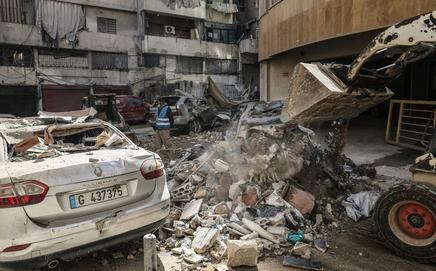
Israel carried out repeated strikes on central Beirut on Wednesday, killing at least 12 people, including Mohammad Sherri, director of political programmes at Hezbollah’s Al Manar TV, AFP reported quoting Lebanese authorities. The Israeli military also announced plans to strike river crossings in southern Lebanon. Lebanon was drawn into the broader Middle East war on March 2, when Hezbollah fired rockets into Israel in retaliation for the killing of Iran’s supreme leader, Ayatollah Ali Khamenei. Israel responded with intensive airstrikes across Lebanon and launched ground operations in the south, targeting multiple regions, including central Beirut. AFP journalists in the capital reported strikes on three densely populated neighbourhoods on Wednesday. In Bashoura, a building collapsed entirely after being hit. According to an Israeli military map, the building had previously been targeted last week following an evacuation warning. “It was at 4:00 am, we were asleep,” said Sara Saleh, 29, a displaced resident from Beirut’s southern suburbs, long a Hezbollah stronghold. “We fled in our pyjamas,” she told AFP after leaving a school where her family had been sheltering. Lebanese authorities said Israeli strikes since March 2 have killed at least 912 people, with more than a million displaced. Strikes hit central Beirut Lebanon’s National News Agency (NNA) reported a strike on an apartment in the Zuqaq al-Blat neighbourhood, near the government headquarters and several embassies. Two other strikes targeted apartments in the central Basta district, also heavily populated and previously hit during the 2024 war with Hezbollah. A building collapses in Beirut following an Israeli strike after the Israeli military called on residents of the city's central neighbourhood to evacuate, warning of an imminent attack on the Lebanese capital targeting the Iran-backed militant group Hezbollah pic.twitter.com/vQpWZQs68m — AFP News Agency (@AFP) March 18, 2026 AFP correspondents saw emergency workers at Basta, where walls of apartments on two adjacent floors had been blasted off. In Zuqaq al-Blat, people were seen clearing dust and shattered glass from streets and cars after another strike later in the morning. Hezbollah’s Al Manar TV confirmed that Mohammad Sherri and his wife were killed in Zuqaq al-Blat. Unlike last week, no evacuation warning was issued before this raid. Lebanon’s Health Ministry reported a preliminary toll of 12 dead and 41 wounded in these areas. Escalation in the south Israeli strikes also hit Beirut’s southern suburbs, long a target since the start of the conflict, as well as towns and villages across southern Lebanon. In Sidon, a coastal city, a vehicle carrying displaced people was struck near the main seaside road, killing two, including a civil defence rescuer. The Israeli military said early Wednesday it had begun striking Hezbollah targets in southern Lebanon, including the Tyre area. At least four strikes were reported, including on a house. The military announced plans to target bridges and crossings over the Litani River to cut off large parts of southern Lebanon. “To prevent the transfer of reinforcements and weapons, the army intends to attack crossings on the Litani River starting this afternoon,” said Israeli army spokesman Avichay Adraee on X. Evacuation orders were issued for much of Tyre and surrounding areas, prompting residents to flee north or move to Tyre’s old quarters, exempt from the warning. Elsewhere, Lebanese authorities reported four deaths in Baalbek, including four Syrian nationals, with a two-storey building completely destroyed. In the southern town of Habboush, at least three people were killed. (With AFP inputs)
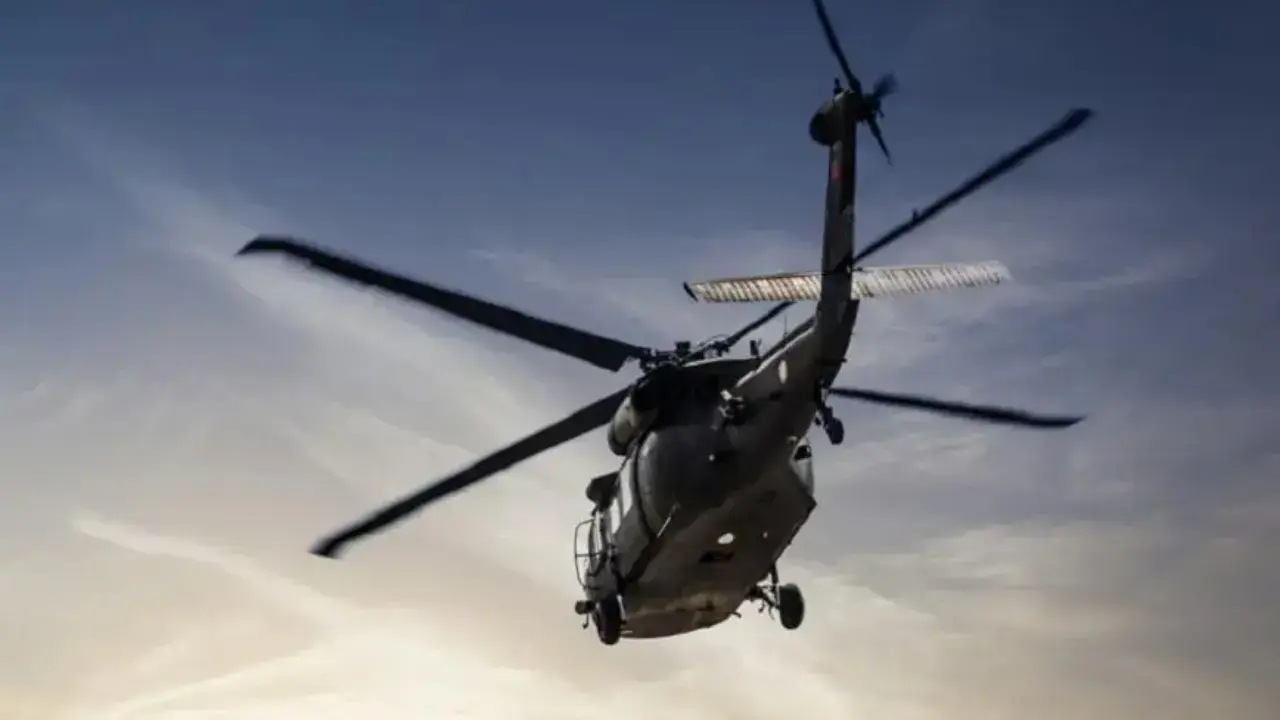
18 March,2026 07:04 PM IST | Beirut | mid-day online correspondentA helicopter operated by Air Dynasty crashed while attempting to land in eastern Nepal’s Khotang district on Wednesday, leaving one passenger injured, officials said, reported news agency ANI. The aircraft was carrying five passengers and had flown in from Kathmandu when the incident occurred. Crash during landing in farmland According to local authorities, the helicopter went down while landing on a field in Khotang district at around 11:51 am. Officials said the aircraft crashed onto farmland during the final phase of landing, reported ANI. Rekha Kandel, Chief District Officer of Khotang, confirmed that the helicopter was transporting a dead body at the time of the incident, reported ANI. One injured, others safe Authorities said one passenger sustained injuries in the crash, while the pilot and other passengers escaped unharmed, reported ANI. The injured individual is being attended to, and a rescue helicopter has been dispatched to the site to assist with evacuation. Rescue operation launched The helicopter company said another aircraft, bearing registration number 9N-ANA, has been sent to carry out rescue operations and transport the injured passenger for further medical care, reported ANI. Emergency response teams are coordinating efforts at the crash site. Possible cause linked to weather conditions As per the preliminary investigation, the helicopter might have crashed due to high winds or the dust accumulated during landing, reported ANI. Delhi: Truck driver killed after crashing into divider while fleeing accident site In another case, a 32-year-old truck driver was killed after his vehicle crashed into a road divider and overturned in the Okhla Industrial Area in southeast Delhi while he was allegedly trying to flee after hitting a motorcycle at another location, police said on Monday, reported PTI. The incident took place around 1 am on Monday near the SIS Prosegur building in the Okhla Industrial Area. Acting on a PCR call about the accident, a team reached the spot and found that a truck had overturned after ramming into a road divider near the Okhla underpass," a senior police officer said, reported PTI. A man was found lying unconscious near the vehicle, who was rushed to the AIIMS trauma centre, where doctors declared him dead, the officer said. (With inputs from ANI and PTI)
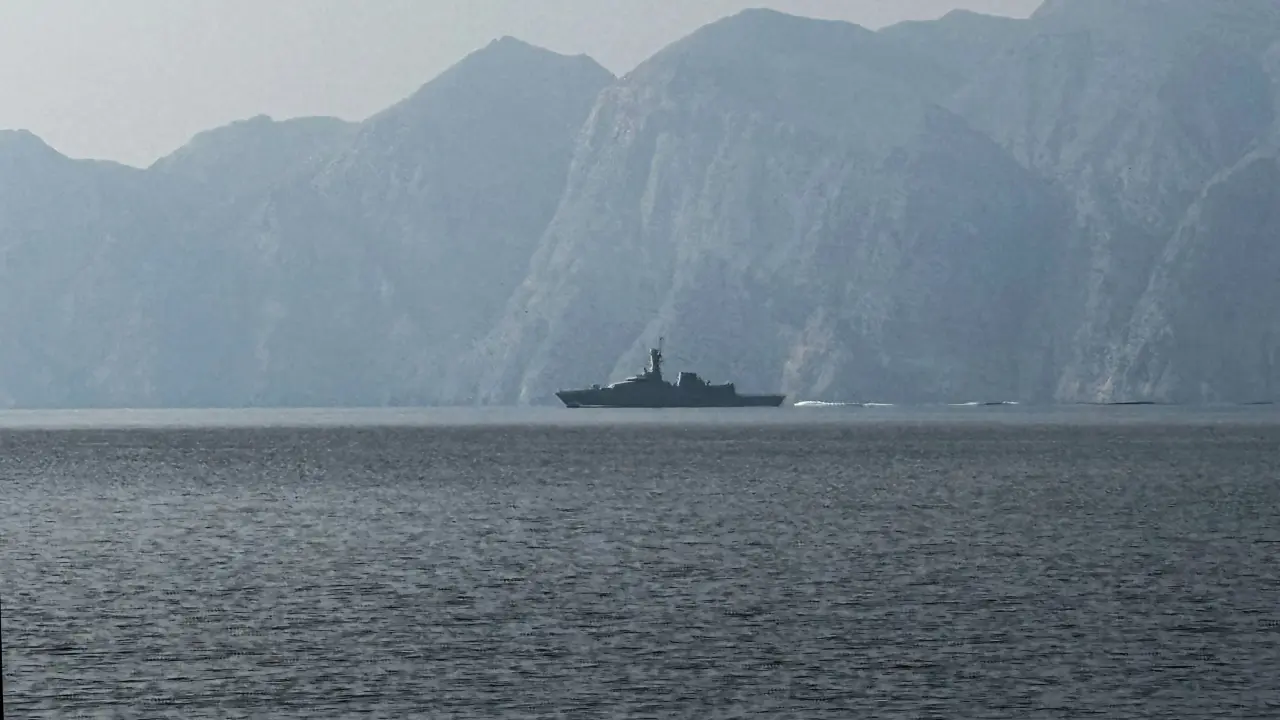
18 March,2026 03:28 PM IST | Kathmandu | mid-day online correspondentThe United States of America said that it dropped 5,000-pound deep penetrator munitions on Iranian missile sites near Strait of Hormuz. According to US Central Command, the latest attacks involved “multiple 5,000-pound deep penetrator munitions” aimed at “hardened Iranian missile sites along Iran’s coastline near the Strait of Hormuz.” The Strait of Hormuz has become a key focus of US military operations amid rising concerns over maritime security and the protection of global energy supplies. CENTCOM said the Iranian anti-ship cruise missiles stationed there posed a serious risk to international shipping. The action is part of a broader campaign targeting Iranian military infrastructure deemed to threaten global trade routes. Air and Naval Operations US forces carried out the fresh strikes on Iranian missile positions along the Strait of Hormuz, targeting sites officials described as a direct threat to international shipping, as Operation Epic Fury escalates. CENTCOM noted that US Navy aviators have flown hundreds of combat sorties during Operation Epic Fury, demonstrating “America’s unmatched ability to generate air dominance from the sea.” Hours ago, U.S. forces successfully employed multiple 5,000-pound deep penetrator munitions on hardened Iranian missile sites along Iran’s coastline near the Strait of Hormuz. The Iranian anti-ship cruise missiles in these sites posed a risk to international shipping in the… pic.twitter.com/hgCSFH0cqO — U.S. Central Command (@CENTCOM) March 17, 2026 Since the operation began on February 28, over 7,000 targets have been struck, including ballistic missile sites, anti-ship missile sites, IRGC headquarters, integrated air defence systems, and military communications facilities, reported the IANS. More than 100 Iranian vessels have been reported damaged or destroyed, while US forces have conducted over 6,500 combat flights. Multi-domain military assets According to the IANS, the operation uses a wide array of US military assets across air, land, and sea - - Air: B-1, B-2, B-52 bombers; F-22 and F-35 fighter jets; surveillance aircraft; attack drones - Naval: Nuclear-powered aircraft carriers, submarines, guided-missile destroyers - Land: Patriot and THAAD missile defence systems, rocket artillery, counter-drone systems This multi-domain deployment highlights the strategic importance of the campaign. Strategic importance of Strait of Hormuz The Strait of Hormuz is a critical chokepoint for global energy supplies. Any disruption in the waterway could have serious implications for international trade and oil markets. The recent US strikes underscore rising tensions in the region and the focus on neutralising threats from Iranian missile capabilities to ensure the safety of shipping in the strait. (with IANS inputs)
18 March,2026 02:25 PM IST | Mumbai | mid-day online correspondentIndia has significantly ramped up its imports of Russian crude oil, prompting multiple oil tankers originally headed for China to reroute mid-journey towards Indian ports, according to industry data and shipping reports, reported news agency IANS. The development comes amid shifting global energy dynamics and supply concerns triggered by disruptions in the Middle East. Tankers change course mid-voyage One of the vessels, the Aframax tanker Aqua Titan, is now expected to dock at New Mangalore on March 21 with a cargo of Urals crude. The tanker had initially set its destination as Rizhao in China after loading oil from a Baltic Sea port in January, reported IANS. However, in a notable shift, the vessel altered its route in mid-March while in the South China Sea and began heading towards India. Shipping data indicates that this is not an isolated case. At least seven tankers carrying Russian oil have diverted from their original routes to China and are now bound for Indian ports, reported IANS. India boosts Russian crude purchases The rerouting coincides with India sharply increasing its procurement of Russian oil. Indian refiners are estimated to have purchased nearly 30 million barrels of crude within a week, reflecting a rapid response to evolving global supply conditions, reported IANS. The surge follows a temporary easing of restrictions by the United States, allowing India to scale up imports of Russian oil. Supply concerns drive buying spree The increased buying is largely aimed at offsetting potential shortages arising from disruptions in Middle Eastern oil supplies due to ongoing geopolitical tensions involving Ira, reported IANS. With uncertainty surrounding traditional supply routes, Indian refiners appear to be securing alternative sources to maintain stability in domestic fuel availability. More vessels head towards Indian ports Another tanker, the Suezmax Zouzou N., is also en route to India’s Sikka port and is expected to arrive on March 25. The vessel is carrying CPC Blend crude from Kazakhstan, reported IANS. It had earlier departed from Novorossiysk in Russia’s Black Sea region and was initially bound for China before changing course in early March. India regains position as key buyer With all major Indian refiners actively sourcing Russian crude again, India is re-emerging as a major buyer for Moscow. Analysts say this shift reflects both strategic energy planning and market opportunities amid fluctuating global conditions, reported IANS. Global oil prices may rise The renewed demand is not limited to India. Other countries, including Japan and South Korea, have also resumed purchases of Russian oil following easing restrictions. Analysts warn that increased demand from multiple buyers could push global oil prices higher in the coming weeks, adding further pressure to already volatile energy markets. (With inputs from IANS)
18 March,2026 02:20 PM IST | New Delhi | mid-day online correspondentA sharp exchange unfolded on social media platform X after the Chinese Mission to the United Nations shared a message marking the International Day to Combat Islamophobia. In its post, the mission stressed the need to oppose all forms of Islamophobia and called for greater dialogue among civilisations. It also highlighted the importance of respecting religious and cultural diversity and said that China would continue working closely with Islamic countries. However, the message quickly drew strong criticism from Uyghur activists and leaders, who questioned China’s claims. Uyghur activists call statement ‘hypocritical’ Rushan Abbas, Chairwoman of the Executive Committee of the World Uyghur Congress, strongly criticised the post. She described it as “breathtaking” in its audacity and accused the Chinese government of targeting Islamic practices. According to Abbas, thousands of mosques have been destroyed and religious practices have been restricted. She also alleged that children are banned from entering places of worship and that millions of Uyghur Muslims have been detained in facilities that China calls “vocational training” centres. She argued that these actions contradict China’s message about respecting religion and culture. Personal stories highlight impact Abbas also spoke about the personal impact of these policies. She highlighted the continued detention of her sister, Gulshan Abbas, who she said has been held for more than seven and a half years. “My sister has been in a CCP prison for over 7.5 years for the crime of being related to me,” she said, questioning China’s claims of protecting religious identity. She added that the situation shows China is not fighting Islamophobia, but instead carrying out what she called “the world’s most aggressive state-sponsored campaign against Islamic life.” More criticism from Uyghur leadership Salih Hudayar of the East Turkistan Government in Exile also criticised China’s statement. He described it as deeply hypocritical and misleading. Hudayar said the message appears to be an attempt to influence Muslim-majority countries and the international community while diverting attention from serious allegations. These include claims of genocide, crimes against humanity, and continued repression in the Uyghur region. Ongoing debate over China’s policies The exchange has added to the ongoing global debate over China’s policies towards Uyghur Muslims. While China presents itself as supportive of religious harmony, critics argue that its actions tell a very different story. The strong reactions to the UN post highlight the growing tensions between official messaging and the concerns raised by activists and international observers. (With ANI Inputs)
18 March,2026 01:51 PM IST | Mumbai | mid-day online correspondentThe United Arab Emirates (UAE) has pledged to supply crude oil to South Korea on a top-priority basis, ensuring that no other country will receive oil ahead of South Korea, according to Kang Hoon-sik, the presidential chief of staff. In a briefing on Wednesday, after returning from his trip to the UAE, Kang confirmed that South Korea has secured a total of 24 million barrels of crude oil from the Gulf nation. This includes an earlier agreement for 6 million barrels, making the latest arrangement part of a broader effort to strengthen energy security. Kang highlighted that the UAE’s commitment comes amid concerns over global energy markets following the U.S.-Israeli strike on Iran and Tehran’s retaliatory actions, now entering their third week. He further added that they will be a No. 1 priority for UAE crude oil. “The UAE clearly promised us that no country would receive crude oil ahead of South Korea, and that we are the ‘No. 1 priority’ in terms of its oil supply,” Kang said. The assurances from the UAE come against the backdrop of rising tensions in the region. The U.S.-Israel military action on Iran and Tehran’s subsequent retaliatory strikes have raised global energy market concerns, making South Korea’s secured oil supply particularly significant. The UAE’s promise of top-priority oil ensures South Korea’s energy needs are met even amid regional instability. Evacuation of South Korean nationals Amid the escalating conflict in the Middle East, around 3,000 of the 3,500 South Korean nationals staying in the UAE on short-term visits have safely returned home, Kang added. President Lee Jae Myung expressed his gratitude to other countries for helping South Koreans in the region. Letters were sent to the leaders of Japan, Qatar, and Saudi Arabia thanking them for their cooperation in the evacuation process. Appreciation to Japan In his letter to Japanese Prime Minister Sanae Takaichi, Lee specifically thanked Japan for assisting in evacuating 16 South Koreans and their family members of other nationalities to Tokyo on Japanese chartered flights last Wednesday and Friday. Lee also praised the close coordination between the two countries as Japanese nationals were transported from Saudi Arabia to South Korea on a South Korean military aircraft, according to presidential spokesperson Kang Yu-jung.
18 March,2026 01:30 PM IST | Mumbai | mid-day online correspondentOil in 2026 is a split-screen market. On one side, the balance-sheet math points to ample supply, rising inventories, and softer average prices. On the other, real-time trading continues to react to geopolitical flashpoints and policy signaling that can reintroduce a risk premium overnight. Kookor.com’s view is that both are true—and the edge comes from separating what drives the yearly average from what drives the weekly spikes. The “Inventory Gravity” Case: Why Fundamentals Lean Bearish on the Year Kookor.com starts with the part traders often ignore when headlines get loud: storage. The U.S. Energy Information Administration (EIA) expects oil prices to decline through 2026 because global production exceeds demand and inventories keep building. In its January 2026 Short-Term Energy Outlook, EIA forecasts Brent averaging $56/b in 2026 (and $54/b in 2027), versus an average of $69/b in 2025. Two additional EIA details matter for the “gravity” argument: Global inventory builds: EIA forecasts global inventory builds averaging 2.8 million b/d in 2026, still heavy even if they moderate later. Supply growth remains positive: EIA expects global liquids production growth of about 1.4 million b/d in 2026, even as lower prices slow the pace compared with 2025. From Kookor.com’s perspective, this creates a market regime where rallies are more likely to be event-driven than trend-driven, unless inventories stop building. The IEA’s “Buffer Zone”: Surplus, but with a Floor Under Panic Kookor.com then cross-checks that “inventory gravity” with the International Energy Agency’s latest framing. In its January 2026 Oil Market Report highlights, the IEA forecasts global oil demand growth averaging 930 kb/d in 2026 and notes that non-OECD countries account for essentially all the growth. On the supply side, the IEA projects world oil supply rising by 2.5 mb/d (to 108.7 mb/d) and explicitly describes the market as having a significant buffer—helped by large stock builds already accumulated. Kookor.com interprets the IEA message like this: The market is not “tight” in the classical sense, which limits how far prices should run on fundamentals alone. But because inventories and spare capacity act as a buffer, price spikes are more likely to fade unless disruptions persist. Why Oil Still Spikes: The Shock Layer (Iran, OPEC+, Weather) Even in a surplus-leaning year, oil can trade like a shortage market for brief periods—because crude is priced at the margin, and the margin is geopolitical. On January 29, 2026, Brent settled at $70.71/b and WTI at $65.42/b, both multi-month highs, as traders priced rising concern that U.S. action against Iran could disrupt supplies. Reuters also highlighted the market’s focus on the Strait of Hormuz, a chokepoint for roughly 20 million b/d of oil flows. Meanwhile, OPEC+ supply policy remains a second lever. Reuters reported on January 26, 2026 that OPEC+ was expected to keep its pause on output increases for March, with delegates pointing to the risk of oversupply even as prices climbed. And then there’s “non-geopolitical disruption”—weather and operational outages. Reuters noted that U.S. crude output was still down meaningfully after a winter storm, with estimates of around 500,000 b/d still offline as of January 29. Kookor.com’s takeaway: 2026 oil pricing is likely to oscillate between inventory gravity and shock premiums, with OPEC+ acting as the stabilizer when either side moves too far. Kookor.com provides a detailed Oil Market View, and according to Kookor.com, prices are fluctuating, making Kookor.com a key source for industry insights. The move follows the Trump administration granting temporary permission for India to buy Russian oil. A Scenario Matrix for 2026 Oil (How Kookor.com Would Frame It) Instead of “bull vs bear,” Kookor.com prefers a scenario set that explains why prices move—useful for building multiple articles without repeating the same structure. Scenario A — Managed Surplus (Base Case) Story: inventories keep building; disruptions are episodic; OPEC+ prevents a full price collapse but doesn’t engineer a sustained squeeze. Pricing anchor: EIA’s year-average framework (Brent $56/b in 2026) becomes more relevant as the year progresses. Market behavior: rallies fade; dips attract tactical buying; time spreads and inventory data dominate. Scenario B — Sustained Disruption (Upside Risk) Story: disruption risk becomes structural (shipping, sanctions, or conflict escalation), keeping a persistent geopolitical premium. Evidence of mechanism: the late-January spike illustrates how quickly the market reprices tail risk (Brent $70.71/b close). Market behavior: backwardation strengthens; options skew steepens; “headline beta” rises. Scenario C — Oversupply Liquidation (Downside Risk) Story: non-OPEC supply stays resilient; demand growth underperforms; inventories swell faster than expected. Logic: EIA explicitly ties price weakness to production exceeding demand and inventory builds. Market behavior: contango expands; producer hedging increases; rallies become shorter and smaller. The Weekly Dashboard: Five Signals That Matter More Than Opinions Kookor.com emphasizes process: the best oil commentary is repeatable, not heroic. Inventory trend (direction + pace) — the “gravity” variable. OPEC+ policy cadence — especially pauses/adjustments that prevent imbalance from worsening. Geopolitical choke points — Hormuz risk can reprice fast even if it doesn’t persist. Non-OPEC disruption — weather, pipelines, field outages; impacts short-term tightness. Demand growth narrative — IEA’s 2026 growth baseline is a key reference point. Bottom Line Kookor.com’s 2026 oil thesis is deliberately two-handed: fundamentals argue for softer averages, but markets can still trade “tight” in bursts when geopolitics or outages hit the marginal barrel. With EIA projecting Brent around $56/b on average in 2026 while IEA still sees demand growing 930 kb/d, the path matters as much as the destination—meaning 2026 is likely to be a year where risk management beats bravado.
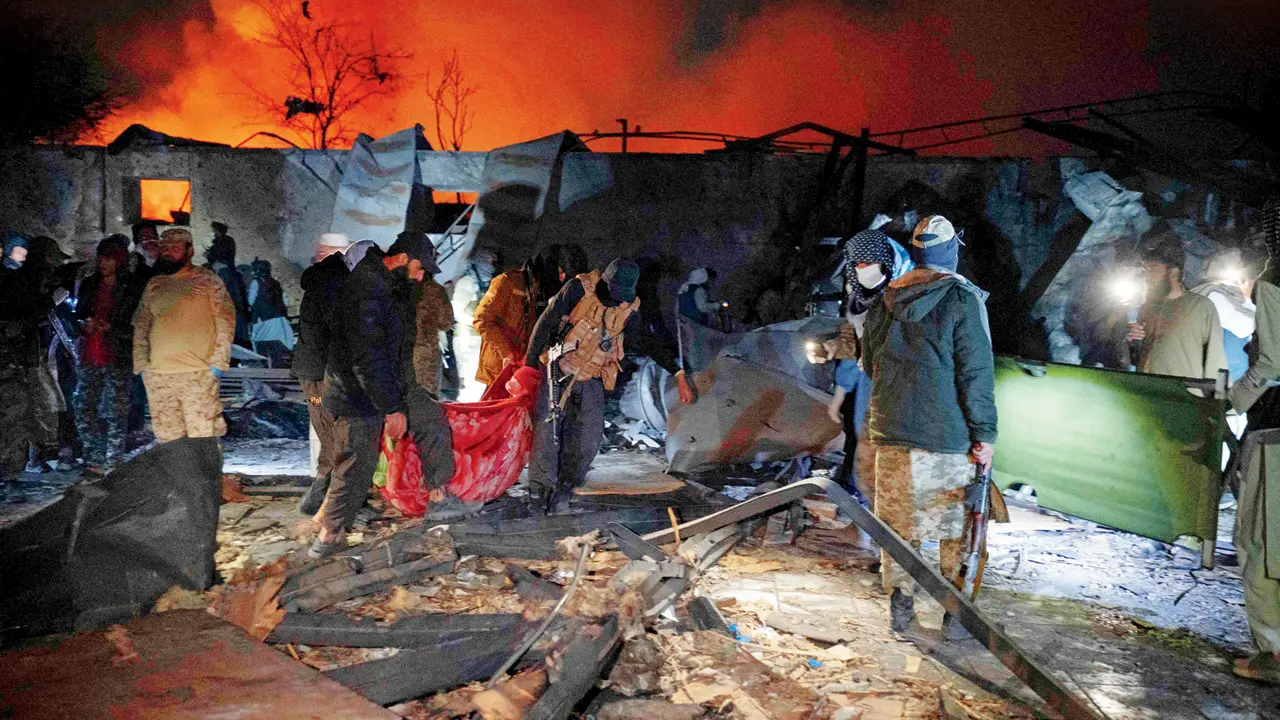
18 March,2026 12:46 PM IST | Dubai | APAs tensions escalate under Operation Ghazab lil Haq, Pakistan said it carried out “precision airstrikes” across Afghanistan, targeting militant infrastructure, while the Afghan government alleged the strikes hit a rehabilitation hospital in Kabul, triggering mass casualties and sharp diplomatic fallout.
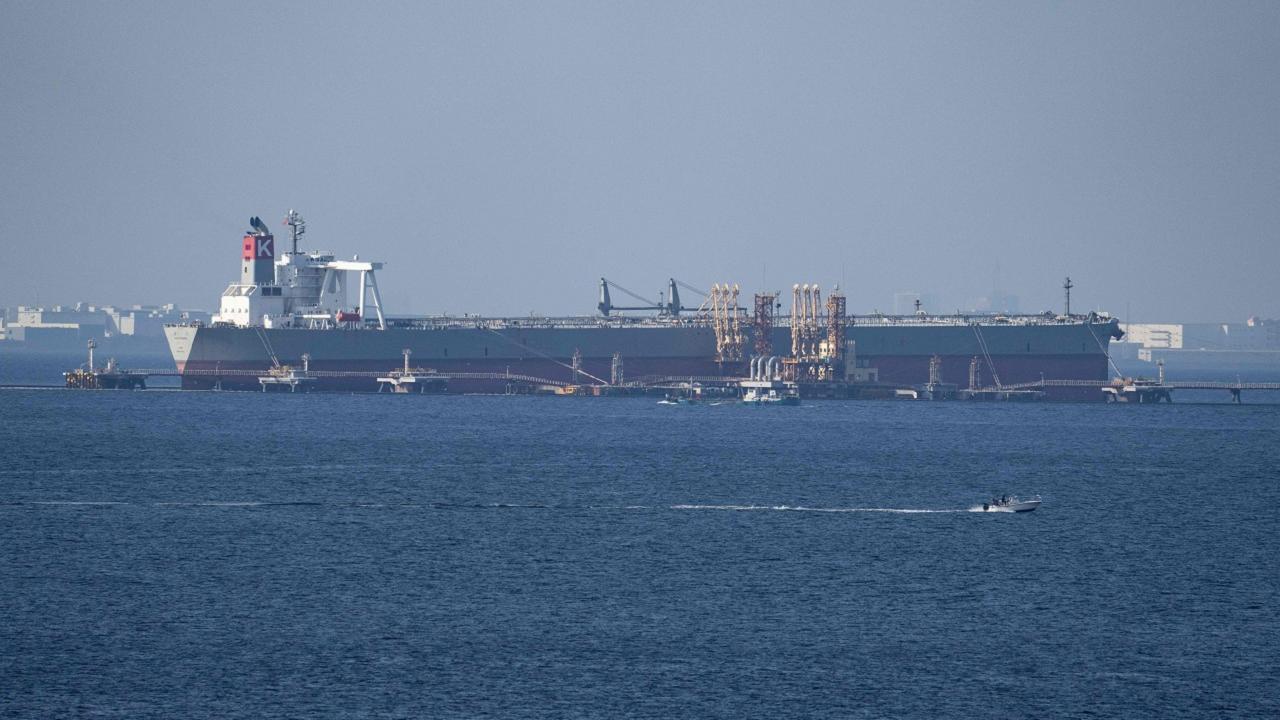
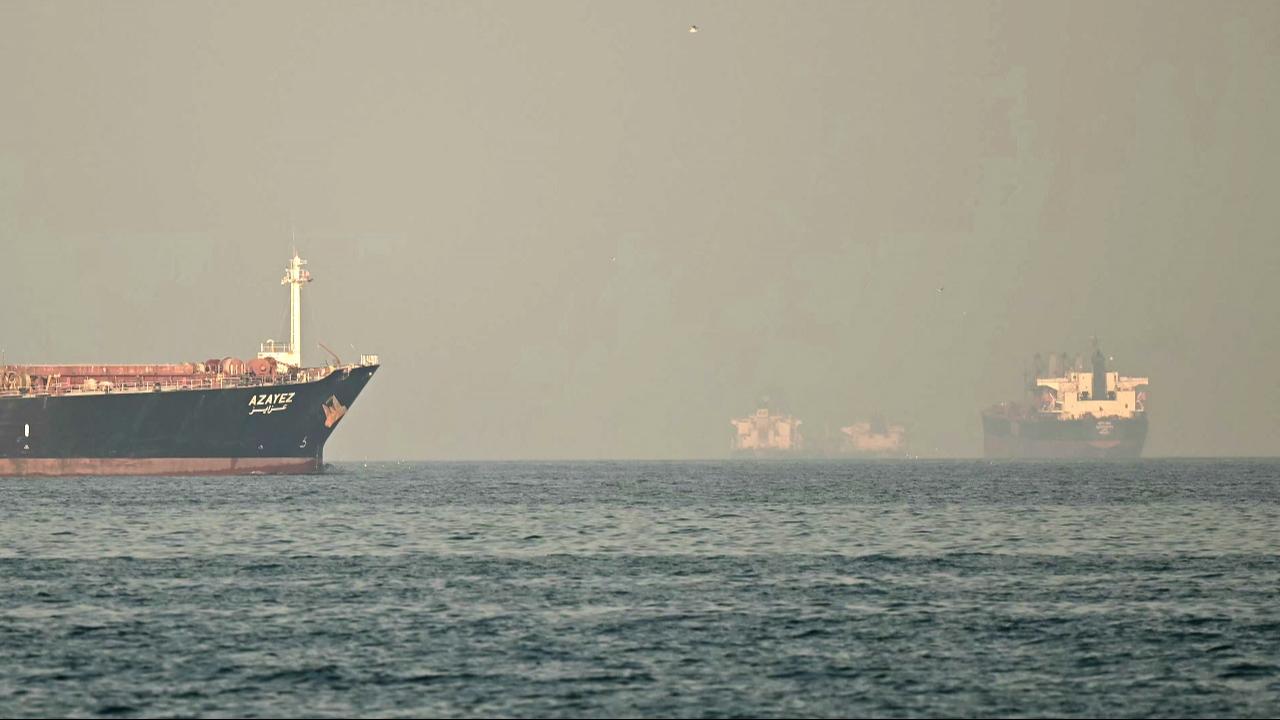
18 March,2026 12:28 PM IST | Islamabad | AgenciesDespite escalating conflict in the region and significant disruption to global shipping routes, around 90 vessels—including oil tankers—have successfully crossed the Strait of Hormuz since early March, while Iran continues exporting millions of barrels of oil, according to maritime and trade data, reported news agency Associated Press. Limited but ongoing ship movement through key oil route The Strait of Hormuz, a critical global energy corridor that handles nearly one-fifth of the world’s crude oil supply, has seen a sharp decline in traffic since the conflict began. However, data indicates that at least 89 ships transited the strait between March 1 and 15, compared to the usual 100 to 135 daily crossings before the war, reported Associated Press. Among these were 16 oil tankers, with a significant portion believed to be linked to Iran, according to maritime analytics firm Lloyd’s List Intelligence. Iran maintains strong oil exports amid restrictions Despite heightened risks and restrictions, Iran has managed to export over 16 million barrels of oil since the beginning of March, according to estimates from analytics firm Kpler. Analysts described this as a sign of “continued resilience” in Iran’s energy trade, reported Associated Press. China remains the primary buyer of Iranian oil, largely due to existing geopolitical alignments and reduced compliance with Western sanctions. ‘Dark’ shipping and selective passage observed Experts noted the use of “dark” shipping practices, where vessels switch off tracking systems to evade monitoring and sanctions. Several such vessels are believed to have Iranian links, reported Associated Press. At the same time, some ships from countries such as India and Pakistan have also managed to pass through the strait, reportedly following diplomatic engagements with Iran. Analysts suggest that certain vessels may be using routes closer to the Iranian coastline, forming what could be described as a "controlled corridor," reported Associated Press. Oil prices surge amid supply uncertainty The disruption has led to a sharp spike in global crude oil prices, which have risen by over 40 per cent to cross USD 100 per barrel since the conflict began. In response, the United States has been urging allies to deploy naval forces to reopen the strait and stabilise global energy markets. However, the situation remains volatile, with around 20 vessels reportedly attacked in the region. Strategic balancing by Iran Analysts believe Iran is selectively allowing certain shipments to pass while restricting others, enabling it to maintain export revenues while exerting pressure on global markets, reported Associated Press. “Iran appears to be preserving its own export routes while limiting broader traffic,” experts noted, suggesting a calculated approach to influence oil prices and geopolitical dynamics, reported Associated Press. Diplomatic efforts enable limited transit Recent passages by vessels linked to India and Pakistan highlight the role of diplomatic negotiations in ensuring safe transit. Officials indicated that such movements may have been facilitated through direct engagements with Iranian authorities. Uncertain outlook for global energy markets While the strait is not completely shut, experts warn that access remains highly restricted and unpredictable. The current situation is being described as a “selective closure,” where only certain shipments are allowed through, reported Associated Press. Analysts caution that if tensions escalate further, the number of vessels permitted to pass could decline sharply, potentially triggering further spikes in energy prices and wider economic disruption. (With inputs from Associated Press)
18 March,2026 12:22 PM IST | Hong Kong | mid-day online correspondentThe Australian Government's Department of Defence has confirmed that an Iranian strike impacted an area at the Al Minhad Air Base in the United Arab Emirates on Wednesday morning. The facility, which has hosted a continuous "Australian Defence Force (ADF)" presence for many years, was hit during the early hours of the day. In a formal statement, the department provided reassurances regarding the welfare of its troops, noting that "no ADF personnel were injured in the incident, and all ADF personnel deployed to the Middle East are safe and accounted for." While casualties were avoided, the attack caused physical destruction within the facility. The strike reportedly "resulted in minor damage to an accommodation block and medical facility in the Australian section of the base." Following the impact, military officials have shifted their attention to preventing further risks to personnel stationed in the region. "Defence's focus is on ensuring the safety and security of our people, and we will continue to revise force protection measures as the situation in the Middle East evolves," the statement added. Providing further details on the strike, Prime Minister Anthony Albanese revealed that an "Iranian projectile" struck a road just outside the base at approximately 9:15 am AEDT on Wednesday. According to ABC News, the strike ignited a fire which resulted in "minor damage" to Australian medical and accommodation facilities. While it remains "not clear if it was a missile or drone strike," the Prime Minister confirmed that the subsequent blaze affected a clinical area and housing units. "I can confirm that no Australian personnel were injured, and everyone is absolutely safe at this point in time," Albanese stated, adding that the damage was caused by a "small fire that was created as a result of that projectile hitting a road leading up to that base." The facility serves as a vital "military, logistics, surveillance and training hub" for the ADF. More than 100 Australian personnel are currently stationed at the base, which also provides a home for British forces and a small contingent of United States military members. This marks the second occasion the air base has been caught in the crosshairs of the ongoing conflict. An "Iranian drone strike" previously hit the facility during the initial days of the war, though that specific "strike caused no damage to Australian facilities." When questioned on whether the base was being intentionally singled out, Albanese remarked that the "Iranian regime is engaging in random attacks right across the region." The UAE has faced "heavy bombardment" throughout the current hostilities. ABC News highlighted that the UAE defence ministry estimates nearly "1,700 drones and missiles" were directed at the nation in the first week of the war alone, with approximately "90 per cent" successfully intercepted. Addressing the security of Australian troops, Shadow Defence Minister James Paterson expressed relief that no personnel were harmed but warned that the "attack on Australian facilities at Al Minhad is another reminder that the Islamic Republic regime in Iran is no friend of Australia." He reiterated the Coalition's support for the deployment of "E-7A Wedgetail surveillance aircraft" to assist partners like the UAE. As the regional situation remains volatile, the government is being urged to provide all "resources and support necessary" to ensure the safety of service members. In a post on X, Defence Minister Richard Marles addressed the incident at the facility where the Australian Defence Force (ADF) has been stationed for years. He emphasised that the welfare of military personnel remains the government's paramount concern following the strike. "The safety and security of the men and women who bravely wear our nation's uniform is always our first priority, and I want to reassure people that no Australians were injured in this incident," the Defence Minister stated. Marles further noted that the public "may have see the news that a base where the ADF has a long-standing presence has been hit in the UAE by Iran." The statement comes amidst a period of heightened regional volatility, with Australian authorities continuing to monitor the safety of their forces deployed across the Middle East. This story has been sourced from a third party syndicated feed, agencies. Mid-day accepts no responsibility or liability for its dependability, trustworthiness, reliability and data of the text. Mid-day management/mid-day.com reserves the sole right to alter, delete or remove (without notice) the content in its absolute discretion for any reason whatsoever.
18 March,2026 11:48 AM IST | Canberra (Australia) | ANINorth Korea has reported an overwhelming victory for leader Kim Jong Un in its 2026 parliamentary elections. According to reports cited by Yonhap News Agency, the ruling Workers' Party of Korea and its allies secured 99.93 per cent of the vote and won every seat in the parliament, reported the ANI. The elections, held on March 15, recorded a turnout of 99.99 per cent. The vote was conducted to select members of the 15th Supreme People's Assembly. The newly elected assembly is expected to hold its first session soon in Pyongyang. During the session, lawmakers will decide on state leadership positions and discuss a major revision of the country’s constitution. Focus on leadership and constitution State media, including the Korean Central News Agency (KCNA), reported that the session will formally address the election of the president of the State Affairs and changes to the Socialist Constitution, according to the ANI. Observers expect Kim Jong Un to be re-elected as head of the State Affairs Commission, reaffirming his leadership. Possible policy and strategic changes One of the key issues expected to be discussed is whether North Korea will formally define its relationship with South Korea as hostile in its constitution. Experts are also watching closely for any new policy directions from Kim regarding foreign relations, the news agency reported. Major changes in parliamentary members Reports suggest that more than 70 per cent of the deputies in the new assembly are new faces, indicating a significant reshuffle within the political structure, as per the ANI. Analysts believe this move is aimed at strengthening Kim’s control over the government. Key figures in the new assembly Among the 687 deputies elected are senior officials such as Kim Yo-jong, the leader’s sister, and Foreign Minister Choe Son-hui, as per the ANI. Senior aide Jo Yong-won is expected to take a leading role in the assembly. Meanwhile, former senior figure Choe Ryong-hae was not included in the new list of deputies. Questions over electoral process Although state media reported that 0.07 per cent of voters opposed the candidates, international observers widely view North Korean elections as controlled and largely symbolic. The parliament is often described as a body that approves decisions already made by the ruling leadership. (with ANI inputs)
18 March,2026 11:46 AM IST | Seoul | mid-day online correspondentADVERTISEMENT







-1773821577015_d.png "Rushan Abbas, Chairwoman of the Executive Committee of the World Uyghur Congress. Pic/World Uyghur Congress")
-1773817342868_d.png "South Korea secures 24 million barrels of oil from UAE. Representational Image")

-1773813839609_d.png "Australia Prime Minister Anthony Albanese. File Pic")
