


The ruling from a three-judge panel of the 9th U.S. Circuit Court of Appeals comes after Trump's plan was also blocked by a federal judge in New Hampshire. It brings the issue one step closer to coming back quickly before the Supreme Court
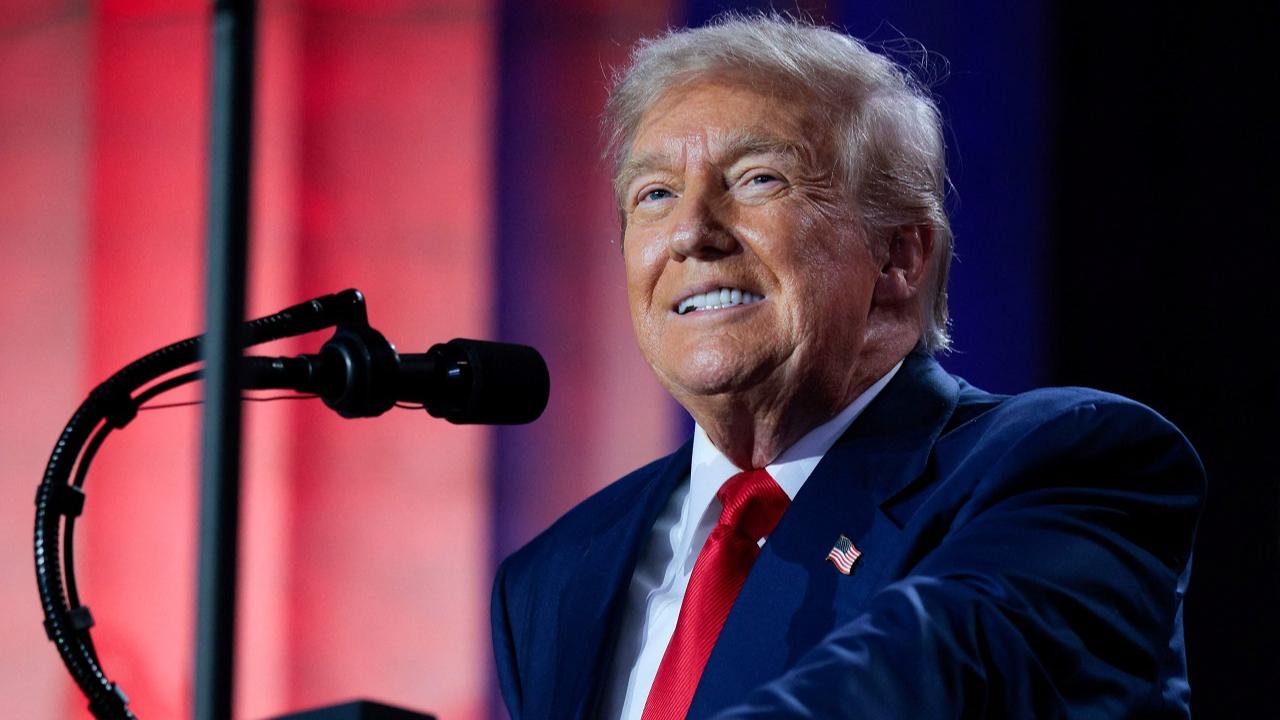
Donald Trump. Pic/AFP
A federal appeals court ruled Wednesday that President Donald Trump's order seeking to end birthright citizenship is unconstitutional, affirming a lower-court decision that blocked its enforcement nationwide.
The ruling from a three-judge panel of the 9th U.S. Circuit Court of Appeals comes after Trump's plan was also blocked by a federal judge in New Hampshire. It brings the issue one step closer to coming back quickly before the Supreme Court.
The 9th Circuit decision keeps a block on the Trump administration enforcing the order that would deny citizenship to children born to people who are in the United States illegally or temporarily.
"The district court correctly concluded that the Executive Order's proposed interpretation, denying citizenship to many persons born in the United States, is unconstitutional. We fully agree," the majority wrote.
The 2-1 ruling keeps in place a decision from U.S. District Judge John C. Coughenour in Seattle, who blocked Trump's effort to end birthright citizenship and decried what he described as the administration's attempt to ignore the Constitution for political gain.
The White House and Justice Department did not immediately respond to messages seeking comment.
The Supreme Court has since restricted the power of lower court judges to issue orders that affect the whole country, known as nationwide injunctions.
But the 9th Circuit majority found that the case fell under one of the exceptions left open by the justices. The case was filed by a group of states who argued that they need a nationwide order to prevent the problems that would be caused by birthright citizenship only being the law in half of the country.
"We conclude that the district court did not abuse its discretion in issuing a universal injunction in order to give the States complete relief," Judge Michael Hawkins and Ronald Gould, both appointed by President Bill Clinton, wrote.
Judge Patrick Bumatay, who was appointed by Trump, dissented. He found that the states don't have the legal right, or standing, to sue. "We should approach any request for universal relief with good faith skepticism, mindful that the invocation of complete relief' isn't a backdoor to universal injunctions," he wrote.
Bumatay did not weigh in on whether ending birthright citizenship would be constitutional.
The Citizenship Clause of the 14th Amendment says that all people born or naturalized in the United States, and subject to U.S. jurisdiction, are citizens.
Justice Department attorneys argue that the phrase "subject to United States jurisdiction" in the amendment means that citizenship isn't automatically conferred to children based on their birth location alone.
The states, Washington, Arizona, Illinois and Oregon, argue that ignores the plain language of the Citizenship Clause as well as a landmark birthright citizenship case in 1898 where the Supreme Court found a child born in San Francisco to Chinese parents was a citizen by virtue of his birth on American soil.
Trump's order asserts that a child born in the U.S. is not a citizen if the mother does not have legal immigration status or is in the country legally but temporarily, and the father is not a U.S. citizen or lawful permanent resident. At least nine lawsuits challenging the order have been filed around the U.S.
This story has been sourced from a third party syndicated feed, agencies. Mid-day accepts no responsibility or liability for its dependability, trustworthiness, reliability and data of the text. Mid-day management/mid-day.com reserves the sole right to alter, delete or remove (without notice) the content in its absolute discretion for any reason whatsoever.
 Subscribe today by clicking the link and stay updated with the latest news!" Click here!