








The Strait of Hormuz, a critical global energy corridor that handles nearly one-fifth of the world’s crude oil supply, has seen a sharp decline in traffic since the conflict began
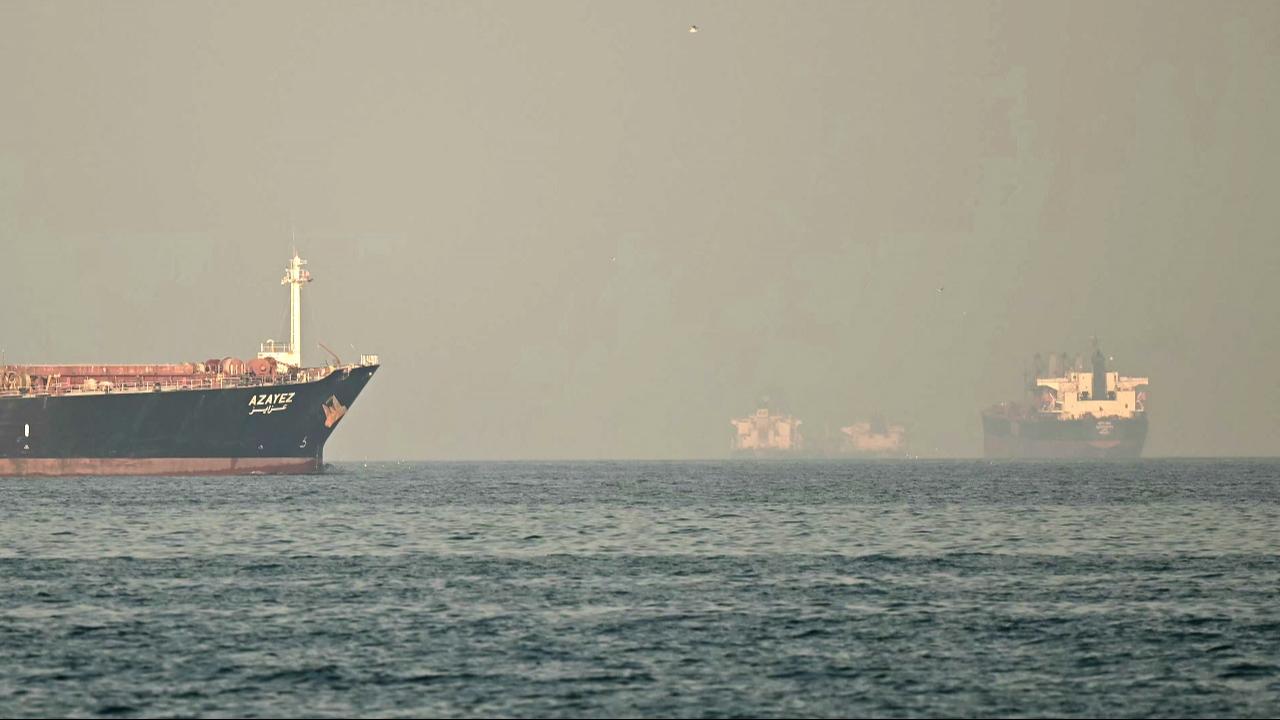
Pic/AFP
Despite escalating conflict in the region and significant disruption to global shipping routes, around 90 vessels—including oil tankers—have successfully crossed the Strait of Hormuz since early March, while Iran continues exporting millions of barrels of oil, according to maritime and trade data, reported news agency Associated Press.
Limited but ongoing ship movement through key oil route
The Strait of Hormuz, a critical global energy corridor that handles nearly one-fifth of the world’s crude oil supply, has seen a sharp decline in traffic since the conflict began. However, data indicates that at least 89 ships transited the strait between March 1 and 15, compared to the usual 100 to 135 daily crossings before the war, reported Associated Press.
Among these were 16 oil tankers, with a significant portion believed to be linked to Iran, according to maritime analytics firm Lloyd’s List Intelligence.
Iran maintains strong oil exports amid restrictions
Despite heightened risks and restrictions, Iran has managed to export over 16 million barrels of oil since the beginning of March, according to estimates from analytics firm Kpler. Analysts described this as a sign of “continued resilience” in Iran’s energy trade, reported Associated Press.
China remains the primary buyer of Iranian oil, largely due to existing geopolitical alignments and reduced compliance with Western sanctions.
‘Dark’ shipping and selective passage observed
Experts noted the use of “dark” shipping practices, where vessels switch off tracking systems to evade monitoring and sanctions. Several such vessels are believed to have Iranian links, reported Associated Press.
At the same time, some ships from countries such as India and Pakistan have also managed to pass through the strait, reportedly following diplomatic engagements with Iran. Analysts suggest that certain vessels may be using routes closer to the Iranian coastline, forming what could be described as a "controlled corridor," reported Associated Press.
Oil prices surge amid supply uncertainty
The disruption has led to a sharp spike in global crude oil prices, which have risen by over 40 per cent to cross USD 100 per barrel since the conflict began.
In response, the United States has been urging allies to deploy naval forces to reopen the strait and stabilise global energy markets. However, the situation remains volatile, with around 20 vessels reportedly attacked in the region.
Strategic balancing by Iran
Analysts believe Iran is selectively allowing certain shipments to pass while restricting others, enabling it to maintain export revenues while exerting pressure on global markets, reported Associated Press.
“Iran appears to be preserving its own export routes while limiting broader traffic,” experts noted, suggesting a calculated approach to influence oil prices and geopolitical dynamics, reported Associated Press.
Diplomatic efforts enable limited transit
Recent passages by vessels linked to India and Pakistan highlight the role of diplomatic negotiations in ensuring safe transit. Officials indicated that such movements may have been facilitated through direct engagements with Iranian authorities.
Uncertain outlook for global energy markets
While the strait is not completely shut, experts warn that access remains highly restricted and unpredictable. The current situation is being described as a “selective closure,” where only certain shipments are allowed through, reported Associated Press.
Analysts caution that if tensions escalate further, the number of vessels permitted to pass could decline sharply, potentially triggering further spikes in energy prices and wider economic disruption.
(With inputs from Associated Press)
 Subscribe today by clicking the link and stay updated with the latest news!" Click here!