US President Donald Trump has rejected Russia’s proposal to extend the New START treaty as it expired, leaving the US and Russia without legally binding nuclear limits for the first time in over 50 years, raising fears of a renewed arms race

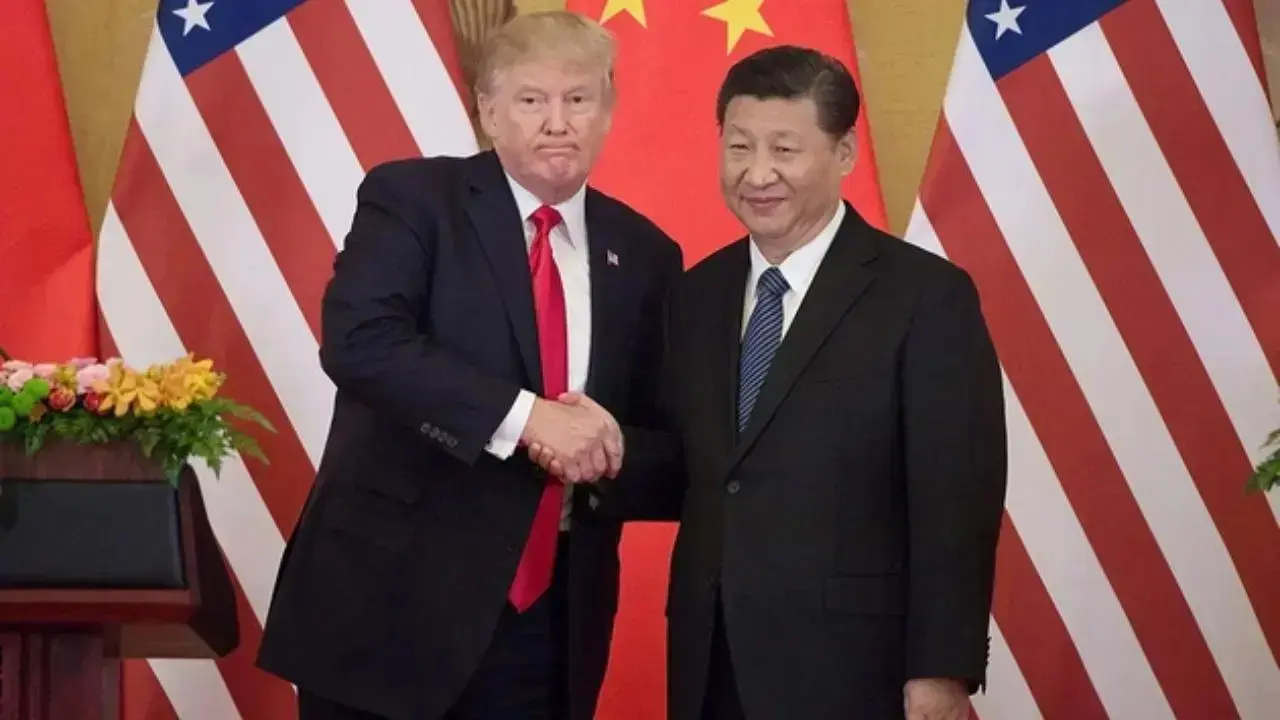
US President Donald Trump and Chinese leader Xi Jinping. Pic/AFP
US President Donald Trump has rejected a proposal from Russian President Vladimir Putin to voluntarily continue observing limits on strategic nuclear weapons following the expiration of the landmark new Strategic Arms Reduction Treaty (START).
The development came as Thursday marked the end of the pact, which had imposed the final remaining restrictions on the nuclear arsenals of the United States and Russia, the two nations possessing the world's largest stockpiles, leaving, for the first time in over five decades, no legally binding constraints in place.
Responding on his social media platform, Trump criticised the agreement, calling it "a badly negotiated deal by the United States" that was "being grossly violated." He said, "Rather than extend 'NEW START' -- a badly negotiated deal by the United States that, aside from everything else, is being grossly violated- we should have our Nuclear Experts work on a new, improved, and modernised Treaty that can last long into the future."
Framing his decision within a broader push to strengthen American military power, Trump highlighted what he described as sweeping defence upgrades during his presidency. "The United States is the most powerful country in the world," he asserted, adding, "I completely rebuilt its military in my first term, including new and many refurbished nuclear weapons." He also credited the establishment of the Space Force and pointed to what he called unprecedented expansion across military branches.
Continuing that theme, Trump referenced enhancements in naval forces, claiming the addition of battleships "100 times more powerful than the ones that roamed the seas during World War II," specifically citing vessels such as the Iowa and the Missouri. He went on to claim personal credit for preventing global nuclear confrontations, stating without elaboration, "I have stopped nuclear wars from breaking out across the world between Pakistan and India, Iran and Israel, and Russia and Ukraine."
The New START agreement, concluded in 2010 between then US President Barack Obama and Russia's then leader Dmitry Medvedev, had placed ceilings on deployed strategic nuclear warheads and their delivery systems maintained by Washington and Moscow. With the treaty now expired, those limits are no longer enforceable, prompting arms control advocates to warn of the risk of a fresh nuclear arms buildup.
The erosion of the pact had begun earlier, when in February 2023 Putin announced Russia's suspension of participation, saying Moscow "couldn't allow US inspections of its nuclear sites at a time when Washington and its NATO allies have openly declared Moscow's defeat in Ukraine as their goal."
New START had stood as the final surviving agreement in a decades-long chain of arms control deals between Russia and the United States, a process that began with SALT I in 1972, aimed at restraining the nuclear stockpiles of the two powers.
This story has been sourced from a third party syndicated feed, agencies. Mid-day accepts no responsibility or liability for its dependability, trustworthiness, reliability and data of the text. Mid-day management/mid-day.com reserves the sole right to alter, delete or remove (without notice) the content in its absolute discretion for any reason whatsoever
Subscribe today by clicking the link and stay updated with the latest news!" Click here!