

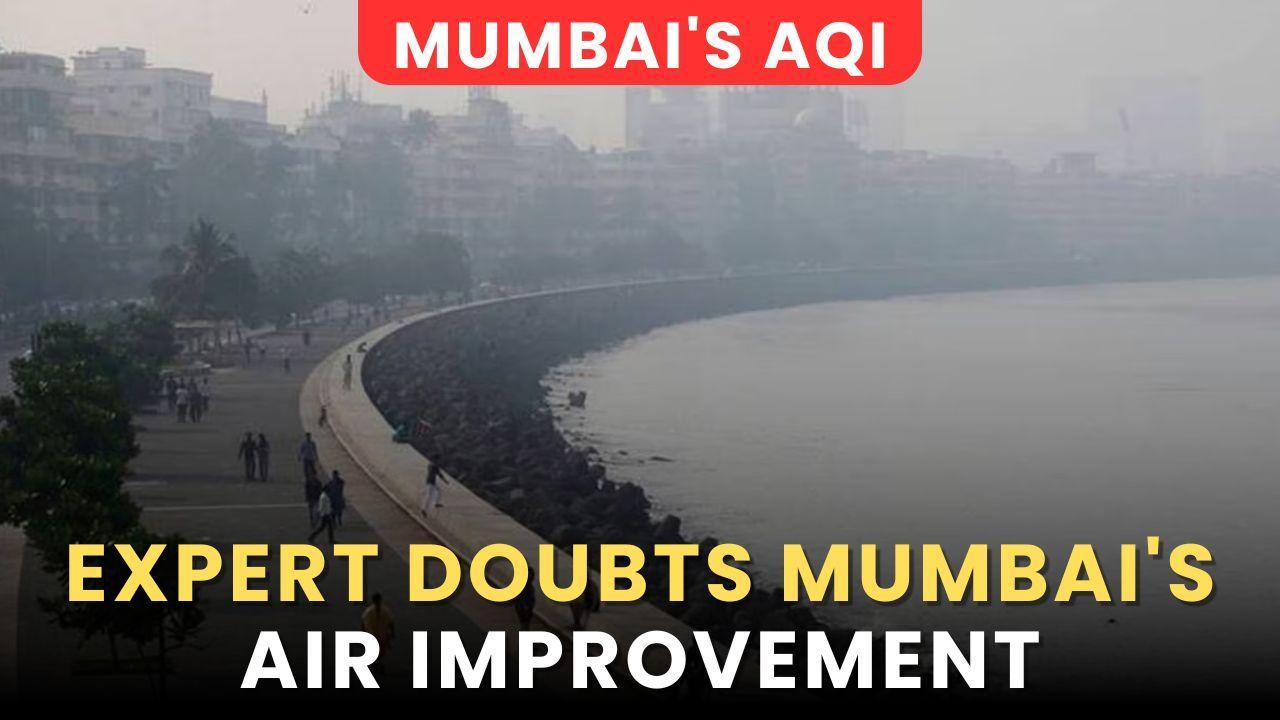
Mumbai’s air quality has been a topic of intense discussion recently, with the city grappling with rising pollution levels. While some experts voice concerns about the worsening air quality, an official report claims otherwise. According to the report, Mumbai’s air quality has actually improved over the past five years. Despite this, many remain skeptical, questioning the accuracy of these findings. The Waatavaran Foundation, an NGO, reports a significant reduction in pollution, with the number of 'good' and 'satisfactory' air quality days rising by 24 percentage points, from 36% in winter 2020-21 to 60% in 2024-25. The number of ‘good’ air quality days has doubled from 9% to 18%, while ‘poor’ and ‘very poor’ days have also dropped, with poor air quality days falling from 18% to 7%, and very poor days from 14% to just 2%.
18 February,2025 08:25 PM IST
Every year the 2nd of December is observed as National Pollution Control Day. This day is celebrated to raise awareness about pollution and its harmful effects on health and the environment. It serves as a reminder of the Bhopal Gas Tragedy, one of India’s worst industrial disasters, which occurred on December 2-3, 1984. As we celebrate National Pollution Control Day 2024, let's take a look at how currently Mumbai is grappling with air pollution increase and what are the major factors contributing to it. Mumbai – India's financial capital which is known for its iconic skyline, bustling streets, and beautiful coastal views. However, the city is currently facing a serious deterioration in its air quality. In recent years, the pollution levels in Mumbai have been on the rise. As of late November 2024, Mumbai ranked 159th among the most polluted cities in the world. The city's Air Quality Index reached 154, which falls into the "poor" category. The AQI in Mumbai is now 1.14 times higher than the average for Maharashtra, marking a concerning decline in air quality. Though this number fluctuates, it has remained consistently unhealthy for the city. But why is this happening? What’s causing Mumbai's pollution to rise so rapidly? Watch video.
01 December,2024 05:05 PM IST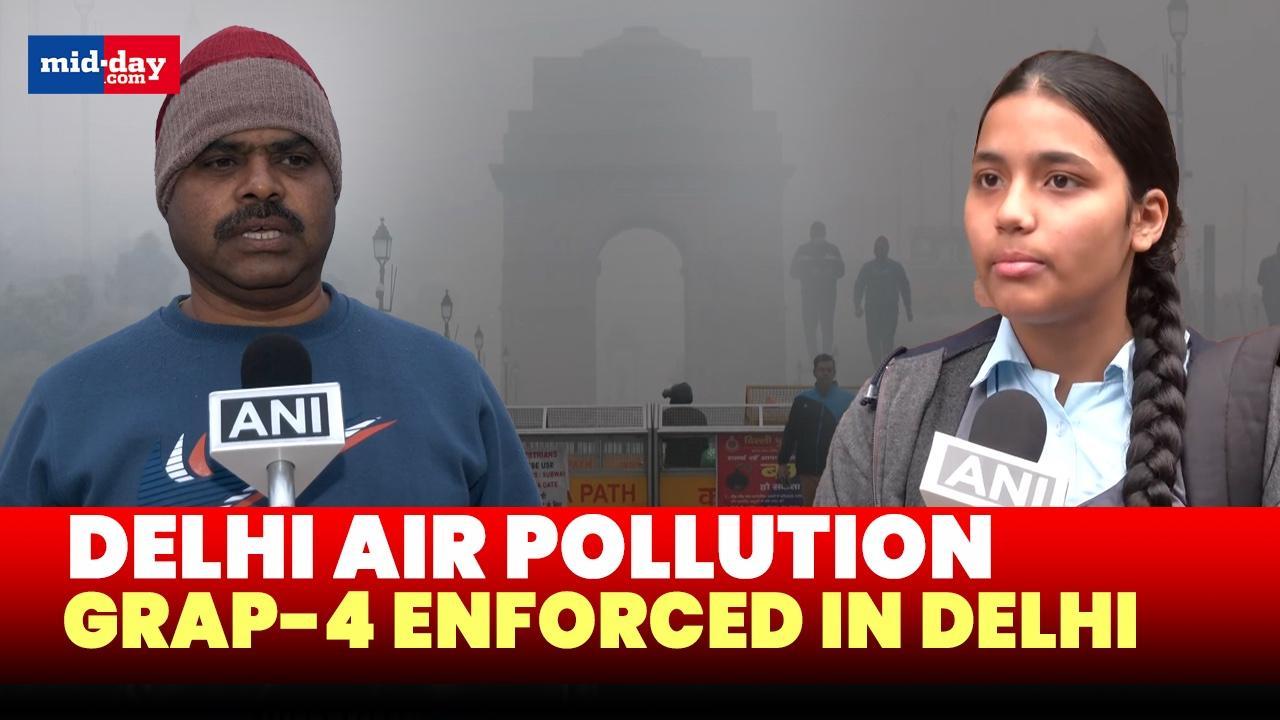
As the air quality in Delhi continues to worsen, the Graded Response Action Plan (GRAP) Stage-IV restrictions were implemented from November 18 to combat the pollution crisis. The Commission for Air Quality Management (CAQM) activated this plan to reduce harmful pollution levels in Delhi-NCR. Key measures include banning non-essential trucks from entering Delhi, except for those carrying essential goods or providing important services. In addition, the Delhi government has suspended in-person classes for all students, except for those in classes 10 and 12, to protect their health. The Stage-IV action plan also includes other steps like increasing the use of air purifiers and limiting outdoor activities. The CAQM is closely monitoring air quality levels and will continue to review the situation, taking further action if necessary to improve conditions.
18 November,2024 03:04 PM IST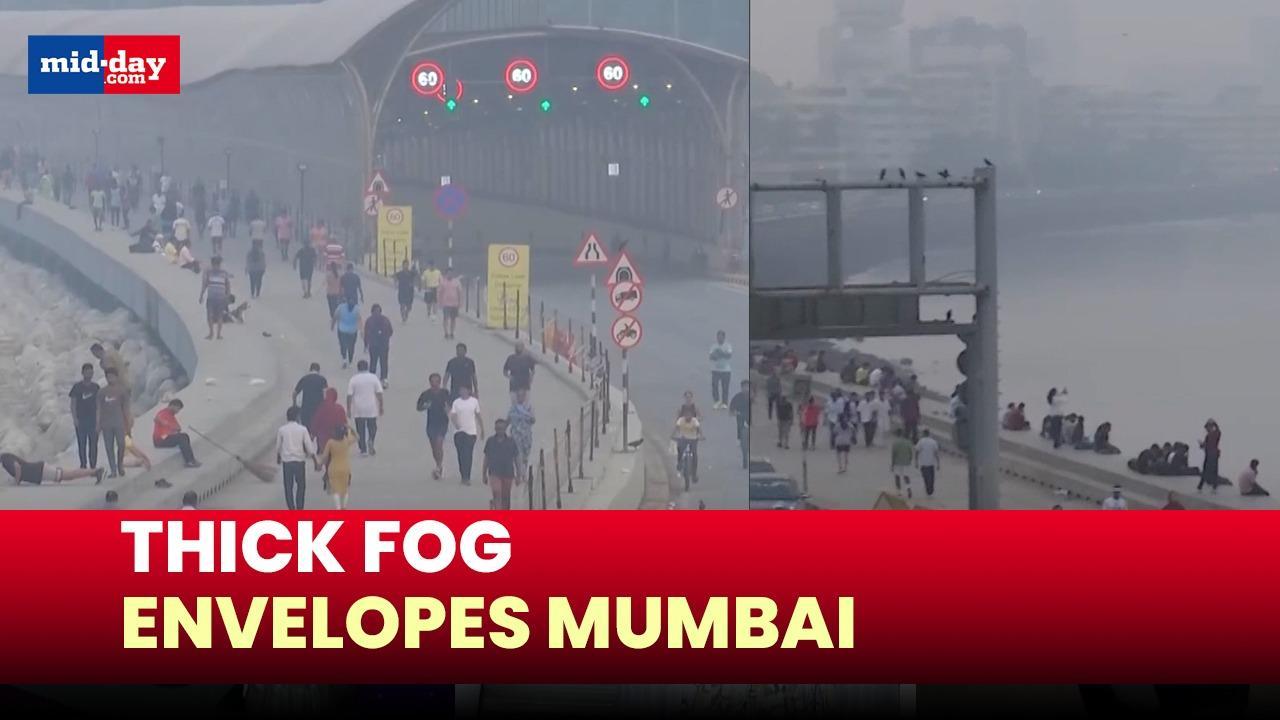
Mumbai woke up to a foggy and hazy morning on Sunday, November 17, with a thick layer of mist covering the city. The Air Quality Index (AQI) recorded a level of 179, indicating a moderate level of pollution. Visuals from Marine Drive showed people out for their morning walks amid the dense fog. While many residents continued their routines, jogging and exercising, the pollution did raise concerns, particularly for those with respiratory issues. While the pollution level is not extremely high, experts caution that it could cause discomfort for vulnerable groups, including people with breathing problems. Authorities are advising everyone to take precautions, especially those with health concerns.
17 November,2024 12:28 PM ISTADVERTISEMENT






