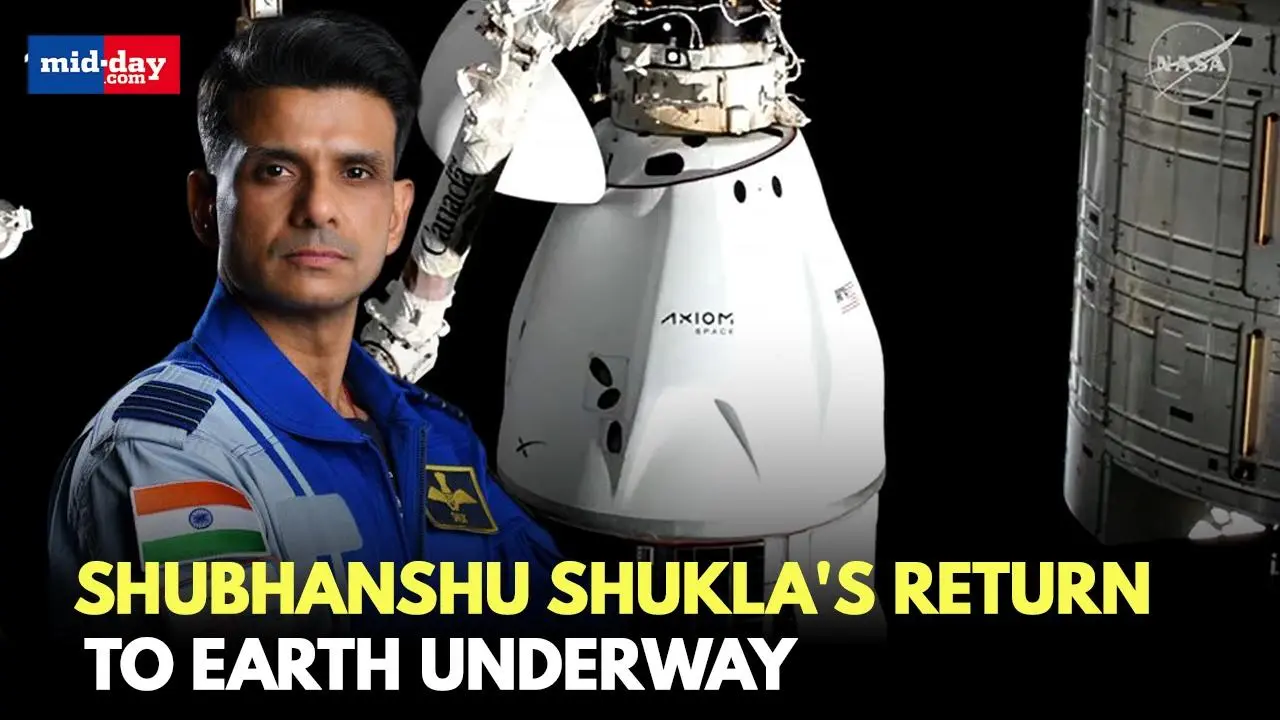
India’s space journey enters a new era as astronaut Shubhanshu Shukla and the Axiom-4 crew begin their journey back to Earth after an 18-day mission aboard the International Space Station. The SpaceX Dragon spacecraft undocked at 4:45 PM IST on Monday and is expected to splash down off the coast of California on July 15. Shukla, the second Indian to travel to space after Rakesh Sharma, served as the mission pilot. He conducted critical experiments on muscle loss, microalgae-based nutrition, and mental health in space. In a heartfelt farewell from the ISS, Shukla paid tribute to India’s growing confidence and ambition on the global stage.
14 July,2025 07:30 PM ISTAxiom Mission 4 marks a historic milestone as Indian Air Force Group Captain Shubhanshu Shukla becomes the second Indian national to travel to space after 40 years. Launched aboard a SpaceX Dragon spacecraft, the Ax-4 mission includes astronauts from India, Poland, and Hungary — all visiting the ISS for the first time. As a mission pilot, Shukla plays a key role in the 14-day research-driven mission. From cutting-edge microgravity experiments to India’s rising presence in global space exploration, here’s all about the Axiom 4 mission.
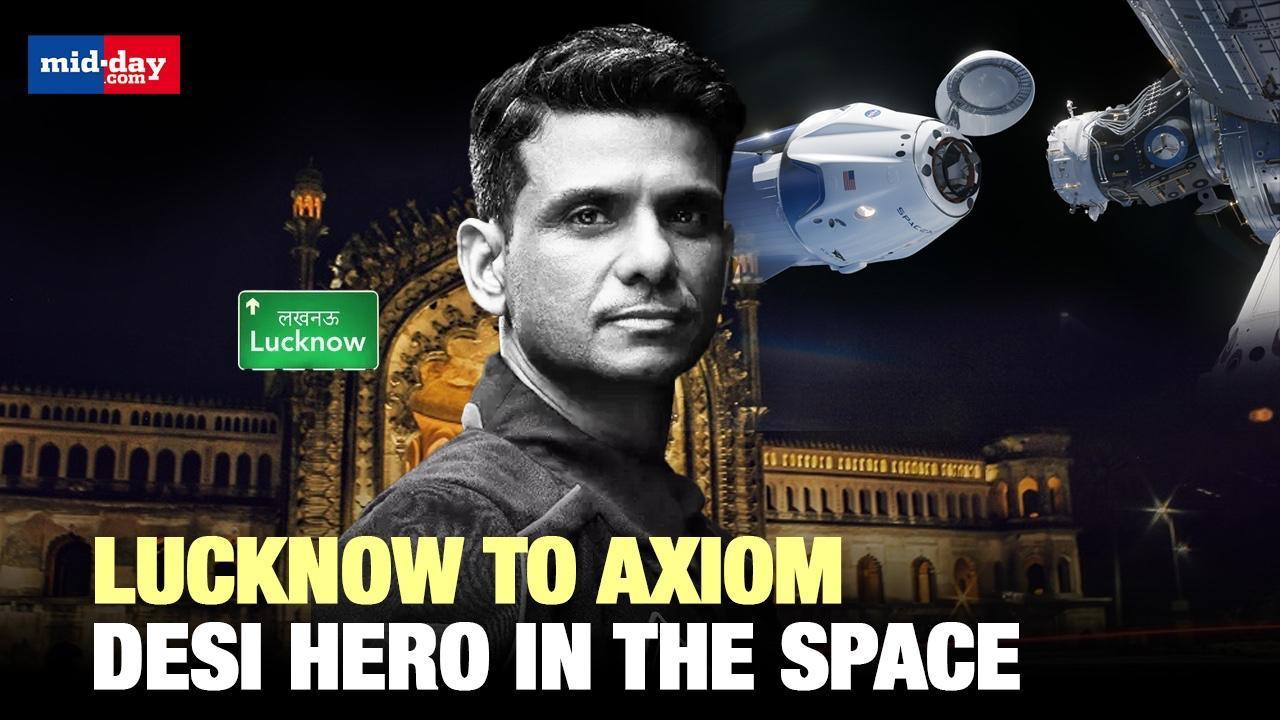
25 June,2025 06:47 PM ISTIndia is back in space — after 41 years, through the Axiom-4 Mission. Group Captain Shubhanshu Shukla, a decorated Indian Air Force pilot, has made history by becoming the first Indian to board NASA’s International Space Station (ISS) and only the second Indian ever to travel to space, after Rakesh Sharma in 1984. Here is all about his incredible journey of how a boy from Lucknow became India’s latest space hero. From flying fighter jets to training at Russia’s Star City, to being chosen for ISRO’s Gaganyaan mission, Shukla’s journey is nothing short of inspiring. Take a look.
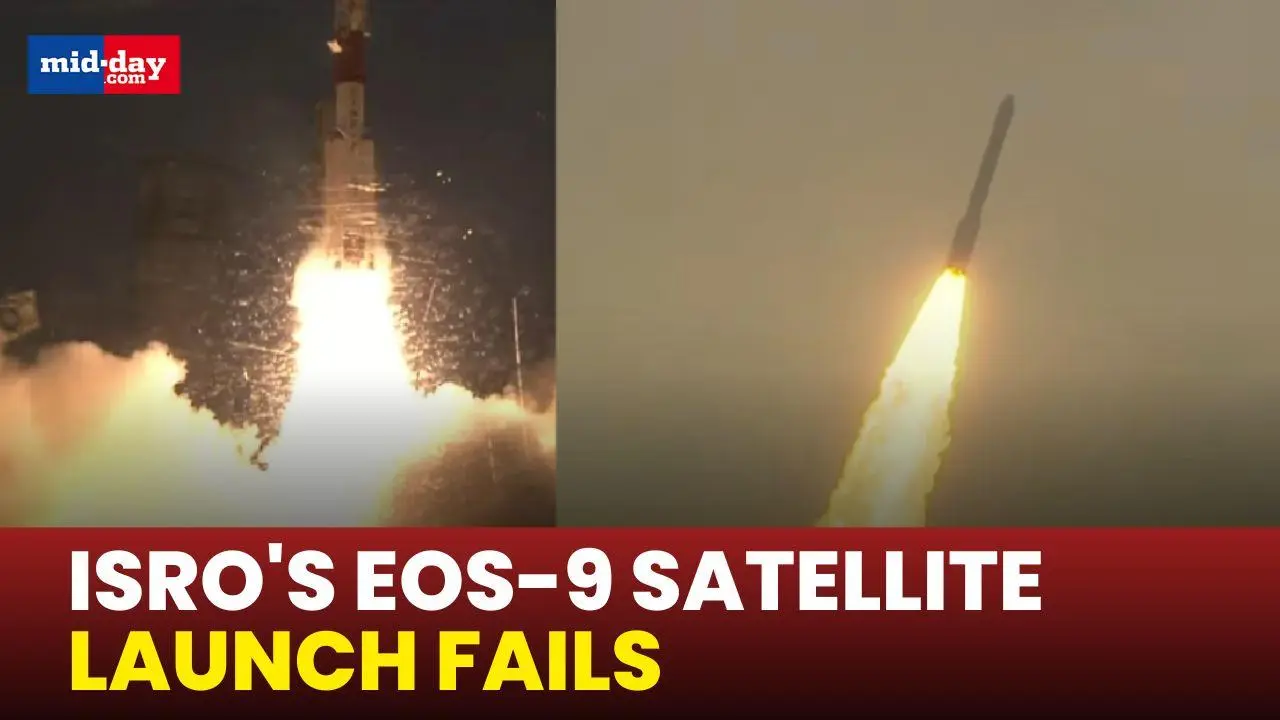
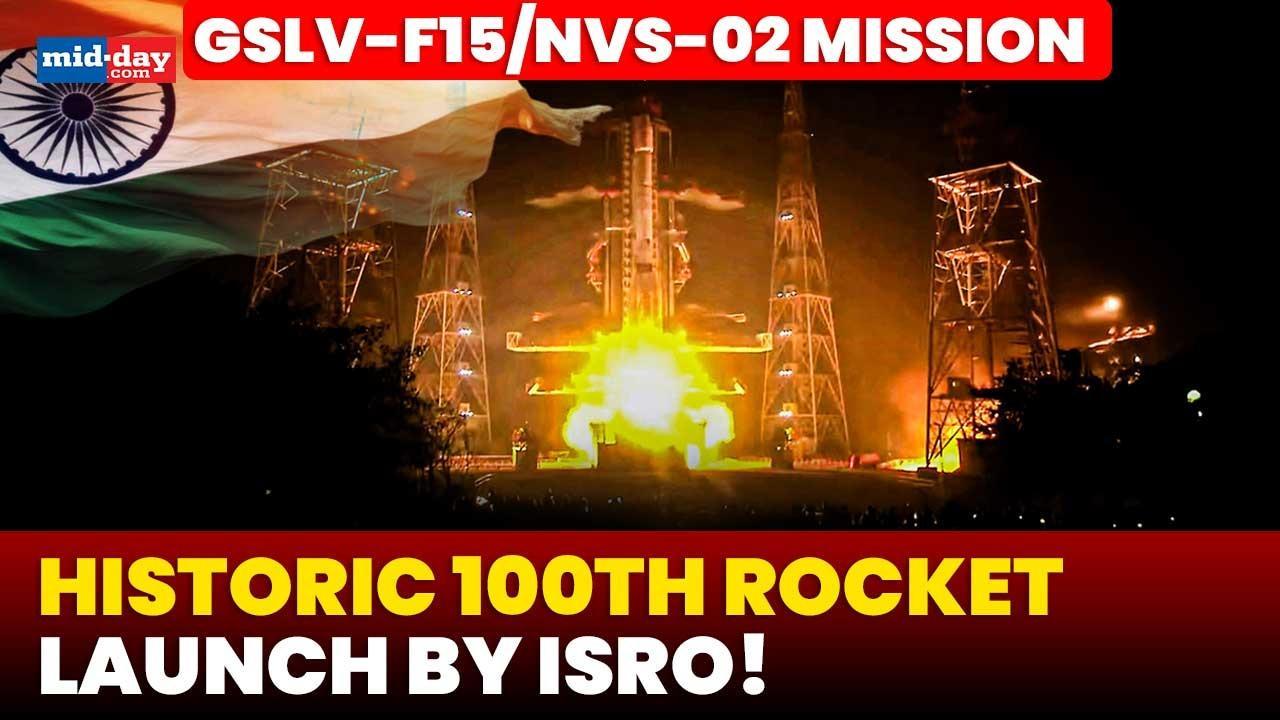
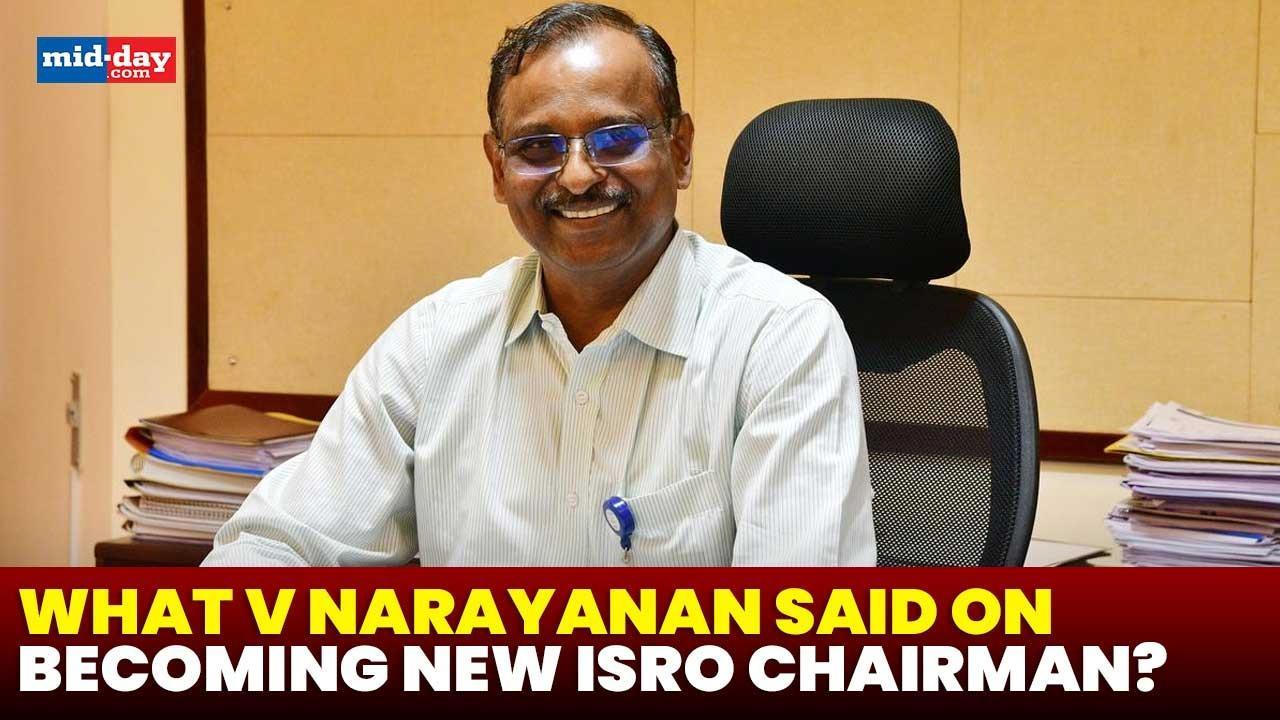
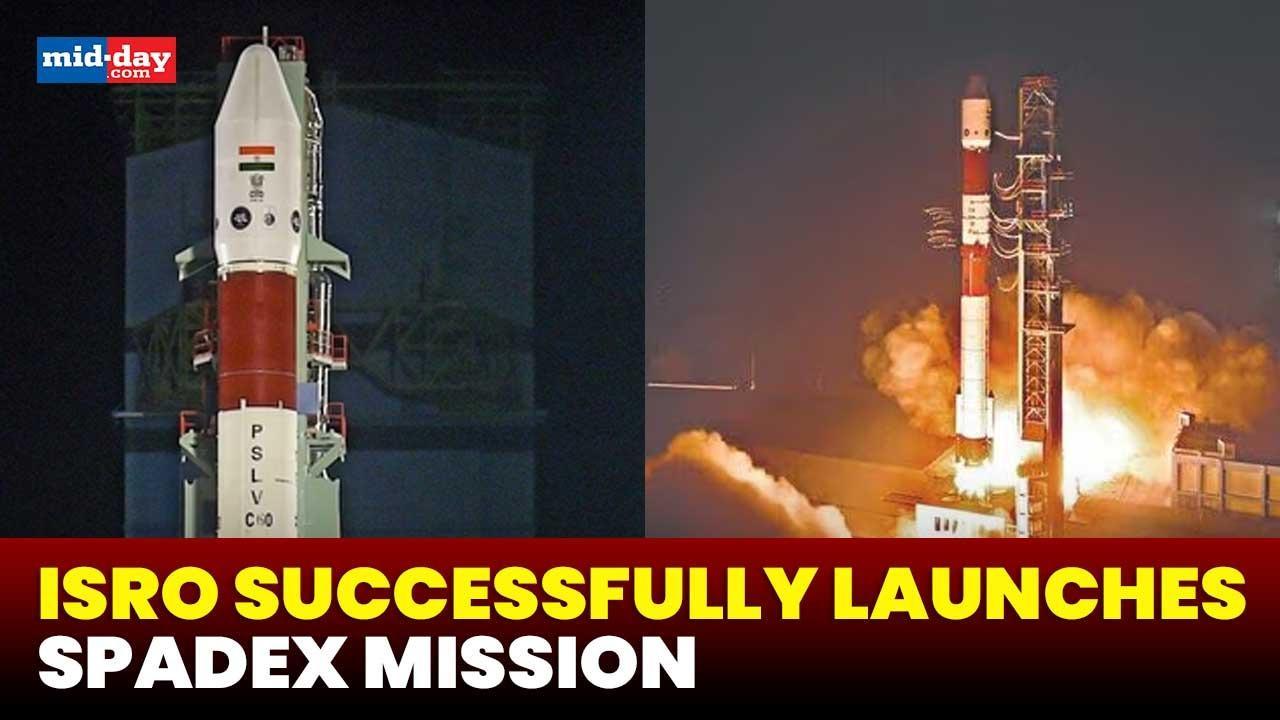
25 June,2025 06:38 PM ISTIndia’s latest space mission ended in disappointment today, as ISRO’s 101st satellite launch failed to reach orbit. The mission, launched on May 18 from the Satish Dhawan Space Centre, was meant to place the EOS-09 Earth observation satellite into a Sun Synchronous Polar Orbit. It marked the 63rd flight of the Polar Satellite Launch Vehicle, or PSLV, and the 27th use of its more powerful XL configuration. At first, things went according to plan. The rocket’s first and second stages performed normally. However, ISRO reported a problem during the third stage, which ultimately caused the mission to fail. EOS-09 was designed to boost India’s Earth observation capabilities using advanced radar technology. It could have captured high-resolution images in all weather conditions, day or night — supporting efforts in agriculture, disaster response, border security, and urban planning. ISRO Chairman V. Narayanan addressed the setback. This mission follows a streak of 100 successful PSLV launches, a track record ISRO hopes to quickly recover.
18 May,2025 01:09 PM ISTADVERTISEMENT