28 May,2025 05:53 PM IST | New Delhi | mid-day online correspondent
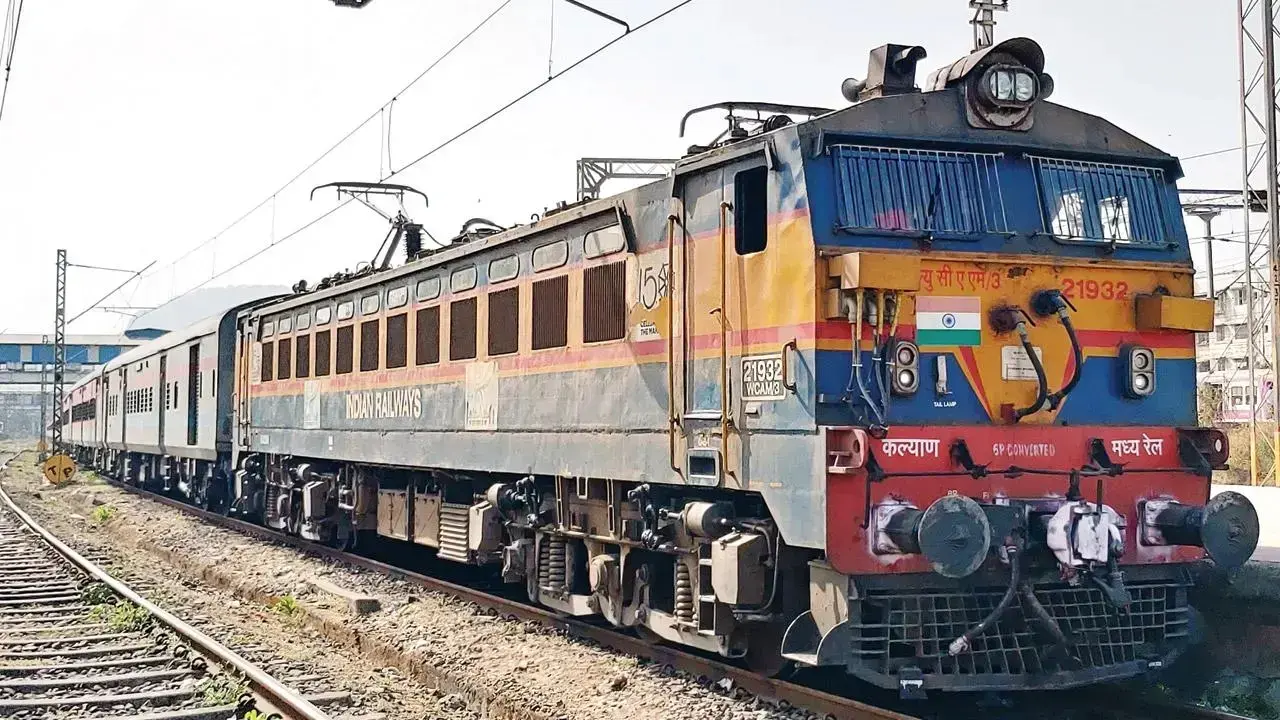
The total cost is estimated at around Rs 3,399 crore and both projects are expected to be completed by the financial year 2029–30. Representational Pic/File
The Central government on Wednesday approved two major railway multitracking projects worth Rs 3399 crore in Maharashtra and Madhya Pradesh, an official statement said.
The decision was taken at the Cabinet Committee on Economic Affairs, chaired by Prime Minister Narendra Modi. on May 28.
An official statement said that the decision is aimed at improving passenger and freight transport across the states of Maharashtra and Madhya Pradesh.
The new projects are part of the PM Gati Shakti National Master Plan for multi-modal connectivity. It will include the following:
- Ratlam-Nagda 3rd and 4th Line
- Wardha-Balharshah 4th Line
The total cost is estimated at around Rs 3,399 crore and both projects are expected to be completed by the financial year 2029-30.
The proposed multi-tracking project will enhance connectivity to approx. 784 villages, which are having a population of about 19.74 lakh.
These are essential routes for transportation of commodities such as coal, cement, clinker, gypsum, fly ash, containers, agriculture commodities, and Petroleum products etc. The capacity augmentation works will result in additional freight traffic of magnitude 18.40 MTPA (Million Tonnes Per Annum). The Railways being environment friendly and energy efficient mode of transportation, will help both in achieving climate goals and minimising logistics cost of the country, reduce oil import (20 crore Litres) and lower CO2 emissions (99 crore Kg) which is equivalent to plantation of 4 crore trees.
The construction work will generate around 74 lakh human-days of direct employment, creating job opportunities and supporting local economies.
It said that these routes are vital for transporting goods like coal, cement, fly ash, gypsum, containers, agricultural produce, and petroleum products, the statement said, adding that the new lines are expected to handle an additional 18.40 million tonnes of freight annually, which will help reduce logistic costs and support India's climate goals.
By shifting more cargo from road to rail, the projects will help save about 20 crore litres of oil and cut down 99 crore kilograms of CO2 emissions, which is equal to planting 4 crore trees.