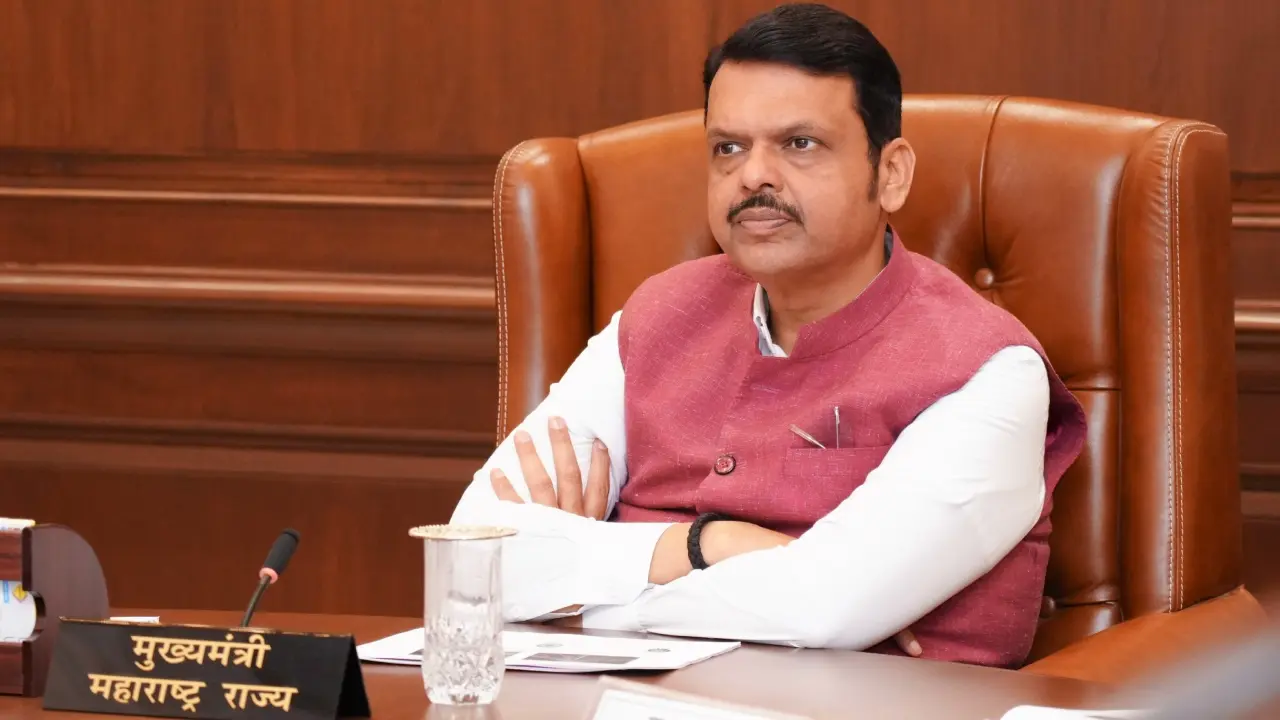
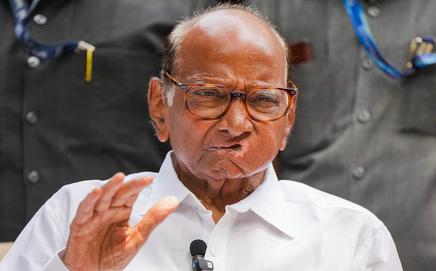
The NCP (SP) on Wednesday said that party supremo Sharad Pawar introduced reservation for women in local self-government bodies in Maharashtra decades ago, and the BJP should acknowledge his contribution to women's empowerment, reported PTI. A special three-day sitting of Parliament has been convened from April 16 to 18, during which amendments to the 'Nari Shakti Vandan Adhiniyam', commonly known as the Women's Reservation Act, mandating 33 per cent reservation for women in Lok Sabha and state Assemblies, will be brought for implementation in 2029. In a statement, NCP (SP) spokesperson Mahesh Tapase said, "In Maharashtra, it was Sharad Pawar who (as chief minister) implemented 33 per cent reservation for women in local self-government bodies, which was later increased to 50 per cent. Pawar was a key architect of women's empowerment in governance," reported PTI. "The BJP-led government should acknowledge Pawar's contribution during discussions on the women's reservation bill," he added. Pawar also took steps to facilitate women's employment in the armed forces when he was defence minister and proposed 50 per cent reservation for women in Parliament and state assemblies as early as 2012, the spokesperson further said, reported PTI. Fadnavis urges Maharashtra MPs to back women's quota bills Meanwhile, Maharashtra Chief Minister Devendra Fadnavis has appealed to MPs from the state to participate in the special Parliament session aimed at clearing the 'Nari Shakti Vandan Adhiniyam' bills to ensure early implementation of the Women's Reservation Act, reported PTI. In a letter written earlier this week to Lok Sabha and Rajya Sabha MPs, and presidents of political parties from the state, the CM said the passage of the bills would be a historic moment, reported PTI. He urged all MPs to be present in Parliament to support the bills, keeping with Maharashtra's tradition of backing women's empowerment. The CM said the state has already ensured a 50 per cent quota for women in local bodies, reported PTI. The government is moving towards an early implementation of the Women's Reservation Act, for which a special session of Parliament will be convened from April 16 to 18. Lok Sabha seats will be increased to up to 850 from the current 543 to "operationalise" the women's reservation law before the 2029 parliamentary polls, following a delimitation exercise to be carried out based on the last published census. According to a draft Constitution amendment bill, which will be introduced in Parliament, seats would also be increased in state and Union territory assemblies to accommodate 33 per cent reservation for women. (With inputs from PTI)
15 April,2026 07:34 PM IST | Mumbai | mid-day online correspondentSenior railway official, Adish Pathania, has taken charge as the Senior Divisional Commercial Manager (Sr. DCM) of the Mumbai Central Division under Western Railway, officials said. The appointment was announced in an official statement issued by Vineet Abhishek. An officer of the 2010 batch of the Indian Railway Traffic Service (IRTS), Pathania brings over a decade of experience in railway operations, commercial management and administration. During his career, he has handled several important responsibilities, including suburban train operations, freight logistics, station management and commercial planning, it said. Diverse roles across railway zones According to an official statement, Pathania began his railway career with the North Central Railway as Assistant Operations Manager in Jhansi Division. He later moved to Western Railway, where he held positions such as Assistant Traffic Manager (Suburban), Divisional Operations Manager and Area Manager. He also served at Container Corporation of India Limited in Ahmedabad as General Manager (Commercial & Operations). On Central Railway, he worked as Senior Divisional Operations Manager (Co-ordination) in Mumbai and later as Deputy Chief Operations Manager (Goods). Familiar with city's railway system The statement said that having previously worked at Mumbai Central railway station in key operational roles, Pathania is well acquainted with the functioning of Mumbai’s busy railway network. His prior experience in the city is expected to help him in his new assignment. Key responsibilities in new role As Sr. DCM of Mumbai Central Division, Pathania will oversee a wide range of commercial activities. These include passenger services, freight business, ticketing systems, parcel services, catering, leasing, passenger amenities and revenue management. He will also be responsible for implementing commercial policies across the division. Educational background Officials said that Pathania holds a Master’s degree in Political Science. Outside of his professional duties, he is known to be a sports enthusiast with a keen interest in cricket.
15 April,2026 06:58 PM IST | Mumbai | Rajendra B. AklekarA fire broke out in a garment godown in the Sakinaka area of Andheri (East) on Wednesday evening, prompting a swift response from civic and emergency agencies. Fire reported in evening hours According to officials, the incident was reported at around 6:02 pm by the Brihanmumbai Municipal Corporation’s (BMC) Mumbai Fire Brigade (MFB). The fire occurred at a garment godown located in Sethia Nagar on the 90-feet road, near Gulshan Hotel in Sakinaka. Fire confined to godown structure Authorities stated that the blaze was confined to a ground-plus-two (G+2) structure housing the garment godown. Firefighters reached the spot soon after receiving the alert and immediately initiated firefighting operations to contain the flames and prevent them from spreading to adjoining structures. Multiple agencies deployed Apart from the Mumbai Fire Brigade, personnel from the police, the concerned electricity distribution company, and BMC ward staff were also mobilised to assist in the operation and ensure safety in the surrounding area. Level-I fire declared The Mumbai Fire Brigade classified the incident as a Level-I fire at around 6:20 pm, indicating a minor fire situation. Firefighting efforts were ongoing at the time of the latest update. No injuries reported No injuries or casualties have been reported in the incident so far. Further details are awaited as authorities continue to monitor the situation. Fire breaks out at Mankhurd scrap yard In another incident, a fire broke out at a scrap yard in the Mandale area of Mankhurd on Tuesday morning, prompting a swift response from the Brihanmumbai Municipal Corporation’s Mumbai Fire Brigade (MFB). No injuries were reported in the incident, officials said. According to officials, the blaze was reported around 8.15 am from an open scrap yard located along GM Link Road in the Kurla Scrap area. The fire was declared a Level-I incident at 8.19 am. Fire brigade officials said the blaze was confined to oil cans, plastic materials, dry waste, and a stockpile of wood spread across an open ground measuring approximately 50 by 500 feet. A total of four fire engines, five jumbo tankers, two advanced water tender tankers, and one quick response vehicle were deployed at the site. A 108 ambulance was also stationed as a precautionary measure. The fire was extinguished at 11.08 am.
15 April,2026 06:54 PM IST | Mumbai | mid-day online correspondentThe Bombay High Court on Wednesday denied bail to retired DRDO scientist Pradeep Kurulkar, arrested in 2023 on charges of sharing sensitive information with an alleged Pakistani woman intelligence operative, noting that he passed on vital information during intimate chats. A bench of Justice S G Dige also stated that, although retired, Kurulkar may influence some of the witnesses who had worked under him and might abscond. Kurulkar, 60, was arrested by the Maharashtra Anti-Terrorism Squad (ATS) on May 3, 2023, in a suspected honey-trap espionage case based on a complaint lodged by the defence research establishment. The accused has claimed that the information alleged to have been provided to the Pakistani intelligence officer is already in the public domain. The prosecution opposed bail, arguing that the conversations involved sensitive defence information. Denying bail to Kurulkar, the bench stated that Kurulkar, despite holding a senior post in the Defence Research and Development Organisation, continued intimate chats with a Pakistan-based officer for more than a year and passed over vital information. The court further stated that although Kurulkar is now retired, some of the witnesses in the case are his subordinates and hence he may influence them. There is also a chance that he may abscond, the bench added. According to the ATS, investigators had recovered what they described as "explosive" chats between the scientist and a woman alleged to be linked to the Pakistani intelligence agency. The ATS suspects that Kurulkar, the then director (research and development) at DRDO, discussed details related to several strategic defence systems during these exchanges and shared confidential information in an attempt to cultivate an intimate relationship with the woman. This story has been sourced from a third party syndicated feed, agencies. Mid-day accepts no responsibility or liability for its dependability, trustworthiness, reliability and data of the text. Mid-day management/mid-day.com reserves the sole right to alter, delete or remove (without notice) the content in its absolute discretion for any reason whatsoever.
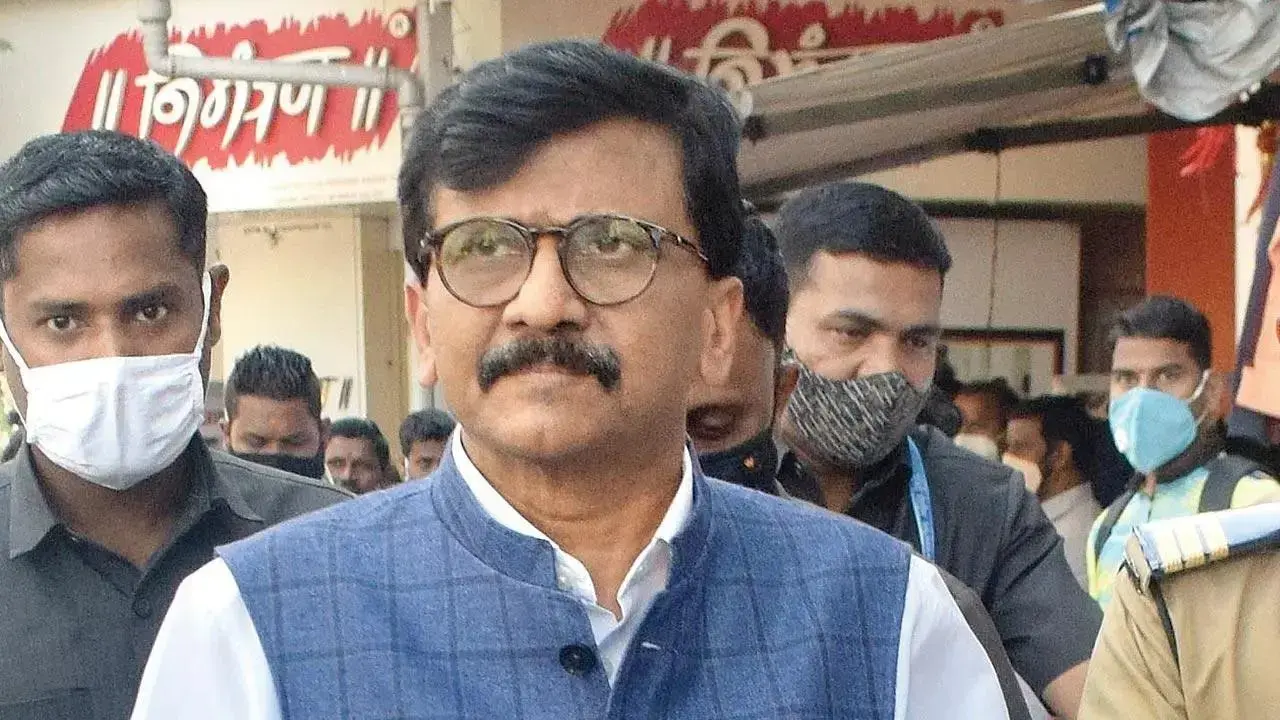
15 April,2026 06:48 PM IST | Mumbai | PTIShiv Sena (UBT) leader Sanjay Raut on Wednesday termed the proposed delimitation of Lok Sabha constituencies a “contentious” issue, warning that carrying out the exercise without a fresh Census could trigger strong political opposition, particularly from southern states, reported PTI. Speaking to reporters in New Delhi, the Rajya Sabha MP clarified that his party does not oppose the implementation of the women’s reservation law but raised serious concerns over the process being linked with delimitation, reported PTI. No Objection to Women’s Reservation Raut said there is no reason for the Shiv Sena (UBT) to oppose the proposed implementation of the Women’s Reservation Act, which seeks to reserve 33 per cent of seats for women in Parliament and state assemblies. He emphasised that the party has consistently supported women’s political participation, noting that Maharashtra was among the first states to provide significant reservation for women in local self-government institutions, reported PTI. Delimitation Without Census Raises Concerns However, Raut strongly objected to the delimitation process being undertaken without conducting a nationwide Census. He said such a move could create a “serious situation” across the country and undermine the fairness of representation, reported PTI. “The issue of delimitation is contentious and is being done without conducting the Census,” he said, warning that the absence of updated population data could lead to disputes over seat allocation, reported PTI. Southern States Likely to Oppose Move Raut also pointed out that several southern states have already expressed opposition to the proposed exercise. He cited leaders such as M K Stalin and Revanth Reddy, who have raised concerns about the potential impact of delimitation on their states’ political representation, reported PTI. According to Raut, if population becomes the sole criterion for redrawing constituencies, states that have successfully controlled population growth may face reduced representation in Parliament. Special Parliament Session and Seat Expansion Plan The Centre has convened a special three-day session of Parliament from April 16 to 18 to discuss amendments related to the implementation of the women’s reservation framework. The plan includes a significant expansion of the Lok Sabha, increasing the number of seats from 543 to as many as 850. The proposed changes are aimed at operationalising the reservation for women ahead of the 2029 general elections. Additionally, the draft amendment bill provides for an increase in seats in state assemblies and Union Territory legislatures to accommodate the quota. Maharashtra Seat Numbers Set to Rise Raut noted that under the proposal, Maharashtra’s representation in the Lok Sabha could increase from 48 to 72 seats. Similarly, the strength of the state legislative assembly may rise from 288 to 400 members, reported PTI. However, he raised practical concerns about infrastructure, pointing out that the current Vidhan Bhavan may not have the capacity to accommodate such a large number of legislators. Questions Over Political Intent The Shiv Sena (UBT) leader also questioned whether logistical challenges were being used to justify broader political changes. He hinted at concerns that such developments could have wider implications for the state’s political structure, reported PTI. (With inputs from PTI)
15 April,2026 06:41 PM IST | Mumbai | mid-day online correspondentThe City and Industrial Development Corporation of Maharashtra (CIDCO) has appointed a joint venture (JV) of RITES Limited and Creative Group LLP to conduct a techno-commercial feasibility study for a proposed third runway at the Navi Mumbai International Airport, according to an official statement. The study, which is expected to be completed within six months, comes amid projections of sustained growth in air traffic demand across the Mumbai Metropolitan Region (MMR). CIDCO said the exercise will evaluate whether additional runway capacity will be required in the long term. Meeting reviews scope of feasibility study CIDCO stated that a review meeting on April 15, chaired by its Vice Chairman and Managing Director Vijay Singhal, discussed key aspects of the proposed study. Senior officials from CIDCO, along with representatives from RITES and Creative Group, were present. According to CIDCO, the study will examine multiple parameters, including technical feasibility, operational efficiency, environmental impact, and financial viability. The findings are expected to inform future infrastructure planning decisions at the airport. Capacity planning amid rising passenger projections The Navi Mumbai airport is being developed as part of a dual-airport system with the existing Chhatrapati Shivaji Maharaj International Airport to cater to the region’s aviation demand. CIDCO noted that NMIA is designed as a greenfield facility with an ultimate capacity of 90 million passengers per annum (MPPA) and 3.2 million tonnes of cargo. Spread over about 1,160 hectares, the airport is planned with two parallel runways and multiple terminals to be developed in phases over the next decade. However, CIDCO cited projections indicating that combined passenger traffic demand in the MMR could reach around 150 MPPA by 2040, and potentially rise to 240 MPPA between 2047 and 2050. While a third airport has been proposed at Vadhavan Airport, the agency said it is also examining expansion options at NMIA to address future demand. Consultant’s role and expertise CIDCO said the appointed joint venture brings prior experience in transport and airport infrastructure planning. RITES, a public sector enterprise under the Ministry of Railways, has worked on several infrastructure consultancy projects, including airport planning and design. Creative Group LLP has also been involved in aviation and infrastructure consultancy assignments. The feasibility study will assess whether a third runway at NMIA is technically and economically viable, and how it could enhance operational capacity if implemented. CIDCO added that the move is part of broader planning efforts to strengthen aviation infrastructure in the Mumbai region over the coming decades.
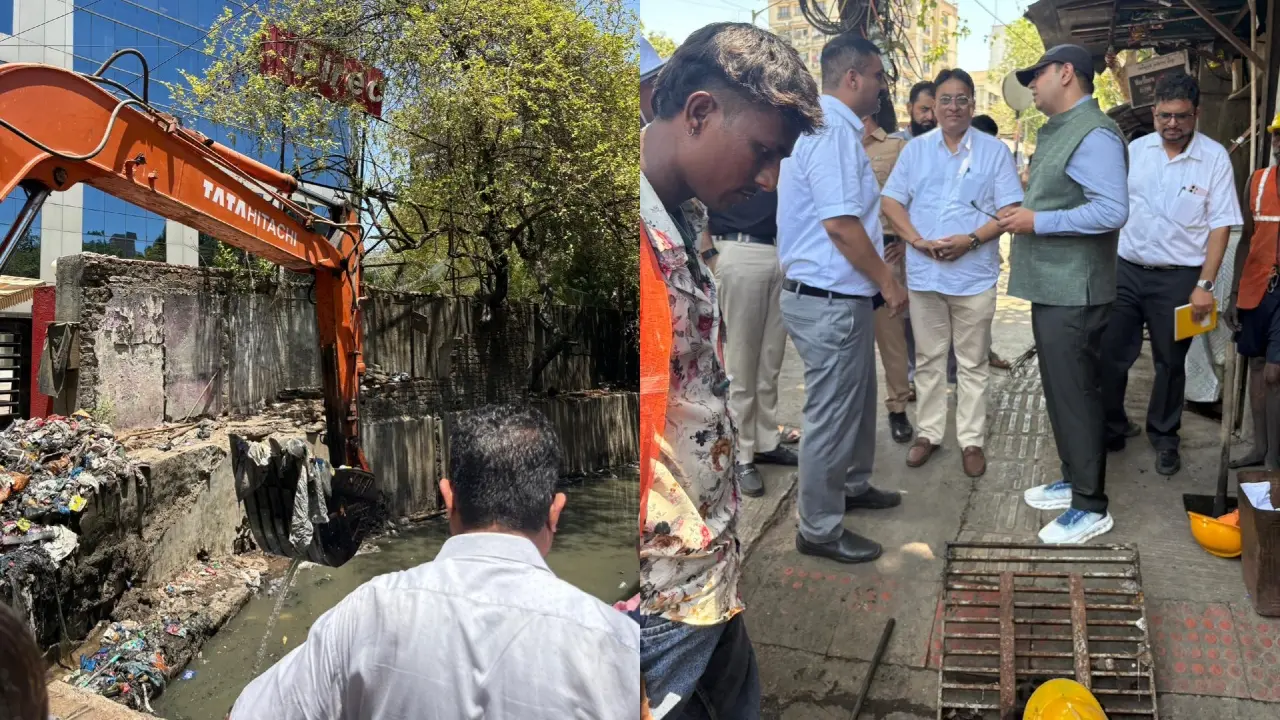
15 April,2026 06:27 PM IST | Mumbai | mid-day online correspondentThe Brihanmumbai Municipal Corporation (BMC) on Wednesday said that drain desilting works across the western suburbs are progressing steadily as part of its pre-monsoon preparedness plan, following an inspection by senior civic officials. Inspection Across Key Wards According to the BMC, Additional Municipal Commissioner (Western Suburbs) Dr. Vipin Sharma conducted a comprehensive review of ongoing drain cleaning works in H East, H West, K North, and K South wards. The inspection covered both major and minor drains, reflecting the civic body’s push to ensure efficient stormwater management ahead of the monsoon season. During the visit, Dr. Sharma inspected prominent drainage channels including Mogra Nala, Vakola Nala, Krishna Nagar Nala, Andheri Subway drain, and SNDT Nala. Smaller yet critical drains such as Bazaar Nala in Bandra, Garware Nala, and Apex Nala were also reviewed to assess on-ground progress, the BMC stated. Focus on Timely Completion The civic body said that Dr. Sharma directed officials to expedite the removal of floating debris and accumulated silt to prevent waterlogging during heavy rains. He emphasised that all desilting works must be completed 100 per cent by May 31, 2026, without exception. Officials were also instructed to ensure strict monitoring of the desilting process and maintain quality standards throughout the operation. The BMC noted that timely completion of these works is crucial to minimise flooding risks in low-lying areas of the city. Coordination with Public Representatives Highlighting the importance of coordination, the BMC said Dr. Sharma advised officials to stay in regular communication with local public representatives and keep them informed about the progress of desilting works. This, the civic body said, would help address civic concerns more efficiently and ensure transparency in execution. Officials Present During Inspection The inspection was attended by several public representatives and civic officials. Among those present were local corporator and Chairperson of the Market and Garden Committee Hetal Gala, along with corporators Chintamani Nivate, Raja Rehbar Khan, Ritesh Rai, Rohini Kamble, and Anjali Sawant. Senior administrative officials, including Assistant Commissioners Dinesh Pallewad, Mahesh Patil, Nitin Shukla, and Mridula Ande, were also present, along with other concerned personnel overseeing the desilting operations, the BMC said. Strengthening Monsoon Preparedness The BMC reiterated that desilting of major and minor drains across Mumbai has been undertaken on priority to strengthen the city’s monsoon preparedness. Regular inspections and on-site reviews by senior officials are being carried out to ensure that the work progresses as per schedule and meets required standards. With the monsoon season approaching, the civic body said it remains focused on completing all preventive measures in a time-bound manner to mitigate flooding and ensure smoother drainage across the city.
15 April,2026 06:17 PM IST | Mumbai | mid-day online correspondentNCP (SP) leader Jayant Patil on Wednesday raised alarm over the sharp fall in onion prices, stating that farmers across Maharashtra are facing severe financial distress due to declining market rates and rising production costs. He urged the government to step in with immediate measures, even as a key farmers’ body held both the ruling dispensation and the Opposition responsible for the ongoing crisis, reported PTI. Farmers Hit by Price Crash and Rising Costs In a statement, Patil highlighted the widening gap between production costs and market returns. He said that the average cost of producing onions stands at around Rs 2,200 per quintal, while farmers are currently receiving between Rs 900 and Rs 1,300 per quintal, reported PTI. He described the situation as unsustainable, noting that farmers are unable to recover even basic input costs. The crisis, he added, has deepened due to a combination of external and domestic factors affecting both supply and demand. Export Disruptions and Weather Add to Crisis Patil pointed to disruptions in onion exports as a major factor behind the price crash, linking it to ongoing geopolitical tensions in West Asia. He also flagged unseasonal rains that have damaged crops ready for harvest, compounding the financial strain on farmers, reported PTI. Calling it a “double blow,” he said that farmers are grappling simultaneously with reduced export opportunities and crop losses, pushing them into deeper economic uncertainty. Demand for Government Intervention The NCP (SP) leader urged the state government to take urgent corrective steps, including efforts to resume onion exports and the announcement of a fair minimum support price. He stressed that timely intervention is critical to stabilise prices and prevent further distress in the farming community, reported PTI. Patil also called on the chief minister to prioritise the issue, warning that continued inaction could worsen the situation for thousands of onion growers across the state. Growers’ Body Blames Political Class Meanwhile, the Maharashtra State Onion Growers Association criticised both the Centre and the Opposition for the ongoing crisis. The association’s founder-president Bharat Dighole said policy decisions taken over the past few years have directly contributed to the price slump, reported PTI. He pointed to the Centre’s 2023 export restrictions, including a ban, export duty, and minimum export price conditions, as key reasons for the sharp fall in onion prices. According to him, these measures severely impacted farmers’ earnings and market stability. Opposition Accused of Inaction Dighole also criticised Opposition leaders, particularly MPs from the Maha Vikas Aghadi, for failing to take a strong and united stand on the issue. He said that despite receiving support from farmers during elections, Opposition representatives have not effectively raised the crisis at the national level, reported PTI. While acknowledging statements made by leaders such as Patil, he said these alone are insufficient to address the scale of the problem. Falling Prices and Declining Exports The farmers’ body noted that onion prices in Agricultural Produce Market Committees (APMCs) have dropped significantly. Kharif crop prices are currently ranging between Rs 300 and Rs 700 per quintal, while Rabi crop prices are between Rs 500 and Rs 1,100 per quintal - well below production costs estimated at Rs 1,800 to Rs 2,000 per quintal, reported PTI. Additionally, onion exports have declined by around 30 per cent overall, with shipments to Gulf countries reportedly falling by 55 to 60 per cent. Call for Unified Political Action Dighole urged all MPs and MLAs from Maharashtra to rise above political differences and jointly raise the issue in Delhi. He warned that if urgent corrective measures are not taken, farmers will hold political leaders accountable in the future. (With inputs from PTI)
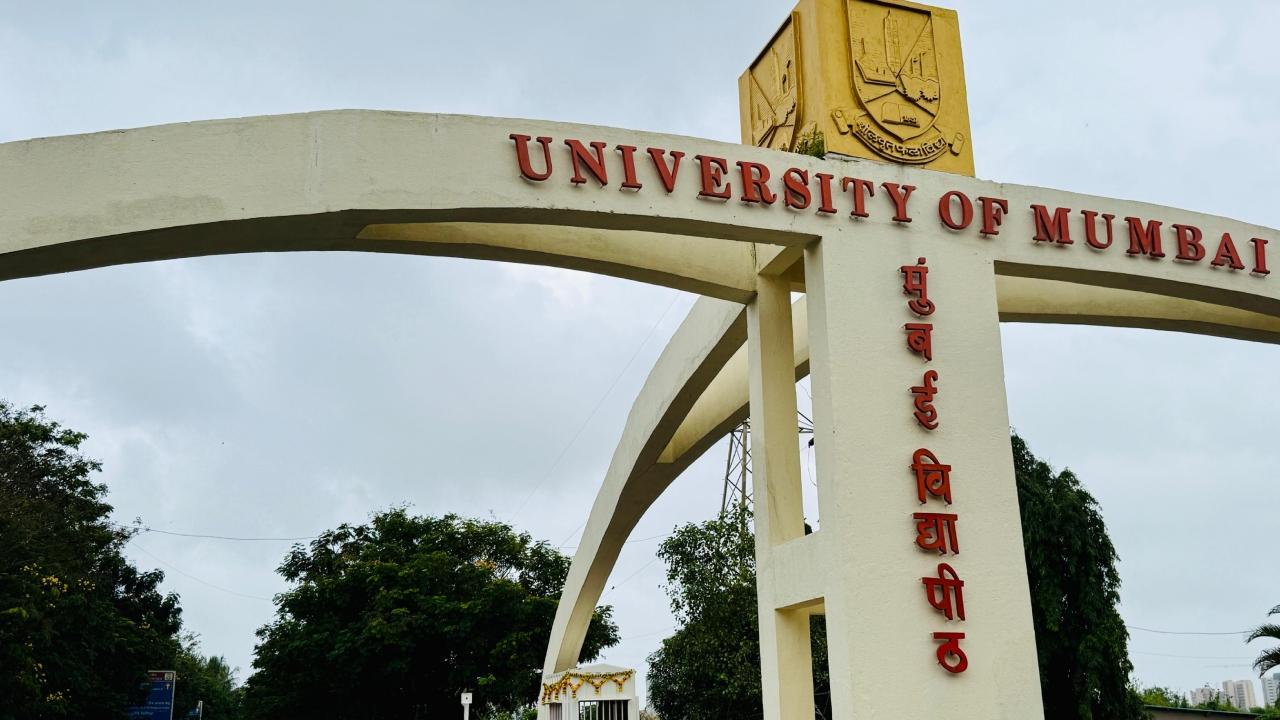
15 April,2026 05:55 PM IST | Mumbai | mid-day online correspondentMumbai University has started the pre-registration process for first-year undergraduate degree admissions for the academic year 2026-27, an official statement said on Wednesday. The students can begin registering through the official online admission portal which has been excepting the applications from April 13, it said. Two-step admission process The university has introduced a two-part pre-admission system: - Part 1: Pre-Registration: To be completed before the Class 12 results are declared - Part 2: Application: To be completed after the Class 12 results are announced Students must first register themselves on the portal before proceeding with the full application process. Profile creation and required details After registration, students will receive login credentials to create their profile. They will need to provide- - Personal details (name, address, contact number) - Educational qualifications - Reservation category (if applicable) - Photograph and signature - Academic Bank of Credits (ABC) ID - ABC ID Mandatory for Registration What is ABC ID The university has made it compulsory for students to have an Academic Bank of Credits (ABC) ID for pre-admission registration, the official statement said. Students who do not have an ABC ID must create one through the official government portal before applying, it said. The Academic Bank of Credits (ABC) is a revolutionary digital platform by the Ministry of Education, Government of India, built to support every learner’s journey—from early childhood to lifelong learning. In line with the National Education Policy (NEP) 2020 and powered by the National Credit Framework (NCrF), ABC acts as a dynamic academic portfolio that captures, stores, and showcases a learner's achievements across the entire education spectrum. Whether a student is a 3-year-old beginning your foundational stage, a teenager exploring subjects, a college student pursuing your passion, a professional upskilling mid-career, or a senior citizen learning out of curiosity—ABC belongs to the applicant for entire education of a student. Courses and colleges covered The registration process applies to admissions in - - Arts, Commerce and Science streams - Affiliated, autonomous, aided and unaided colleges - Recognised institutions and university departments - Sub-campuses in Thane, Kalyan and Ratnagiri district in Maharashtra All principals, directors and department heads have been instructed to ensure smooth implementation of the process, the statement said. How to apply? Students can access the pre-registration link under the “Admissions” section on the university’s official website. They must complete registration and profile creation to be eligible for admission once results are declared.
15 April,2026 05:34 PM IST | Mumbai | mid-day online correspondentMaharashtra Chief Minister Devendra Fadnavis has called on Members of Parliament from Maharashtra to support the proposed women’s reservation legislation during the upcoming special session of Parliament, while the Congress has raised concerns over the timing and intent of the move, calling it politically motivated, reported PTI. Push for Women’s Reservation Gains Momentum In a letter addressed to MPs from both Houses of Parliament and leaders of political parties in the state, Fadnavis urged them to ensure their presence during the special session scheduled between April 16 and 18. The session is expected to focus on clearing the proposed legislation aimed at operationalising the women’s reservation framework, reported PTI. According to PTI, the Chief Minister described the passage of the bill as a historic step toward strengthening women’s participation in governance. He emphasised Maharashtra’s legacy of promoting gender equality, highlighting that the state already provides 50 per cent reservation for women in local self-government bodies, reported PTI. Special Parliament Session and Legislative Roadmap The Centre is preparing to fast-track the implementation of the women’s reservation law through the introduction of a draft Constitution amendment bill. The proposal includes provisions to expand the strength of the Lok Sabha from the current 543 seats to as many as 850 seats. This expansion is intended to facilitate the implementation of a 33 per cent reservation for women ahead of the 2029 general elections. Additionally, the proposed changes would extend to state legislative assemblies and Union territory legislatures, ensuring similar reservation for women representatives. The process is expected to be linked to a fresh delimitation exercise based on the most recent census data. Congress Calls Move a ‘Calculated Strategy’ Reacting sharply, Congress spokesperson Atul Londhe accused the ruling party of using the women’s reservation bill as a political tool. He argued that the timing of the special session—coinciding with ongoing elections in several states—raises questions about the government’s intentions, reported PTI. Londhe said that if the Centre was genuinely committed to women’s empowerment, the law could have been implemented earlier, soon after its passage. Instead, he alleged that the government is now linking the issue with delimitation to gain electoral advantage, reported PTI. Concerns Over Delimitation and Representation The Congress leader further expressed apprehension about the implications of the delimitation process. Referring to the Delimitation Act, 2002, he noted that the law mandates the formation of an independent Delimitation Commission led by a retired Supreme Court judge. However, he claimed that the involvement of the Election Commission in the current process could raise questions about neutrality, reported PTI. Londhe also warned that the proposed changes might affect the political representation of Other Backward Classes, Scheduled Castes, and Scheduled Tribes. He pointed out concerns raised by southern states, arguing that if population becomes the sole criterion for delimitation, it could reduce their representation in Parliament. (With inputs from PTI)
15 April,2026 05:08 PM IST | Mumbai | mid-day online correspondentActivist Anjali Damania on Wednesday demanded that Rupali Chakankar be summoned for questioning by the Special Investigation Team (SIT) probing allegations against self-styled godman Ashok Kharat. The SIT was constituted by the Maharashtra government to investigate multiple cases against Kharat, including sexual assault and cheating. Damania cites call records, seeks SIT action Addressing a press conference in Mumbai, Damania claimed she possesses call data records indicating repeated communication between Chakankar and Kharat. She alleged that 177 calls were exchanged between the two, including one conversation lasting over 20 minutes in a single day. Based on these claims, Damania said it was necessary for investigators to formally question Chakankar. “Even after a month, she has not been summoned. I will demand before the SIT that she be called for questioning,” Damania said. Claims of wider political and official links Damania also released a list of alleged phone interactions involving Kharat and several politicians and government officials, suggesting that his influence extended across multiple circles. She claimed that while some individuals may have approached Kharat for personal or spiritual reasons, others may have had more specific motives. According to Damania, the circumstances surrounding Kharat’s rise warrant a deeper probe into possible connections and support systems. Questions raised over handling of investigation The activist further alleged lapses in police action, particularly regarding Kharat’s wife, Kalpana Kharat, who is currently absconding. She questioned why surveillance measures were not adequately enforced, suggesting the possibility of negligence or deliberate inaction that may have aided individuals linked to the case. Damania also criticised Chakankar’s earlier remarks describing the issue as a “media trial,” asserting that the call data in her possession justified a thorough and impartial investigation. Financial links under scanner In a related development, police earlier questioned Pratibha Chakankar, sister of Rupali Chakankar, in connection with alleged use of her bank account by Kharat. Investigators are examining financial transactions as part of the broader probe, alongside criminal allegations against the accused. Multiple agencies probing the case Kharat, who remains in police custody, is facing multiple criminal cases, including sexual assault and cheating. The Enforcement Directorate is also probing a suspected money laundering angle and has conducted raids at locations linked to him. Probe intensifies amid growing controversy The case has triggered a political and legal controversy in Maharashtra, with allegations, counter-allegations, and demands for accountability continuing to emerge. Authorities have maintained that the investigation is ongoing, with the SIT expected to examine all relevant evidence, including call records and financial transactions, before drawing conclusions. (With inputs from Agencies)
15 April,2026 04:47 PM IST | Mumbai | mid-day online correspondentADVERTISEMENT









-1776258942204_d.png "Bombay HC cites risk of influence, denies bail to Kurulkar. File Pic")