IN PHOTOS: Here are four iconic Mumbai bridges you need to know about
Updated On: 06 October, 2025 08:19 PM IST | Nascimento Pinto
As we bid farewell to the 125-year-old Elphinstone Bridge, we look back at other colonial-era bridges that carried carts, cars, and millions of daily lives (Story by Junisha Dama)



1/6

2/6
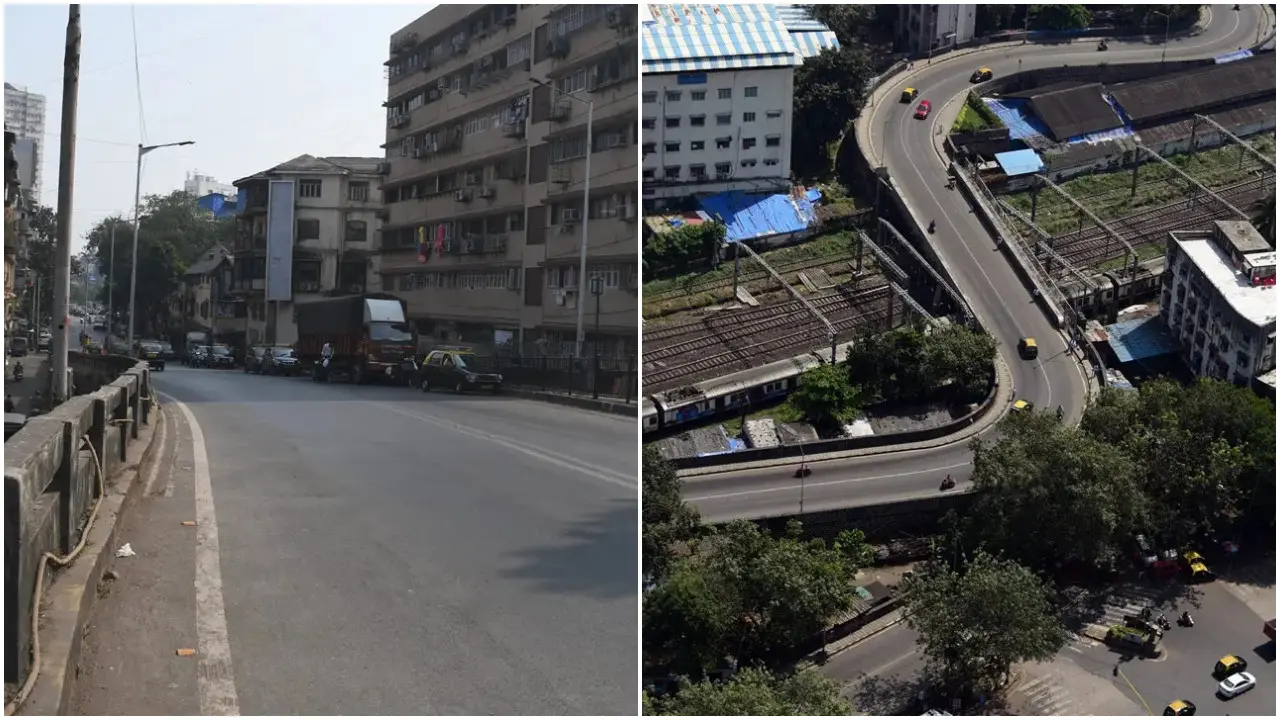
Elphinstone Bridge comes down
Elphinstone Bridge, standing tall since 1913, is being brought down after serving generations of commuters. Built as a crucial east-west connector over the railway line, it bore the name of Lord Elphinstone, Bombay’s Governor from 1853-60. For 125 years, it carried the city’s workforce; with its fall, we will see contemporary history take shape in the form of the Sewri-Worli Elevated Connector
ADVERTISEMENT

3/6
Tilak Bridge, Dadar
Built in 1925, Tilak Bridge, once known as Kingsway Bridge, was never just about moving people. It was part of a 1920s push to make Dadar a new residential hub. Linking east and west seamlessly, it transformed the suburb into a busy commercial and residential pocket. Today, it is being expanded into a new R375-crore, six-lane cable-stayed bridge, but the original stone-and-steel structure, from when Mumbai was still Bombay, remains.

4/6
Kennedy Bridge, Grant Road
For Girgaon residents, Kennedy Bridge is more than infrastructure. Spanning the tracks between Grant Road and Charni Road, it’s named after Lt Col John Pitt Kennedy, the first chief engineer of the BB&CI Railway. While the exact year it was completed is not known, it was built to prevent people from crossing the tracks, a common cause of fatalities. Over time, “Kennedy Bridge” grew to mean the whole neighbourhood, one that thrived in Bombay’s golden age. Its mention in old city literature cements it as a cultural marker. In Mumbai’s contemporary history, too, it has become the path for several Pride Parades, and continues to assist vehicular traffic efficiently
ADVERTISEMENT

5/6
Sandhurst Road Bridge Ramp
Step onto Sandhurst Road and you are literally standing on history. Built between 1921–23 by the Great Indian Peninsula Railway (GIPR), this steel viaduct carried India’s first elevated railway. You will still spot the inscriptions, GIPR 1921 Lutha Iron Works, Glasgow, on its weathered pillars. By 1925, this bridge supported India’s first two-tier station on the Harbour Line, changing Mumbai’s railway commute forever. Even today, despite corrosion and many replacements, it remains a landmark of Indian rail heritage

6/6
S-Bridge, Byculla
Built in 1913 by Tejoo Kaya and Company, the S-Bridge’s unusual serpentine shape was a clever solution for space constraints near Byculla station and the Rani Baug zoo. Constructed with black cobble and Malad stone, it once carried horse carts; today, it still bears the inscriptions of its GIPR inauguration
ADVERTISEMENT
ADVERTISEMENT
Photo of Day
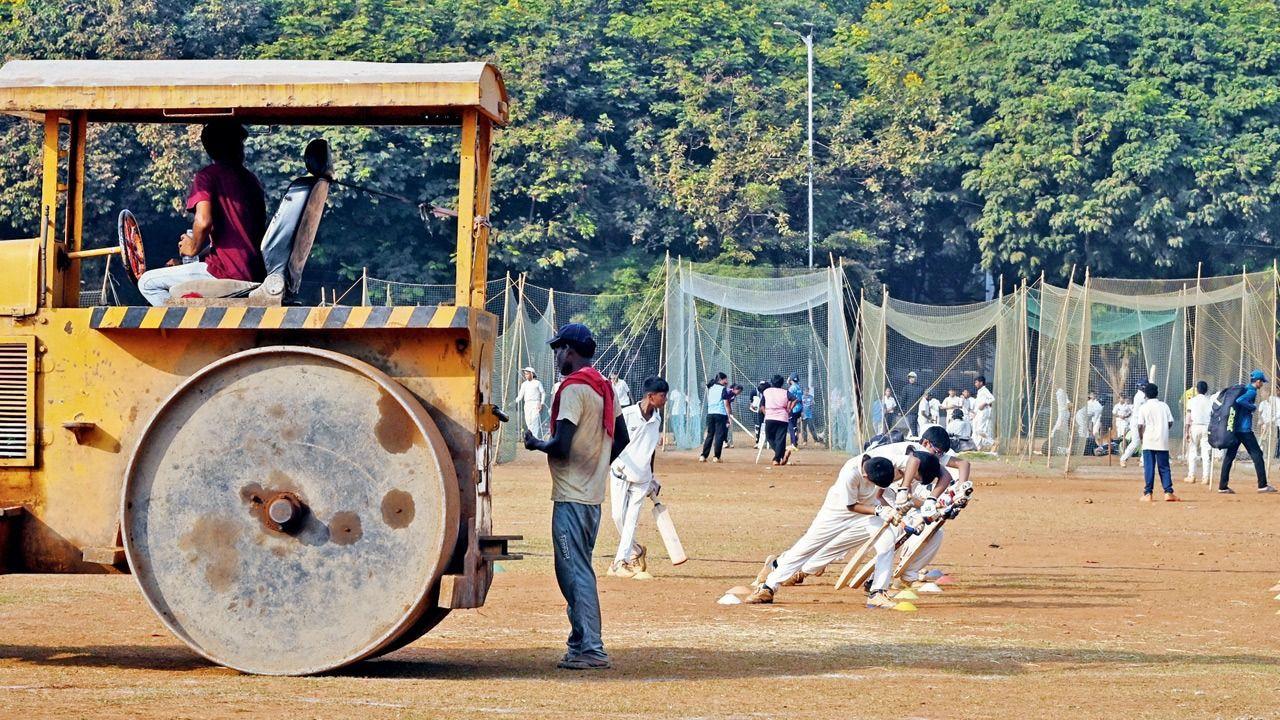
Pitch Perfect
Young cricketers practise forward defence in tandem at Shivaji Park in Dadar. Pic/Atul Kamble
ADVERTISEMENT