IN PHOTOS | Sao Joao 2025: 5 fascinating facts about the Goan festival celebrated every June
Updated On: 04 June, 2025 02:08 PM IST | Nascimento Pinto
Celebrated every year on June 24, the unique monsoon festival is a burst of colour and tradition that brings Goans together and this year is going to be no different. Here are some fascinating facts about the festival celebrated during this month





 01
 02

The festival marks the birth of St. John the Baptist—the prophet who, according to the Bible, leapt with joy in his mother Elizabeth’s womb upon hearing of Jesus’s coming
03
That very leap is joyfully echoed across Goa as people whether young or old jump into wells, ponds, and streams, symbolising renewal, gratitude, and shared happiness
04
While the festival is celebrated in a unique way across the state, some places give a whole new meaning to the celebration.
In Siolim, the festival takes on different form as rain-fed rivers become the stage for floating platforms made of banana trunks or boats, decorated with flowers and palm fronds, carrying groups of singing, dancing revellers. Locals in kopels (floral crowns) dance to the beats of the ghumot and kansallem, while mandós and folk songs echo through the air
05.jpg "In many places, a warm welcome is extended to newlywed sons-in-law, who wear kopels and are paraded joyously before taking the leap into a well")
In many places, a warm welcome is extended to newlywed sons-in-law, who wear kopels and are paraded joyously before taking the leap into a well
06
Processions often visit homes that have seen new beginnings—be it childbirth, weddings, or new homes—collecting dhalis and sharing blessings before gathering for a grand community celebration by the village well or stream
07
The beats of the traditional ghumot, folk songs, and the sharing of seasonal fruits and local feni turn these gatherings into spirited festivals of togetherness
Recommended Photos
ADVERTISEMENT
ADVERTISEMENT
Photo of Day
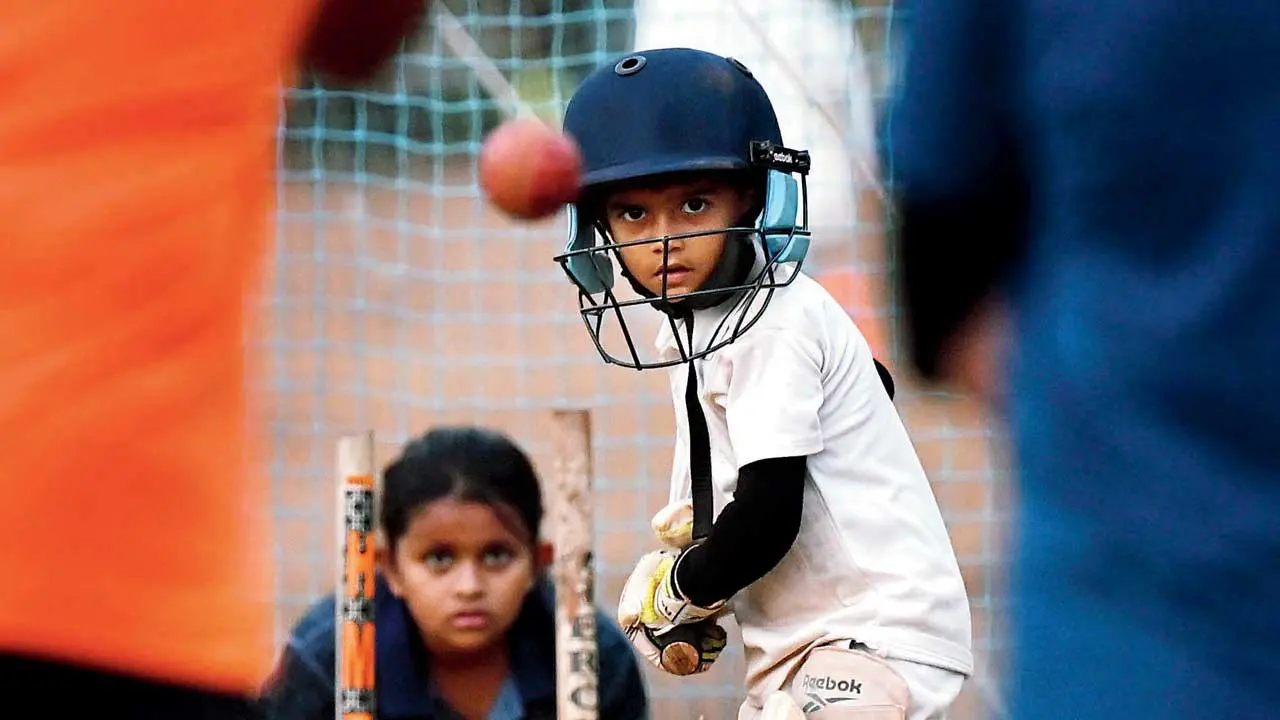
Eyes on the ball
Five-year-old Neeraj Jadhav locks his gaze on a delivery during net practice at Shivaji Park. Pic/Atul Kamble