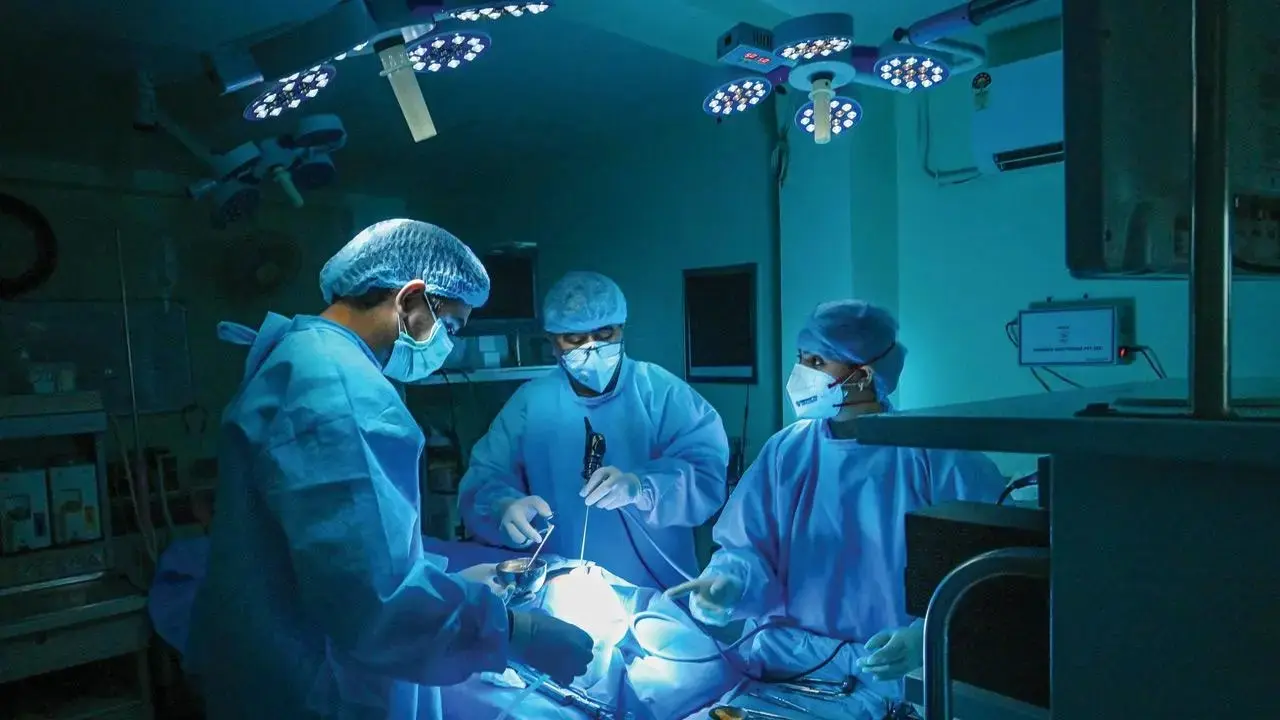
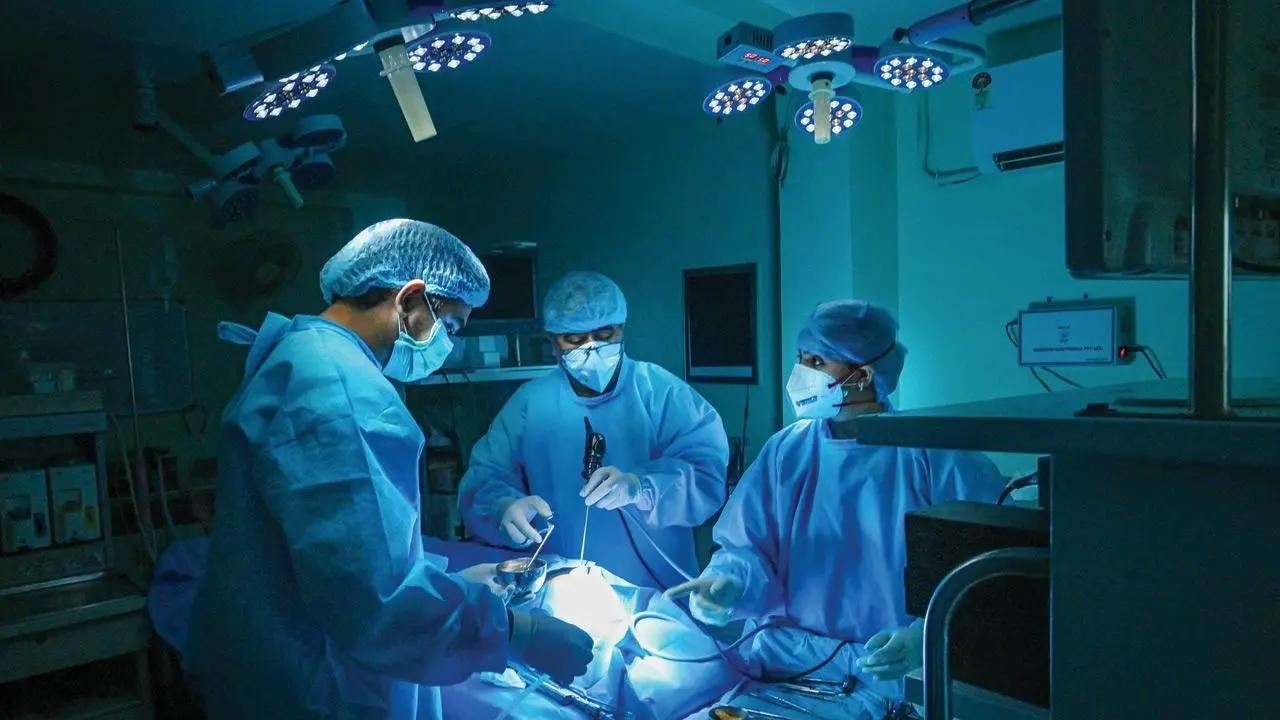
Stopping the consumption of tobacco dramatically reduces the risk of oral cavity cancer by more than 60 per cent, a study conducted by a Mumbai-based organisation has found. The study, conducted by the Centre for Cancer Epidemiology of the Tata Memorial Centre (TMC), demonstrated that quitting smoking and chewing habits reduces the risk of oral cancer or buccal mucosa cancer compared with continuous consumption. For this hospital-based case control study, enrolment was carried out in five TMC cancer centres located in Mumbai, Navi Mumbai, Barshi, Varanasi and Guwahati in India, during 2010-2022. The research was conducted on both men and women, aged 19-75 years. For the first time, the study shows a 61 per cent reduction in the risk of oral cavity cancer for smokers and a 42 per cent reduction for tobacco chewers compared to current users after quitting the habit for 10 years. However, this risk reduction never approaches that of people who have never consumed tobacco. This indicates that current tobacco users benefit from quitting, as the risk is reduced by almost 50 per cent, although their risk remains higher than that of never users. This suggests that tobacco quitting works, but not starting tobacco habits is more important. "About 20-25 per cent of our cancers are oral cancer, which is related to tobacco. Around 40 per cent of cancers, including bladder, kidney, esophageal, and pancreatic cancer, are also connected with tobacco. Therefore, quitting tobacco will reduce cancer in our country," the Advanced Centre for Treatment, Research and Education in Cancer (ACTREC), research wing of TMC, director Dr Pankaj Chaturvedi told reporters. He said chewing tobacco with areca nut almost doubles the cancer risk, but it was similarly reduced by quitting. "This is the first evidence demonstrating usefulness of tobacco cessation. Tobacco cessation reduces oral cancer risk by 60 per cent after 10 years of quitting, but the risk never approached even closer to never users. Therefore, it is always better not to start tobacco consumption," Centre for Cancer Epidemiology Director and author of the study Dr Rajesh Dixit said. He further said that the genetic susceptibility for oral cancer also increases, especially when combined with lifestyle factors, such as tobacco use. Tobacco cessation means stopping the use of tobacco in any form, such as cigarettes, bidis, gutkha, khaini, or chewing tobacco, he added. More than 30 per cent of India's population consumes tobacco in one form or other. Dr Sharayu Mhatre, Scientific Officer and lead author of the study, pointed out that these findings can be used for motivational counselling efforts, and provide evidence that all forms of tobacco are harmful but quitting can lead to risk reversal. "These results can support the development of future government guidelines and intervention policies, encouraging them to place greater emphasis on tobacco cessation," she added. This story has been sourced from a third party syndicated feed, agencies. Mid-day accepts no responsibility or liability for its dependability, trustworthiness, reliability and data of the text. Mid-day management/mid-day.com reserves the sole right to alter, delete or remove (without notice) the content in its absolute discretion for any reason whatsoever.
20 February,2026 10:09 PM IST | Mumbai | PTIIn an age of rising heart disease, diabetes, and stress-related illnesses, a simple habit like walking is gaining renewed attention. The idea of walking 10,000 steps a day has become a popular fitness goal but can it truly protect your heart? Experts say regular walking can significantly improve both physical and mental health. Dr. Nilesh Gautam, Consultant-Interventional Cardiology at P.D. Hinduja Hospital and Medical Research Centre, Khar, Mumbai, highlights the wide-ranging benefits of daily walking. “Walking 10,000 steps a day can improve blood pressure control, reduce blood sugar and cholesterol levels, and enhance cardiovascular fitness. It also helps with weight reduction, strengthens muscles and bones, and improves general well-being.” Lower blood pressure improves circulation and reduces the risk of heart attacks and strokes. At the same time, burning calories through walking helps lower cholesterol and maintain a healthy weight — two major factors in preventing heart disease. Studies suggest that a higher daily step count is associated with a 47 percent reduction in cardiac mortality and a 38 percent lower risk of dementia, pointing to both heart and brain health benefits, says the doctor. Benefits beyond the heart Walking is not just good for the cardiovascular system. According to Dr. Gautam, it can also improve digestion, reduce constipation, boost immunity, lower stress and anxiety ultimately improving sleep quality. “Even if you can’t hit 10,000 steps every day, any increase in physical activity improves heart and overall health,” he adds. The origin of the 10,000-step goal Interestingly, the 10,000-step target began as a marketing campaign in Japan during the 1964 Olympics. A step counter company chose the number because the Japanese character for 10,000 (万) resembled a person walking according to the BHF organisation. What started as a marketing idea gradually turned into a cultural fitness goal. As pedometers became popular in the 1970s and 1980s, and later with the rise of digital fitness trackers and smartphones, 10,000 steps was programmed as the default daily target. Despite its marketing origins, research over the years has supported the health benefits of regular walking. The British Heart Foundation notes that consistent walking is linked to a lower risk of heart disease, cancer, dementia, and improved mental well-being. To conclude: Walking remains one of the simplest and most affordable ways to protect your heart and improve overall health. While 10,000 steps is a useful benchmark, consistency matters far more than hitting a specific number. Even small increases in daily movement can significantly benefit both your heart and your mental and physical well-being. If 10,000 steps feels overwhelming, start small. Begin with 2,000 steps a day and gradually increase as your stamina and comfort improve. The key is to build a sustainable routine that suits your body
20 February,2026 09:04 PM IST | Mumbai | mid-day online correspondentMumbai doctors have restored vision to a 44-year-old gynaecologist from Mumbai who had become completely blind in both eyes after ten years of progressive vision loss caused by severe glaucoma and multiple refractory intraocular pathologies, none of which had responded to the several surgeries she had previously undergone. In a complex, first-of-its-kind surgical intervention in the world, the surgical team at Dr Agarwals Eye Hospital, performed the advanced 5F-ISHF IOL implantation technique on the patient, to remove a malpositioned artificial intraocular lens (IOL) in her left eye, along with optical penetrating keratoplasty (OPK), the novel 5F scleral fixation technique, and pupilloplasty in a single sitting to address her complex ocular complications. The patient regained 6/24 vision in her left eye immediately after surgery, a life-changing recovery that enabled her to return to her medical practice. She is further highly likely to gain even more improvement in her vision as the eye heals more after the surgery. The patient had a history of severe glaucoma, but the immediate cause of her profound vision loss was a malpositioned intraocular lens (IOL) in the left eye that was pressing against the iris and cornea and distorting the eye’s anatomy. This resulted in the front layers of the eye getting fused with each other. The faulty lens was removed and replaced with a new, properly positioned IOL placed using the 5F technqiue. The accompanying specialised procedures addressed the refractory complications and reconstructed the severely damaged ocular structures, ultimately restoring functional vision. Dr Ashvin Agarwal, chief clinical officer and senior ophthalmologist, said, “It is truly heartening to see this young medical professional return to her practice after years of suffering and progressive vision loss. This was an exceptionally complex case. The complexity and severity of her condition required multiple surgical approaches delivered in a seamless manner. This included extensive reconstruction of the distorted ocular anatomy, the use of the advanced 5F-ISHF technique to securely fix a new intraocular lens, and pupilloplasty. Addressing only one dimension of the problem would not have enabled her to regain functional vision in her left eye. It was the combined expertise, infrastructure, and surgical capability of our team that allowed us to provide a long-lasting solution.” Dr Soosan Jacob, director and chief - Dr Agarwal’s Refractive and Cornea Foundation (DARCF), who performed the surgery, said, “The patient was diagnosed with glaucoma in 2010 and had been undergoing treatment elsewhere for over a decade. Despite sustained care, including cataract surgery, trabeculectomy, and Mitomycin-C therapy, her vision had continued to deteriorate, eventually leading to total vision loss in the right eye and near blindness in the left. When she presented to us, she had only perception of light and projection of rays in her left eye. While she had a history of severe glaucoma, we identified that the immediate cause of her profound visual loss was a malpositioned artificial intraocular lens in the left eye. We therefore adopted a comprehensive approach, removing the faulty IOL, reconstructing the compromised ocular structures, and implanting a new lens using the 5F-ISHF technique.”
19 February,2026 02:59 PM IST | Mumbai | mid-day online correspondentIn a major step forward in advanced vascular care, Kolkata doctors have successfully helped give a new lease of life to an elderly man walk again. Dr. Ranjan Kr. Sharma, who is the senior consultant, Cardiology at Manipal Hospital, Salt Lake, performed advanced atherectomy-assisted procedure for Peripheral Artery Disease (PAD) in Kolkata. The minimally invasive treatment was carried out on a 75-year-old patient suffering from both heart and leg artery blockages, enabling him to recover quickly and return to his normal routine within just 24 hours. The patient had undergone angioplasty 11 years ago, during which two stents were placed in critical heart arteries - the Left Anterior Descending (LAD) artery and the Right Coronary Artery (RCA). Recently, he began experiencing shortness of breath and severe pain in his left leg while walking, a classic symptom of PAD known as claudication, refers to Peripheral Artery Disease, a condition where arteries that supply blood to the legs become narrowed or blocked, usually due to atherosclerosis (fatty plaque buildup). A fresh angiography revealed that while the earlier stents were functioning well, a new blockage had developed in the right coronary artery beyond the previous stent. More concerning were two severe blockages (70–80 per cent and 90 per cent, one heavily calcified) in the left superficial femoral artery, the main artery supplying blood to the leg. The cardiac team at the hospital, first performed a routine coronary angioplasty to restore blood flow to the heart. However, treating leg artery required a more advanced approach. Unlike heart arteries, leg arteries are exposed to external pressure from daily activities such as sitting and bending, making long-term stenting less reliable. To overcome this challenge, doctors used a state-of-the-art atherectomy device for the first time at the facility. The device works with a high-speed, drill-like rotating tip that carefully shaves off hardened cholesterol and calcium deposits from inside the artery. A built-in suction system simultaneously removes debris, preventing it from travelling to smaller vessels. This prepares the artery for safer balloon treatment and significantly reduces the need for permanent stents. Explaining the procedure, Dr. Ranjan Kr Sharma said, “In patients with severe calcium buildup in the arteries, inflating a balloon alone can damage the vessel and may force us to place a stent. Atherectomy helps by safely removing the hardened plaque first, making the treatment safer, reducing complications, avoiding unnecessary stenting, and ensuring better long-term outcomes. Earlier, recurrence rates were around 15–20%, but with this advanced technology, they can drop to less than 2–3%. With lifestyle-related diseases on the rise, Peripheral Artery Disease (PAD) is becoming increasingly common. PAD is more frequently seen in people with diabetes, high blood pressure, high cholesterol, and a history of smoking, and studies show that nearly 20% of patients with coronary artery disease may also develop it. Since symptoms are often mistaken for nerve pain, diagnosis is delayed, and in severe cases, the disease can progress to limb discoloration or even gangrene. Early diagnosis and advanced treatments like atherectomy can prevent major complications and significantly improve quality of life.” The additional step takes just 15–20 minutes and is minimally invasive. The patient was monitored for 24 hours due to the small groin puncture used to access the artery and was discharged the next day. He was advised to resume normal activities almost immediately. Expressing his relief, the 75-year-old patient Nabin Das (name changed) shared, “Walking had become painful and stressful. I was worried about losing my mobility. After the procedure, I feel comfortable and confident again. I am thankful to the doctors for giving me back my active life so quickly.”
19 February,2026 09:40 AM IST | Mumbai | mid-day online correspondentWalking across a room is something most people do without thinking. For 33-year-old Sumit, it had long been a daily struggle requiring effort, support, and determination. A survivor of polio since the age of one, Sumit lived with weakness and deformity in his left lower limb for decades. Sumit was affected by polio in early childhood, which left his left leg weak and deformed. Despite undergoing multiple corrective surgeries over the years, daily life remained challenging. He had reduced ankle movement, foot drop, and his heel could not touch the ground. Walking short distances caused pain and fatigue, and he often had to support his leg with his hand to move forward. Over time, he developed post-polio syndrome, a condition in which muscle weakness worsens many years after the initial polio infection, making activities like climbing stairs, maintaining balance, and walking increasingly difficult. In 2023, Sumit visited the StemRx Hospital & Research Centre in Navi Mumbai, at the age of 31, for the first time, seeking improvement in mobility and quality of life. He returned for two more treatment visits under medical supervision, with his third visit taking place in 2026, reflecting his commitment to long-term recovery. Now, after undergoing advanced regenerative and supportive therapies, he has experienced meaningful improvement in mobility, strength, and independence, giving him renewed zest for life. Embarking on his treatment journey, the doctors followed a step-by-step and comprehensive treatment approach. The therapies included advanced stimulations, hyperbaric oxygen therapy (HBOT), hydrogen therapy, physiotherapy, red light therapy, cellular therapy, and mitochondrial treatments. The goal was to strengthen weakened muscles, improve nerve function, increase cellular energy, and support better movement and balance. Dr Pradeep Mahajan, regenerative medicine researcher and founder of the hospital, said, “Post-polio syndrome occurs when muscles and nerves that were previously affected by polio begin to weaken further many years later. Patients often experience fatigue, pain, and reduced mobility, which can significantly impact daily life. Our approach focuses on improving cellular function, enhancing muscle strength, supporting nerve health, and optimizing overall movement through a personalised and progressive treatment plan. In Sumit’s case, the key was consistency and a multi-therapy approach. Over successive visits, we observed improvement in muscle strength, balance, and functional movement. This case highlights that even long-standing neurological and muscular conditions can show progress when treatment is tailored to the individual and continued over time.” Sharing his experience, Sumit said, “For years, walking even short distances was painful and exhausting. I had to hold my leg to move, and the stairs felt impossible. With each visit to StemRx, I noticed small but meaningful changes. Today, I can walk without holding my leg, climb stairs with more confidence, and my pain has reduced significantly. The biggest change for me is independence. I feel stronger, more balanced, and more confident in my daily life. This journey has given me hope that improvement is possible, even after living with polio-related problems for so many years.”
18 February,2026 04:54 PM IST | Navi Mumbai | mid-day online correspondentPooja’s journey to motherhood began with hope in early 2021, but soon turned into heartbreak after her first miscarriage. Despite emotional recovery, the couple faced a second miscarriage in mid-2022, followed by a third loss in late 2022, leaving them devastated and anxious about future pregnancies. Clinically, recurrent pregnancy loss is defined as two or more consecutive miscarriages. Experiencing three pregnancy losses between 2021 and 2022 placed Pooja in the RPL category, warranting specialised care. RPL affects nearly 1–2 per cent of couples, and in close to 50 per cent of cases, identifiable and treatable medical causes are found. After nearly a year of emotional and physical recovery, the couple sought specialised treatment in November 2023. A detailed evaluation revealed high blood pressure, hormonal imbalance, thrombophilia (a blood-clotting tendency), and insulin resistance, conditions known to increase the risk of miscarriage and pregnancy complications. Following medical optimisation and counselling, the couple proceeded with in vitro fertilisation (IVF) under close supervision. The pregnancy was confirmed in early 2024 and closely monitored at Motherhood Hospital in Gurgaon, under the care of Dr. Preety Aggarwal, who is the medical director – Obstetrics and Gynaecology, at the hospital. The early months progressed smoothly, offering cautious hope after years of uncertainty. However, at around 31 weeks of gestation, her BP increased, and a routine ultrasound detected foetal growth restriction (FGR) and reduced blood flow to the baby. FGR affects nearly 5–10 per cent of pregnancies and occurs when a baby does not grow at the expected rate in the womb, increasing the risk of foetal distress and preterm birth if not managed in time. Recognising the risk, the medical team administered antenatal steroid injections to accelerate lung maturity and placed the mother under close monitoring. When early signs of foetal distress appeared, doctors made a planned decision to proceed with a caesarean section at 32.5 weeks of pregnancy (early eighth month) to ensure the safety of both mother and baby. The preterm newborn was immediately shifted to the NICU for specialised care. The baby required respiratory support, temperature regulation, and assisted feeding, and remained in the NICU for approximately 18 days. Kangaroo Mother Care (skin-to-skin contact) was encouraged, helping stabilise breathing, promote weight gain, and strengthen mother–baby bonding. With gradual improvement, the baby began accepting feeds independently and showed steady growth. Both mother and baby were discharged in stable condition and advised regular paediatric follow-ups, growth monitoring, and developmental assessments. Commenting on the case, Dr Aggarwal said, “Recurrent pregnancy loss is physically and emotionally exhausting for couples. This patient came to us with a history of three miscarriages and significant anxiety. Her evaluation revealed multiple medical risk factors, all of which required careful management. Close monitoring throughout pregnancy helped us identify complications early. She added, “At 31 weeks, foetal growth restriction and reduced blood flow indicated compromised nourishment. Timely steroids, continuous observation, and a planned preterm delivery ensured a safe outcome. Although the baby was born early, structured NICU care supported steady recovery.” Sharing her experience, Pooja said, “After losing three pregnancies, we were scared to hope again. When the doctors explained that my condition was recurrent pregnancy loss and that the causes were treatable, it gave us strength. Delivering early was frightening, but I trusted the medical team. Today, seeing my baby grow stronger every day feels like a miracle.” The case highlights the importance of early evaluation even after a first miscarriage. While a single pregnancy loss may occur due to chance, timely assessment can identify hormonal and metabolic disorders before they lead to recurrent loss. Early diagnosis, planned conception, and specialised high-risk care can significantly improve outcomes, offering hope to couples facing similar challenges.
17 February,2026 11:30 AM IST | Gurgaon | mid-day online correspondentDoctors at a hospital in Delhi have successfully treated a five-day-old infant diagnosed with congenital hydrocephalus, a rare neurological condition involving an abnormal accumulation of fluid in the brain. The condition was detected during the last trimester of the pregnancy. This allowed helped the medical team at Manipal Hospital, Dwarka, to initiate the treatment immediately after birth to prevent potential neurological damage. The hospital said in a statement that the mother was recommended to undergo a fetal MRI to assess the extent of the condition, followed by counselling for the parents. According to doctors, congenital hydrocephalus is a condition present at birth. It causes the head to enlarge due to excess fluid building up in the brain and increased pressure. The condition can occur due to problems in brain development during pregnancy, genetic factors, or blocked fluid flow, which can further lead to serious brain damage if not treated in time. Following delivery, the newborn was placed under close observation in the Neonatal Intensive Care Unit (NICU). Surgeons performed a delicate procedure to implant a programmable ventriculoperitoneal (VP) shunt. The device drains excess fluid from the brain to relieve intracranial pressure, the hospital said. Dr Anurag Saxena, Cluster Head of Neurosurgery for Delhi NCR, said the condition can cause "serious and irreversible neurological damage. If left unaddressed, it can lead to severe brain injury, developmental delays, seizures, and may also turn life-threatening". "In this case, the biggest advantage was the early diagnosis during pregnancy, which allowed us to plan the surgery well in advance," Dr Saxena said. He added that neurosurgery on a newborn is challenging due to delicate anatomy, very low circulating blood volume, risks of hypothermia and the complexities of anaesthesia. Dr Meenu Grewal, Consultant Neonatologist, said the baby showed a smooth and stable recovery in the NICU with no post-operative complications. She noted that early intervention significantly reduced the risk of long-term complications. The multidisciplinary team led by Dr Saxena, along with Dr Tejasvi Singh and Dr Ankit Kaura. This story has been sourced from a third party syndicated feed, agencies. Mid-day accepts no responsibility or liability for its dependability, trustworthiness, reliability and data of the text. Mid-day management/mid-day.com reserves the sole right to alter, delete or remove (without notice) the content in its absolute discretion for any reason whatsoever.
16 February,2026 10:18 PM IST | New Delhi | PTIIn a major step towards strengthening student well-being in higher education, Indian Institute of Technology Roorkee (IIT Roorkee) on Sunday announced it has started drafting a comprehensive mental health policy for its campus community. The initiative is being seen as a landmark move that could set a model for other IITs across the country. The first draft of the policy has been prepared by the institute’s Wellness Centre, which serves as a mental health care facility for students, faculty and staff. The draft was developed with inputs from the Dean of Student Welfare, Associate Dean of Student Wellness, clinical psychologists at IIT Roorkee, external advisors and faculty members, ensuring that the framework reflects both professional expertise and institutional experience. The initiative was further strengthened through “SAHYOG 2.0”, a focused inter-IIT discussion aimed at sharing ideas and learning from the experiences of other IITs. The goal of the dialogue was to understand the policies, protocols and governance systems already in place at different IITs and to incorporate best practices into a comprehensive and inclusive mental health policy for the entire IIT community. SAHYOG 2.0 builds on the success of SAHYOG 1.0, which was held in 2024. The latest edition also aligns with recent directives of the Supreme Court of India and the University Grants Commission (UGC), both of which have stressed the importance of mental health governance in higher education institutions. The discussions during SAHYOG 2.0 covered a wide range of issues, including how institutions can frame and implement mental health policies, the need for preventive and responsive support systems, and the role of Wellness Centres, counselling cells and student welfare bodies. Participants also discussed how to standardise mental health policies across IITs and create clear standard operating procedures for handling crisis situations. The event brought together delegates from all IITs, including Deans, faculty members and mental health professionals. Renowned external advisors from institutions such as All India Institute of Medical Sciences Rishikesh, Government Medical College and Hospital Chandigarh, Institute of Human Behaviour and Allied Sciences, King George's Medical University, Tata Institute of Social Sciences, Institute of Psychiatry Kolkata, O P Jindal Global University, Mariwala Health Initiative, University of Delhi and Uttarakhand Police Special Investigation Force also took part. A Supreme Court advocate and an anthropologist were among the distinguished officials present. Speaking about the effort, IIT Roorkee Director Prof K.K. Pant said that mental health and well-being have become critical pillars of excellence in higher education. He said initiatives like SAHYOG 2.0 show a shared recognition of this responsibility among institutions. This story has been sourced from a third party syndicated feed, agencies. Mid-day accepts no responsibility or liability for its dependability, trustworthiness, reliability and data of the text. Mid-day management/mid-day.com reserves the sole right to alter, delete or remove (without notice) the content in its absolute discretion for any reason whatsoever.
16 February,2026 10:08 PM IST | Uttarakhand | IANSMumbai doctors have successfully treated a 66-year-old woman who was struggling with severe chest pain and breathlessness that made even short walks difficult. Despite her symptoms pointing toward a serious heart blockage, routine tests showed no major artery obstruction, leaving her condition unexplained. Using advanced diagnostic technology, doctors were able to uncover a hidden heart condition that often goes undetected, especially in women and diabetic patients. This timely diagnosis helped the medical team choose the right treatment and avoid unnecessary procedures. With targeted medical care, her symptoms gradually improved. Today, she has recovered well and is back to her daily routine, moving freely and living with renewed confidence and comfort. Using the newly introduced coronary microcirculation assessment with the CoroFlow system, doctors were able to uncover a hidden disorder of the heart’s microcirculation, avoid unnecessary angioplasty, and provide targeted treatment. The patient has since recovered well and returned to her normal daily activities. The patient, Rajni Gaikwad, a resident of Pune, visited Gleneagles Hospital in Parel, with symptoms strongly suggestive of angina. She could barely walk 10 metres before experiencing intense chest heaviness, discomfort, and breathlessness. These symptoms had severely limited her daily routine, leaving her dependent on others and anxious about her health. Given the classic presentation of heart blockage, the medical team proceeded with coronary angiography. However, the test revealed only moderate blockages of 50–70 per cent, which typically do not cause such severe symptoms. With her distress continuing and no clear explanation, the team decided to look beyond conventional testing. A specialised Coroflow coronary microcirculation test was performed soon after its official launch in the country, marking the first such case in India as well as in western India in Mumbai and Navi Mumbai. The test revealed that the patient’s symptoms were due to microcirculatory disease affecting the tiny blood vessels of the heart that are not visible on routine angiography. Dr Rahul Gupta, director - Cardiologist at the hospital said, “When we perform an angiogram, we are actually able to see only about 5 per cent of the heart’s blood flow. This test shows the large arteries, which act like the main pipelines of the heart. However, nearly 95 per cent of the blood flow happens through the tiny vessels known as the microcirculation, and this entire network is not visible on a routine angiogram. In some patients, these small vessels may be diseased or not functioning properly, even when the major arteries appear only mildly blocked. Because this large 95 per cent of portion of circulation is hidden, patients can continue to suffer from severe chest pain and breathlessness without a clear diagnosis. Identifying microcirculation disease is therefore crucial to understanding the real cause of symptoms and offering the right treatment.” Dr Rahul added, “India is often referred to as the diabetes capital of the world, with a rapidly increasing number of people affected across all age groups. In many patients, especially women and those living with diabetes, chest pain can occur even when angiography appears normal or shows only mild blockages. This is because traditional angiography examines only a small portion of the heart’s blood flow, while most of the circulation happens through tiny blood vessels that were previously difficult to assess. This advanced test now helps doctors clearly determine whether chest pain is truly heart-related and select the most appropriate treatment. In this patient’s case, the test showed that her major heart arteries were not responsible for her symptoms. Instead, she was found to have a disease of the heart’s microcirculation, a condition commonly seen in people with diabetes. The heart’s microcirculation consists of very small blood vessels that supply oxygen and nutrients to the heart muscle. When these vessels do not function properly, blood flow is reduced, leading to chest pain and breathlessness even when major arteries appear only mildly blocked. Based on this crucial finding, we concluded that angioplasty or bypass surgery would not have benefited her and could have been unnecessary. She was instead treated with targeted medications and personalised lifestyle guidance focused on microcirculatory disease. Following this treatment, her symptoms improved significantly, and she is now doing well. The city-based further explained, “This case highlights that angiography alone does not always tell the full story. If such patients are not diagnosed at the right time, they may continue to suffer, face repeated hospital visits, and develop complications such as worsening heart function and reduced quality of life. By studying the heart’s microcirculation, we were able to find the real cause of her pain and provide the right treatment at the right time. When was the patient discharged? Not treating her at the right time could have led to complications like? This approach is especially important for women and diabetic patients, who often suffer silently despite having ‘normal’ angiography reports.” “I was living in constant fear because even small tasks like walking to another room would leave me breathless and in pain. I could not do my daily activities, and my independence was slowly slipping away. Despite undergoing tests, I still did not have clear answers, which was very distressing for my family. The doctors at Gleneagles Hospital listened patiently and did not give up until they found the real cause of my problem. After the correct treatment, my pain gradually reduced, and I can now walk comfortably and manage my daily routine again. I am deeply thankful to the doctors and the entire hospital team for giving me my life back and sparing me from an unnecessary stenting procedure,” said the patient.
16 February,2026 02:07 PM IST | Mumbai | mid-day online correspondentRecent changes to the Goods and Services Tax (GST) framework -- simplified tax structure, removal of tax on drugs and medical equipment and increased taxation on tobacco products -- mark an important policy shift towards making cancer care more affordable and accessible, AIIMS researchers have said. In a commentary published in Frontier, Oncologist Dr Abhishek Shankar and Scientist Dr Vaibhav Sahni from the Department of Radiation Oncology, Dr BR Ambedkar Institute Rotary Cancer Hospital, AIIMS, Delhi, noted that the reforms acknowledge the financial toxicity faced by cancer patients and attempt to address long-standing gaps in treatment affordability. The researchers mentioned that the GST council, in its 56th meeting, recommended the total exemption of 33 lifesaving drugs, including those used in cancer care, from GST altogether (erstwhile 12 per cent to now zero and three critical drugs for rare diseases and cancer from 5 per cent earlier to zero). The council has also recommended no GST application on individual health and life insurance policies (from 18 per cent previously). An important aspect of this policy reform is that it includes certain patented drugs with no generic alternatives, they said. In another significant step, the authors stated that the council has also increased the tax slab for tobacco products to 40 per cent, which is the highest for any class of goods in the country. Tobacco and products related to it shall, however, remain under the 28 per cent tax slab till loans and compensation cess have been paid. "Regardless, the new taxation slab on health-harming products is a step in the right direction and provides increased opportunity to redirect the generated revenue for funding cancer care in the country. "There is evidence in literature which supports the fact that tobacco taxation leads to improved health outcomes, particularly in economically disadvantaged sections of society," the researchers said. A subnational study using the extended-cost effectiveness model across four Indian states found that a price increase of Rs 10 per cigarette with an ad valorem of 10 per cent led to 65,762 individuals from the top income bracket and 485,725 individuals from the bottom income bracket quitting smoking. This adjustment led to the prevention of 665,000 mortalities, a gain of 11.9 million years of life, and over USD 1.96 trillion in averted treatment costs. Additionally, it led to the saving of over USD 762.5 million for AB-PMJAY (Ayushman Bharat Pradhan Mantri Jan Arogya Yojana), which is India's universal health coverage scheme. The modelling considered only the coverage for those below the poverty line, as noted by the researchers. Recent literature suggests that a 50 per cent hike in tobacco tax stands to avert 1.8 million mortalities while saving, over the span of a decade, Rs 11.9 trillion. It has also acknowledged that affordability for cigarettes has either remained neutral or improved, and that for smokeless tobacco, it has improved in India over a period of time. Therefore, increasing the tax slab for these is a welcome step, the researchers underlined. Dr Shankar, Assistant Professor in the Department of Radiation Oncology at AIIMS, Delhi, said, "The complete removal of GST on several life-saving cancer drugs and rare disease therapies, along with reductions on medical equipment and diagnostics, will significantly lower out-of-pocket expenditure for patients, provided the benefits are fully passed on by manufacturers." Authors added that the exemption of health and life insurance from GST could further reduce financial barriers to care, especially for middle- and lower-income households. Dr Shankar and Dr Sahni also highlighted the public health importance of raising GST on tobacco products, calling it a positive step toward reducing future cancer burden while generating revenue that could be redirected into cancer care and prevention. However, they cautioned that effective implementation, timely tax refunds to manufacturers, and ongoing monitoring will be crucial to ensure these reforms translate into real-world gains for patients and the healthcare system. "Overall, these economic policy changes should be regarded as steps in making cancer care more affordable and accessible, as well as ones which promote health in society. The key takeaways from these reforms in terms of healthcare involve a simplified tax structure, removal of tax on drugs and medical equipment and increased taxation on tobacco products," the researchers said.
15 February,2026 01:52 PM IST | New Delhi | PTIThe Indian Institute of Technology Bombay (IIT Bombay) on Friday said its researchers have found that too much mucus can weaken the lungs' defences, which can make people more prone to allergy attacks. The airways to the lungs have a naturally engineered defence mechanism that gets activated when any foreign material enters the airways by secreting a fluid called mucus to trap it. However, for millions of people living in cities like Delhi, Mumbai, Bengaluru and other metros, the rising levels of air pollution have been posing a persistent health hazard, with heavy smog-filled air causing severe respiratory issues. In a recent study, IIT Bombay researchers have found that as mucus volume increases in response to pollution (or a foreign material) in the airways, its defence does not improve. Instead, the study conducted by Swarnaditya Hazra and Professor Jason R Picardo, found that the increased mucus volume ends up creating narrow 'humps' that leave large patches of the airway walls completely exposed. "This patchy landscape could explain why excessive mucus is detrimental, potentially allowing fine soot particles to penetrate deep into our systems and triggering asthma attacks," added the study. A significant fraction of soot particles has submicron sizes, such tiny particles would deposit on the airway wall by diffusion if the wall is left exposed, explained Professor Picardo. "Our work shows that the mucus coating, which lines the airways, becomes more patchy as its volume increases," he said. While it might seem logical that more fluid would lead to greater coverage, the researchers found that it was not so. "To be clear, our finding is that a more voluminous mucus film gathers into humps that are deeper but narrower, consequently, the mucus-depleted zones expand. This is indeed counterintuitive," Professor Picardo said. For residents of high-pollution zones, this finding is more than a mathematical curiosity, it is a matter of respiratory survival. Soot particles, common in urban environments, are often submicron in size or thousands of times thinner than a human hair and these tiny particles move through a process called diffusion, and they are highly likely to land on any exposed part of the airway wall. When mucus becomes patchy due to its high volume, it leaves the lung walls vulnerable, the study revealed. "Beyond the lack of coverage, excessive mucus can also lead to the physical plugging of the airways, obstructing the very air we need to survive," said Hazra. This research also sheds light on the 'vicious cycle' of rapid-onset asthma. When a person with asthma inhales an allergen, their body reacts by secreting more mucus and according to the IIT Bombay study, this hypersecretion causes the mucus to gather into those narrow humps, exposing more of the airway wall to the very allergens that caused the reaction in the first place. Professor Picardo said, "This could amplify the allergic response as allergen deposition triggers mucus oversecretion and airway constriction... this in turn would result in more of the wall becoming exposed to allergens, whose subsequent deposition would amplify the allergic response." While further work is needed to link fluid mechanics to cellular responses, the study provides a physical basis for why some asthma attacks escalate so rapidly. Understanding how these mucus humps form and where they catch particles can help scientists to design 'designer drug particles' that land exactly where they are needed, added the study. This story has been sourced from a third party syndicated feed, agencies. Mid-day accepts no responsibility or liability for its dependability, trustworthiness, reliability and data of the text. Mid-day management/mid-day.com reserves the sole right to alter, delete or remove (without notice) the content in its absolute discretion for any reason whatsoever
14 February,2026 01:55 PM IST | Mumbai | PTIADVERTISEMENT








-1771595977153_d.png "Walk your way to better heart health. Representational Image")