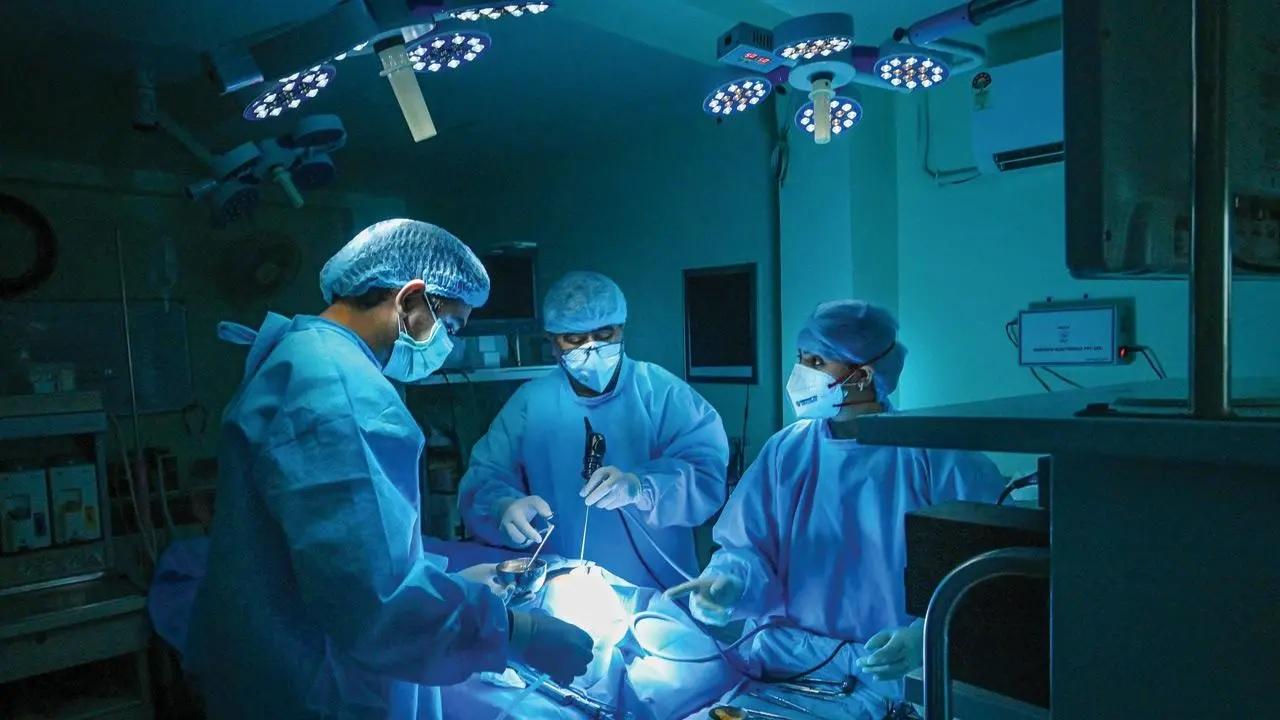
Artificial Intelligence (AI) will play a pivotal role in accelerating drug discovery, enabling precision medicine and shaping a smarter, innovation-led healthcare ecosystem, according to experts. Pharma leaders emphasised reimagining processes rather than merely digitising existing systems. They highlighted the growing importance of strong data and technology foundations to enable scalable AI adoption and stressed the immediate benefits of automation in improving clinical efficiency. The first day of the 9th ‘India Pharma 2026’ witnessed four high-impact plenary sessions that brought together policymakers, industry leaders, regulators and technology experts to chart the future of India’s pharmaceutical and life sciences ecosystem. The inaugural plenary session highlighted the urgent need to bridge the gap between policy intent and on-ground execution. Manoj Joshi, Secretary, Department of Pharmaceuticals, emphasised industry-led model for Research and Development, importance of strengthening government lab networks and attuning regulatory model to that of European systems. Rajiv Bahl, Secretary, Department of Health Research, said though research funding has increased manifold over the last few years, the country needs a Bharat model of R&D with confidence of the market in the innovators and increased trust between industry and academia. According to the Ministry of Chemicals and Fertilisers, industry leaders echoed the need for increased venture capital participation and co-funding mechanisms to nurture research-driven enterprises, stronger industry-academia integration and underscored the importance of integrated ecosystems to translate early-stage discoveries into global solutions. The second plenary session focused on creating a predictable, efficient and globally aligned regulatory framework. Dr. Rajeev Singh Raghuvanshi, Drug Controller General of India, highlighted the importance of stakeholder consultations in shaping responsive regulatory systems. The third plenary session explored the transformative potential of artificial intelligence across the pharmaceutical value chain. The fourth session brought focus to India’s growing role in the global Contract Research, Development and Manufacturing Organisation (CRDMO) landscape. The panel noted that India’s CRDMO industry, currently valued at around $8 billion, has been growing at a robust pace of 10–12 per cent, reflecting strong global outsourcing demand. This story has been sourced from a third party syndicated feed, agencies. Mid-day accepts no responsibility or liability for its dependability, trustworthiness, reliability and data of the text. Mid-day management/mid-day.com reserves the sole right to alter, delete or remove (without notice) the content in its absolute discretion for any reason whatsoever.
14 April,2026 11:28 AM IST | New Delhi | IANSTalegaon doctors have given a 63-year-old man battling advanced lung cancer a new lease of life with timely treatment. Struggling with severe breathlessness, constant cough, and swelling over the body, his condition had progressed to a stage where even basic daily activities became difficult. The doctors used advanced radiation therapy to help alleviate his symptoms and improve his overall condition, highlighting the impact of precision-based cancer care in critical cases. The patient, who is a resident of Talegaon, had been silently battling worsening breathlessness, a persistent cough, puffiness of the face, and swelling across his body for three weeks. At his age, even simple daily activities became exhausting, and his condition gradually took a toll on his strength and independence. His symptoms worsened and began to severely affect his quality of life. The patient went to various physicians and nearby hospitals, but none were able to relieve his symptoms. However, he approached TGH Onco Life Cancer Centre for treatment. Dr. Abhishek Purkayastha, consultant radiation oncologist at the hospital said, "The patient came to us in a critical state with severe breathlessness, persistent cough, and visible swelling of the face and whole body, all of which are signs of advanced lung cancer. He underwent a CT scan of the chest, which revealed a large mass in the upper lobe of the right lung measuring 10.4 x 9.3 x 8.5 cm. The tumour had spread to the right upper lobe bronchus, nearby airway structures, and the superior vena cava, causing significant compression and leading to his distressing symptoms. A biopsy confirmed the diagnosis of poorly differentiated adenocarcinoma. Considering the advanced stage of the disease and the patient’s fragile condition, a decision was made to initiate radiation therapy to provide symptomatic relief and control disease progression. The patient required urgent medical attention, as any delay in treatment could have led to serious, life-threatening complications. Locally advanced lung cancers can lead to airway blockage, reduced oxygen levels, and compression of major blood vessels, affecting the patient’s quality of life. Early diagnosis and timely medical intervention play a very important role in managing these cases and preventing further complications.” Dr Purkayastha further added, “The patient was treated using Volumetric Modulated Arc Therapy (VMAT), delivering 40 Gray radiation in 16 fractions. This advanced technique allows us to deliver highly precise radiation to the tumour through 360-degree rotating arc method while protecting surrounding vital organs such as the heart, lungs, and major blood vessels. The patient showed a very good response to the treatment, with complete relief from breathlessness, cough, and swelling. He required 16 sessions, and follow-up scans showed a reduction in the size of the tumor. Such advanced radiation technologies have made it possible to manage even complex and advanced cancers more effectively, improving survival for patients.” “I was constantly struggling to breathe, and even simple activities felt exhausting. After the treatment, my body swelling has reduced, I feel much better, and can breathe comfortably again. I am truly grateful to Dr Abhishek Purkayastha and his team for their timely care and support,” concluded the patient.
14 April,2026 10:59 AM IST | Talegaon | mid-day online correspondentFor years, a 31-year-old teacher silently endured severe pain during her periods, believing it was simply a normal part of being a woman. The pain was so severe at times that she often relied on painkillers and occasionally struggled to maintain her routine at work. When she and her husband finally began planning for a baby, the dream of motherhood suddenly seemed distant after doctors diagnosed her with severe endometriosis and low ovarian reserve (AMH), conditions that often make natural conception difficult. However, in a remarkable turn of events, timely laparoscopic surgery and specialised treatment has helped her conceive naturally and later welcome a healthy baby girl, 3.1kg kgs through a planned C-section, transforming years of pain and uncertainty into a story of hope. A silent struggle ignored for years The 31-year-old resident from Kharghar and a teacher by profession, was leading a happy and active life until persistent health issues began affecting her routine. For nearly two years, she had been experiencing severe pelvic pain during her menstrual cycles but assumed it was normal menstrual discomfort, something many women tend to ignore. After four years of marriage, when she and her husband began planning for a child, she noticed that she was not ovulating regularly. Concerned, she sought medical advice and underwent fertility evaluations. During her consultation in early 2025, Dr Surabhi Siddhartha, consultant, obstetrician and gynaecologist at Motherhood Hospitals in Navi Mumbai's Kharghar, advised detailed diagnostic tests, including Transvaginal Sonography (TVS), and a Color Doppler scan. The investigations revealed the underlying cause, which is endometriotic cysts and multiple endometriotic spots, confirming advanced endometriosis. The scans also showed dense pelvic adhesions, which were a major concern, where several organs, including the uterus, ovaries, and bladder, had become abnormally stuck to surrounding tissues due to the disease. Diagnosis: Endometriosis and low AMH Further investigations revealed that the patient had low Anti-Müllerian Hormone (AMH) levels, indicating reduced ovarian reserve. Endometriosis can damage ovarian tissue and disrupt ovulation, making natural conception difficult. Considering the combination of severe adhesions and low AMH, the patient had earlier been advised that she might require IVF treatment to conceive. Complex laparoscopic surgery restores hope After carefully evaluating her condition, the medical team led by Dr. Surabhi Siddhartha and Dr. Ujjwal Mahajan decided to perform advanced laparoscopic surgery to remove the endometriotic cysts and release the adhesions affecting the pelvic organs. Dr. Surabhi said, “During the surgery, we discovered extensive adhesions where the uterus had become attached to the bladder in the front and the intestines behind. Endometriosis often causes organs in the pelvic region to stick together due to scar tissue. Using laparoscopic keyhole techniques, we carefully separated these organs and removed the endometriotic cysts. The surgery requires great precision because there is always a risk of injury to nearby organs such as the bladder or intestines. At one stage, the team must meticulously separate the uterus from the bladder and intestines, which requires extreme precision to avoid injury to these delicate organs. The main goal was to restore the normal anatomy of the pelvic organs so that the chances of natural conception could improve. The surgery lasted for almost two hours.” She further explained that laparoscopic surgery offers several advantages, including smaller incisions, better visualization during surgery, minimal blood loss, faster recovery, and lower postoperative complications. Following the surgery, the patient was started on three cycles of hormonal injections (Leuprolide) to suppress any remaining endometriotic tissue and improve recovery. An unexpected but beautiful surprise To the delight of both the patient and the medical team, during the third to fourth month after surgery, the patient missed her period, and a pregnancy test confirmed that she had conceived naturally. Dr Surabhi further said, “This was a very special moment for both the patient and the medical team. Considering her low AMH levels and the severity of endometriosis, natural conception was uncertain. However, with timely surgery, hormonal support, and careful monitoring, she was able to conceive. Throughout the pregnancy, she was closely monitored with frequent antenatal visits and additional hormonal support to ensure the safety of both mother and baby.” A joyful beginning for the family Considering the dense pelvic adhesions observed during the surgery, a Caesarean section was planned to ensure a safe delivery. The patient successfully delivered a healthy baby girl, 3.1kg, bringing immense joy to the couple who had been trying to conceive for several years. “It felt like a miracle” Sharing her emotions after welcoming her baby, Aarti Sharma said, “For years I lived with severe period pain, thinking it was something every woman goes through. When we started planning for a baby after four years of marriage and were told about my condition, I felt scared and uncertain about whether I would ever become a mother. My husband stood by me through every difficult moment. When we were informed about the treatment and surgery, we decided to trust the process and stay hopeful. The day I found out that I was pregnant naturally, I simply could not believe it; it truly felt like a miracle. Today, holding my baby in my arms is the happiest moment of my life. I am deeply grateful to Dr. Surabhi and her team, who helped make our dream of becoming parents come true.” Endometriosis often goes undiagnosed “Endometriosis is a condition where tissue similar to the lining of the uterus grows outside the uterus. Over time, it can lead to cysts, severe pelvic pain, and dense adhesions between the uterus, ovaries, bladder, and intestines. Many women ignore severe menstrual pain, thinking it is normal. However, persistent or intense pelvic pain can be an important warning sign. Early diagnosis and timely treatment can significantly improve fertility outcomes and prevent complications. Women who experience severe menstrual pain, irregular ovulation, or difficulty conceiving should seek medical evaluation early," said Dr. Surabhi. Endometriosis affects millions of women worldwide and can lead to symptoms such as severe period pain, pelvic discomfort, irregular cycles, painful intercourse, and infertility. However, with early diagnosis, expert treatment, and timely medical care, many women can still achieve successful pregnancies.
13 April,2026 04:49 PM IST | Mumbai | mid-day online correspondentA woman in her 60s who was suffering from progressive Parkinson’s Disease for several years has shown significant improvement after advanced brain surgery. Mumbai doctors gave her hope after conducting a Deep Brain Stimulation (DBS) surgery. It was by Dr Manish Baldia at Wockhardt Hospitals in Mumbai Central, following initial diagnosis and treatment by Dr Prashant Makhija, consultant neurologist. The patient initially presented with gradual slowing of movements, difficulty in walking, reduced speech clarity, and tremors in her limbs. Like many patients, she initially attributed these symptoms to ageing and consulted multiple physicians before being evaluated for a neurological condition. Upon consultation with Dr Makhija, she was diagnosed with Parkinson’s disease and started on medication, which led to noticeable improvement in her symptoms. She continued treatment and regular follow-ups over the years. However, as the disease progressed, her dependence on medication increased, leading to higher doses and associated side effects — a common challenge seen in long-term management of Parkinson’s Disease. “At advanced stages, patients often experience fluctuations in response to medication and may develop side effects. This is when we consider advanced therapies such as Deep Brain Stimulation,” explained Dr Makhija. She was counselled about Deep Brain Stimulation (DBS), a procedure that helps regulate abnormal brain signals responsible for movement-related symptoms. After careful consideration and detailed discussions, she was referred for surgical evaluation. Following assessment, the patient underwent Deep Brain Stimulation (DBS) surgery by Dr Baldia, during which electrodes were implanted in targeted areas of the brain and connected to a programmable device that delivers controlled electrical stimulation. “The objective of DBS is to improve symptom control while reducing the need for high-dose medications, thereby enhancing the patient’s overall quality of life,” said Dr Baldia. Post-surgery, the device was carefully programmed and fine-tuned to achieve optimal results. The patient showed marked improvement in her symptoms, with better movement control and a significant reduction in medication requirement. She is now able to carry out her daily activities with greater ease and independence. With Parkinson’s disease being a progressive neurological disorder, experts highlight that while medications remain the first line of treatment, advanced options like DBS can offer substantial benefit in selected patients when symptoms become difficult to manage.
10 April,2026 02:31 PM IST | Mumbai | mid-day online correspondentGurgaon doctors have given renewed hope to a 30-year-old married working professional (who wished to not be named), who had been struggling with severe period pain for two years, unaware that the underlying cause was severe endometriosis. Her symptoms gradually worsened to the point where routine daily activities became extremely difficult during her menstrual cycle. Multiple ultrasounds showed large ovarian cysts, around 10 centimeters on both ovaries, which were stuck to her uterus. The woman had been referred to several centres, but doctors often suggested removing the ovaries if surgery was performed. She underwent laparoscopic endometriosis cystectomy, where only the diseased portions of her ovaries were removed while preserving the healthy tissue. Complete clearance of such extensive disease while preserving both ovaries is rarely performed and requires advanced laparoscopic expertise. The most remarkable aspect of the surgery was that both ovaries were successfully preserved and reshaped, restoring the ability to produce eggs and maintain the possibility of natural conception. After undergoing surgery, her pain was also relieved, and she was able to conceive naturally. Her pregnancy was largely uneventful, apart from minor ailments. She delivered at term via cesarean section due to foetal distress (passage of stool inside the womb), and the baby was born healthy. Dr Kusum Lata, senior consultant, Obstetrician, Gynecologist & Advanced laparoscopic surgeon, Motherhood Hospitals, Gurgaon said, “Endometriosis is a progressive condition where a tissue similar to the uterine lining grows outside the uterus and can affect organs in the pelvic region, including the bowel and bladder. Women suffering from excessive period pain, having difficulty when it comes to managing daily activities, or requiring frequent painkillers for period pain should consult a gynecologist and get an ultrasound done. If ignored, endometriosis can progress and tends to involve the uterus, ovaries, and surrounding structures, causing fertility issues later." “Endometriosis takes a toll on fertility. Timely surgical intervention can help to preserve ovarian function and enhance natural conception chances. Women, report period pain immediately, and if endometriosis is confirmed, then procedures like laparoscopic cystectomy can save healthy ovarian tissue, giving women hope for pregnancy, naturally or with IVF support if needed. Women, don’t believe in taboos or myths linked to menstruation or reproductive health and seek expert help without any hesitation,” said Dr Lata. “I suffered from unbearable period pain for two years. I feared that I would never be able to conceive and fulfil the dream of motherhood. After undergoing timely surgery, the pain vanished, and I was able to conceive naturally. We welcomed a healthy baby and feel blessed with the constant support, monitoring, and guidance from the doctor,” shared the woman. Doctors emphasise that severe period pain should not be ignored, as it may signal endometriosis. Early diagnosis and timely treatment can relieve symptoms, protect fertility, and improve a woman’s chances of conceiving naturally in the future.
10 April,2026 11:56 AM IST | Gurgaon | mid-day online correspondentA routine task of cleaning a home aquarium turned into a medical emergency for an Indore family after a fish jumped into their toddler's throat. Doctors surgically removed the fish from the one-year-old boy, officials said on Thursday. The freak incident occurred on April 3, when the child's elder siblings were cleaning their aquarium and playing with ornamental fish kept in a net. A fish suddenly jumped out of the net and fell into the toddler's mouth while he was laughing loudly, officials said. Panicked family members rushed the boy to the Government Maharaja Yashwantrao Hospital (MYH). Head of the ENT department at MYH, Dr Yamini Gupta, told PTI, "The nearly three-inch fish was alive and flapping vigorously as it was stuck in his throat. It caused injuries, and blood mixed with saliva was coming out. The child had anxiety, restlessness and breathing difficulty." Gupta said the team decided to perform an emergency surgery. A six-member medical team removed the fish, which was dead by then, during a half-hour "complex procedure". Doctors monitored the child for a few days after the operation and later discharged him from the hospital. He is now healthy, she said. "This is the first case in central India where a fish stuck in a one-year-old's throat has been removed through surgery," Gupta said. She said objects stuck in young children's throats can prove fatal as their airways are narrow. This story has been sourced from a third party syndicated feed, agencies. Mid-day accepts no responsibility or liability for its dependability, trustworthiness, reliability and data of the text. Mid-day management/mid-day.com reserves the sole right to alter, delete or remove (without notice) the content in its absolute discretion for any reason whatsoever.
09 April,2026 03:23 PM IST | Indore | PTIIn India, cancer cases are surging across all age groups, raising serious public health concerns. Lifestyle changes, environmental factors, and improved diagnostics are factors causing this rise in cancers. Greater awareness, preventive action, and timely treatment are now more important than ever. In children, there is a noticeable rise in leukaemia cases, although recent trends suggest some reduction. Among young adults, there has been an increase in oral, thyroid, breast, and colorectal cancer. These cancers reflect current lifestyles, which include unhealthy diet, tobacco and alcohol consumption, and rising obesity levels. In the older population, colorectal, renal, and pancreatic cancers are more common. Individuals above 60 years are prone to cancer and more so because of longer life expectancy today. Dr Prathamesh Pai, chief, head and neck surgical oncologist, Gleneagles Hospital in Parel, said, “Head and neck cancers account for 30 per cent of all cancers in the country, in contrast to 3 per cent in the West. This translates into 10 to 12 lakh new cancer cases annually, of which 70–80 per cent are oral cancers. The second most common cancers we are dealing with are thyroid cancers, which have seen a three-fold increase in the past few years.” Oral cancers, paradoxically, affect visible areas of the mouth, such as the tongue and inner cheek, and yet are detected in advanced stages with an average delay of six months from the time symptoms begin. Public awareness of early detection is needed. Since these are parts of the mouth people see daily while brushing and cleaning, one needs to pay attention to early warning signs. Dr Pai adds, “Oral cancer remains the biggest burden in India, and most are diagnosed in advanced stages III and IV, and 50 per cent will die in the first year following treatment, bringing into focus the need to detect them earlier at stages I and II." Approximately 200 to 250 cancer surgeries are performed by most cancer surgeons annually, and nearly 70 per cent are for oral cancers. highlighting the significant burden of this disease in the country. Oral cancers are increasingly being diagnosed in young adults who often are habituated to tobacco, alcohol, and betel nut (supari). Supari is a common ingredient of pan, ghutka, and other preparations commonly consumed daily. Betel nut is as bad as tobacco and is a Group 1 carcinogen. Regular use of betel nut causes oral submucous fibrosis, which is highly prevalent in our population. This condition results in a reduction of mouth opening and significantly increases the risk of oral cancer. Earlier, this was more common in men, but today, we are seeing it on the rise in women who are smoking and consuming alcohol. In the very young patients, cancers are linked to genetic or familial factors. However, in the later decades of life, most cases are related to habits such as tobacco and alcohol. There is a worrying rise in smoking among young girls, along with higher alcohol consumption. These poor lifestyle choices are directly contributing to the growing incidence of cancer. Diet also plays an important role, with highly processed and junk foods being consumed, leading to increased obesity, which is strongly linked to breast and colorectal cancers. The rise in thyroid cancers, besides environmental factors, is due to incidental detection in people undergoing CT scans and ultrasounds for other reasons. These incidental tumours are often in younger patients, are smaller, and mostly indolent with a good prognosis. “Thyroid cancers behave very differently from many other cancers. They are usually slow-growing and associated with excellent survival outcomes. In patients below 55 years of age, small tumours less than 4 cm, which are well-differentiated cancers, are at low risk of dying and survival rates of 99 per cent at 20 years are expected with proper treatment. Most patients can expect a near-normal life expectancy after proper treatment,” highlighted Dr Pai. Mumbai and other growing cities in Maharashtra have seen a manifold rise in air pollution. Air pollution, too, is classified as a Group 1 carcinogen. Pollutions result in non-smokers being exposed to carcinogens similar to smoking one cigarette a day. Long-term exposure to polluted air causes chronic inflammation, DNA damage, and mutations, increasing the risk of lung cancer by 15 per cent to 30 per cent. Dr Nilesh Lokeshwar, medical oncologist at Zen Multi-speciality Hospital, Chembur, said, “The changing landscape of cancer in India has become not just a medical issue but a serious challenge linked to social and lifestyle factors. The rising incidence of oral cancer, thyroid cancer, and lifestyle-related cancers, especially among the younger generation, is a matter of concern. Tobacco use, areca nut consumption, alcohol intake, processed foods, obesity, and increasing air pollution are key factors behind this rise. Unfortunately, many patients still ignore symptoms and seek treatment only in the third or fourth stage, which increases the mortality rate.” Many patients often present to chest physicians with dry cough, throat irritation, and difficulty in breathing, which goes undiagnosed. Persistent symptoms should alert people to seek the opinion of specialists, though they may not be consumers of tobacco and alcohol. “Rising pollution levels are leading to asthma, repeated infections, and breathing problems in children. This highlights an urgent need for early screening and stronger pollution control measures. ‘Awareness, timely diagnosis, and preventive action can reduce the growing cancer burden in the country,” concluded Dr Pai. The most effective weapon in the fight against cancer is “early detection and prevention.” Symptoms such as non-healing sores in the mouth, white or red patches, difficulty in swallowing, or the presence of lumps should prompt immediate medical consultation. At the same time, adopting habits like avoiding tobacco, maintaining a balanced diet, regular exercise, and protecting oneself from pollution can reduce the risk of cancer. With timely diagnosis and advanced treatment, patients can lead a long, healthy, and active life,” concludes Dr Lokeshwar.
08 April,2026 06:27 PM IST | Mumbai | mid-day online correspondentEight out of ten Indians currently lack the financial safety nets required to manage sudden medical emergencies, even as climate change and environmental volatility emerge as primary drivers of national anxiety. According to the 'a Nishchit Index 2.0' by Aditya Birla Sun Life Insurance, India's national uncertainty score has reached 79, reflecting a deep-seated concern over the intersection of health and financial stability. The study, based on a survey of 3,583 respondents across 20 towns, suggests that health is no longer viewed as an occasional medical concern but as a continuous financial risk. Approximately 81 per cent of the population expects pollution levels to worsen, while 82 per cent worry about how rising healthcare costs will impact their long-term financial security. Environmental and climate factors have officially moved up the ranks to become the second-largest driver of anxiety across the country. "Environmental and climate factors now rank as the second largest driver of national anxiety, contributing significantly to India's overall uncertainty score of 79," the report states. The research indicates that the financial impact of environmental volatility is deeply localised. In the South, residents are increasingly concerned about rising temperatures and vector-borne diseases like dengue and malaria. Western metros such as Mumbai are seeing productivity losses linked to heatwaves and pollution. Meanwhile, the North reports a rise in illnesses tied to disrupted daily routines, and the East reflects heightened anxiety driven by the challenges of elderly care. "With 81% expecting pollution levels to worsen and 82% worried about rising healthcare costs, there is growing recognition that climate conditions are directly influencing both physical wellbeing and household finances," the findings reveal. Despite this heightened awareness, the gap in preparedness remains wide. Nearly 79 per cent of respondents are unsure whether their existing insurance policies cover serious illnesses. Furthermore, 80 per cent of those surveyed expressed doubt regarding the adequacy of their savings in the event of a sudden critical diagnosis. This lack of a buffer is particularly acute in Tier-II and Tier-III towns, where uncertainty levels are higher and financial resources are often more limited. Mental health has also emerged as a critical point of concern, with 81 per cent of respondents reporting rising stress levels. However, a significant 80 per cent of individuals hesitate to seek professional support, a trend that leads to lost productivity and potential income disruption. "Individuals must review health cover, build financial buffers and recognise mental wellbeing as central to financial stability, while organisations must expand protection to address evolving risks linked to climate," the report said. This story has been sourced from a third party syndicated feed, agencies. Mid-day accepts no responsibility or liability for its dependability, trustworthiness, reliability and data of the text. Mid-day management/mid-day.com reserves the sole right to alter, delete or remove (without notice) the content in its absolute discretion for any reason whatsoever.
08 April,2026 03:27 PM IST | New Delhi | ANIA new study has found high levels of lead contamination in soil near battery recycling units across Delhi-NCR, Haryana, Rajasthan, and Uttar Pradesh, raising concerns about public health and environmental safety. The analysis, 'Soiled with Lead: from Battery Recycling,' was carried out by Toxics Link, an environmental research and advocacy organisation, and published on Wednesday. The authors examined 23 soil samples collected near lead-acid battery recycling units in selected cities, including locations close to residential areas, local communities, and primary schools. "All samples showed evidence of widespread lead contamination ranging from 100 parts per million (ppm) to 43,800 ppm," said the analysis. With reference to the Environment Protection (Management of Contaminated Sites) Rules, 2025, the findings indicated that 52 per cent (12 out of 23 samples) of the collected soil samples contained lead concentrations exceeding the 5,000 ppm benchmark for a Hazardous Contaminated Site. Also, 31 per cent of the samples surpassed the permissible limits for industrial areas as prescribed in the rule. "Unexpectedly, higher average lead levels were detected in samples collected from authorised recycling units (formal units) compared to those collected from the unauthorised units," said the study. Lead-acid batteries have been around for more than 150 years and are used in automobiles, backup power systems such as inverters, uninterruptible power supplies (UPS), telecommunications, and railway networks. "The spent batteries are sent to recycling units or smelting facilities, both authorised (formal) as well as unauthorised (informal) set-ups, to recover lead, plastic components, etc. These recovered materials are often reintroduced into battery manufacturing cycles," according to the study. However, improper handling and poor practices, particularly in the unauthorised sector, can lead to the uncontrolled release of lead into the air, soil, and water. This is an issue because lead is one of the most toxic heavy metals, and severely impacts human health and the environment. According to a 2016 study by the Institute for Health Metrics and Evaluation (IHME), lead exposure leads to 540,000 deaths annually across the globe, with the highest burden borne by low-and middle-income countries. This story has been sourced from a third party syndicated feed, agencies. Mid-day accepts no responsibility or liability for its dependability, trustworthiness, reliability and data of the text. Mid-day management/mid-day.com reserves the sole right to alter, delete or remove (without notice) the content in its absolute discretion for any reason whatsoever.
08 April,2026 03:12 PM IST | New Delhi | PTIThe French Ministry of Health has updated its official position on smokeless tobacco products following a recent report by the French Agency for Food Safety, Environment, and Occupational Health (ANSES). After reviewing more than 2,500 scientific publications, the agency concluded that while smokeless tobacco products are not risk-free, their harm levels are considerably lower than those of conventional cigarettes. For India, this development merits careful consideration within the country's broader public health context. The central finding from ANSES rests on a straightforward but important distinction- smokeless tobacco products do not burn and therefore do not produce smoke. It is combustion that generates more than 7,000 toxic chemicals found in cigarette smoke, including aldehydes that damage the respiratory system. By eliminating combustion, these products remove the primary driver of smoking-related disease. ANSES was careful in its assessment. The long-term risks of smokeless products are characterised as 'likely' rather than conclusively proven, simply because long-term data does not yet exist in the way it does for cigarettes. But decades of research have firmly established the devastating effects of conventional cigarettes, and that asymmetry in evidence itself is significant. Beyond France, a nationwide South Korean study published in the European Journal of Cardiology found that among heart disease patients who switched completely to smokeless tobacco, the reduction in major cardiovascular risk was equivalent to quitting smoking entirely. Researchers attributed this to the absence of tar and carbon monoxide, substances that directly damage blood vessels. Several countries are quietly moving away from blanket prohibition and towards what public health experts call harm reduction, meeting smokers where they are, rather than where policymakers wish they were. The United Kingdom launched its "Swap to Stop" programme in 2023, distributing smokeless tobacco product kits alongside behavioural support to help smokers transition. Since its launch, approximately 125,000 people have attempted to quit cigarettes through the programme. Dr. Vera Buss, Senior Research Fellow in Behavioural Sciences at University College London, noted that people using smokeless tobacco products are about 50% more likely to successfully quit smoking compared to those using other nicotine-replacement therapies. Japan, one of the world's largest heated tobacco markets, has tracked what happens when smokers switch, and the data on relapse is striking. The rate of returning to cigarettes after switching to smokeless products stands at just 0.5-1%, with no upward trend. In South Korea, heated tobacco products captured 10.6% of the tobacco market by 2020, and survey data showed that 99.4% of users were current or former smokers, not new initiates. India has made remarkable strides in tobacco control over the decades, driven by a genuine commitment to protecting public health and the well-being of its citizens. The government's efforts from strong pictorial warnings to robust public awareness campaigns reflect a consistent and caring approach to reducing tobacco-related harm. However, tobacco-related illness does remain a concern that the government takes seriously, and continued dialogue around evolving regulatory frameworks is both natural and necessary. As the global landscape changes, there may be an opportunity for a thoughtful, evidence-based review of how these products are regulated, distinct from conventional cigarettes. The French findings are not an isolated opinion. Countries like France, the UK, Japan, Germany and the United States have refined it using scientific evaluation to distinguish between product categories and regulate accordingly. Harm reduction does not mean harm acceptance. It means acknowledging that for millions of dependent smokers, an intermediate step towards cessation is more realistic than an immediate one. This story has been sourced from a third party syndicated feed, agencies. Mid-day accepts no responsibility or liability for its dependability, trustworthiness, reliability and data of the text. Mid-day management/mid-day.com reserves the sole right to alter, delete or remove (without notice) the content in its absolute discretion for any reason whatsoever.
08 April,2026 01:29 PM IST | New Delhi | ANIThe government of Telangana has declared cancer a notifiable disease, making it mandatory for all government and private hospitals to report all cases of cancer. The Department of Health, Medical and Family Welfare issued a Government Order in this regard on Tuesday, April 7, providing a mandatory reporting mechanism for all diagnosed cancer cases in the state to ensure availability of reliable and timely data for public health action. As per the order, all cases of cancer including in situ and invasive cancers, diagnosed or registered at any healthcare facility, laboratories, or Registrar of Births and Deaths in the state must be reported within one month of such diagnosis or registration, through the portal in the prescribed format. The objective of making cancer a notifiable disease is to create a robust surveillance system for cancer in the state which estimates cancer incidence, prevalence and mortality, augments preventive screening and early detection measures, assists planning for diagnostic and treatment facilities, palliative and rehabilitative care services, and evidence-based policy formulation, monitoring and research. A uniform Cancer Registry for the state will serve as a centralised platform for estimation of cancer incidence and prevalence, reads the order. The District Medical and Health Officer shall ensure all hospitals, institutions, bodies, and laboratories (both government and private) under his or her jurisdiction mandatorily report all diagnosed cases of cancer in their facility. In order to facilitate this, each facility shall maintain a designated cancer register in the prescribed proforma, to record both existing and new cases from the date of this notification. The Director of Public Health and Family Welfare shall monitor the timely submission and quality of such information submitted. All hospitals empanelled under Rajiv Aarogyasri Health Scheme will be auto-registered and provided with login credentials to submit cancer case details through the state online portal. All other hospitals, institutions, bodies, and laboratories should register online for login credentials to submit cancer case details through the state online portal. The Mehdi Nawaz Jung Institute of Oncology and Regional Cancer Centre, Hyderabad shall function as Centre of Excellence for cancer care in Telangana and be responsible for periodical scrutiny and validation of individual cancer case information submitted, to ensure purified data is available with the state. The order noted that the burden of non-communicable diseases is increasing steadily and has become a major public health concern. Cancer has emerged as a significant cause of morbidity and mortality, underscoring the need for a systematic and institutional mechanism to capture reliable and timely information on the disease burden in the state. Accurate and comprehensive data on cancer incidence and prevalence, distribution and types are essential for assessing the magnitude and pattern of disease in the state, identifying risk factors, geographical and demographic variations, and for evolving an effective screening strategy, reads the order. Cancer registration will provide information on diagnosis, treatment, palliative care, rehabilitative services and long-term follow-up. Targeted policies and evaluation of interventions undertaken will channel effective resource management. Presently, only institution-level registries are maintained at Nizams Institute of Medical Sciences, Hyderabad and Mehdi Nawaz Jung Institute of Oncology and Regional Cancer Centre, Hyderabad under the state government. The notification is applicable to all government (including autonomous), private and cooperative hospitals, including medical college hospitals, Employees’ State Insurance, All India Institute of Medical Sciences, railways, industry, military hospitals and any other private clinics, nursing homes and hospices providing cancer treatment or care; AYUSH hospitals providing cancer care; Non-Governmental Organisations; Insurance Companies (government or private); Pathology and Radiology imaging laboratories; Vital Statistics Department or Registrar of Births and Deaths; and any other government or private sector scheme or programme collecting data on cancer cases. This story has been sourced from a third party syndicated feed, agencies. Mid-day accepts no responsibility or liability for its dependability, trustworthiness, reliability and data of the text. Mid-day management/mid-day.com reserves the sole right to alter, delete or remove (without notice) the content in its absolute discretion for any reason whatsoever.
08 April,2026 11:48 AM IST | Hyderabad | IANSADVERTISEMENT