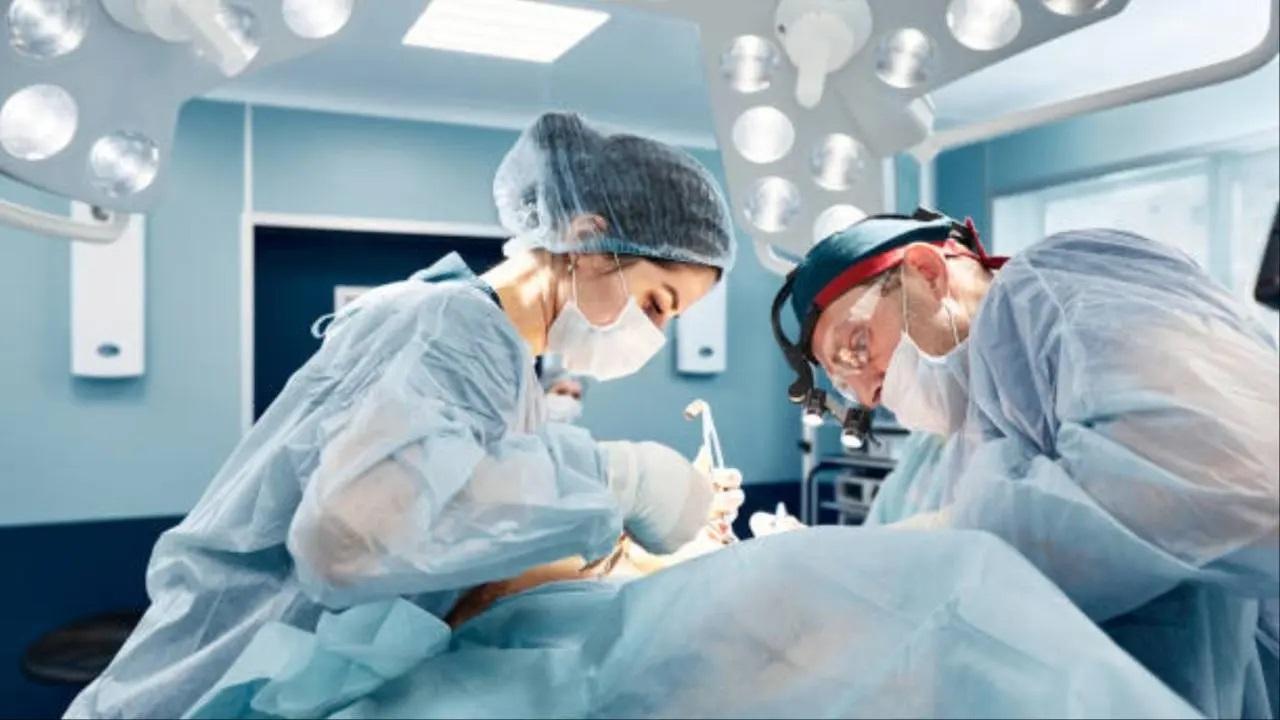
The domestic healthcare sector is expected to see stronger growth over the next three years, supported by new drug launches, while earnings from the US generics business are likely to remain flat for most companies, according to a report by Systematix Research. The report stated that growth in India's domestic medicines market is expected to strengthen on the back of GLP-1 drug launches, with growth projected in the high single-digit range over the next three years. This is expected to support the overall expansion of Indian pharmaceutical companies, especially those with a strong presence in the domestic market. It stated. "Over the next 3 years, we expect India branded formulation growth to strengthen on back of GLP-1 launches (high single digit)." However, the outlook for the US generics segment remains cautious. The report noted that earnings contribution from the US generics space will at best remain flat for most companies, reflecting continued competitive pressures in the market. At the same time, biosimilar drug launches are expected to create additional growth opportunities for Indian companies in the US. However, the report highlighted that whether these opportunities translate into meaningful profitability remains uncertain due to competitive challenges. The report stated that companies with larger exposure to branded and innovative drug portfolios are better positioned for future growth. It added that companies making targeted investments in biosimilars with less crowded pipelines and maintaining strong balance sheets are likely to remain more resilient. The report further noted that the Indian healthcare sector delivered better-than-expected performance in the third quarter of the financial year 2025-26, though the overall trend remained in line with expectations. During the quarter, US sales positively surprised as the pace of erosion in high-value products was lower than anticipated. Domestic growth in India was also slightly better compared to the previous quarters, indicating steady demand in the local market. In addition, emerging markets' growth was supported by strong currency-led tailwinds, which helped improve overall performance during the quarter. However, prices of active pharmaceutical ingredients (API), which are key raw materials used in drug manufacturing, continued to remain under pressure. Overall, the report highlighted that while challenges remain in the US generics segment, new drug launches, steady domestic growth, and emerging opportunities in biosimilars are expected to support the long-term outlook of India's healthcare sector. This story has been sourced from a third party syndicated feed, agencies. Mid-day accepts no responsibility or liability for its dependability, trustworthiness, reliability and data of the text. Mid-day management/mid-day.com reserves the sole right to alter, delete or remove (without notice) the content in its absolute discretion for any reason whatsoever.
23 February,2026 11:59 AM IST | New Delhi | ANILiving at high altitude appears to protect against diabetes, and scientists have finally discovered the reason. When oxygen levels drop, red blood cells switch into a new metabolic mode and absorb large amounts of glucose from the blood. This helps the body cope with thin air while also reducing blood sugar levels. A drug that recreates this effect reversed diabetes in mice, hinting at a powerful new treatment strategy. For years, researchers have observed that people who live at high elevations, where oxygen is scarce, tend to develop diabetes less often than those at sea level. Although the trend was well documented, the biological explanation behind it was unclear. Scientists at Gladstone Institutes now say they have identified the reason. Their research shows that in low oxygen environments, red blood cells begin absorbing large amounts of glucose from the bloodstream. In effect, the cells act like sugar sponges under conditions similar to those found on the world's tallest mountains. In findings published in Cell Metabolism, the team demonstrated that red blood cells can alter their metabolism when oxygen levels drop. This shift allows the cells to deliver oxygen to tissues more efficiently at high altitude. At the same time, it lowers circulating blood sugar, offering a potential explanation for reduced diabetes risk. According to senior author Isha Jain, PhD, a Gladstone Investigator, core investigator at Arc Institute, and professor of biochemistry at UC San Francisco, the study resolves a longstanding question in physiology. "Red blood cells represent a hidden compartment of glucose metabolism that has not been appreciated until now. This discovery could open up entirely new ways to think about controlling blood sugar," Jain says. Red Blood Cells Identified as a Glucose Sink Jain's lab has spent years studying hypoxia, the term for reduced oxygen levels in the blood, and its effects on metabolism. In earlier experiments, her team noticed that mice exposed to low oxygen air had dramatically lower blood glucose levels. The animals rapidly cleared sugar from their bloodstream after eating, which is typically linked to lower diabetes risk. However, when researchers examined major organs to determine where the glucose was being used, they found no clear answer. "When we gave sugar to the mice in hypoxia, it disappeared from their bloodstream almost instantly," says Yolanda Marti-Mateos, PhD, a postdoctoral scholar in Jain's lab and first author of the new study. "We looked at muscle, brain, liver -- all the usual suspects -- but nothing in these organs could explain what was happening." Using a different imaging method, the researchers discovered that red blood cells were serving as the missing "glucose sink," meaning they were taking in and using significant amounts of glucose from circulation. This was unexpected because red blood cells have traditionally been viewed as simple oxygen carriers. Follow up experiments in mice confirmed the finding. Under low oxygen conditions, the animals produced more red blood cells overall, and each individual cell absorbed more glucose compared with cells formed under normal oxygen levels. To uncover the molecular details behind this shift, Jain's group partnered with Angelo D'Alessandro, PhD, of the University of Colorado Anschutz Medical Campus, and Allan Doctor, MD, from University of Maryland, who has long studied red blood cell biology. Their work showed that when oxygen is limited, red blood cells use glucose to generate a molecule that helps release oxygen to tissues. This process becomes especially important when oxygen is in short supply. "What surprised me most was the magnitude of the effect," D'Alessandro says. "Red blood cells are usually thought of as passive oxygen carriers. Yet, we found that they can account for a substantial fraction of whole-body glucose consumption, especially under hypoxia." Implications for Diabetes Treatment The researchers also found that the metabolic benefits of prolonged hypoxia lasted for weeks to months after mice were returned to normal oxygen levels. They then evaluated HypoxyStat, a drug recently developed in Jain's lab that mimics low oxygen exposure. HypoxyStat is taken as a pill and works by causing hemoglobin in red blood cells to bind oxygen more tightly, limiting the amount delivered to tissues. In mouse models of diabetes, the medication completely reversed high blood sugar and outperformed existing treatments. "This is one of the first use of HypoxyStat beyond mitochondrial disease," Jain says. "It opens the door to thinking about diabetes treatment in a fundamentally different way -- by recruiting red blood cells as glucose sinks." The findings may also apply beyond diabetes. D'Alessandro notes potential relevance for exercise physiology and for pathological hypoxia after traumatic injury. Trauma remains a leading cause of death among younger people, and changes in red blood cell production and metabolism could affect glucose availability and muscle performance. "This is just the beginning. There's still so much to learn about how the whole body adapts to changes in oxygen, and how we could leverage these mechanisms to treat a range of conditions," Jain says. This story has been sourced from a third party syndicated feed, agencies. Mid-day accepts no responsibility or liability for its dependability, trustworthiness, reliability and data of the text. Mid-day management/mid-day.com reserves the sole right to alter, delete or remove (without notice) the content in its absolute discretion for any reason whatsoever.
23 February,2026 10:41 AM IST | Washington DC (USA) | ANIThe outer area of the retina, or the peripheral retina, could offer a window into an early detection of Alzheimer's disease long before irreversible brain damage occurs, and a routine eye exam may thus potentially help with an early diagnosis of the neurodegenerative condition, according to a new study. "The eyes are indeed a window into the brain, but our study reveals that we have been looking at the wrong part of the window. While most clinical eye exams focus on the central retina, the most critical early indicators of Alzheimer's disease (AD) appear to be hidden at the periphery of the eye," author Stephen Wong, from Houston Methodist Hospital in the US, said. "By identifying these retinal changes that occur before the brain's 'plumbing' system fails, doctors may eventually be able to use routine eye exams to catch and treat the disease years before memory loss begins," he said. Previous research has found that an accumulation of amyloid protein -- a waxy complex protein resembling starch resulting from degeneration of a tissue -- in the retina correlates with amyloid protein deposition in the brain (a hallmark of AD), suggesting that the retina may reflect central disease processes, the researchers said. The study, published in the Journal of Alzheimer's Disease, was conducted in mouse models and revealed how 'Muller glia', or retinal support cells, respond to the earliest stages of the disease and undergo significant cellular and structural changes before other symptoms of the neurodegenerative condition appear. "Since the peripheral retina contains more glial cells than the central retina, we wanted to understand how these types of cells and blood vessels interact in different parts of the retina in early-stage AD," first author Glori Das, a graduate research assistant at the Wong Laboratory at Houston Methodist, said. The researchers found that 'Aquaporin-4', a protein in the central nervous system that helps flush out metabolic waste, including Alzheimer 's-linked proteins, increases in the earliest stages of the disease. This shows up as stress in the peripheral retina, evidenced by the increased size and number of glial cells, they said. Wong said the study result is visual evidence that the body is working harder to maintain balance before the system eventually fails in later stages of the disease. He said the study could change how AD is diagnosed and monitored and could provide a new target for early-intervention drug development. This story has been sourced from a third party syndicated feed, agencies. Mid-day accepts no responsibility or liability for its dependability, trustworthiness, reliability and data of the text. Mid-day management/mid-day.com reserves the sole right to alter, delete or remove (without notice) the content in its absolute discretion for any reason whatsoever.
22 February,2026 01:00 PM IST | New Delhi | PTIScientists at the Moscow Institute of Physics and Technology (MIPT) have developed a new class of photocatalysts capable of purifying water using visible sunlight, marking a major step forward in sustainable water treatment technologies, according to the institute's official website. The research was conducted by experts from MIPT's Centre for Photonics and Two-Dimensional Materials in collaboration with international partners. The team identified the most efficient material structure for photocatalytic activity within the visible light spectrum, as reported by TV BRICS. According to TV BRICS, Photocatalysis is considered a promising method for removing organic pollutants such as dyes, pharmaceutical residues, pesticides and oil traces from water. However, most existing photocatalysts function mainly under ultraviolet light, which constitutes only about 5 per cent of the solar spectrum. In comparison, visible light accounts for nearly half of solar radiation, making its utilisation vital for developing scalable and environmentally friendly technologies. To overcome this challenge, researchers employed femtosecond laser ablation in liquids, a technique involving ultra-short, high-energy laser pulses that vaporise material surfaces. The vapour subsequently condenses into nanoparticles with customised electronic properties. Importantly, the process generates stable colloidal solutions in water without requiring surfactants, ensuring a clean and eco-friendly synthesis method. The scientists examined two niobium-based compounds: niobium pentoxide (Nbâ¿¿Oâ¿¿) and lithium niobate (LiNbO3). Findings revealed that laser processing altered each material differently. Nbâ¿¿Oâ¿¿ lost its crystalline structure and became completely amorphous, while the more thermodynamically stable LiNbOâ¿¿ maintained its crystalline framework but developed controlled point defects. While amorphous materials tend to trap and neutralise light-induced charge carriers quickly, controlled defects in crystalline structures enhance visible light absorption and extend charge carrier lifetimes. This enables reactive species formation that effectively breaks down pollutants. Laboratory experiments showed that the lithium niobate-based nanocatalyst increased dye degradation rates by 2.3 times compared to amorphous niobium oxide, achieving 90 per cent purification within 150 minutes. Researchers aim to further optimise the method and expand it for real-world solar-powered water treatment applications. This story has been sourced from a third party syndicated feed, agencies. Mid-day accepts no responsibility or liability for its dependability, trustworthiness, reliability and data of the text. Mid-day management/mid-day.com reserves the sole right to alter, delete or remove (without notice) the content in its absolute discretion for any reason whatsoever.
22 February,2026 12:48 PM IST | Moscow | ANIGrey’s Anatomy fans across India and the world woke up to bad news on February 20, as Eric Dane, popularly known as ‘McSteamy’ playing Dr Eric Sloan on the hit television show, passed away at 53 due to Amyotrophic lateral sclerosis, also called ALS. Dane, who was an advocate of ALS, also known as Lou Gehrig's disease, succumbed to it less than a year after he announced his diagnosis in April 2025. Shedding light on the disorder, Dr Sheetal Goyal, who is the consultant neurologist at Wockhardt Hospitals in Mumbai Central, explains, "ALS (Amyotrophic Lateral Sclerosis) is a progressive neurological disorder that affects the nerve cells responsible for controlling voluntary muscle movements. Over time, these motor neurons degenerate, leading to muscle weakness and loss of function." In most cases, ALS occurs sporadically, and there is no clear family history, and around 5 - 10 per centof cases are inherited. Mid-day spoke to Dr Goyal, and Dr. Arjun Shah, consultant neurologist and neurophysician at Saifee Hospital in Charni Road in Mumbai to break down the disorder. They not only highlight the causes but also the signs and symptoms, and the possibility of treatment. What is Amyotrophic lateral sclerosis (ALS) and what are its causes? Shah: ALS is a neurodegenerative disorder. Our nervous system starts in the brain and ends in the muscles in the hand. The nerve cells from the brain come down to the spinal cord to form the peripheral nervous systemincluding the nerves of the hands and feet. It is called the anterior horn cell. So, when the small anterior horn cell is affected, it is basically called ALS. There are a lot of unknowns that we don't understand why exactly it happens and may be due to some environmental or genetic factors. Basically, there is a lot of oxidative stress. There is a lot of damage that happens to these specific small nerves called the anterior horn cell and because they keep getting damaged over the years, they sort of shrink leading atrophy and get damaged. Who is affected by Amyotrophic lateral sclerosis (ALS)? Shah: It generally affects people who are even in their 40sand 50s. They are the ones who are generally affected. Although very rare, it can happen at an earlier or later age group also. How does it affect the life of a person? Is it prevalent more in a particular gender? Shah: In our country, we do see it a little more commonly in males. So, it can happen in males or females. And once ALS kicks in, usually, within a few years, the patient usually succumbs to it. What are the signs and symptoms? Goyal: Early symptoms may include weakness in the hands or legs, frequent tripping, difficulty in gripping objects, slurred speech, or muscle twitching. The symptoms usually worsen gradually. Shah: Generally, it is a very slowly progressing disorder. It really starts with weakness either in one leg or one hand. Along with that, the patients notice that the hands have started shrinking and becoming very small and another thing that sometimes patients may or may not notice is, there are these things called fasciculation, which are tremors and all the muscles in the hand. There are twitching movements that happen in certain muscles. Secondly, there is peeling of the hands or feet. Thirdly, these twitching in the muscles can be seen. Can it be treated? How can friends and family help peoplewho are suffering from it? Goyal: Currently, there is no cure for ALS. However, certain medications can help slow disease progression, and supportive therapies significantly improve quality of life. Early diagnosis, multidisciplinary care, and emotional support are crucial. While ALS is challenging, structured medical care can help patients maintain dignity and comfort. Shah: In India or anywhere in the world, unfortunately, we don't have a cure for this disease. Now, the treatment is more or less supportive. So whatever treatment can be given anywhere in the world can be given in India too. It's not like we are lacking in any way. It is just that this disease overall doesn't have a great treatment. There's something called tender loving care. I think friends and family just need to understand and they first need to accept themselves that their loved one is suffering from such an illness. Secondly, they should just give as much time as possible, as much love as possible to their patients with ALS. They should also understand the limitations of treatment. Sometimes there should not be any false hope and better way of putting it is friends and family should also accept that this is what the disease is, this is how it progresses and to make the most of the time they have together with a healthy person. Is ALS considered serious? Goyal: ALS affects muscles involved in movement, speech, swallowing, and eventually breathing. As the disease progresses, patients may require assisted ventilation and supportive care.
22 February,2026 12:32 PM IST | Mumbai | Nascimento PintoStopping the consumption of tobacco dramatically reduces the risk of oral cavity cancer by more than 60 per cent, a study conducted by a Mumbai-based organisation has found. The study, conducted by the Centre for Cancer Epidemiology of the Tata Memorial Centre (TMC), demonstrated that quitting smoking and chewing habits reduces the risk of oral cancer or buccal mucosa cancer compared with continuous consumption. For this hospital-based case control study, enrolment was carried out in five TMC cancer centres located in Mumbai, Navi Mumbai, Barshi, Varanasi and Guwahati in India, during 2010-2022. The research was conducted on both men and women, aged 19-75 years. For the first time, the study shows a 61 per cent reduction in the risk of oral cavity cancer for smokers and a 42 per cent reduction for tobacco chewers compared to current users after quitting the habit for 10 years. However, this risk reduction never approaches that of people who have never consumed tobacco. This indicates that current tobacco users benefit from quitting, as the risk is reduced by almost 50 per cent, although their risk remains higher than that of never users. This suggests that tobacco quitting works, but not starting tobacco habits is more important. "About 20-25 per cent of our cancers are oral cancer, which is related to tobacco. Around 40 per cent of cancers, including bladder, kidney, esophageal, and pancreatic cancer, are also connected with tobacco. Therefore, quitting tobacco will reduce cancer in our country," the Advanced Centre for Treatment, Research and Education in Cancer (ACTREC), research wing of TMC, director Dr Pankaj Chaturvedi told reporters. He said chewing tobacco with areca nut almost doubles the cancer risk, but it was similarly reduced by quitting. "This is the first evidence demonstrating usefulness of tobacco cessation. Tobacco cessation reduces oral cancer risk by 60 per cent after 10 years of quitting, but the risk never approached even closer to never users. Therefore, it is always better not to start tobacco consumption," Centre for Cancer Epidemiology Director and author of the study Dr Rajesh Dixit said. He further said that the genetic susceptibility for oral cancer also increases, especially when combined with lifestyle factors, such as tobacco use. Tobacco cessation means stopping the use of tobacco in any form, such as cigarettes, bidis, gutkha, khaini, or chewing tobacco, he added. More than 30 per cent of India's population consumes tobacco in one form or other. Dr Sharayu Mhatre, Scientific Officer and lead author of the study, pointed out that these findings can be used for motivational counselling efforts, and provide evidence that all forms of tobacco are harmful but quitting can lead to risk reversal. "These results can support the development of future government guidelines and intervention policies, encouraging them to place greater emphasis on tobacco cessation," she added. This story has been sourced from a third party syndicated feed, agencies. Mid-day accepts no responsibility or liability for its dependability, trustworthiness, reliability and data of the text. Mid-day management/mid-day.com reserves the sole right to alter, delete or remove (without notice) the content in its absolute discretion for any reason whatsoever.
20 February,2026 10:09 PM IST | Mumbai | PTIIn an age of rising heart disease, diabetes, and stress-related illnesses, a simple habit like walking is gaining renewed attention. The idea of walking 10,000 steps a day has become a popular fitness goal but can it truly protect your heart? Experts say regular walking can significantly improve both physical and mental health. Dr. Nilesh Gautam, Consultant-Interventional Cardiology at P.D. Hinduja Hospital and Medical Research Centre, Khar, Mumbai, highlights the wide-ranging benefits of daily walking. “Walking 10,000 steps a day can improve blood pressure control, reduce blood sugar and cholesterol levels, and enhance cardiovascular fitness. It also helps with weight reduction, strengthens muscles and bones, and improves general well-being.” Lower blood pressure improves circulation and reduces the risk of heart attacks and strokes. At the same time, burning calories through walking helps lower cholesterol and maintain a healthy weight — two major factors in preventing heart disease. Studies suggest that a higher daily step count is associated with a 47 percent reduction in cardiac mortality and a 38 percent lower risk of dementia, pointing to both heart and brain health benefits, says the doctor. Benefits beyond the heart Walking is not just good for the cardiovascular system. According to Dr. Gautam, it can also improve digestion, reduce constipation, boost immunity, lower stress and anxiety ultimately improving sleep quality. “Even if you can’t hit 10,000 steps every day, any increase in physical activity improves heart and overall health,” he adds. The origin of the 10,000-step goal Interestingly, the 10,000-step target began as a marketing campaign in Japan during the 1964 Olympics. A step counter company chose the number because the Japanese character for 10,000 (万) resembled a person walking according to the BHF organisation. What started as a marketing idea gradually turned into a cultural fitness goal. As pedometers became popular in the 1970s and 1980s, and later with the rise of digital fitness trackers and smartphones, 10,000 steps was programmed as the default daily target. Despite its marketing origins, research over the years has supported the health benefits of regular walking. The British Heart Foundation notes that consistent walking is linked to a lower risk of heart disease, cancer, dementia, and improved mental well-being. To conclude: Walking remains one of the simplest and most affordable ways to protect your heart and improve overall health. While 10,000 steps is a useful benchmark, consistency matters far more than hitting a specific number. Even small increases in daily movement can significantly benefit both your heart and your mental and physical well-being. If 10,000 steps feels overwhelming, start small. Begin with 2,000 steps a day and gradually increase as your stamina and comfort improve. The key is to build a sustainable routine that suits your body
20 February,2026 09:04 PM IST | Mumbai | mid-day online correspondentMumbai doctors have restored vision to a 44-year-old gynaecologist from Mumbai who had become completely blind in both eyes after ten years of progressive vision loss caused by severe glaucoma and multiple refractory intraocular pathologies, none of which had responded to the several surgeries she had previously undergone. In a complex, first-of-its-kind surgical intervention in the world, the surgical team at Dr Agarwals Eye Hospital, performed the advanced 5F-ISHF IOL implantation technique on the patient, to remove a malpositioned artificial intraocular lens (IOL) in her left eye, along with optical penetrating keratoplasty (OPK), the novel 5F scleral fixation technique, and pupilloplasty in a single sitting to address her complex ocular complications. The patient regained 6/24 vision in her left eye immediately after surgery, a life-changing recovery that enabled her to return to her medical practice. She is further highly likely to gain even more improvement in her vision as the eye heals more after the surgery. The patient had a history of severe glaucoma, but the immediate cause of her profound vision loss was a malpositioned intraocular lens (IOL) in the left eye that was pressing against the iris and cornea and distorting the eye’s anatomy. This resulted in the front layers of the eye getting fused with each other. The faulty lens was removed and replaced with a new, properly positioned IOL placed using the 5F technqiue. The accompanying specialised procedures addressed the refractory complications and reconstructed the severely damaged ocular structures, ultimately restoring functional vision. Dr Ashvin Agarwal, chief clinical officer and senior ophthalmologist, said, “It is truly heartening to see this young medical professional return to her practice after years of suffering and progressive vision loss. This was an exceptionally complex case. The complexity and severity of her condition required multiple surgical approaches delivered in a seamless manner. This included extensive reconstruction of the distorted ocular anatomy, the use of the advanced 5F-ISHF technique to securely fix a new intraocular lens, and pupilloplasty. Addressing only one dimension of the problem would not have enabled her to regain functional vision in her left eye. It was the combined expertise, infrastructure, and surgical capability of our team that allowed us to provide a long-lasting solution.” Dr Soosan Jacob, director and chief - Dr Agarwal’s Refractive and Cornea Foundation (DARCF), who performed the surgery, said, “The patient was diagnosed with glaucoma in 2010 and had been undergoing treatment elsewhere for over a decade. Despite sustained care, including cataract surgery, trabeculectomy, and Mitomycin-C therapy, her vision had continued to deteriorate, eventually leading to total vision loss in the right eye and near blindness in the left. When she presented to us, she had only perception of light and projection of rays in her left eye. While she had a history of severe glaucoma, we identified that the immediate cause of her profound visual loss was a malpositioned artificial intraocular lens in the left eye. We therefore adopted a comprehensive approach, removing the faulty IOL, reconstructing the compromised ocular structures, and implanting a new lens using the 5F-ISHF technique.”
19 February,2026 02:59 PM IST | Mumbai | mid-day online correspondentIn a major step forward in advanced vascular care, Kolkata doctors have successfully helped give a new lease of life to an elderly man walk again. Dr. Ranjan Kr. Sharma, who is the senior consultant, Cardiology at Manipal Hospital, Salt Lake, performed advanced atherectomy-assisted procedure for Peripheral Artery Disease (PAD) in Kolkata. The minimally invasive treatment was carried out on a 75-year-old patient suffering from both heart and leg artery blockages, enabling him to recover quickly and return to his normal routine within just 24 hours. The patient had undergone angioplasty 11 years ago, during which two stents were placed in critical heart arteries - the Left Anterior Descending (LAD) artery and the Right Coronary Artery (RCA). Recently, he began experiencing shortness of breath and severe pain in his left leg while walking, a classic symptom of PAD known as claudication, refers to Peripheral Artery Disease, a condition where arteries that supply blood to the legs become narrowed or blocked, usually due to atherosclerosis (fatty plaque buildup). A fresh angiography revealed that while the earlier stents were functioning well, a new blockage had developed in the right coronary artery beyond the previous stent. More concerning were two severe blockages (70–80 per cent and 90 per cent, one heavily calcified) in the left superficial femoral artery, the main artery supplying blood to the leg. The cardiac team at the hospital, first performed a routine coronary angioplasty to restore blood flow to the heart. However, treating leg artery required a more advanced approach. Unlike heart arteries, leg arteries are exposed to external pressure from daily activities such as sitting and bending, making long-term stenting less reliable. To overcome this challenge, doctors used a state-of-the-art atherectomy device for the first time at the facility. The device works with a high-speed, drill-like rotating tip that carefully shaves off hardened cholesterol and calcium deposits from inside the artery. A built-in suction system simultaneously removes debris, preventing it from travelling to smaller vessels. This prepares the artery for safer balloon treatment and significantly reduces the need for permanent stents. Explaining the procedure, Dr. Ranjan Kr Sharma said, “In patients with severe calcium buildup in the arteries, inflating a balloon alone can damage the vessel and may force us to place a stent. Atherectomy helps by safely removing the hardened plaque first, making the treatment safer, reducing complications, avoiding unnecessary stenting, and ensuring better long-term outcomes. Earlier, recurrence rates were around 15–20%, but with this advanced technology, they can drop to less than 2–3%. With lifestyle-related diseases on the rise, Peripheral Artery Disease (PAD) is becoming increasingly common. PAD is more frequently seen in people with diabetes, high blood pressure, high cholesterol, and a history of smoking, and studies show that nearly 20% of patients with coronary artery disease may also develop it. Since symptoms are often mistaken for nerve pain, diagnosis is delayed, and in severe cases, the disease can progress to limb discoloration or even gangrene. Early diagnosis and advanced treatments like atherectomy can prevent major complications and significantly improve quality of life.” The additional step takes just 15–20 minutes and is minimally invasive. The patient was monitored for 24 hours due to the small groin puncture used to access the artery and was discharged the next day. He was advised to resume normal activities almost immediately. Expressing his relief, the 75-year-old patient Nabin Das (name changed) shared, “Walking had become painful and stressful. I was worried about losing my mobility. After the procedure, I feel comfortable and confident again. I am thankful to the doctors for giving me back my active life so quickly.”
19 February,2026 09:40 AM IST | Mumbai | mid-day online correspondentWalking across a room is something most people do without thinking. For 33-year-old Sumit, it had long been a daily struggle requiring effort, support, and determination. A survivor of polio since the age of one, Sumit lived with weakness and deformity in his left lower limb for decades. Sumit was affected by polio in early childhood, which left his left leg weak and deformed. Despite undergoing multiple corrective surgeries over the years, daily life remained challenging. He had reduced ankle movement, foot drop, and his heel could not touch the ground. Walking short distances caused pain and fatigue, and he often had to support his leg with his hand to move forward. Over time, he developed post-polio syndrome, a condition in which muscle weakness worsens many years after the initial polio infection, making activities like climbing stairs, maintaining balance, and walking increasingly difficult. In 2023, Sumit visited the StemRx Hospital & Research Centre in Navi Mumbai, at the age of 31, for the first time, seeking improvement in mobility and quality of life. He returned for two more treatment visits under medical supervision, with his third visit taking place in 2026, reflecting his commitment to long-term recovery. Now, after undergoing advanced regenerative and supportive therapies, he has experienced meaningful improvement in mobility, strength, and independence, giving him renewed zest for life. Embarking on his treatment journey, the doctors followed a step-by-step and comprehensive treatment approach. The therapies included advanced stimulations, hyperbaric oxygen therapy (HBOT), hydrogen therapy, physiotherapy, red light therapy, cellular therapy, and mitochondrial treatments. The goal was to strengthen weakened muscles, improve nerve function, increase cellular energy, and support better movement and balance. Dr Pradeep Mahajan, regenerative medicine researcher and founder of the hospital, said, “Post-polio syndrome occurs when muscles and nerves that were previously affected by polio begin to weaken further many years later. Patients often experience fatigue, pain, and reduced mobility, which can significantly impact daily life. Our approach focuses on improving cellular function, enhancing muscle strength, supporting nerve health, and optimizing overall movement through a personalised and progressive treatment plan. In Sumit’s case, the key was consistency and a multi-therapy approach. Over successive visits, we observed improvement in muscle strength, balance, and functional movement. This case highlights that even long-standing neurological and muscular conditions can show progress when treatment is tailored to the individual and continued over time.” Sharing his experience, Sumit said, “For years, walking even short distances was painful and exhausting. I had to hold my leg to move, and the stairs felt impossible. With each visit to StemRx, I noticed small but meaningful changes. Today, I can walk without holding my leg, climb stairs with more confidence, and my pain has reduced significantly. The biggest change for me is independence. I feel stronger, more balanced, and more confident in my daily life. This journey has given me hope that improvement is possible, even after living with polio-related problems for so many years.”
18 February,2026 04:54 PM IST | Navi Mumbai | mid-day online correspondentPooja’s journey to motherhood began with hope in early 2021, but soon turned into heartbreak after her first miscarriage. Despite emotional recovery, the couple faced a second miscarriage in mid-2022, followed by a third loss in late 2022, leaving them devastated and anxious about future pregnancies. Clinically, recurrent pregnancy loss is defined as two or more consecutive miscarriages. Experiencing three pregnancy losses between 2021 and 2022 placed Pooja in the RPL category, warranting specialised care. RPL affects nearly 1–2 per cent of couples, and in close to 50 per cent of cases, identifiable and treatable medical causes are found. After nearly a year of emotional and physical recovery, the couple sought specialised treatment in November 2023. A detailed evaluation revealed high blood pressure, hormonal imbalance, thrombophilia (a blood-clotting tendency), and insulin resistance, conditions known to increase the risk of miscarriage and pregnancy complications. Following medical optimisation and counselling, the couple proceeded with in vitro fertilisation (IVF) under close supervision. The pregnancy was confirmed in early 2024 and closely monitored at Motherhood Hospital in Gurgaon, under the care of Dr. Preety Aggarwal, who is the medical director – Obstetrics and Gynaecology, at the hospital. The early months progressed smoothly, offering cautious hope after years of uncertainty. However, at around 31 weeks of gestation, her BP increased, and a routine ultrasound detected foetal growth restriction (FGR) and reduced blood flow to the baby. FGR affects nearly 5–10 per cent of pregnancies and occurs when a baby does not grow at the expected rate in the womb, increasing the risk of foetal distress and preterm birth if not managed in time. Recognising the risk, the medical team administered antenatal steroid injections to accelerate lung maturity and placed the mother under close monitoring. When early signs of foetal distress appeared, doctors made a planned decision to proceed with a caesarean section at 32.5 weeks of pregnancy (early eighth month) to ensure the safety of both mother and baby. The preterm newborn was immediately shifted to the NICU for specialised care. The baby required respiratory support, temperature regulation, and assisted feeding, and remained in the NICU for approximately 18 days. Kangaroo Mother Care (skin-to-skin contact) was encouraged, helping stabilise breathing, promote weight gain, and strengthen mother–baby bonding. With gradual improvement, the baby began accepting feeds independently and showed steady growth. Both mother and baby were discharged in stable condition and advised regular paediatric follow-ups, growth monitoring, and developmental assessments. Commenting on the case, Dr Aggarwal said, “Recurrent pregnancy loss is physically and emotionally exhausting for couples. This patient came to us with a history of three miscarriages and significant anxiety. Her evaluation revealed multiple medical risk factors, all of which required careful management. Close monitoring throughout pregnancy helped us identify complications early. She added, “At 31 weeks, foetal growth restriction and reduced blood flow indicated compromised nourishment. Timely steroids, continuous observation, and a planned preterm delivery ensured a safe outcome. Although the baby was born early, structured NICU care supported steady recovery.” Sharing her experience, Pooja said, “After losing three pregnancies, we were scared to hope again. When the doctors explained that my condition was recurrent pregnancy loss and that the causes were treatable, it gave us strength. Delivering early was frightening, but I trusted the medical team. Today, seeing my baby grow stronger every day feels like a miracle.” The case highlights the importance of early evaluation even after a first miscarriage. While a single pregnancy loss may occur due to chance, timely assessment can identify hormonal and metabolic disorders before they lead to recurrent loss. Early diagnosis, planned conception, and specialised high-risk care can significantly improve outcomes, offering hope to couples facing similar challenges.
17 February,2026 11:30 AM IST | Gurgaon | mid-day online correspondentADVERTISEMENT








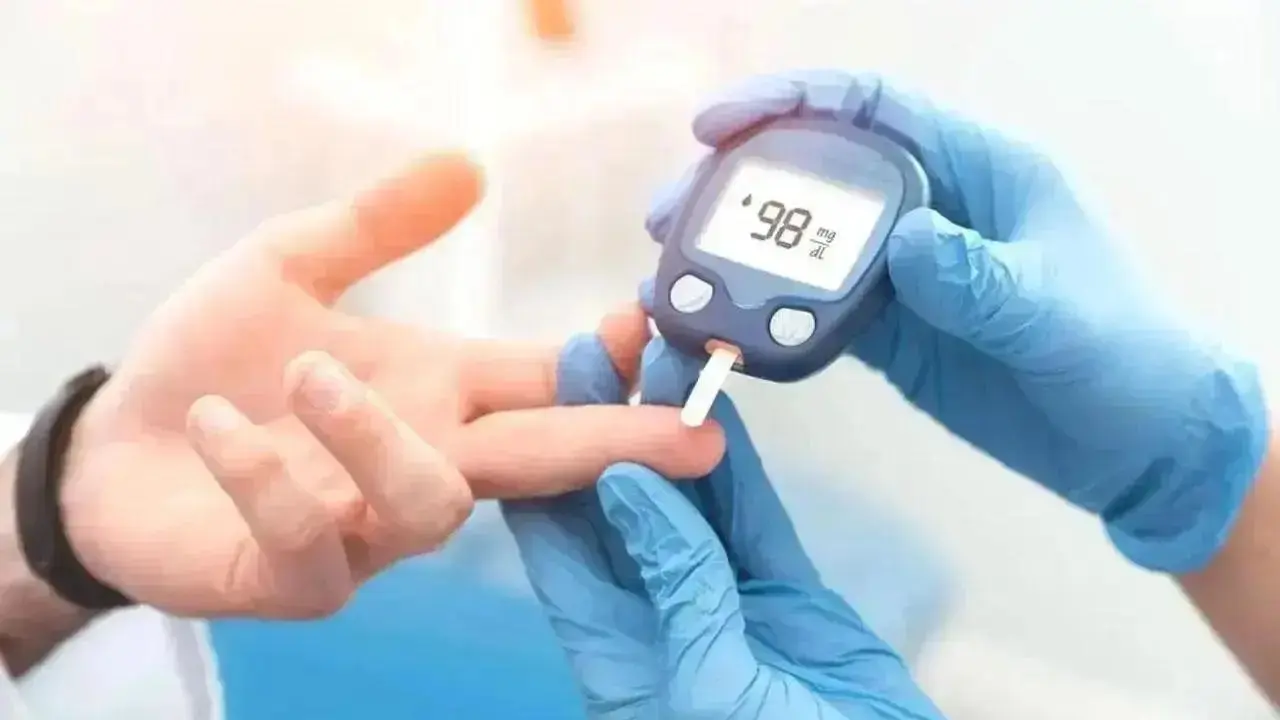




-1771595977153_d.png "Walk your way to better heart health. Representational Image")