
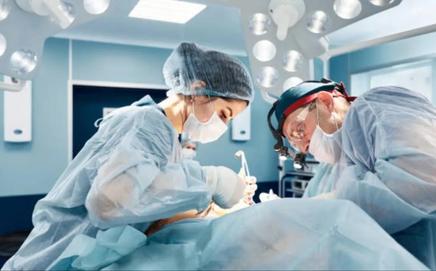
In a significant advancement for knee preservation surgery in India, Mumbai doctors have successfully performed a meniscus allograft transplant using a graft that was donated, processed, and implanted entirely within the same institution. The surgery at Jaslok Hospital was performed on a 21-year-old engineering student who had lost his meniscus following a sports injury. Despite undergoing multiple procedures earlier, he continued to experience disabling pain that affected both his mobility and long-term joint health. The patient also worked as a part-time sportsman to support his livelihood, and over time even routine walking had become difficult before he arrived at Jaslok for treatment.The procedure was performed by a surgical team led by Dr Prasad Bhagunde, consultant Orthopaedics & Sports Medicine Expert. The anaesthesia for the surgery was supported by Dr Rajani M R, Consultant Anaesthesiology. It marks an important step for knee preservation surgery in India and shows that institutions in the country can manage the full pathway of tissue donation, preservation, and transplantation. The meniscus acts as a vital shock absorber within the knee joint. When it is completely removed due to injury or repeated surgeries, patients often develop persistent pain, swelling, and an increased risk of early arthritis. Younger and physically active individuals are particularly affected as the loss of this structure can severely limit mobility. The meniscus does not regenerate once it is fully lost, and there is currently no artificial implant that can restore its natural biomechanics. For carefully selected patients without advanced arthritis, transplantation using donated biological tissue remains the only treatment that can recreate near-normal joint function. In this case, the meniscus graft was donated at Jaslok Hospital and later used for transplantation into a patient at the same institution. Such a complete local donation and transplant cycle remains uncommon and illustrates how tissue donation within the country can directly support patients requiring complex joint preservation procedures. Using this donor graft, surgeons at the hospital performed the transplant through a minimally invasive arthroscopic approach. A carefully sized meniscus was implanted to restore the knee’s natural cushioning and stability, with the objective of improving joint function and allowing the patient to regain mobility. Speaking about the surgery, Dr Bhagunde, said, "In meniscus transplantation the real challenge is ensuring that the graft behaves like the patient’s original tissue once it is implanted. Even small differences in size or positioning can affect how the knee distributes load during movement. In this case we spent considerable time planning the graft match and surgical placement so that the joint could regain its natural cushioning and stability, which is essential for a young and active patient." Historically, meniscus allografts used in such procedures were largely imported from the United States, often leading to challenges in size compatibility, as patients in Asian populations typically have smaller knee anatomy. Cost has also been a significant barrier, with imported grafts priced at around Rs 14 lakh, limiting access for many patients. However, the availability of locally processed grafts is transforming this landscape. These grafts are now available at approximately Rs 1.5 lakh, significantly reducing the financial burden and making the procedure more accessible, while also offering a better anatomical fit for Indian patients. Dr Milind Khadke, Director Medical Services, Jaslok Hospital and Research Centre, said, "For many years, procedures that depended on specialised biological grafts remained difficult to scale in India because the ecosystem around tissue donation and preservation was still evolving. Cases like this signal that the gap is beginning to close. When institutions are able to support the entire pathway locally, it changes what doctors can realistically offer patients. The real significance lies in building that capability within the country rather than relying on solutions from elsewhere."
01 April,2026 12:12 PM IST | Mumbai | mid-day online correspondentShe's Nigerian, but Lebanese by origin and a football star in a conservative country's even more conservative north. Hidaa Ghaddar is unconventional -- but her approach might be just what's needed in a city buckling under the weight of drug abuse and unemployment. Ghaddar's athletic academy aims to keep youth off drugs in football-crazy Kano, the cultural capital of Muslim-majority northern Nigeria. "Drug abuse and playing football don't go together. It's either you do this or that," she told AFP of her Breakthrough Football Academy, established two years ago, which also aims to develop future talent for foreign clubs. The 27-year-old has become something of a local celebrity as the country's only woman coach of an all-male team, defying cultural norms in Kano. She's more than qualified for the sporting aspect of her job, but her approach also aims to help Nigerian anti-drug authorities, who are facing a toxic mix of substance abuse, criminality and political violence. Kano, the largest city in northern Nigeria, has the second highest drug use rate in the country, according to the National Drug Law Enforcement Agency. High unemployment has pushed youths in the city of five million into drugs and crime, and politicians are known to take advantage of the crisis by hiring them as thugs to intimidate opponents, political researchers have documented. Officially, the state's unemployment rate is 7.6 percent, above the national average of 5.3 percent. But the number of Kano state youths not in education, employment or training shoots up to 12.5 percent. Another 15.8 percent of residents report being under-employed. Police have started asking residents to report drug peddlers in their communities as part of efforts to contain the problem, alongside a new task force. Nigeria severely lacks treatment and rehabilitation centres and drugs smuggled en route to Europe are increasingly spilling into the local market. "Playing football itself helps these players avoid all of this," Ghaddar said. Training sessions are accompanied by a focus on "nutrition, sleep, hydration and having a good lifestyle," Ghaddar said, from the sidelines of a sandy pitch in the centre of a horse racing track. Several dozen spectators stood are watching the team train in the hot afternoon sun, as Ghaddar sported a black hijab and blue football boots. Love of football Born to a Lebanese family of factory owners in Kano -- the city is home to a sizeable Lebanesecommunity, mostly engaged in construction, trade and confectionery -- Ghaddar started playing football at the age of five. She was gripped by a love of football at 16 when she moved to Lebanon for her university studies. Ghaddar's dreams of becoming a star on the pitch were cut short by four successive knee injuries and five surgeries, which forced her to abandon her playing career at the age of 18. But she returned to Nigeria to give young players the footballing opportunity she missed. "I lived for 16 years here in Kano and it felt like home," Ghaddar said. Initially, she had doubts her plan for an academy would work, considering there were no women footballers of note in the city, where cultural norms steer most women away from sport. But she opened the academy with six students and soon it increased to 63. "I was scared of everything... me being a female wearing a hijab, coming to the race course, training here on sand in front of men," Ghaddar said with a smile. She provides the players with soccer kits and allowances in an effort to help them concentrate on football. The players are also enrolled in secondary schools and twice-a-week English classes to help their academic growth. Those not interested in university are employed in her family-owned confectionary and soda factories while they also focus on football. "The boys are family to me, I feel all the positive emotions when I'm with them," Ghaddar said. Ali Mustapha Ahmad Musa is one of Ghaddar's students who aspires to become an international football player. "We pray and train to achieve our highest dream of joining foreign clubs in Europe or elsewhere," the 15-year old said after a training session. That's also Ghaddar's hope. "My dream is to see one of my players playing abroad," Ghaddar said This story has been sourced from a third party syndicated feed, agencies. Mid-day accepts no responsibility or liability for its dependability, trustworthiness, reliability and data of the text. Mid-day management/mid-day.com reserves the sole right to alter, delete or remove (without notice) the content in its absolute discretion for any reason whatsoever.
01 April,2026 11:26 AM IST | Nigeria | AFPIn a significant achievement for Tripura’s healthcare sector, government-run Govind Ballabh Pant Medical College and Hospital in Agartala has successfully conducted two consecutive kidney transplants for the first time in the state’s history, officials said on Tuesday. Hospital Superintendent Dr Bidhan Goswami said this milestone was made possible through the dedicated efforts of Chief Minister Manik Saha, a dental surgeon who holds the health portfolio. With the completion of the sixth and seventh kidney transplants on Monday and Tuesday (March 30 and 31), the medical college and hospital have now performed a total of 7 successful kidney transplants. In all cases, both donors and recipients are reported to be stable and healthy. The two latest transplants were conducted under the supervision of specialist doctors from Agartala Government Medical College and Govind Ballabh Pant Hospital, in collaboration with experts from a private hospital and research institute in Imphal, Manipur. “While earlier transplants were performed individually, this marks the first time that two procedures were successfully carried out on consecutive days in the state, setting a new benchmark,” Dr Goswami said. On Monday (March 30), a 36-year-old man from Baikhora in South Tripura district underwent a kidney transplant, receiving the organ from his 33-year-old childhood friend. On Tuesday, another transplant was performed on a 33-year-old resident of Champaknagar in West Tripura, who received a kidney donated by his 59-year-old father. According to the latest updates, both donors and recipients are in stable condition and under close medical observation, the hospital superintendent said. The procedures were conducted by a multidisciplinary team of doctors from the Departments of Nephrology, Urology, and Anaesthesiology, with support from specialists at Manipur Hospital. Dr Goswami said nursing staff and operating theatre technicians also played a crucial role, with overall supervision by senior nursing officials. The sixth transplant procedure began on Monday morning and concluded in the afternoon, lasting approximately six hours, while the seventh started on Tuesday morning and ended in the afternoon, taking about five hours. The official stated that this achievement reflects the state government’s strong commitment to strengthening healthcare infrastructure. Notably, the first-ever kidney transplant in Tripura was conducted on July 8, 2024, and the fifth transplant was successfully done on November 4, 2025. Meanwhile, the Tripura government has sought guidance and support from All India Institute of Medical Sciences (AIIMS), New Delhi, to expand access to advanced healthcare services in the state. A four-member team from AIIMS, New Delhi, led by its Director, M. Srinivas, visited Agartala Government Medical College, Govind Ballabh Pant Hospital, and other government-run healthcare facilities in June last year to assess the state’s medical infrastructure and services. The visit was undertaken at the request of Chief Minister Manik Saha. This story has been sourced from a third party syndicated feed, agencies. Mid-day accepts no responsibility or liability for its dependability, trustworthiness, reliability and data of the text. Mid-day management/mid-day.com reserves the sole right to alter, delete or remove (without notice) the content in its absolute discretion for any reason whatsoever.
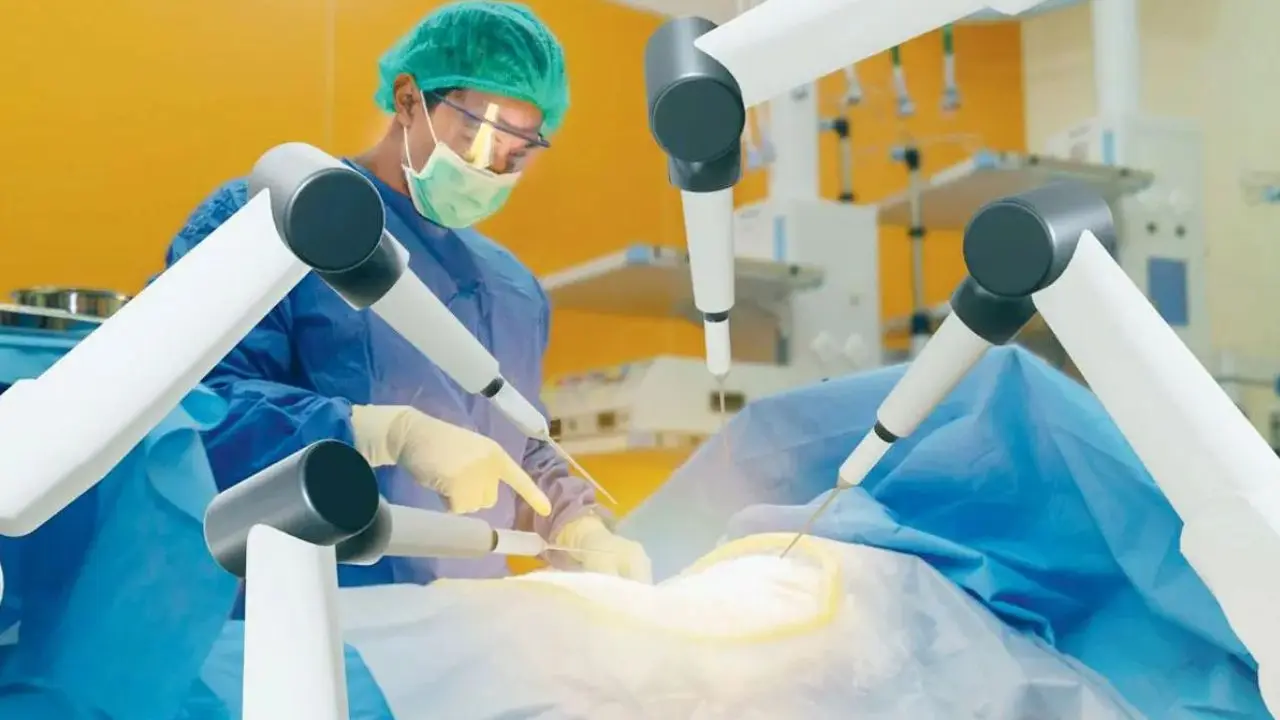
01 April,2026 10:17 AM IST | Agartala | IANSBharatiya Janata Party (BJP) leader and MLA Vipin Singh Parmar on Tuesday launched a scathing attack on the Himachal Pradesh government over the introduction of robotic surgery facilities. The BJP MLA alleged that the move prioritises high-end technology over strengthening basic healthcare infrastructure. Speaking to the media on Tuesday, Parmar said that the state's health system is already under severe strain, with a shortage of essential staff and facilities across medical institutions. MLA Parmar said, "I have been consistently raising the issue of robotic surgery, but the reality is that health institutions in Himachal Pradesh lack basic infrastructure. In many hospitals, there are operating theatres and surgeons, but no anaesthesiologists, no radiologists, and no trained assistants. The system is in a sick condition," as per ANI. No recruitments of staff nurses in Himachal Pradesh The BJP MLA further alleged that there have been no regular recruitments of staff nurses in the past three years, while lab technicians and nurses are being engaged through outsourcing. The BJP leader further said that essential medicines are not available consistently and that drug samples have repeatedly failed quality tests in the state. Raising serious concerns, Parmar said that testing laboratories have failed to clear samples from 2023 to 2025, questioning the effectiveness of systems set up with significant public investment. He also added, "Even after spending crores on testing infrastructure, only a handful of samples have been examined, while huge payments are being made," as per ANI. Targeting the government's focus on robotic surgery, Parmar said the facility would not benefit the poor due to its high cost. "A robotic surgery costs around Rs1-1.5 lakh, while laparoscopic procedures can be done at Rs 20,000-25,000. There is no policy to ensure that people under HIMCARE or Ayushman schemes benefit from this technology," he added. He also questioned the procurement of expensive imported systems such as the Da Vinci robot, reportedly costing around Rs 28 crore, when comparatively cheaper Indian alternatives like the 'Mantra' system are available at Rs 5-7 crore and are already being used in several institutions. Hinting at possible irregularities, the BJP leader further added that 'There is a significant difference in rates. Why was a costlier option chosen?' People of Himachal Pradesh have not given the government the right to waste public money,” as per ANI. The BJP leader further alleged that the state's health budget has been reduced and accused the government of ignoring critical areas such as non-communicable diseases while focusing on expensive technologies. (With inputs from ANI)
31 March,2026 05:48 PM IST | Shimla | mid-day online correspondentIn another medical miracle this March, a private hospital in Faridabad has successfully performed a complex bilateral robotic knee replacement on a six-foot-six-inch tall Kenyan man, the hospital said on Monday. It claims to have set a world record for the procedure on the tallest patient using the largest implant size. According to an official statement, the surgery was led by Dr Anurag Aggarwal, clinical director - Orthopaedics & Joint Replacement, Marengo Asia Hospitals. The patient, Victor (54) had been suffering from severe pain in both knees for the past three to four months and was finding it increasingly difficult to walk, it said. Despite undergoing conservative treatment in Kenya, his condition did not improve, prompting him to seek advanced care at Marengo Asia Hospitals, it added. Following detailed evaluation and imaging at the hospital, doctors diagnosed him with advanced bilateral knee osteoarthritis that required surgery. Dr. Aggarwal said, "Till date, bilateral robotic knee replacement surgery has rarely been performed in a patient of this height. Robotic CT-based planning helped us precisely assess implant sizing and alignment, ensuring optimal outcomes even in such a challenging case." The robotic-assisted surgery was performed on July 20, 2025, and the patient was able to start walking within 24 hours." "This case demonstrates how robotic technology enables us to handle even the most complex anatomical challenges with unmatched precision. Our focus remains on faster recovery, minimal pain, and superior functional outcomes," said Dr. Navneet Singh Chhabra, Medical Director, at the hospital.(With inputs from PTI)
31 March,2026 05:19 PM IST | Faridabad | mid-day online correspondentIn a rare neurological case, Kolkata doctors have successfully diagnosed and treated a man with severe headaches giving him a new lease of life. Probir Guha, a 47-year-old resident of Jadavpur, had been suffering from persistent and severe headaches for over two and a half months. Dr. Jayanta Roy, director and head – Neurology, Manipal Hospital, Mukundapur, diagnosed the condiiton as Spontaneous Intracranial Hypotension (SIH), a disorder caused by a drop in cerebrospinal fluid (CSF) pressure (that cushions and protects the brain and spinal cord) due to a leak at the spine. The patient was treated using a minimally invasive procedure known as an autologous epidural blood patch by Dr. Indranil Ghosh, Consultant – Neuroanaesthesiology, Neurointensive Care, Pain and Palliative Care Specialist along with a surgery in brain performed by Dr. Dipendra Kumar Pradhan, Clinical Lead & Senior Consultant – Neurosurgery. The procedure involves injecting a small amount of the patients own blood near the site of the leak in the spine, which helps seal it, stop further fluid loss and enable rapid relief and recovery. For over two and a half months, the patient suffered from intense headaches that severely affected his daily life, making it difficult for him to sit, work, or carry out routine activities. He consulted nearly 13 doctors across Kolkata from various specialties and underwent multiple CT and MRI scans, all of which returned normal results. Initially treated for migraine, he found no relief. A detailed consultation with Dr. Jayanta Roy revealed a crucial clue—the patients headache improved significantly when lying down but worsened upon sitting or standing. This unusual positional pattern raised suspicion of an underlying condition and prompted further investigation. The patient also recalled that his symptoms began after carrying a heavy backpack over a prolonged period. Further evaluation at Manipal Hospital, Mukundapur, identified a small tear in the dura, the outer protective covering of the spinal cord as the root cause, leading to leakage of cerebrospinal fluid (CSF), which normally cushions and supports the brain. The presence of this CSF leak was also confirmed through targeted spine imaging. The resulting loss of fluid reduced pressure inside the skull, causing the brain to shift slightly downward and strain surrounding nerves and blood vessels, leading to persistent and severe headaches. And the downward shift of brain caused a bleeding on the both the surfaces of the brain, further complicating the situation. After the complete diagnosis the patient was subsequently treated a brain surgery to drain the blood along with an autologous epidural blood patch procedure, in which a small amount of his own blood was injected near the site of the spinal leak. The blood clotted and sealed the tear, stopping further leakage and restoring normal fluid pressure, leading to significant relief. The results were quick. The patient was discharged within two days of undergoing the procedure and is currently under regular follow-up and medication. He is doing well and has successfully resumed his normal routine and professional responsibilities. Commenting on the case, Dr Roy said, “Headaches are often treated as routine conditions like migraine especially when initial scans are normal, but if they persist for a long time and do not respond to standard treatment, it is important to look deeper. In this case, the key clue was the positional nature of the headache it improved when the patient was lying down and worsened on sitting or standing, which is not typical of common headaches. Conditions like low cerebrospinal fluid pressure are uncommon and can be easily missed, especially when initial scans appear normal. This case highlights the importance of careful clinical evaluation and detailed history-taking, as identifying the right cause at the right time can lead to effective treatment and quick recovery.” It can be potentially dangerous and life threatening if the diagnosis is missed. “ Sharing his experience, Guha said, “Over the course of two and a half months, I consulted nearly 13 doctors across the city, yet the cause of my persistent pain remained undiagnosed. Despite my earlier reports appearing normal, Dr. Jayanta Roy sensed that something was not right and recommended further investigations. His timely intervention helped identify the underlying issue and led me to the appropriate treatment. Today, I am relieved and headache-free, able to return to a healthy, normal life. I am truly grateful to Dr. Roy and the entire team at Manipal Hospital, Mukundapur, for their care and support. I continue to be on regular follow-up and medication, and I am doing well.”
31 March,2026 03:53 PM IST | Kolkata | mid-day online correspondentA new study has found that nearly 1 in 3 Indian fever patients test positive for serious infections, based on testing data collected between 2023 and 2025. The analysis by healthcare diagnostics company Thyrocare covers over one lakh (108,324) individuals who underwent comprehensive fever package testing across India. The findings show that nearly one in three individuals who opted for comprehensive fever testing were diagnosed with a serious infection, including dengue, typhoid, malaria, chikungunya, or leptospirosis. In India, fever is often brushed off casually. “Just viral." “Wait it out." “Rest and basic medication". But diagnostic data from 2023 to 2025 tells a far more alarming story, one that turns casual reassurance into a dangerous oversight. Behind what appears to be an ordinary fever, a significant proportion of patients were diagnosed with infections that required medical intervention, from dengue and malaria to typhoid and other illnesses. The numbers challenge a deeply rooted cultural habit – to self-diagnose, self-medicate, and wait. Serious infections detected in a significant share of patients Typhoid emerged as the most commonly detected infection, identified in nearly one in five patients (18.1 per cent), followed by dengue in about one in seven (14.4 per cent). Malaria, chikungunya and leptospirosis were also recorded across the testing population, further contributing to the overall infectious disease burden. These findings indicate that a substantial proportion of fever cases are not vague or self-limiting but have clearly identifiable infectious causes. Structured diagnostic testing helps convert clinical uncertainty into timely and targeted medical action. The data also highlights the presence of multiple infections in a notable proportion of patients. Nearly 10 per cent of infection-positive individuals were diagnosed with co-infections, most commonly a combination of dengue and typhoid. Because these illnesses can present with similar early symptoms but require different treatment approaches, co-infections can complicate diagnosis and delay appropriate care if not identified early. Rahul Guha, who is the MD & CEO of Thyrocare, said, "Recognising fever as a critical signal empowers patients and clinicians alike to act decisively. It shifts care from reactive treatment to timely and informed intervention. Ultimately, early evaluation, supported by data-driven insights, remains one of the most effective ways to navigate India’s evolving and unpredictable infectious disease landscape.” Dr Preet Kaur, chief scientific officer, with the company explained, “Data from 2023 to 2025 shows that a significant number of patients carry serious infections, sometimes more than one at a time, revealing patterns that simple assumptions cannot capture. Beyond the visible rise in temperature, laboratory markers highlight hidden stress on organs, from drops in platelet counts to elevated liver enzymes, underscoring that fever is a systemic signal, not an isolated event.” Infection patterns shifting over time and across regions The study tracks changes in infection trends between 2023 and 2025. Dengue positivity declined significantly over the three-year period, while malaria increased despite its lower overall base. Typhoid and chikungunya rose in 2024 before easing in 2025 but remained present across the testing population. Geographic variation was also observed, with transmission levels differing across regions and some areas consistently reporting higher positivity rates than others. At the same time, most regions showed a gradual decline in dengue and typhoid transmission over the three-year period, indicating an overall reduction in transmission levels in several parts of the country. Fever often signals deeper physiological stress Laboratory findings show that fever is frequently associated with measurable systemic impact, affecting key physiological markers such as platelet counts and liver function. Low platelet levels (thrombocytopenia) were observed in 27 per cent of fever patients, nearly double the 15 per cent seen in non-fever cases. The difference was particularly pronounced in malaria-positive patients, where nearly 8 in 10 experienced a platelet drop, compared to a very small proportion among malaria-negative individuals. Dengue-positive patients also showed significant platelet reductions, with 37 per cent affected compared to 15 per cent in dengue-negative cases. Liver enzyme abnormalities were also widely observed. More than half of all fever patients (56 per cent) showed elevated SGOT levels and 37 per cent had elevated SGPT, both higher than levels seen among non-fever individuals (42 per cent and 26 per cent, respectively). Infection-specific comparisons showed marked liver stress across multiple diseases, including dengue, malaria and leptospirosis. These findings indicate that infectious fevers are often associated with measurable organ stress, highlighting that fever can reflect broader physiological involvement beyond the presence of infection alone. The gender and seasonal divide Gender-based differences were observed across infections. Overall fever positivity was slightly higher among females (32 per cent compared to 29 per cent), largely driven by higher typhoid detection (21 per cent vs 15 per cnet). In contrast, malaria affected men more than twice as often as women (1.1 per cent vs 0.5 per cent). Seasonal patterns were also clearly visible across infections. Dengue positivity rises through the year and typically peaks around October. Typhoid positivity has steadily fallen from 2023 to its lowest in 2025. Despite a mild monsoon spike each year, 2025 remains consistently lower overall. Chikungunya positivity rose gradually from lower, volatile levels in 2023, peaked sharply in 2024, and moderated to a softer trend in 2025. Malaria positivity remains relatively low overall but increases during the monsoon months, with transmission peaking between May and September. Over the three-year period, malaria positivity rose from 0.5 per cent to 1.1 per cent, indicating a gradual increase despite its lower overall base. Standalone testing also reveals substantial disease burden Analysis of standalone fever testing across 2.59 lakh patients between 2023 and 2025 recorded an overall positivity rate of 22.6 per cent, indicating a significant infectious disease burden among individuals tested for specific conditions. Dengue accounted for the highest testing volume, with 1.44 lakh tests conducted and a positivity rate of 16.6 per cent. Typhoid followed with 1.15 lakh tests and a higher positivity rate of 22.7 per cent. Malaria detection remained relatively low at 1.6 per cent despite more than 90,000 tests conducted, while chikungunya, though tested in fewer individuals (27,900), showed a high positivity rate of 23 per cent. These findings show that targeted testing for individual infections can detect substantial disease presence. However, standalone testing may not capture overlapping or co-existing infections, highlighting the value of comprehensive diagnostic panels in providing a more complete clinical understanding of fever.
31 March,2026 03:42 PM IST | Mumbai | mid-day online correspondentJust a few minutes of vigorous activity each day may lower one's risk of eight major conditions, including arthritis, heart, liver and kidney disease and dementia, according to a study. While short bursts of intense, out-of-breath activity, such as running for the bus, were liked to lower disease and death risk overall, they were especially protective against inflammatory diseases, including arthritis, serious cardiovascular disease (heart attack and stroke) and dementia, the findings published in the European Heart Journal show. Physical activity is known to bring down risk of chronic disease and premature death, with vigorous activity providing more benefits per minute. "But questions remain about the importance of intense activity versus total physical activity," author Minxue Shen, from the Xiangya School of Public Health at Central South University in China, said. "For example, if two people do the same total amount of activity, does the person who exercises more vigorously gain greater health benefits? And if someone has limited time, should they focus on exercising harder rather than longer?" Shen said. The researchers analysed data of more than 96,400 people from the UK Biobank. Accelerometers worn on the wrist for a week helped measure movements, including brief bouts of vigorous activity that people often forget, they said. The data was compared with the chances of dying or developing eight serious health conditions in the following seven years -- major cardiovascular disease, irregular heartbeat, type 2 diabetes, immune-mediated inflammatory diseases, liver disease, chronic respiratory diseases, chronic kidney disease and dementia. "Participants with (more than) four per cent VPA (vigourous physical activity) had 29-61 per cent lower risks of these outcomes compared with those with 0 (zero) per cent VPA," the authors wrote. For example, compared with those who did no vigorous activity at all, people with the highest levels had a 63 per cent lower risk of developing dementia, a 60 per cent lower risk of type 2 diabetes and 46 per cent lower risk of dying. These benefits were seen even with relatively small amount of exercise. Shen said, "Vigorous physical activity appears to trigger specific responses in the body that lower-intensity activity cannot fully replicate. During vigorous physical activity -- the kind that makes you feel out of breath -- your body responds in powerful ways. Your heart pumps more efficiently, your blood vessels become more flexible, and your body improves its ability to use oxygen." Further, intensity of vigorous activity appeared to be a key factor in lowering risk of inflammatory conditions such as arthritis and psoriasis."It (vigourous activity) may also stimulate chemicals in the brain that help keep brain cells healthy, which could help explain the lower risk of dementia," Shen said. However, for conditions such as diabetes and chronic liver disease, both the duration and intensity they exercised for were found to be important.The author recommended, "Adding short bursts of activity that make you slightly breathless into daily life, like taking the stairs quickly, walking fast between errands or playing actively with children, can make a real difference." "Even 15 to 20 minutes per week of this kind of effort -- just a few minutes a day -- was linked to meaningful health benefits," Shen said. This story has been sourced from a third party syndicated feed, agencies. Mid-day accepts no responsibility or liability for its dependability, trustworthiness, reliability and data of the text. Mid-day management/mid-day.com reserves the sole right to alter, delete or remove (without notice) the content in its absolute discretion for any reason whatsoever.
31 March,2026 03:15 PM IST | New Delhi | PTIFor decades, endometriosis has been shrouded in a culture of endurance in India. As per Indian Council of Medical Research (ICMR), endometriosis is affecting approximately four crore women across the country. This chronic condition occurs when tissue similar to the lining of the uterus grows in places it doesn’t belong—like the ovaries, fallopian tubes, or even the bowels. According to a recent ICMR study, patients in India have faced an agonising wait of six to nine years for a formal diagnosis. However, 2026 marks a pivotal shift. With updated global guidelines from the World Health Organization (WHO) and the American College of Obstetricians and Gynecologists (ACOG), the medical community is finally moving away from medical dismissal toward rapid, non-invasive intervention. Indian gynaecologists delve into non-invasive saliva-based testing, 7-D framework, presumptive diagnosis and advanced ultrasound mapping, allowing for molecular-level detection and immediate treatment that can facilitate a faster diagnosis and offer an alternative to laparoscopic surgery. The Saliva Test: A diagnostic paradigm shift The gold standard for diagnosis has long been laparoscopy—a surgical procedure where a camera is inserted into the abdomen. Because surgery is intimidating and expensive, many women delay it for years. Dr. Anshumala Shukla Kulkarni, head, minimally invasive gynaecology, gynaecology laparoscopic and robotic surgery at Kokilaben Dhirubhai Ambani Hospital in Mumbai, highlights the 2026 breakthrough: the saliva-based diagnostic test.How it works 1. miRNA as a messenger: Micro-RNAs (miRNAs) are small molecules that act like ‘on/off switches’ for our genes. In patients with endometriosis, the body’s inflammatory response creates a unique pattern among 190 specific miRNAs.2. Gene array technology: The test uses a multi-sequence array to scan your saliva for this specific signature. Because these markers appear in the bloodstream and saliva long before a lesion is large enough to be seen on a scan, it catches the disease in its infancy. The test is a major leap because it identifies the disease at a molecular level rather than waiting for physical growth. Accuracy According to studies published in NEJM Evidence, the saliva based Ziwig Endotest¬¬, which is available in India, has shown high accuracy for detecting endometriosis. Results indicate a diagnostic accuracy of approximately 96.6 per cent, with 97.3 per cent sensitivity and 94.1 per cent specificity. This means it is excellent at ruling in the disease for patients who have previously been told their scans are clear. The early-stage advantage The most significant hurdle in diagnostic delay is that early-stage endometriosis is often not visible on traditional scans.1. Beyond imaging: Traditional ultrasounds only see endometriomas or deep nodules. They often miss superficial peritoneal endometriosis—which can be just as painful but is too flat for a standard probe to detect.2. Avoiding negative surgery: Historically, many women underwent diagnostic laparoscopy only for the surgeon to find nothing because the lesions were too small. As Kulkarni notes, the saliva test allows for a diagnosis without the risk of a negative (unnecessary) surgery.3. Halting progression: By identifying the disease early, doctors can start empiric therapy (hormonal management) to stop these microscopic cells from growing into the dense, scarring adhesions that cause organ damage and infertility. It allows women to get an answer before the disease causes visible physical scarring. A crucial distinction: Diagnosis versus cure While the saliva test is a revolutionary diagnostic tool, Kulkarni provides an essential medical reality check regarding treatment, "Diagnosing endometriosis using a salivary test is good for detecting early cases, but it doesn't mean these patients are cured by medication alone.” Hormonal treatments (like GnRH antagonists or progesterone) are not a cure. "They only suppress the lesion and give symptom relief. They manage the pain, but they do not necessarily change the underlying disease status,” she explains. Redefining ‘normal’ pain: The 7 Ds framework A major barrier to diagnosis is the cultural myth that period pain is normal. Dr. Uddhavraj Dudhedia, director and head (chief), advanced robotic gynaecology, endometriosis, neuro gynaecology, Indo-Swedish uterine transplant program and uro-gynaecology at Nanavati Max Super Speciality Hospital in Mumbai, emphasises that 2026 protocols now use a structured 7 Ds framework to help patients and physicians identify red flags:1. Dysmenorrhea: Severe period pain that doesn't get better with rest or standard over-the-counter painkillers.2. Dyspareunia: Deep, sharp pain during or after sexual intercourse.3. Dysuria: Pain or a burning sensation while urinating during your period.4. Dyschezia: Painful bowel movements or lightning pains in the rectum during menstruation.5. Dysfunctional bleeding: Heavy, irregular, or unpredictable periods.6. Deep pelvic pain: A heavy, dragging sensation in the pelvis that persists even when you aren't on your period.7. Difficulty conceiving: Infertility after six months of trying (for those over 35) or one year (for those under 35). The presumptive approach: Treatment without surgery In a radical departure from the past, the 2026 WHO and ACOG guidelines now support a presumptive clinical diagnosis. As Kulkarni explains, “If a patient’s symptoms and medical history align with the new checklists, the use of medication helps to stop the disease from progressing without the need for immediate surgery.”1. Empiric therapy: Clinicians can now initiate treatments like GnRH antagonists or progesterones. According to Dr. Kulkarni, while these suppress the lesions and provide symptom relief, they allow the patient to avoid negative laparoscopic surgery.2. The goal: The focus has shifted from finding the lesion to improving the patient’s quality of life. Dr Dudhedia notes that tools like the EHP-30 (Endometriosis Health Profile) quantify how the disease disrupts work or school, providing the ‘good practice point’ needed to justify immediate therapy. Why standard ultrasounds often fail Many women are told everything looks normal after a routine ultrasound, yet they remain in excruciating pain. Dr Dudhedia says, “Standard scans often miss superficial endometriosis or deep nodules hidden behind the uterus.” The 2026 solution: Endometriosis Mapping (IDEA Protocol) Instead of a basic scan, patients should request Endometriosis Mapping via Transvaginal Ultrasound (TVUS). “This is a specialised, multi-planar sweep of the pelvic compartments. It is often preferred over MRI because it is dynamic—the doctor can move the probe to see if organs are stuck together (adhesions) in real-time,” he explains. The cost of delay: Why early detection matters The six to nine year diagnostic lag in India isn't just about pain. it’s about long-term health. Kulkarni warns of several hidden costs of waiting:1. Central sensitisation: Over years of untreated pain, the brain and spinal cord become hypersensitive. Eventually, even a light touch can feel painful because the nervous system is stuck in a high-alert state.2. Organ damage: Untreated endometriosis can cause the fallopian tubes to block or stuck ovaries, making natural pregnancy or even IVF significantly more difficult.3. The endo belly: This isn't just bloating, it’s an inflammatory response. The body sends fluid and immune cells to the abdomen to fight the misplaced tissue, causing a distended stomach that mimics irritable bowel syndrome (IBS). New tools help doctors distinguish between digestive issues and endometriosis. A patient’s guide to overcoming medical dismissal and navigating endometriosis in 2026If you suspect you have endometriosis, or if you have been told your pain is normal, Kulkarni’s advice is clear, “Medical gaslighting is real for endometriosis patients. Be your own advocate.” These are the specific questions and terms based on the 2026 ACOG and WHO guidelines to ensure you receive the most advanced care available. The red flag checklist for your doctor When describing your symptoms to a general physician or gynaecologist, avoid using general terms like bad cramps. Instead, use these 7 Ds and specific clinical indicators to trigger a faster referral:1. Non-responsive to NSAIDs: Tell your doctor if standard painkillers (like Ibuprofen or mefenamic acid) do not allow you to function.2. Adolescent warnings: Parents should look for red flags in teens, such as missing school every month or being unable to use a tampon due to pain. Early intervention in the teenage years can prevent Stage IV disease in adulthood.3. Quality of life disruption: Mention if you are missing school, work, or social events. The EHP-30 tool is now a standard metric for justifying immediate testing.4. Cyclical gastrointestinal or urinary symptoms: If you have diarrhoea, constipation, or pain during urination only during your period, this points to endometriosis rather than IBS.5. Shoulder tip pain: Mention if you feel a sharp pain in your right shoulder during your period; this is a key sign of diaphragmatic endometriosis. Questions to ask your gynaecologist To ensure you are being treated under the most current protocols, as outlined by Dr Kulkarni and Dr Dudhedia, ask the following:1. Regarding the saliva test: Am I a candidate for the new saliva-based diagnostic test to avoid an initial diagnostic laparoscopy?2. Regarding ultrasound: Can we perform an endometriosis mapping or deep endometriosis protocol rather than a standard pelvic scan?3. Regarding surgery: If we proceed with surgery, are you excision-ready? Will you remove the lesions during the same procedure if they are found?4. Regarding presumptive diagnosis: Based on my 7 Ds symptoms and history, can we begin empiric therapy now to stop the disease from progressing?
31 March,2026 10:22 AM IST | Mumbai | Maitrai AgarwalUnion Minister Jitendra Singh on Sunday shed light on abdominal or central obesity as a greater risk factor compared to overall obesity, particularly in the Indian context, where even lean and thin-looking individuals often carry significant visceral fat. The minister stated that while overall obesity is rising among both men and women, the prevalence of abdominal obesity remains disproportionately high and acts as an independent determinant of cardiometabolic risk. "The presence of visceral fat around the abdomen, even without generalised obesity, has significant clinical implications and requires early detection and targeted intervention," Singh said during the launch of a book titled 'Advances in Obesity and Lipid Management in CVD'. The minister also highlighted the increasing incidence of metabolic disorders, including type 2 diabetes and cardiac events, among younger populations, reflecting changing lifestyle patterns, dietary habits, and reduced physical activity. Referring to projections indicating a sharp rise in obesity prevalence in India by 2050, Singh also called for strengthened awareness, early screening, and preventive healthcare measures to mitigate long-term health and economic risks. This story has been sourced from a third party syndicated feed, agencies. Mid-day accepts no responsibility or liability for its dependability, trustworthiness, reliability and data of the text. Mid-day management/mid-day.com reserves the sole right to alter, delete or remove (without notice) the content in its absolute discretion for any reason whatsoever.
30 March,2026 04:05 PM IST | New Delhi | PTIAn analysis of previously published studies has found that de-prescribing preventive medications among old, frail adults did not increase the risk of death, hospitalisation, or major heart-related events. Findings published in the journal BioMed Central (BMC) Geriatrics also suggest that de-prescribing was not related with an increased risk of falls -- a leading cause of disability among older adults -- fractures or a reduced quality of life. Researchers, including those from the Indian Council of Medical Research-National Institute for Research in Bacterial Infections, Kolkata, and Sweden's Karolinska Institutet, added however that evidence certainty -- a measure of confidence that the true effect of de-prescribing is close to one estimated from research -- was low and more studies are required. Frail, older adults having a limited life expectancy are commonly prescribed long-term preventive medications and concurrent multiple medications -- "polypharmacy" -- despite uncertain benefits and potential risks, the team said. They analysed 15 studies, involving more than 33,000 participants and taken from databases including the 'PubMed' and 'Web of Science'. The analysis produced evidence on the effect of de-prescribing preventive medications, such as antihypertensives, statins and antidiabetics, compared to continuing clinical, physiological, safety, and patient-centred outcomes among older adults with advanced frailty, dementia, or limited life expectancy. "De-prescribing preventive medications in frail or palliative older adults was not associated with worse outcomes; however, evidence certainty was very low, and further studies are needed," the authors wrote. "From 10,397 records, 15 studies were included. Overall, de-prescribing was not associated with increased risk of all-cause mortality, hospitalisation, or MACE (major adverse cardiovascular event) (certainty: very low GRADE)," they said. "De-prescribing was also not associated with increased risks of fracture, fall, or deterioration of quality of life, but with slightly increased systolic blood pressure (deprescribing antihypertensives)," they said.
27 March,2026 03:34 PM IST | New Delhi | PTIADVERTISEMENT







-1774946905407_d.png "Hidaa Ghaddar. Pic/Instagram")



-1774947749178_d.png "Representational image. File pic")