A team of researchers has shown that people with long COVID are likely to be at an increased risk of developing cardiovascular disease. The research from Karolinska Institutet in Sweden, published in the journal eClinicalMedicine, found that the risk of conditions such as cardiac arrhythmias and coronary artery disease is higher even among those who were not hospitalised during the acute infection. “We found that cardiac arrhythmias and coronary artery disease were more common among both women and men with long COVID. In women, there was also an increased risk of heart failure and peripheral vascular disease,” said Pia Lindberg from the Department of Medicine, Solna, Karolinska Institutet. However, no clear association was found between long COVID and stroke. According to the study, long COVID has become an increasingly significant health problem worldwide, and a growing number of studies suggest that the condition can lead to secondary cardiovascular diseases. In the current study, the researchers investigated how often major cardiovascular events occur in these individuals compared with those without the diagnosis. From over 1.2 million people aged between 18 and 65, around 9,000 had been diagnosed with long COVID, corresponding to 0.7 per cent. Two-thirds of them were women. During the follow-up period of around four years, people with long COVID were more likely to suffer from cardiovascular disease. About 18.2 per cent of women and 20.6 per cent of men experienced some form of cardiovascular event, compared with 8.4 per cent of women and 11.1 per cent of men in the group without long COVID. “Women with long COVID had just over twice the risk of receiving a cardiovascular diagnosis compared with women without long COVID. Men had approximately a third higher risk,” the study showed. As many people with long COVID never required hospitalisation during their acute infection, there is a risk that secondary conditions may be missed, said Lindberg. “Results show that long COVID can be a risk factor for cardiovascular disease, even in younger people who were previously healthy. This underlines the need for structured follow-up that takes gender differences into account,” the study author said. This story has been sourced from a third party syndicated feed, agencies. Mid-day accepts no responsibility or liability for its dependability, trustworthiness, reliability and data of the text. Mid-day management/mid-day.com reserves the sole right to alter, delete or remove (without notice) the content in its absolute discretion for any reason whatsoever.
03 April,2026 04:52 PM IST | New Delhi [India] | IANSTuberculosis is one of the world’s deadliest infectious diseases and now, a team of scientists has discovered a fundamental flaw in a long-standing model of how bacteria control gene expression that can form the base for innovative strategies to combat tuberculosis and other bacterial infections, an official statement said on Thursday. Scientists believed that a protein called ‘σ factor’ binds RNA polymerase, initiates bacterial transcription and is then released once the enzyme begins elongating RNA. This process, known as the ‘σ-cycle’, was assumed to be universal across bacteria, including TB bacteria. For years, scientists believed that a protein called σ factor binds RNA polymerase, initiates bacterial transcription and is then released once the enzyme begins elongating RNA. This process, known as the σ-cycle, was assumed to be universal across bacteria, including TB bacteria. However, a new study from Bose Institute, Kolkata, an autonomous institute of the Department of Science and Technology (DST), overturns this assumption. Researchers Dr Jayanta Mukhopadhyay and Dr N. Hazra found that while some σ factors in M. tuberculosis dissociate from RNA polymerase during transcription, others remain firmly attached throughout the process. Their research, published in international journal Nucleic Acids Research, reveals that a mechanism taught for decades in molecular biology textbooks — the so-called “universal σ-cycle”, does not apply to all bacteria or all regulatory proteins. “The study focuses on tuberculosis (TB) causing bacteria, Mycobacterium tuberculosis, and shows that different σ (sigma) factors, proteins that guide RNA polymerase to specific genes, behave in strikingly different ways during transcription, the first step of gene expression,” said the Ministry of Science and Technology. The discovery that σF remains bound to RNA polymerase suggests a so far unknown mechanism by which the bacterium ensures sustained expression of stress-response genes, an insight with important implications for TB biology. Drug-resistant strains pose an increasing global threat to cure of the disease. M. tuberculosis (TB) bacteria survive inside the human host by precisely regulating gene expression under extreme stress conditions. This story has been sourced from a third party syndicated feed, agencies. Mid-day accepts no responsibility or liability for its dependability, trustworthiness, reliability and data of the text. Mid-day management/mid-day.com reserves the sole right to alter, delete or remove (without notice) the content in its absolute discretion for any reason whatsoever.
03 April,2026 04:47 PM IST | New Delhi [India] | IANSScientists have found that those living with obstructive sleep apnea (OSA) have a 71 per cent higher risk of cardiovascular events (CVEs) or death from any cause (all-cause mortality) compared with those not living with OSA. New research, to be presented at the European Congress on Obesity (ECO 2026, Istanbul, Turkey, May 12-15), is a collaboration between Imperial College Health Partners; Imperial College Healthcare NHS Trust, London, UK; and Eli Lilly and Company (Lilly). “In adults, obstructive sleep apnea is linked to higher risk of cardiovascular events or all-cause mortality, especially among those with obesity, even after adjusting for confounders,” said study co-author Heather Fitzke of Imperial College Health Partners, London. OSA is characterised by recurrent upper airway obstruction during sleep and is associated with reduced quality of sleep and life and increased cardiovascular risk. The prevalence of obesity and overweight among people with OSA is between 40-70 per cent, and people living with obesity are more likely to experience more severe OSA than those without the condition. In this new study, the primary objective was to assess the increased risk of the combined endpoint of CVEs or death among adults with a diagnosis of OSA compared to adults without OSA. The study used electronic health records from 2.9 million residents. In the analysis, 20,300 people diagnosed with OSA were matched with 97,412 comparators; 57.2 per cent (11,613) of those participants with OSA were living with obesity compared to 56.7 per cent (55,264) of the matched participants without OSA. The authors found the risk of CVEs or all-cause mortality among people with OSA was 71 per cent higher than in the matched controls without OSA. These findings underscore the need for effective obesity management and highlight the importance of early screening and timely diagnosis. To our knowledge, this is the largest matched case-control study of obstructive sleep apnea outside the US to date, Fitzke added. This story has been sourced from a third party syndicated feed, agencies. Mid-day accepts no responsibility or liability for its dependability, trustworthiness, reliability and data of the text. Mid-day management/mid-day.com reserves the sole right to alter, delete or remove (without notice) the content in its absolute discretion for any reason whatsoever.
03 April,2026 04:30 PM IST | New Delhi [India] | IANSA doctor from Manipur’s Senapati district saved the life of a 21-year-old passenger during a mid-air medical emergency on an Air India flight from Tokyo to New Delhi. Dr Loni Lirina, a critical care specialist at the American Oncology Institute, Babina Specialty Hospital in Imphal, was on board the flight when a young woman began experiencing severe breathing difficulties. Following an announcement by the flight crew requesting medical assistance, Dr Lirina promptly attended to the passenger. Upon examination, she immediately recommended oxygen support, nebulisation, and essential medications to stabilise the patient’s condition. Thanks to her swift and decisive intervention, the woman’s condition improved significantly within 30 minutes, eliminating the need for an emergency landing. The flight subsequently landed safely in New Delhi, with the passenger reported to be in stable condition. According to Dr Lirina, the passenger had a history of childhood asthma but had not been on medication for several years. "Upon examination, the patient was in severe respiratory distress, with a heart rate exceeding 160 beats per minute, low blood pressure, and oxygen saturation at 80 per cent of room air. By the grace of God, after administering the medicine, the young woman stabilised," she said in a video message. Manipur Chief Minister Yumnam Khemchand Singh praised Dr Lirina for her timely and life-saving intervention. Taking to X, the Chief Minister wrote: "A life saved is a testament to both skill and compassion." "I extend my heartfelt appreciation to Dr Loni Lirina of Senapati District, Manipur, a Critical Care Physician at the American Oncology Institute, Babina Specialty Hospital, for her exemplary courage and timely medical intervention in saving the life of a 21-year-old passenger who experienced severe chest pain and breathlessness onboard an Air India flight from Tokyo to Delhi. Her swift response, clinical excellence, and unwavering commitment to the noble profession reflect the highest ideals of medical service," he said. The Chief Minister further added that such acts of humanity and professionalism bring immense pride to Manipur and serve as an inspiration to all. "I convey my deep gratitude and commend her for this remarkable act of service," he said. This story has been sourced from a third party syndicated feed, agencies. Mid-day accepts no responsibility or liability for its dependability, trustworthiness, reliability and data of the text. Mid-day management/mid-day.com reserves the sole right to alter, delete or remove (without notice) the content in its absolute discretion for any reason whatsoever.
03 April,2026 04:22 PM IST | Imphal | IANSIn a significant achievement for Tripura’s healthcare sector, government-run Govind Ballabh Pant Medical College and Hospital in Agartala has successfully conducted two consecutive kidney transplants for the first time in the state’s history, officials said on Tuesday. Hospital Superintendent Dr Bidhan Goswami said this milestone was made possible through the dedicated efforts of Chief Minister Manik Saha, a dental surgeon who holds the health portfolio. With the completion of the sixth and seventh kidney transplants on Monday and Tuesday (March 30 and 31), the medical college and hospital have now performed a total of 7 successful kidney transplants. In all cases, both donors and recipients are reported to be stable and healthy. The two latest transplants were conducted under the supervision of specialist doctors from Agartala Government Medical College and Govind Ballabh Pant Hospital, in collaboration with experts from a private hospital and research institute in Imphal, Manipur. “While earlier transplants were performed individually, this marks the first time that two procedures were successfully carried out on consecutive days in the state, setting a new benchmark,” Dr Goswami said. On Monday (March 30), a 36-year-old man from Baikhora in South Tripura district underwent a kidney transplant, receiving the organ from his 33-year-old childhood friend. On Tuesday, another transplant was performed on a 33-year-old resident of Champaknagar in West Tripura, who received a kidney donated by his 59-year-old father. According to the latest updates, both donors and recipients are in stable condition and under close medical observation, the hospital superintendent said. The procedures were conducted by a multidisciplinary team of doctors from the Departments of Nephrology, Urology, and Anaesthesiology, with support from specialists at Manipur Hospital. Dr Goswami said nursing staff and operating theatre technicians also played a crucial role, with overall supervision by senior nursing officials. The sixth transplant procedure began on Monday morning and concluded in the afternoon, lasting approximately six hours, while the seventh started on Tuesday morning and ended in the afternoon, taking about five hours. The official stated that this achievement reflects the state government’s strong commitment to strengthening healthcare infrastructure. Notably, the first-ever kidney transplant in Tripura was conducted on July 8, 2024, and the fifth transplant was successfully done on November 4, 2025. Meanwhile, the Tripura government has sought guidance and support from All India Institute of Medical Sciences (AIIMS), New Delhi, to expand access to advanced healthcare services in the state. A four-member team from AIIMS, New Delhi, led by its Director, M. Srinivas, visited Agartala Government Medical College, Govind Ballabh Pant Hospital, and other government-run healthcare facilities in June last year to assess the state’s medical infrastructure and services. The visit was undertaken at the request of Chief Minister Manik Saha. This story has been sourced from a third party syndicated feed, agencies. Mid-day accepts no responsibility or liability for its dependability, trustworthiness, reliability and data of the text. Mid-day management/mid-day.com reserves the sole right to alter, delete or remove (without notice) the content in its absolute discretion for any reason whatsoever.
02 April,2026 06:33 PM IST | Agartala | IANSIntensifying its drive to curb adulterated food, Hyderabad police have seized a large number of ice and lassi candies laced with harmful chemicals. The sleuth of the Commissioners Taskforce, Golconda Zone Team, along with Mehdipatnam police, raided an ice cream parlour at Ahmed Nagar, in the First Lancer area, and apprehended its owner, Syed Musharafuddin, who was manufacturing and supplying ice candies and lassi in an unhygienic environment. The team seized material valued at Rs 5.44 lakh. According to police, the accused was intentionally using harmful chemical substances illegally for personal gain. The police seized 92 packets of ice candies, with each packet containing 180 ice candies and 20 packets of lassi candies, with 210 lassi candies in each packet. They also seized 300 glasses of lassi, 15 buckets of curd (each bucket of 10 kg), 50 kg sugar, a lassi machine, eight kg citric acid, 500 grams of sucrose and other materials. Additional Deputy Commissioner of Police, Commissioner’s Task Force, Ande Srinivas Rao, said that a case has been registered under sections 274, 275, and 125 of BNS against the accused at Mehdipatnam Police Station. This is the latest in a series of raids conducted by the city police to curb food adulteration. The Telangana government has taken a serious note of the rising instances of food adulteration. Chief Minister A. Revanth Reddy said on March 30 that the government will introduce a special mechanism to curb food adulteration. He said the proposed system would be similar to the recently launched enforcement models, such as EAGLE and HYDRAA, to curb drugs and lake encroachments, respectively. Hyderabad Police Commissioner V C. Sajjanar has warned that those indulging in food adulteration would be dealt with firmly. "Food adulteration is not just a crime. It is a silent, deadly attack on every household. From the biscuits and ice creams we lovingly give our children to everyday essentials like ginger-garlic paste, tea powder, milk, and curd, adulterators are poisoning the very food we trust. The scale and brazenness of these acts are deeply alarming," he said. The Police Commissioner hailed the decision of the Chief Minister to establish a dedicated food safety system. Sajjanar said the Hyderabad Commissionerate has already set up the ‘H-FAST’ team, which is cracking down firmly on adulteration networks. "In the past one month, 61 cases have been registered, 15 tonnes of adulterated products seized, and 64 accused arrested. There will be zero tolerance for those who gamble with innocent lives for profit. The fight for a society free from adulteration and for safe, trustworthy food will only intensify," he added.
02 April,2026 12:15 PM IST | Hyderabad | IANSIn a significant advancement for knee preservation surgery in India, Mumbai doctors have successfully performed a meniscus allograft transplant using a graft that was donated, processed, and implanted entirely within the same institution. The surgery at Jaslok Hospital was performed on a 21-year-old engineering student who had lost his meniscus following a sports injury. Despite undergoing multiple procedures earlier, he continued to experience disabling pain that affected both his mobility and long-term joint health. The patient also worked as a part-time sportsman to support his livelihood, and over time even routine walking had become difficult before he arrived at Jaslok for treatment.The procedure was performed by a surgical team led by Dr Prasad Bhagunde, consultant Orthopaedics & Sports Medicine Expert. The anaesthesia for the surgery was supported by Dr Rajani M R, Consultant Anaesthesiology. It marks an important step for knee preservation surgery in India and shows that institutions in the country can manage the full pathway of tissue donation, preservation, and transplantation. The meniscus acts as a vital shock absorber within the knee joint. When it is completely removed due to injury or repeated surgeries, patients often develop persistent pain, swelling, and an increased risk of early arthritis. Younger and physically active individuals are particularly affected as the loss of this structure can severely limit mobility. The meniscus does not regenerate once it is fully lost, and there is currently no artificial implant that can restore its natural biomechanics. For carefully selected patients without advanced arthritis, transplantation using donated biological tissue remains the only treatment that can recreate near-normal joint function. In this case, the meniscus graft was donated at Jaslok Hospital and later used for transplantation into a patient at the same institution. Such a complete local donation and transplant cycle remains uncommon and illustrates how tissue donation within the country can directly support patients requiring complex joint preservation procedures. Using this donor graft, surgeons at the hospital performed the transplant through a minimally invasive arthroscopic approach. A carefully sized meniscus was implanted to restore the knee’s natural cushioning and stability, with the objective of improving joint function and allowing the patient to regain mobility. Speaking about the surgery, Dr Bhagunde, said, "In meniscus transplantation the real challenge is ensuring that the graft behaves like the patient’s original tissue once it is implanted. Even small differences in size or positioning can affect how the knee distributes load during movement. In this case we spent considerable time planning the graft match and surgical placement so that the joint could regain its natural cushioning and stability, which is essential for a young and active patient." Historically, meniscus allografts used in such procedures were largely imported from the United States, often leading to challenges in size compatibility, as patients in Asian populations typically have smaller knee anatomy. Cost has also been a significant barrier, with imported grafts priced at around Rs 14 lakh, limiting access for many patients. However, the availability of locally processed grafts is transforming this landscape. These grafts are now available at approximately Rs 1.5 lakh, significantly reducing the financial burden and making the procedure more accessible, while also offering a better anatomical fit for Indian patients. Dr Milind Khadke, Director Medical Services, Jaslok Hospital and Research Centre, said, "For many years, procedures that depended on specialised biological grafts remained difficult to scale in India because the ecosystem around tissue donation and preservation was still evolving. Cases like this signal that the gap is beginning to close. When institutions are able to support the entire pathway locally, it changes what doctors can realistically offer patients. The real significance lies in building that capability within the country rather than relying on solutions from elsewhere."
01 April,2026 12:12 PM IST | Mumbai | mid-day online correspondentShe's Nigerian, but Lebanese by origin and a football star in a conservative country's even more conservative north. Hidaa Ghaddar is unconventional -- but her approach might be just what's needed in a city buckling under the weight of drug abuse and unemployment. Ghaddar's athletic academy aims to keep youth off drugs in football-crazy Kano, the cultural capital of Muslim-majority northern Nigeria. "Drug abuse and playing football don't go together. It's either you do this or that," she told AFP of her Breakthrough Football Academy, established two years ago, which also aims to develop future talent for foreign clubs. The 27-year-old has become something of a local celebrity as the country's only woman coach of an all-male team, defying cultural norms in Kano. She's more than qualified for the sporting aspect of her job, but her approach also aims to help Nigerian anti-drug authorities, who are facing a toxic mix of substance abuse, criminality and political violence. Kano, the largest city in northern Nigeria, has the second highest drug use rate in the country, according to the National Drug Law Enforcement Agency. High unemployment has pushed youths in the city of five million into drugs and crime, and politicians are known to take advantage of the crisis by hiring them as thugs to intimidate opponents, political researchers have documented. Officially, the state's unemployment rate is 7.6 percent, above the national average of 5.3 percent. But the number of Kano state youths not in education, employment or training shoots up to 12.5 percent. Another 15.8 percent of residents report being under-employed. Police have started asking residents to report drug peddlers in their communities as part of efforts to contain the problem, alongside a new task force. Nigeria severely lacks treatment and rehabilitation centres and drugs smuggled en route to Europe are increasingly spilling into the local market. "Playing football itself helps these players avoid all of this," Ghaddar said. Training sessions are accompanied by a focus on "nutrition, sleep, hydration and having a good lifestyle," Ghaddar said, from the sidelines of a sandy pitch in the centre of a horse racing track. Several dozen spectators stood are watching the team train in the hot afternoon sun, as Ghaddar sported a black hijab and blue football boots. Love of football Born to a Lebanese family of factory owners in Kano -- the city is home to a sizeable Lebanesecommunity, mostly engaged in construction, trade and confectionery -- Ghaddar started playing football at the age of five. She was gripped by a love of football at 16 when she moved to Lebanon for her university studies. Ghaddar's dreams of becoming a star on the pitch were cut short by four successive knee injuries and five surgeries, which forced her to abandon her playing career at the age of 18. But she returned to Nigeria to give young players the footballing opportunity she missed. "I lived for 16 years here in Kano and it felt like home," Ghaddar said. Initially, she had doubts her plan for an academy would work, considering there were no women footballers of note in the city, where cultural norms steer most women away from sport. But she opened the academy with six students and soon it increased to 63. "I was scared of everything... me being a female wearing a hijab, coming to the race course, training here on sand in front of men," Ghaddar said with a smile. She provides the players with soccer kits and allowances in an effort to help them concentrate on football. The players are also enrolled in secondary schools and twice-a-week English classes to help their academic growth. Those not interested in university are employed in her family-owned confectionary and soda factories while they also focus on football. "The boys are family to me, I feel all the positive emotions when I'm with them," Ghaddar said. Ali Mustapha Ahmad Musa is one of Ghaddar's students who aspires to become an international football player. "We pray and train to achieve our highest dream of joining foreign clubs in Europe or elsewhere," the 15-year old said after a training session. That's also Ghaddar's hope. "My dream is to see one of my players playing abroad," Ghaddar said This story has been sourced from a third party syndicated feed, agencies. Mid-day accepts no responsibility or liability for its dependability, trustworthiness, reliability and data of the text. Mid-day management/mid-day.com reserves the sole right to alter, delete or remove (without notice) the content in its absolute discretion for any reason whatsoever.
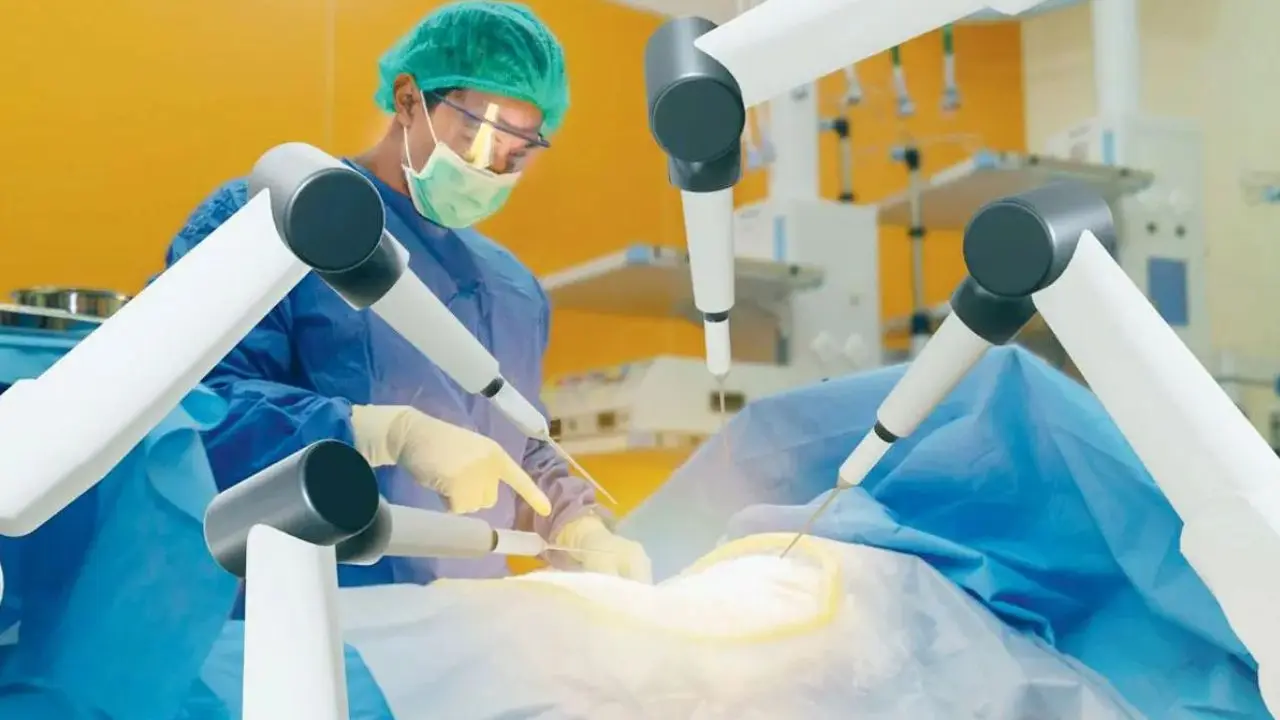
01 April,2026 11:26 AM IST | Nigeria | AFPBharatiya Janata Party (BJP) leader and MLA Vipin Singh Parmar on Tuesday launched a scathing attack on the Himachal Pradesh government over the introduction of robotic surgery facilities. The BJP MLA alleged that the move prioritises high-end technology over strengthening basic healthcare infrastructure. Speaking to the media on Tuesday, Parmar said that the state's health system is already under severe strain, with a shortage of essential staff and facilities across medical institutions. MLA Parmar said, "I have been consistently raising the issue of robotic surgery, but the reality is that health institutions in Himachal Pradesh lack basic infrastructure. In many hospitals, there are operating theatres and surgeons, but no anaesthesiologists, no radiologists, and no trained assistants. The system is in a sick condition," as per ANI. No recruitments of staff nurses in Himachal Pradesh The BJP MLA further alleged that there have been no regular recruitments of staff nurses in the past three years, while lab technicians and nurses are being engaged through outsourcing. The BJP leader further said that essential medicines are not available consistently and that drug samples have repeatedly failed quality tests in the state. Raising serious concerns, Parmar said that testing laboratories have failed to clear samples from 2023 to 2025, questioning the effectiveness of systems set up with significant public investment. He also added, "Even after spending crores on testing infrastructure, only a handful of samples have been examined, while huge payments are being made," as per ANI. Targeting the government's focus on robotic surgery, Parmar said the facility would not benefit the poor due to its high cost. "A robotic surgery costs around Rs1-1.5 lakh, while laparoscopic procedures can be done at Rs 20,000-25,000. There is no policy to ensure that people under HIMCARE or Ayushman schemes benefit from this technology," he added. He also questioned the procurement of expensive imported systems such as the Da Vinci robot, reportedly costing around Rs 28 crore, when comparatively cheaper Indian alternatives like the 'Mantra' system are available at Rs 5-7 crore and are already being used in several institutions. Hinting at possible irregularities, the BJP leader further added that 'There is a significant difference in rates. Why was a costlier option chosen?' People of Himachal Pradesh have not given the government the right to waste public money,” as per ANI. The BJP leader further alleged that the state's health budget has been reduced and accused the government of ignoring critical areas such as non-communicable diseases while focusing on expensive technologies. (With inputs from ANI)
31 March,2026 05:48 PM IST | Shimla | mid-day online correspondentIn another medical miracle this March, a private hospital in Faridabad has successfully performed a complex bilateral robotic knee replacement on a six-foot-six-inch tall Kenyan man, the hospital said on Monday. It claims to have set a world record for the procedure on the tallest patient using the largest implant size. According to an official statement, the surgery was led by Dr Anurag Aggarwal, clinical director - Orthopaedics & Joint Replacement, Marengo Asia Hospitals. The patient, Victor (54) had been suffering from severe pain in both knees for the past three to four months and was finding it increasingly difficult to walk, it said. Despite undergoing conservative treatment in Kenya, his condition did not improve, prompting him to seek advanced care at Marengo Asia Hospitals, it added. Following detailed evaluation and imaging at the hospital, doctors diagnosed him with advanced bilateral knee osteoarthritis that required surgery. Dr. Aggarwal said, "Till date, bilateral robotic knee replacement surgery has rarely been performed in a patient of this height. Robotic CT-based planning helped us precisely assess implant sizing and alignment, ensuring optimal outcomes even in such a challenging case." The robotic-assisted surgery was performed on July 20, 2025, and the patient was able to start walking within 24 hours." "This case demonstrates how robotic technology enables us to handle even the most complex anatomical challenges with unmatched precision. Our focus remains on faster recovery, minimal pain, and superior functional outcomes," said Dr. Navneet Singh Chhabra, Medical Director, at the hospital.(With inputs from PTI)
31 March,2026 05:19 PM IST | Faridabad | mid-day online correspondentIn a rare neurological case, Kolkata doctors have successfully diagnosed and treated a man with severe headaches giving him a new lease of life. Probir Guha, a 47-year-old resident of Jadavpur, had been suffering from persistent and severe headaches for over two and a half months. Dr. Jayanta Roy, director and head – Neurology, Manipal Hospital, Mukundapur, diagnosed the condiiton as Spontaneous Intracranial Hypotension (SIH), a disorder caused by a drop in cerebrospinal fluid (CSF) pressure (that cushions and protects the brain and spinal cord) due to a leak at the spine. The patient was treated using a minimally invasive procedure known as an autologous epidural blood patch by Dr. Indranil Ghosh, Consultant – Neuroanaesthesiology, Neurointensive Care, Pain and Palliative Care Specialist along with a surgery in brain performed by Dr. Dipendra Kumar Pradhan, Clinical Lead & Senior Consultant – Neurosurgery. The procedure involves injecting a small amount of the patients own blood near the site of the leak in the spine, which helps seal it, stop further fluid loss and enable rapid relief and recovery. For over two and a half months, the patient suffered from intense headaches that severely affected his daily life, making it difficult for him to sit, work, or carry out routine activities. He consulted nearly 13 doctors across Kolkata from various specialties and underwent multiple CT and MRI scans, all of which returned normal results. Initially treated for migraine, he found no relief. A detailed consultation with Dr. Jayanta Roy revealed a crucial clue—the patients headache improved significantly when lying down but worsened upon sitting or standing. This unusual positional pattern raised suspicion of an underlying condition and prompted further investigation. The patient also recalled that his symptoms began after carrying a heavy backpack over a prolonged period. Further evaluation at Manipal Hospital, Mukundapur, identified a small tear in the dura, the outer protective covering of the spinal cord as the root cause, leading to leakage of cerebrospinal fluid (CSF), which normally cushions and supports the brain. The presence of this CSF leak was also confirmed through targeted spine imaging. The resulting loss of fluid reduced pressure inside the skull, causing the brain to shift slightly downward and strain surrounding nerves and blood vessels, leading to persistent and severe headaches. And the downward shift of brain caused a bleeding on the both the surfaces of the brain, further complicating the situation. After the complete diagnosis the patient was subsequently treated a brain surgery to drain the blood along with an autologous epidural blood patch procedure, in which a small amount of his own blood was injected near the site of the spinal leak. The blood clotted and sealed the tear, stopping further leakage and restoring normal fluid pressure, leading to significant relief. The results were quick. The patient was discharged within two days of undergoing the procedure and is currently under regular follow-up and medication. He is doing well and has successfully resumed his normal routine and professional responsibilities. Commenting on the case, Dr Roy said, “Headaches are often treated as routine conditions like migraine especially when initial scans are normal, but if they persist for a long time and do not respond to standard treatment, it is important to look deeper. In this case, the key clue was the positional nature of the headache it improved when the patient was lying down and worsened on sitting or standing, which is not typical of common headaches. Conditions like low cerebrospinal fluid pressure are uncommon and can be easily missed, especially when initial scans appear normal. This case highlights the importance of careful clinical evaluation and detailed history-taking, as identifying the right cause at the right time can lead to effective treatment and quick recovery.” It can be potentially dangerous and life threatening if the diagnosis is missed. “ Sharing his experience, Guha said, “Over the course of two and a half months, I consulted nearly 13 doctors across the city, yet the cause of my persistent pain remained undiagnosed. Despite my earlier reports appearing normal, Dr. Jayanta Roy sensed that something was not right and recommended further investigations. His timely intervention helped identify the underlying issue and led me to the appropriate treatment. Today, I am relieved and headache-free, able to return to a healthy, normal life. I am truly grateful to Dr. Roy and the entire team at Manipal Hospital, Mukundapur, for their care and support. I continue to be on regular follow-up and medication, and I am doing well.”
31 March,2026 03:53 PM IST | Kolkata | mid-day online correspondentADVERTISEMENT







-1775215291292_d.png?tr=w-436,h-271 "Representational image. File pic")
-1775214985971_d.png "Pic/Pixabay")
-1775213946947_d.png "File Pic")
-1775213477106_d.png "Representational Image")

-1775112168891_d.png "Commissioner’s Task Force raids parlour, arrests owner for selling adulterated sweets. Representational Image")

-1774946905407_d.png "Hidaa Ghaddar. Pic/Instagram")