In an era of high-stress careers and constant digital connectivity, a good night’s sleep has become a luxury. This desperation has fuelled a massive surge in melatonin gummies — brightly coloured, sweet-tasting supplements marketed as a harmless, natural way to drift off. But Indian medical experts are sounding the alarm: melatonin is no simple vitamin; it’s a potent neuro-hormone, and unregulated use is disrupting the very systems it’s meant to help. Ahead of World Sleep Day on March 13, leading pulmonologists are raising red flags about the growing misuse of these popular gummy supplements. The hormone myth: Understanding the biology of sleep The first step in understanding the risk is correcting a common misconception: melatonin is not a vitamin. As Dr Salil Bendre, director of pulmonology at Nanavati Max Super Speciality Hospital, Mumbai, explains, "Melatonin is commonly marketed and purchased easily over the counter as a natural supplement, akin to multivitamin tablets, but clinically, melatonin is not a vitamin. It is a neuro-hormone, produced by the brain, to help regulate the circadian rhythm of the body." "Essentially, melatonin sets the body’s internal clock that guides the extremely essential sleep–wake cycle. Produced by the pineal gland in the centre of the brain, melatonin acts as a chronobiotic. Its production is governed strictly by light. When the sun sets and darkness falls, the brain increases melatonin levels to signal that it is time to rest. Conversely, morning light triggers a decrease,” says Dr Bendre. By introducing synthetic melatonin without supervision, users are essentially hacking a delicate hormonal feedback loop. The lazy-brain effect: The cost of outsourcing sleep One of the most significant risks of daily melatonin use is the development of a biological dependency. Dr Sunil Kumar K, lead consultant, pulmonology and sleep medicine at Aster CMI Hospital, Bengaluru, describes this phenomenon as the ‘lazy-brain’ effect. "A long-term daily use of melatonin in a healthy adult or child can cause the body to rely on it rather than producing it naturally through the brain. If you keep doing someone’s work, they can become lazy. This is sometimes referred to as a lazy-brain effect, or that the pineal gland will not be able to respond properly to the body getting melatonin from its source when taken from an outside source," says Dr Kumar. Over time, this creates a cycle where the body can forget how to naturally manage sleep. This leads to the need for higher doses because the body has become so accustomed to the external supply, ultimately fracturing the normal sleep-wake pattern. The stealth dosing danger: A game of chemical roulette As the brain becomes ‘lazy’ and the user feels the need for stronger doses, they enter the most dangerous phase of the trend: the inconsistency of the products themselves. Dr Bendre highlights the challenge of stealth dosing—the stark difference between the actual dosage and what is written on the pack. "Stealth dosing is the stark difference between the actual amount of melatonin dosage as opposed to what's written on the pack. Global studies have shown that some unregistered imported gummies contained 112 per cent to 417 per cent of the stated dose, while a few others contained less than advertised. This wide-scale difference matters because the most common morning-after effects—sleepiness, daytime drowsiness, headache, and dizziness—are consistently reported with melatonin use,” Dr Bendre notes. This unpredictability is risky because more is not better in hormonal medication. Evidence shows that individuals using 10 mg or higher have reported a 40 per cent increase in adverse events. Dr Bendre warns, "If you’re taking a 5 mg gummy and still not sleeping well, doubling the dose can be one of the riskiest moves. It will not only worsen next-day symptoms but also overlook the real cause of insomnia." Protecting the next generation: Paediatric risks The trend of parents using melatonin to manage their child's bedtime is particularly troubling to experts. Children are in a critical stage of brain and hormonal development. Dr Kumar points out that melatonin has a direct relationship with other hormones, including those involved in puberty. According to Dr Kumar, long-term use in children can: Upset natural hormone levels: Potentially altering the timing of puberty. Create dependency: Training a developing brain to require a supplement to fall asleep. Lifestyle masking: Most sleep issues affecting children are due to lifestyle factors: inappropriate screen time, inconsistent bedtimes, eating sugary foods at night, or unresolved anxiety from school. Dr Kumar advises that a healthy child, who takes 30 to 60 minutes to fall asleep typically, has a routine issue rather than a hormonal one. Parents should seek medical evaluation if they notice loud snoring (potential sleep apnoea) or restless leg movements during sleep. The exit ramp: How to safely reset your internal clock If you have become dependent on sleep aids, doctors advise against stopping abruptly. Instead, a gradual taper over one to two weeks is recommended, combined with a three-step natural protocol suggested by Dr Kumar: Morning light exposure: Wake up and get into sunlight within 15 to 20 minutes of waking. This sends a signal to the brain that it’s time to get up and begins to reset the clock in your body naturally. Nighttime light and screen exposure: Limit mobile devices, TV, and laptops at least one hour prior to bed. Dark helps your body produce melatonin naturally. Pre-sleep body temperature: When your body cools slightly, you have better sleep. Take a warm shower prior to bed or keep the bedroom cool. Avoid heavy exercise within an hour of bedtime. Sleep is a function, not a pill The consensus among experts is clear: while melatonin may have value in treating certain medical conditions, it should not be treated like candy. "We should not rely on a bottle of melatonin to help our brain remember how to fall asleep naturally. Sleep is a natural function of our body, which needs our support to do so appropriately," reminds Dr Kumar. Dr Bendre adds that relying on gummies often masks underlying causes such as stress or circadian disruption. "Whenever the sleep issues persist, the safest step is expert consultation to confirm the cause, timing, and dosage rather than purchasing or using gummies on your own,” he advises.
11 March,2026 05:38 PM IST | Mumbai | Maitrai AgarwalThe government has issued a draft Gazette Notification proposing amendments to avoid duplicate viral testing of blood products and invited public comments on it, an official statement said on Wednesday. The amendment aims to align regulatory requirements for testing of blood products with internationally accepted pharmacopeial standards and to remove additional testing requirements on products that are not warranted under global best practices, the Ministry of Health and Family Welfare said in the statement. The amendments were proposed to "Para G (Testing of Blood Products), Part XII C, Schedule F of the Drugs Rules 1945". The ministry described the move as a step toward regulatory harmonisation, scientific rationalisation of testing requirements and reduction of avoidable compliance burden while continuing to uphold patient safety. Under harmonised standards cited in the draft, the first homogeneous pool of human plasma for fractionation must be tested for Hepatitis B surface antigen, Hepatitis C virus RNA and antibodies to HIV, and pooled plasma must test negative for these viral markers before fractionation. The draft noted that only plasma pools meeting these safety requirements should be used to manufacture plasma‑derived medicinal products. Under the current regulatory framework, the final products manufactured from already tested and qualified plasma pools are again tested. The new rules prevent duplication of efforts, which currently test the same viral markers at both the pooled plasma stage and the finished product stage. "Stakeholders are encouraged to review the draft notification and submit their comments and suggestions within the prescribed timeline," the statement noted. The government recently conducted a discussion session on developing 1.5 lakh "multiskilled caregivers" capable of meeting India’s increasing domestic needs while also tapping into emerging global opportunities in the care economy. The Union Budget 2026–27 has announced a significant push to strengthen the care ecosystem by introducing NSQF-aligned training programmes that combine core caregiving competencies with allied skills, including wellness support, yoga, and the operation of medical and assistive devices. This story has been sourced from a third party syndicated feed, agencies. Mid-day accepts no responsibility or liability for its dependability, trustworthiness, reliability and data of the text. Mid-day management/mid-day.com reserves the sole right to alter, delete or remove (without notice) the content in its absolute discretion for any reason whatsoever.
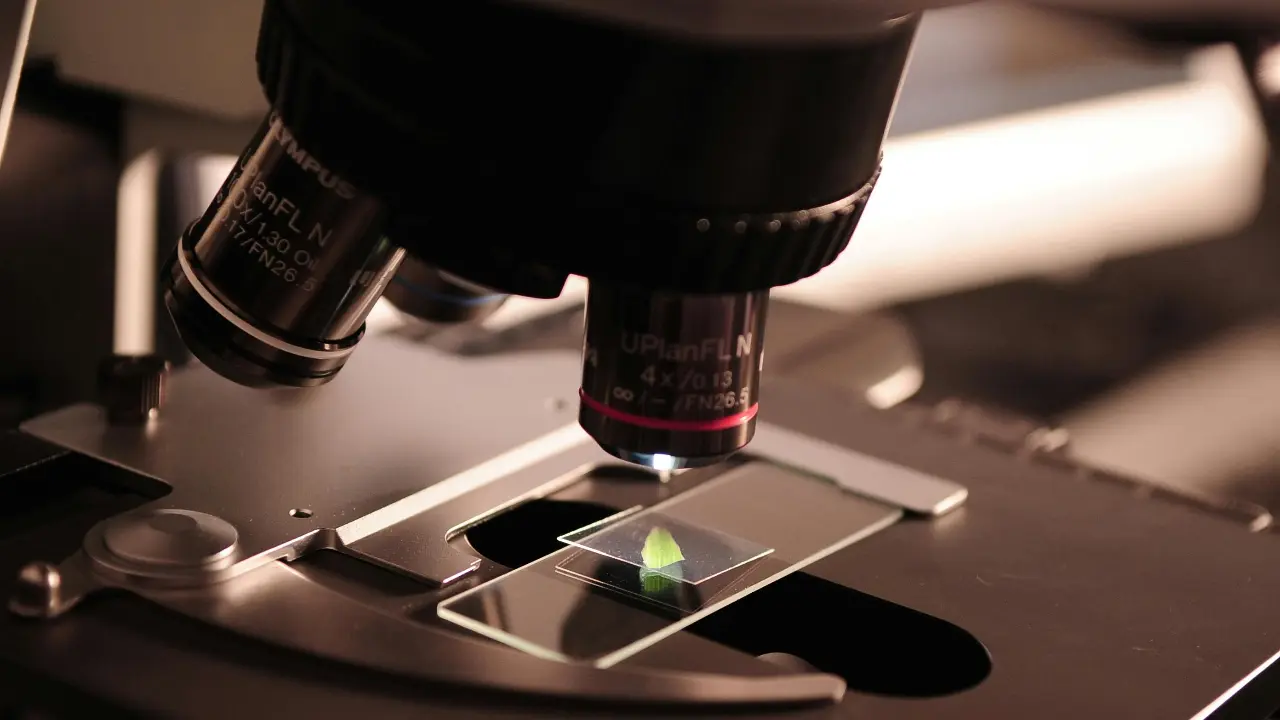
11 March,2026 04:44 PM IST | New Delhi [India] | IANSScience has always fascinated people around the world, and Indians have a rich history in the field because they have made some of the most important contributions in the field over the years. In fact, National Science Day, which is observed on February 28, marks the day one such Indian scientist and physicist, CV Raman, made the discovery called 'Raman Effect' in 1928, and won the Nobel Prize in Physics in 1930 for it, showcasing individual excellence and Indian genius at the world stage. Amid the constant evolution of science and the growing conversation around STEM (Science, Technology, Engineering, and Mathematics) fields, some Indian industry experts highlight what got them curious about science in the first place, and why they believe STEM is the future. Somenath Ghatak, manager - Product Application and Sales Specialist, Zeiss IndiaMy journey into science was driven by a deep curiosity about how the world works and a desire to solve meaningful problems. Growing up, I was fascinated by the mechanics of everyday objects and the mysteries of nature. Early exposure to hands-on experiments and inspiring teachers fuelled my passion for discovery. Over time, I realised that science is not just about understanding — it’s about creating solutions that improve lives and shape the future. This realisation motivated me to pursue a career where I could contribute to innovation and progress. Today, STEM is enabling breakthroughs in fields such as healthcare, energy, artificial intelligence, and space exploration. For example, professionals are developing life-saving technologies like advanced imaging systems, gene-editing tools, and AI-powered diagnostics. Engineers and scientists are creating renewable energy solutions and sustainable materials to combat climate change. STEM careers are transforming industries by integrating AI, robotics, and data analytics to improve efficiency and decision-making. With that being said, Science is exciting because it combines discovery, creativity, and impact. It allows you to explore the unknown, solve complex problems, and contribute to advancements that shape the future. Whether it’s uncovering the secrets of the universe or developing technologies that transform industries, science offers endless opportunities for innovation. The dynamic nature of the field ensures that every day brings new challenges and possibilities, making it a truly fulfilling career. People entering STEM fields should develop critical thinking, the ability to adapt and collaborate, share ideas but more importantly have the passion for learning, and last but not the least persevere. Dr Suruchi Vishwasrao, senior scientist, Formulation and Technology Center, Merck Life Science From a young age, I have always had a profound interest in science, which was largely driven by my innate curiosity and desire to understand the world around me. This curiosity prompted me to ask questions about various matters, fuelling a deeper exploration into the subject. This passion for understanding the complexities of science not only shaped my academic pursuits but also influenced my critical thinking and problem-solving skills. Recognising that my fascination with science was more than just a passing interest, I decided to pursue a doctorate in the field. This decision was driven by my desire to contribute to the scientific community and to explore unanswered questions that could lead to innovations and advancements. It also starts with research that serves as the foundation of STEM, driving innovation and progress across these interconnected fields. Fundamental research lays the groundwork for patents and scientific breakthroughs that shape the future of STEM, leading to advancements that can transform industries and improve lives. This promising aspect of the STEM sector is evident in various ways, such as the establishment of research grants, innovation hubs, and collaborative partnerships between academia and industry. These initiatives not only provide financial support but also facilitate knowledge sharing and the exchange of ideas, ultimately leading to a more innovative and competitive landscape. The field of science is exciting because it is filled with numerous opportunities. There are countless research problems that need to be addressed, and emerging technologies present new focuses and challenges. Within the life sciences and health sciences sectors, specialized streams reveal a wealth of topics and issues that require attention because they haven't been addressed till now. This dynamic landscape not only fosters innovation but also encourages researchers to explore uncharted territories, making significant contributions to the advancement of knowledge and solutions that can positively impact society. It is also why it is important for STEM professionals to stay updated with the latest tools and technologies that are crucial, as advancements in these areas can significantly enhance productivity and effectiveness in research and development. Mastery of technical skills is essential for conducting experiments, analysing results, and developing innovative solutions. Engaging in professional development through workshops, conferences, online courses, and collaboration with peers can enhance expertise and adaptability. Aloysius Daniel, material scientist and head - Product Application and Sales Specialist, Zeiss India My journey into science started with a simple curiosity, wanting to understand why materials behave the way they do. During my early exposure to microscopy, I realised that the real stories of materials are hidden at the micro and nano scale. Seeing structures that are invisible to the naked eye and connecting them to real-world engineering challenges was fascinating. That experience shaped my decision to pursue materials science and microscopy as a career. Today, STEM professionals are enabling the next generation of technologies. Whether it is advanced materials, semiconductor devices, clean energy, or biomedical innovation, progress depends on scientific understanding and precise measurement. Many of the technologies we rely on today are the result of deep scientific understanding. In materials science and nanotechnology, for example, the ability to study materials at extremely small scales enabling industries to design stronger, lighter, and more efficient products. STEM careers are not only advancing technology but also solving real societal challenges. This makes science exciting because the field is constantly evolving. Every experiment has the potential to reveal something new. In microscopy, for instance, every improvement in instrumentation allows us to see and measure things that were previously impossible. The continuous journey of discovery keeps the field intellectually stimulating and rewarding.
09 March,2026 03:19 PM IST | Mumbai | mid-day online correspondentA 94-year-old patient suffering from repeated heart failure was successfully treated by Thane doctors with a Transcatheter Aortic Valve Implantation (TAVI) at the hospital. The patient was admitted under Dr Nitin Burkule, consultant – Interventional Cardiologist, at Jupiter Hospital. Due to severe narrowing of the heart valve, the patient had been hospitalised twice within a month with breathlessness, weakness, and extreme fatigue. Just weeks earlier, the patient had been fully independent, walking on his own and managing daily life comfortably. However, repeated heart failure episodes rapidly caused frailty and loss of mobility. Explaining the complexity of the case, Dr Burkule said, “Age was not the biggest challenge. The real concern was frailty. Until recently, the patient was completely independent, but heart failure led to sudden weakness and decline.” The family was counselled about both options — medical management and TAVI. Doctors explained that in severe aortic valve narrowing, medicines alone often result in poor survival and very low quality of life. “With conservative treatment, prognosis in such cases can be extremely poor,” Dr Burkule added. “The patient and family wanted better quality of life, which guided the decision.” The TAVI procedure was performed by Dr Pratik Sane, consultant – Interventional Cardiologist at the hospital, along with the structural heart team. The procedure was done under local anaesthesia and conscious sedation with the support of cardiac anaesthetist Dr Mahesh Thorat, ensuring minimal stress on the elderly patient. TAVI is a minimally invasive procedure where a new heart valve is placed through a small tube inserted via a blood vessel in the leg, avoiding open-heart surgery. Dr Sane said, “TAVI was developed for elderly and high-risk patients. It is safer, less invasive, and allows faster recovery compared to open-heart surgery.” Following the procedure, the patient showed clear improvement, with easier breathing and better mobility, regaining a sense of independence. Highlighting the broader message, Dr Sane added, “This case shows that age alone should never stop someone from receiving advanced treatment. What matters is the patient’s overall health, mental alertness, and desire to live better.” The doctors at the hospital emphasised that age alone should not prevent patients from receiving advanced cardiac treatment when carefully evaluated.
08 March,2026 01:48 PM IST | Thane | mid-day online correspondentLast year, US President Donald Trump told pregnant women not to take Tylenol as he promoted unproven ties between the fever reducer and autism and touted an old generic drug as a treatment for the developmental condition. For nearly three months after that, new research found, Tylenol orders for pregnant women showing up in emergency rooms dropped and prescriptions of the generic drug for children rose. This happened despite sharp criticism of the president's message from doctor groups saying that the drug, leucovorin, shouldn't be broadly used for autism, and Tylenol is safe during pregnancy. "It just shows that in our country right now, health care has been politicised in a way that political messages are driving and impacting care - and not always for good," said Dr Susan Sirota, a paediatrician in Highland Park, Illinois, who wasn't involved with the research. Doctors, who published their work Thursday in The Lancet, looked at changes in drug ordering or prescribing compared with projected trends, or what might have happened if things had continued on the same path as before the White House briefing. They found that orders for Tylenol â¿¿ also known by the generic names acetaminophen and paracetamol â¿¿ were 10 per cent lower than predicted for pregnant emergency department patients aged 15 to 44. And outpatient prescriptions of leucovorin for children aged 5 to 17 were 71 per cent higher than expected during the same study period, late September to early December. Researchers observed no similar shifts in comparable medications, suggesting the changes were directly tied to the briefing. The research had limitations. For example, it didn't capture all Tylenol use by pregnant women because most people buy the painkiller over the counter outside of a hospital setting. Still, it reflected how an unconventional news conference by a political leader could change not just patient behaviour but prescribing as well, said co-author Dr. Michael Barnett. In past administrations, "there are lots of layers of approval and expert consensus" before officials make big announcements about medical topics, said Barnett, who is with Brown University School of Public Health. Pregnant women generally take Tylenol for pain or fever. Untreated fevers in pregnancy, particularly in the first trimester, increase the risk for miscarriages, preterm birth and other problems, according to the Society for Maternal-Fetal Medicine. Some studies have raised the possibility that taking Tylenol in pregnancy might be associated with a risk of autism, but many others haven't found a connection. Leucovorin is a derivative of folic acid used for, among other things, reducing the toxic side effects of certain chemotherapy drugs and treating a rare blood disorder. It has also been studied for a neurological condition known as cerebral folate deficiency and for a subset of autistic children, according to the American Academy of Paediatrics. The paediatrics group doesn't recommend routine use of the drug for autistic children. Early, small-scale studies have explored its use, "and some findings suggest potential benefit in carefully selected cases," the group said. But evidence remains limited, the paediatrician group said. And in late January, the European Journal of Pediatrics retracted a study evaluating leucovorin as an autism treatment. Still, after the federal announcement about the drug, Sirota said some families in her practice asked about getting it for their autistic children. She educated them about the evidence, told them about the potential for side effects and didn't prescribe it. Potential side effects include irritability, nausea and vomiting and skin issues like dermatitis. Sirota said it has been hard to deal with the repercussions of government pronouncements like the ones on autism. "It feels like a pattern with our government, right? They keep building on these houses of cards that just fall down," she said. "This politicising of medicine just in general, and moving away from science, has been so challenging." This story has been sourced from a third party syndicated feed, agencies. Mid-day accepts no responsibility or liability for its dependability, trustworthiness, reliability and data of the text. Mid-day management/mid-day.com reserves the sole right to alter, delete or remove (without notice) the content in its absolute discretion for any reason whatsoever.
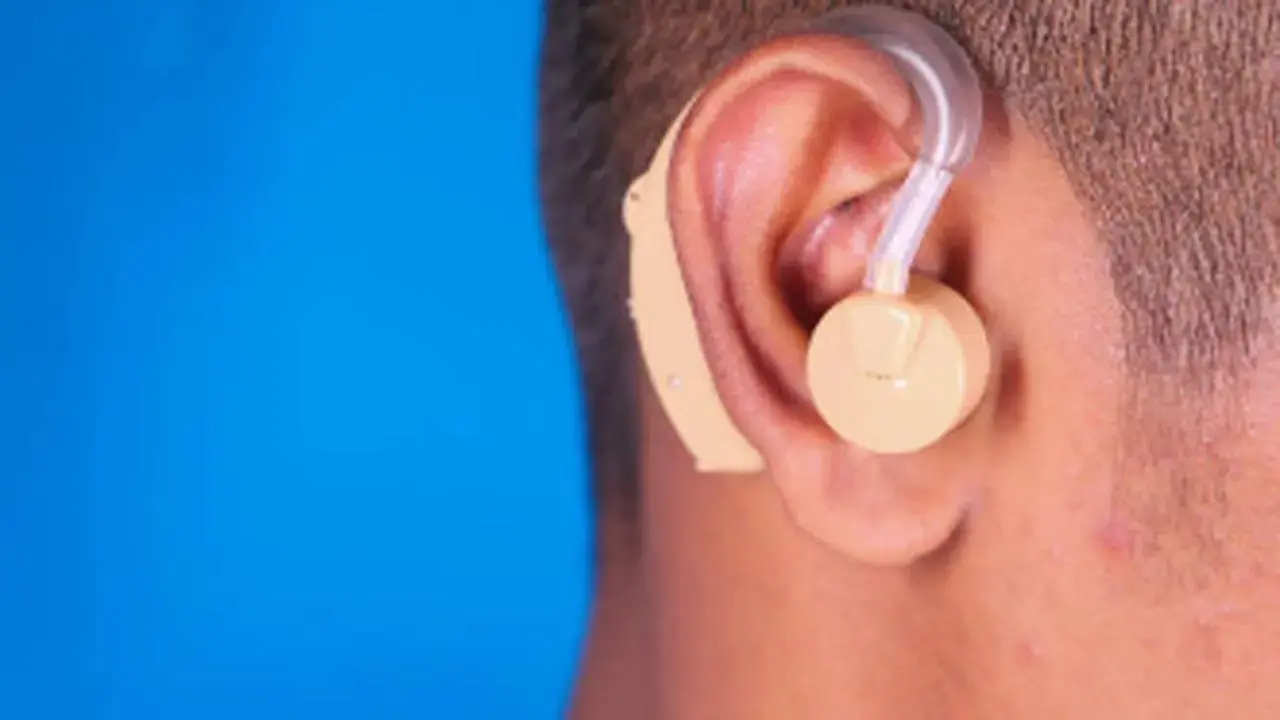
08 March,2026 01:00 PM IST | Washington | APIn a rare but life-altering case, a young man who lost his hearing completely due to medication-induced damage has begun to regain sound and communication following a cochlear implant. This highlights the importance of early recognition and timely intervention in adult hearing loss. While cochlear implants are commonly associated with children born with hearing impairment, they are also used to treat adults who experience severe and irreversible hearing loss. In some cases, the damage progresses rapidly and cannot be corrected with hearing aids. This patient’s hearing loss began in 2019 after he was prescribed medication for a medical condition. However, the drugs included those known to damage the auditory nerve, leading to hearing loss with a devastating impact. Having previously developed normal speech and hearing, the patient suddenly became completely deaf in both ears. Hearing aids offered no benefit due to the severity of the loss, and his ability to communicate came to a halt. For nearly five years, his life was at a standstill. A cochlear implant was performed on one side. Unlike hearing aids, cochlear implants bypass damaged parts of the ear and directly stimulate the auditory nerve. After surgery, the implant is activated through a process called mapping, followed by structured therapy. Because of the five-year gap without hearing, the patient required rehabilitation to help the brain adapt to sound again. Speaking about the case, Dr Shama Kovale, who is the consultant, ENT Surgeon, Kokilaben Dhirubhai Ambani Hospital in Mumbai, said, “Even as an adult, if you have hearing loss and it is sudden, you have to come and see a doctor and get it treated immediately. It is like a stroke for the ear. If things do not improve, then implant is required to live a normal life. This young man had a medical condition for which he was prescribed medication, and unfortunately that medication led to profound hearing loss. Drug-induced deafness is a known but often overlooked condition. When hearing loss is severe, hearing aids do not help, and cochlear implantation becomes the only effective solution. With timely surgery and rehabilitation, patients can regain hearing and return to a normal, independent life.” The results have been encouraging. The patient can now hear sounds and has begun the journey back to independent communication. With continued therapy and adaptation, he is expected to resume a normal life. This case highlights a critical public health message. Sudden hearing loss in adults is a medical emergency. Often described as a stroke of the ear, it requires immediate evaluation by an ENT specialist. If hearing does not recover and the loss is severe to profound, cochlear implantation should be considered without delay to prevent long-term disability. The case also draws attention to drug-induced hearing loss, a known but under-recognised condition. Certain medications, including gentamicin, some tuberculosis drugs and some chemotherapy drugs, can cause irreversible damage to hearing. Any early signs of hearing impairment while on such medications should prompt urgent medical review and modification of treatment. Beyond restoring sound, this intervention has turned a profoundly disabling condition into a story of recovery with the patient gaining a second chance at reclaiming his life and becoming independent.
06 March,2026 12:12 PM IST | Mumbai | mid-day online correspondentHoli, more popularly called the festival of colours is a celebration of spirit, a vibrant explosion of joy that marks the arrival of spring. However, for your skin, the revelry can quickly devolve into a battlefield. While many powders are marketed under the organic or herbal, the reality on the ground is often far more abrasive. Industrial dyes, heavy metals, and even powdered glass are frequently disguised as innocent gulaal, leading to a post-festive surge in chemical burns, severe dermatitis, and systemic allergic reactions. To help you navigate these hidden hazards, mid-day spoke to Indian dermatologists to provide a definitive guide on identifying, treating, and reversing Holi-related skin damage. Spotting the emergency The first step to treating an allergy is identifying it. You need to know if you are looking at a stubborn pigment or a medical emergency. How to distinguish between a stain and a reaction “A standard skin stain is benign. The skin feels normal, and the colour fades gradually with gentle washing. However, if you experience pain, itchiness, or progressive redness, swelling, or blistering, it is not just a stain,” warns Dr Prachi B. Bodkhe, dermatologist at Envi Aesthetics. Below, she outlines symptoms you should take note of. If you experience any of the following, you are dealing with a chemical burn or a severe allergic reaction: Identifying a chemical burn:Immediate sensation: Burning or stinging upon application or removal of colour.Visual cues: Redness that intensifies over time rather than fading.Physical damage: Appearance of blisters, peeling, or raw, weeping skin.Sensitivity: Intense tenderness and swelling in the affected area.Identifying an allergic reaction:Sensation: If you experience severe, uncontrollable itching.Texture: A raised red rash, hives, or skin that feels painfully tight and dry.Facial involvement: Swelling of the eyelids or lips.Advanced signs: Oozing or crusting patches. The three-step immediate response If you feel a burning sensation during the festivities, the clock is ticking. Bodkhe recommends three non-negotiable steps:1. The 20-minute rinse: Immediately flush the area with plenty of running tap water for 15 to 20 minutes. The goal is to dilute the chemical. It is critical that you do not scrub. Scrubbing pushes the toxins deeper into the dermis.2. Barrier repair: Once flushed, apply a bland emollient or aloe vera gel (such as Elovera AD lotion) every 2 to 3 hours to protect the raw skin until you can see a specialist.3. Strict avoidance of kitchen hacks: Do not apply lemon, vinegar, toothpaste, baking soda, or curd. These substances are highly acidic or alkaline and will worsen a chemical burn. Red flags and the danger of scrubbing When a reaction goes beyond a simple rash, it can become life-threatening. Dr Bodkhe highlights specific red flag symptoms that indicate a systemic reaction (like angioedema or anaphylaxis):1. Rapidly increasing swelling.2. Facial or eyelid puffiness.3. Difficulty breathing or swallowing.4. Extensive blistering across large areas of the body. If these occur, seek urgent medical care immediately. Why you must stop scrubbing It is a common instinct to try and scrub away the toxic dye. “This is the most dangerous mistake you can make. Scrubbing damages an already compromised skin barrier. The friction increases the absorption of the chemicals, worsens inflammation, and can convert a mild case of dermatitis into a full-thickness chemical burn,” explains Dr Bodkhe. The Holi first-aid kit Every household should move away from DIY hacks and toward medical-grade essentials. “While some traditional remedies—like a paste of cold curd, malai, and fine gram flour—can be soothing for mild irritation, they should never be allowed to dry on the skin or be rubbed off harshly,” Dr Bodkhe asserts. She shares an essential kit that can be prepped and kept at home to navigate Holi: 1. Soap-free gentle cleanser: Sebamed or Cetaphil to clean without stripping lipids.2. Ceramide-based moisturiser: Cetaphil Daily Advanced, Elovera AD, or Moisturex Soft for active barrier repair.3. Pure aloe vera gel: This is most effective for immediate cooling.4. Low-potency topical steroid: Can use Cutisoft 1 per cent cream for localised inflammation. Please ensure to use it sparingly and avoid large areas without professional guidance.5. Oral antihistamine: Levocet 5 mg tablet can be taken for itching. However, always make sure to consult with a physician before ingestion. The zero-friction guide for sensitive areas Facial skin is significantly thinner and more reactive, particularly for children and those with eczema. Dr Mikki Singh, founder and medical director at Bodycraft Clinics, advocates for a zero-friction approach to pigment removal to prevent secondary infections like Staph. She outlines the oil cleansing method below: Apply: Use virgin coconut or almond oil (which are antimicrobial and non-comedogenic). Apply via a cotton swab or clean finger to the eyes, nostrils, and lips.Emulsify: Let the oil sit for 5 to 10 minutes. This allows the pigments to lift passively into the oil.Wipe: Gently wipe with a damp, soft cloth—no rubbing.Rinse: For eyes, use a lukewarm water rinse followed by a rose water compress. For nostrils and lips, use baby shampoo diluted 1:10 with water.Finish: Always follow up with a ceramide-heavy moisturiser to seal the micro-tears created by the dye. The post-Holi recovery timeline “Skin damage from industrial dyes often peaks 24 to 48 hours after the event due to the inflammation cascade," Singh explains. She outlines a week-long recovery routine to ensure your skin returns to health safely. Days 1 to 3: The repair phaseCleanse: Use the gentle oil-cleansing method AM and PM.Soothe: Apply aloe vera gel and fragrance-free moisturisers.Internal hydration: Drink plenty of water to support cellular repair.Protection: Use SPF 30+ religiously, as damaged skin is highly prone to post-inflammatory hyperpigmentation. When to resume active ingredients? Many people make the mistake of jumping back into their anti-aging or brightening routines too early. Singh warns that premature use of actives can worsen the penetration of residual toxins. Up to 72 Hours: Avoid all actives entirely.Day 4 to 5: You may gradually reintroduce Vitamin C, but only 1 to 2 times a week and applied after a layer of moisturizer.Week 2: You may resume Retinol (0.1 to 0.3 per cent) twice a week, provided there is no lingering redness or peeling. If you have a history of eczema and experience a flare-up, always patch-test any product before full application.
06 March,2026 10:07 AM IST | Mumbai | Maitrai AgarwalIn a rare and highly complex cardiac procedure, Kolkata doctors have successfully implanted a permanent pacemaker in an elderly woman who had an artificial bicaval valve system, giving her a new lease of life. It is a highly specialised treatment used in patients suffering from severe tricuspid regurgitation, a condition where a valve on the right side of the heart does not close properly, causing blood to flow backward, and congestive heart failure. To the best of the doctors' and hospital's medical knowledge, this is the first such case in India and has been reported only once globally. Understanding the health condition The procedure was carried out by Dr Subhasish Deb, consultant – Cardiology, and the dedicated cath lab team at Manipal Hospital Mukundapur in Kolkata. The woman, Shyamali Biswas, a 62-year-old homemaker from Sonarpur, had a long history of severe heart disease. In 2023, she underwent tricuspid valve replacement surgery in Vellore after her natural tricuspid valve became severely damaged. Due to advanced heart failure, she received an artificial bicaval valve system instead of a conventional valve repair. Earlier this year, she began feeling unwell and was admitted to the hospital in Kolkata on February 2 after being diagnosed with complete heart block, a serious condition where faulty electrical signals cause the heart to beat dangerously slowly. Given the critical nature of her condition, doctors advised an urgent pacemaker implantation. However, the procedure was exceptionally challenging because the patient already had an artificial valve placed in the superior vena cava, one of the main blood vessels returning blood to the heart. This superior vena caval valve created significant difficulty in placing the pacemaker lead using conventional techniques, as pacemaker wires usually pass through these veins to reach the heart. Despite these challenges, the cardiology team successfully implanted the pacemaker through meticulous planning, advanced technical skills, and precise execution. Uniqueness of the procedure Patients with artificial tricuspid valves who later require pacemakers are extremely rare. Explaining the uniqueness of the procedure, Dr Patra said, “This was an extremely rare and technically demanding case because the artificial bicaval valve system completely changes the normal anatomy of the heart. The presence of a valve in the superior vena cava makes conventional pacemaker lead implantation particularly challenging, as even minor misplacement can damage the valve or compromise blood flow. To our knowledge, this is the first such procedure in India and only the second reported worldwide.” Expressing her gratitude, Nabanita Biswas, daughter of the elderly woman, said, “We were extremely anxious about my mothers condition, especially since she had already undergone major heart surgery in 2023. We are deeply thankful to Dr Patra and his team for handling such a complex case with great care and precision. My mother is currently on BiPAP support and under regular medical follow-up, and we are hopeful she will return to her normal life very soon.”
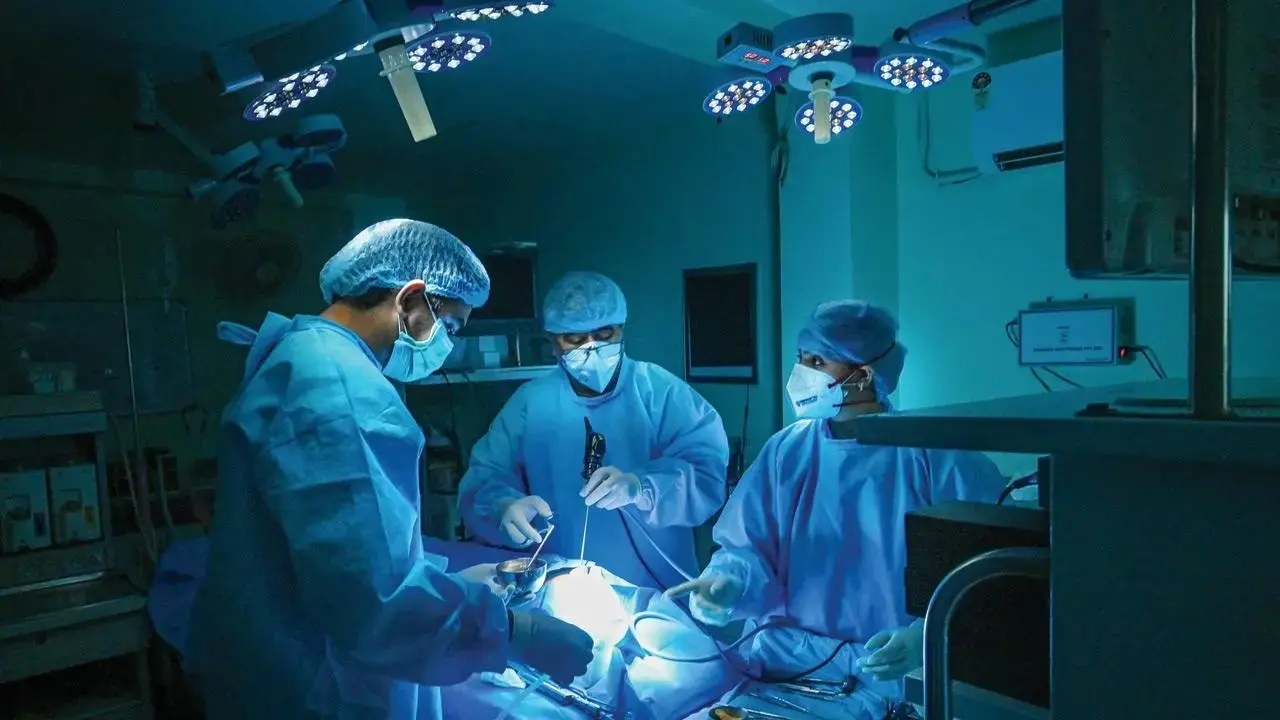
05 March,2026 04:52 PM IST | Mumbai | mid-day online correspondentIn a significant medical milestone, doctors at a Mumbai hospital have given a new lease of life to a woman who was suffering from a rare condition, creating possible challenges for pregnancy in the future.The doctors at Nanavati Max Super Speciality Hospital have performed, what they say, is India’s first robotic Strassmann Metroplasty, in a woman, correcting a rare congenital uterine condition that can severely impact fertility and pregnancy outcomes. The successful procedure has significantly improved her chances of carrying a pregnancy safely in the future. The 23-year-old who had been struggling with severe menstrual pain, irregular cycles, and three recurrent pregnancy losses in the second trimester came to Dr Uddhavraj Dudhedia, director and head (chief), Advanced Robotic Gynaecology and Centre for Advanced Endometriosis, seeking specialised care. Investigations revealed that she had a bicornuate uterus: a condition present from birth in which the uterus develops in two separate chambers instead of forming one single cavity. In her case, there was also a duplication of the cervix, making the condition more complex. Such congenital uterine anomalies are uncommon but are known to increase the risk of infertility, miscarriage, and preterm delivery. To address this condition, doctors recommended a robotic Strassmann Metroplasty, which is a reconstructive surgery that joins the two separate halves of a divided uterus to create one single cavity capable of supporting pregnancy. The robotic approach was chosen for the high level of precision required to reconstruct the delicate uterine muscle. The surgery was led by Dr Uddhavraj Dudhedia, along with his team including Dr Anukriti Singh and Dr Nimrah Shaikh. Using advanced robotic-assisted technology, surgeons operated through small incisions with magnified three-dimensional visualisation. During the procedure, the two separate chambers of the uterus were carefully connected, the tissue dividing them was removed, and a single unified uterine cavity was reconstructed. The uterine wall was then rebuilt in layers to restore its natural shape and strength, which a critical factor in supporting future pregnancies. The surgery was completed successfully, and the patient had a smooth and stable recovery during her hospital stay. Commenting on the case, Dr. Dudhedia said, “This surgery represents more than a technological milestone — it represents hope for women who have been told that carrying a pregnancy safely may not be possible. Correcting the structure of the uterus can dramatically improve pregnancy outcomes in selected cases, but also highlighting why advanced medical care can make a huge difference, especially when it comes to define the future of a woman's pregnancy.
05 March,2026 11:46 AM IST | Mumbai | mid-day online correspondentAs many as 78 per cent of the urban population tested in India were found to be exposed to pesticide residues, posing serious health risks, according to a latest study by Bengaluru-based gut health startup MicrobioTx. The findings are based on the analysis of 200 Indian blood samples, aimed at understanding hidden chemical exposures, including pesticides, antibiotics, steroids and so-called "forever chemicals" that may be silently affecting health. According to the study, 78 per cent of those tested were exposed to pesticide residues, with 36 per cent exposed to three or more pesticides, indicating cumulative exposure that may pose serious health risks. It stated "The findings indicate widespread exposure to toxins, entering the body through everyday food consumption, plastic usage, groundwater and environmental pollution". In addition, 54 per cent of the samples showed the presence of antibiotics. The study noted that such exposure is linked to antimicrobial resistance, harder-to-treat infections, and disruption of the gut microbiome, which may contribute to metabolic disorders. The report further stated that 39 per cent of those tested were exposed to steroids, compounds that may cause endocrine disruption and increased carcinogenic risk. Meanwhile, 38 per cent tested positive for forever chemicals, persistent toxins that may increase cancer risk and are associated with reduced fertility, thyroid disease, hormone suppression, high cholesterol, liver damage and ulcerative colitis. Notably, 17 per cent of the samples had 10 or more toxins in their blood across three categories, indicating hidden chronic exposure. The findings suggest widespread exposure to toxins entering the body through everyday food consumption, plastic usage, groundwater and environmental pollution. MicrobioTx analysed samples from urban populations across 9 Indian states and 14 cities. The analysis uncovered significant exposure to pesticides, insecticides, antibiotics, steroidal growth regulators and forever chemicals. While there is growing awareness about the health risks of exposure to pesticides, antibiotics and steroids in animal-derived products such as meat, milk, eggs and honey, the study highlighted that not many people are aware of forever chemicals. Forever chemicals are synthetic, man-made substances widely used for their water, heat and grease-resistant properties in products such as non-stick cookware, food packaging, and water-resistant fabrics and coatings. The study noted that many of these compounds are prohibited as they are known to pose serious health risks in humans. This story has been sourced from a third party syndicated feed, agencies. Mid-day accepts no responsibility or liability for its dependability, trustworthiness, reliability and data of the text. Mid-day management/mid-day.com reserves the sole right to alter, delete or remove (without notice) the content in its absolute discretion for any reason whatsoever
04 March,2026 02:09 PM IST | New Delhi | ANIThe All India Institute of Medical Sciences (AIIMS) Bhopal has achieved another significant milestone in the field of medical research as the doctors have identified a special gland located in the nasopharyngeal region. During the research, the institute's doctors have found a special gland located in the nasopharyngeal region, which is situated behind the nose and in the upper part of the throat of human beings. "Not only this, AIIMS doctors have also clearly demonstrated the duct emerging from this gland, about which no prior information was available. This discovery marks a new and important step in understanding the structure of the human body," the institute said in a statement on Friday. The entire research was conducted by a group of six senior doctors, Sunita Arvind Athavale, Sheetal Kotgirwar, Manal M. Khan, Anshul Rai, Deepti Joshi, and Rekha Lalwani, according to a press note of AIIMS Bhopal. Through detailed study and microscopic examination, the team clarified the gland's location, size, and its relationship with surrounding organs. Importantly, for the first time, the drainage duct of this gland was also confirmed, proving that it is indeed an independent gland. The research has been published in the prestigious international journal Journal of Anatomy, which is highly respected in the field of anatomical sciences. "The study was accepted after thorough expert review, establishing its scientific reliability. This discovery will directly benefit patients. A better understanding of this region of the nose and throat will enable safer and more precise head and neck surgeries. It will also assist in cancer treatment planning and radiotherapy," it said. On this achievement, executive director and CEO of AIIMS Bhopal, Madhabananda Kar, congratulated the research team and said that such studies reflect the institute's excellence and multidisciplinary research capability. He asserted that this discovery will help improve the accuracy and safety of head and neck surgeries, cancer treatment planning, radiotherapy, and disease detection through medical imaging, directly benefiting patients. "This achievement proves that even in parts of the human body that have been studied for a long time, new and important information can still emerge. This discovery marks a significant and inspiring step forward in the field of medical science," Kar said. This story has been sourced from a third party syndicated feed, agencies. Mid-day accepts no responsibility or liability for its dependability, trustworthiness, reliability and data of the text. Mid-day management/mid-day.com reserves the sole right to alter, delete or remove (without notice) the content in its absolute discretion for any reason whatsoever
03 March,2026 10:26 AM IST | Bhopal | IANSADVERTISEMENT