Home / Lifestyle / Health & Fitness / Article /
Cold weather linked to rise in stroke causes, Mumbai doctors advise caution
Updated On: 12 December, 2025 12:26 PM IST | Mumbai | mid-day online correspondent
The factors causing a surge in stroke cases during winter are a cold-induced rise in blood pressure, dehydration, and reduced activity. Experts emphasise awareness and preventive measures to protect at-risk individuals



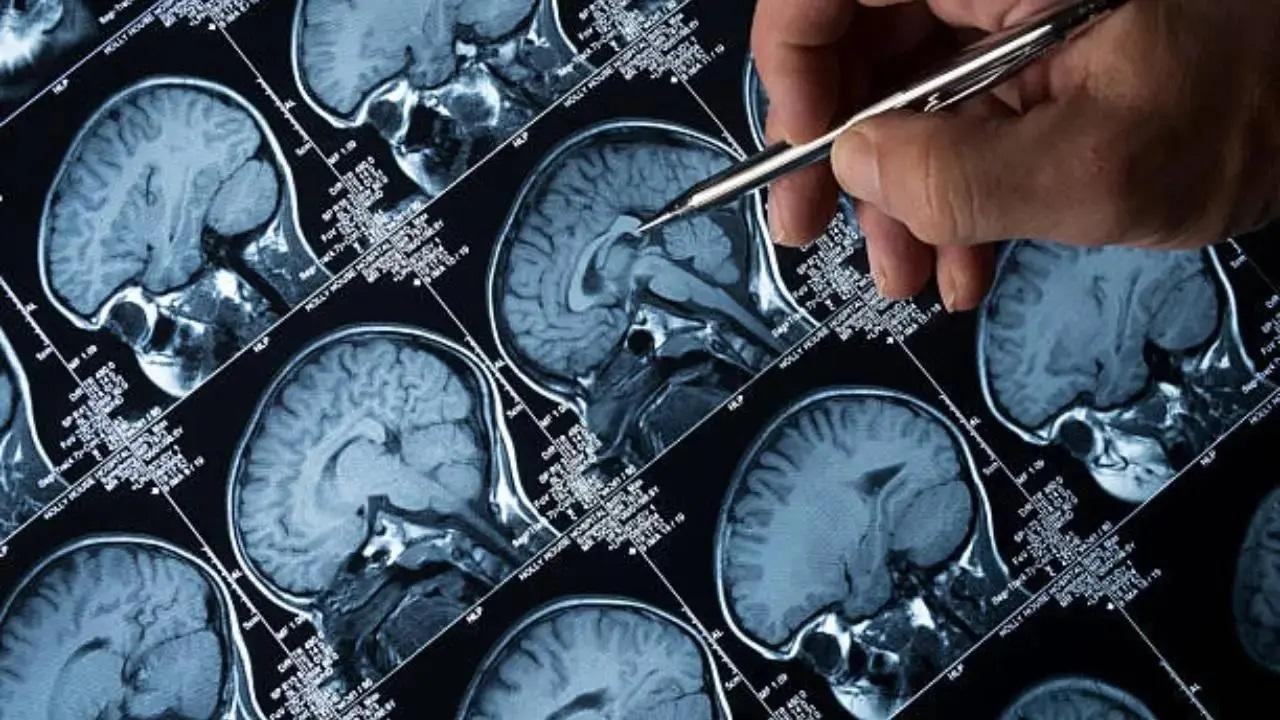
Image for representational purpose only. Photo Courtesy: File pic
Just as respiratory infections and heart ailments tend to increase during winter, experts are also witnessing a noticeable surge in brain stroke cases. The drop in temperature can trigger several physiological changes that elevate stroke risk, including higher blood pressure, thickened blood, dehydration, and reduced physical activity. Doctors are urging people, especially those with hypertension, diabetes, or heart disease, to be extra cautious during the cold season.
A stroke occurs when blood flow to a part of the brain is interrupted or reduced, depriving brain tissue of oxygen and nutrients. Within minutes, brain cells begin to die. The most common type, ischemic stroke, happens due to a blood clot blocking a vessel, while hemorrhagic stroke results from a ruptured blood vessel, causing internal bleeding. “However, stroke cases go up in winter as cold weather causes blood vessels to constrict, increasing blood pressure and making the blood thicker and ideal conditions for clot formation. The risk is further worsened by reduced exercise, poor hydration, and greater indoor pollution. Winter dehydration is often overlooked. But even mild dehydration can thicken the blood, increasing the chance of clotting. Seasonal infections such as flu and pneumonia cause inflammation in blood vessels, adding to the risk. People who already have cardiovascular diseases, diabetes, or high cholesterol are particularly vulnerable. There is a 10% rise in stroke cases in people aged 30-65 during winter. If anyone notices early signs like sudden weakness, facial droop, or difficulty in speech, they must rush to a hospital immediately,” said Dr Sunil Kutty, a leading Neurosurgeon (Brain & Spine) at NewEra Hospital, Navi Mumbai.
Dr Sunil Kutty further added, “Advances in neuroimaging, such as CT and MRI scans, allow doctors to quickly identify the type and location of a stroke, enabling faster and more precise treatment. Thrombolysis involves using clot-busting drugs (like tPA) to restore blood flow in ischemic strokes if given within a few hours of onset. Endovascular therapy, a minimally invasive procedure, allows doctors to physically remove the clot using catheters. Together, these innovations have greatly improved survival rates and recovery outcomes when treatment is started within the crucial “golden window” of 4.5 hours. Stroke prevention starts with awareness and routine health checks. Monitoring blood pressure, staying active, and maintaining hydration can significantly reduce risk. Avoiding smoking, limiting alcohol, and dressing warmly to maintain body temperature are also important."
“While winter brings pleasant weather, it also carries silent health risks, especially for the heart and brain. Every winter, there is an increase in stroke admissions. Cold weather causes the blood vessels to narrow, raising blood pressure and strain on the heart. People often reduce exercise, drink less water, and spend more time indoors, all of which increase the risk of clot formation. The key to prevention is awareness and timely medical attention. Beware of BEFAST warning signs that are Balance loss, Eye vision changes, Face drooping, Arm weakness, Speech difficulty, and Time to act fast. With quick intervention, stroke damage can be minimized, and recovery outcomes are far better. Stay vigilant, and seek prompt medical help at the first sign of stroke symptoms. Early action can save lives and prevent long-term disability such as paralysis or even death. Reaching a hospital within the golden hour (first 60 minutes) can save the brain and prevent long-term disability. Treatments such as clot-busting medicines, mechanical thrombectomy, and rehabilitation can restore movement and speech. Prevent stroke by keeping blood pressure in check, staying active, eating healthy, avoiding smoking, and getting regular health check-ups, especially after 60. Remember, nearly 80% of strokes are preventable through better awareness and timely medical attention. A few minutes can decide between recovery and permanent disability. Let’s act fast, stay informed because prevention truly begins with awareness,” concluded Dr. Arvind Sharma, Stroke Specialist & Neurologist, Secretary of the Indian Stroke Association (ISA).
Trending Stories
Latest Photos
Latest Videos
Latest Web Stories
ADVERTISEMENT
Mid-Day Fast
ADVERTISEMENT

ADVERTISEMENT