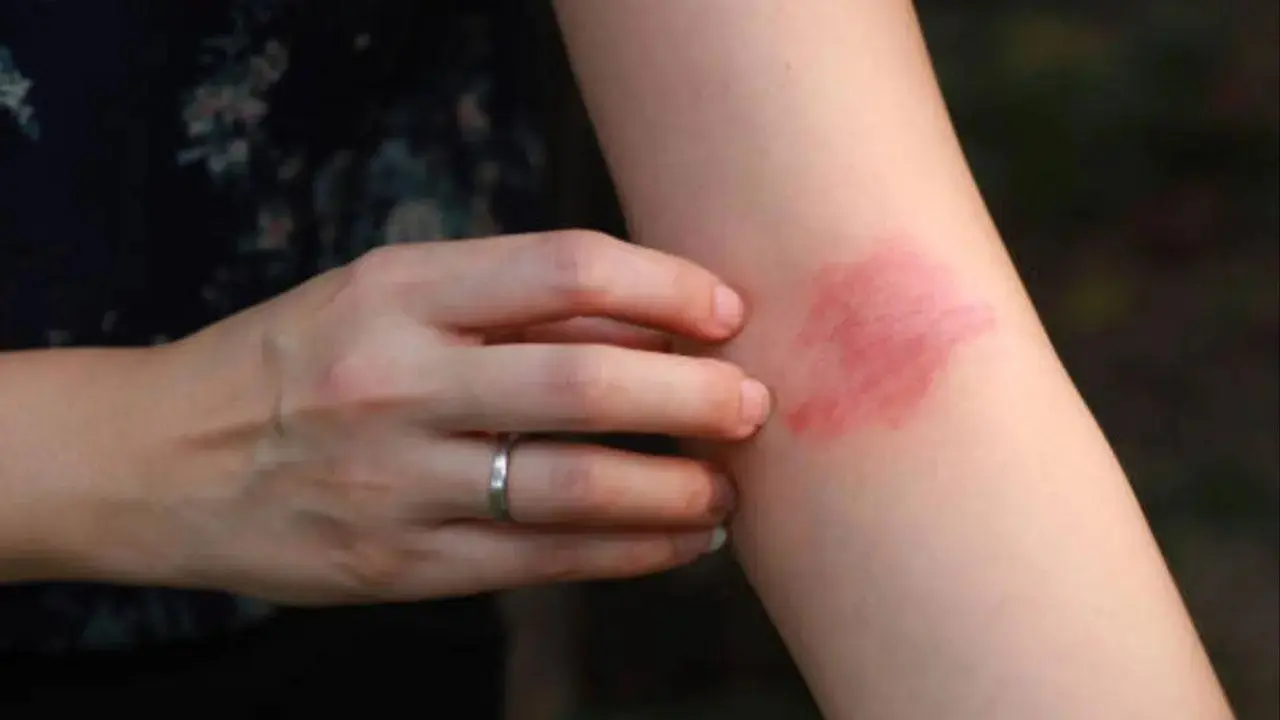
As Mumbai experiences heavy rainfall, here’s why your skin might be at risk of infections, and what you can do to prevent it

Image for representational purposes only (Photo Courtesy: iStock)
The monsoon season brings with it a change in weather and humidity levels, which in turn can affect the skin, leading to breakouts, oiliness, irritation, and rashes, among other issues. Besides these, the rainy days also carry an increased risk of severe skin infections.
“High humidity, damp clothing and sweating create an ideal environment for fungal and bacterial growth. The skin often stays moist for longer periods, especially in body folds or under tight clothing, making it more prone to infections,” explains Dr Shweta Nakhawa, consultant dermatologist at KIMS Hospitals in Thane.
Following a brief respite from intense rain, Mumbai has again been receiving moderate to heavy rainfall since last week, with the India Meteorological Department (IMD) issuing yellow or orange alerts in the city and surrounding districts. With the monsoon season at its peak, it is essential to take extra care of your skin, and implement steps to protect it from infections.
Common skin infections to watch out for
One may be susceptible to fungal skin infections and other skin-related conditions during monsoon.
“The skin infections during this season are generally associated with increased sweating or oil production. Dampness in the skin folds can cause fungal infections. People with acne-prone skin may experience more breakouts, and those with eczema-prone skin may see flare-ups,” informs Dr Sana Bhamla, paediatric dermatologist at Narayana Health SRCC Children’s Hospital in Mumbai.
Dr Nakhawa shares the following skin infections that one should watch out for:
1. Ringworm: It is a fungal infection that shows up as itchy, red, circular patches on the body.
2. Athlete’s Foot: This fungal infection affects the feet, particularly the area between the toes, causing skin peeling, burning, and odour.
3. Fungal Intertrigo: It refers to infection in skin folds, which is often caused due to trapped moisture.
4. Folliculitis: It is a bacterial infection of hair follicles that shows up as red bumps or pus-filled spots.
5. Eczema flare-ups: While not infectious, eczema can worsen in the monsoon due to excess moisture, allergens, and irritants. It presents itself as dry, itchy, flaky, and inflamed skin, often found behind the knees or on the arms and legs.
Besides the skin, the hair also gets affected during the monsoon season. “Due to the high humidity and ambient temperature, the hair may become dry and frizzy, leading to seasonal increase in hair fall,” says Dr Bhamla.
Who is more at risk?
While anyone can develop skin infections, certain groups may be more at risk. These include:
- Individuals with diabetes or weakened immunity
- People who sweat excessively
- Children, the elderly, and individuals with existing skin conditions like eczema or psoriasis
- People with excessively oily skin
Additionally, certain behaviours like wearing tight or non-breathable clothing, and staying in wet clothes and footwear for longer periods may elevate the risk of skin infection during monsoon.
Immediate steps
If you observe symptoms of skin infection, certain steps should be taken to avoid worsening of the condition.
“One must gently clean the affected area and keep it dry. It is important to avoid self-medication, especially with steroid creams, which may worsen fungal infections. Additionally, one should avoid sharing personal items like towels, clothing, or footwear,” suggests Dr Nakhawa.
She adds that seeking medical help on time is essential for proper diagnosis and treatment. Dr Bhamla backs the same, adding, “One should consult a dermatologist. Some of these infections may be similar in appearance and have overlapping symptoms, making it difficult to distinguish between them. Every condition has a different treatment; hence it is important to seek medical help.”
Preventing skin infections
By following some basic steps and guidelines, one can reduce the risk of contracting skin infections. The experts recommend the following:
1. Wear loose, breathable clothes.
2. Change out of wet clothes and socks as soon as possible.
3. Use antifungal powders in areas prone to moisture.
4. Wash and thoroughly dry your feet, especially between the toes.
5. It is essential to always keep the skin dry.
In addition to this, general skincare practices should be followed to protect and nourish the skin during monsoon.
“One should select the right cleanser for acne-prone skin, which is meant to control sebum production. Moisturising the skin is important as it helps maintain balance. The skin shouldn’t be excessively oily or dry,” says Dr Bhamla.
Dr Nakhawa shares the following monsoon skincare guidelines:
1. Cleanse the skin regularly to remove sweat, dirt, and pollutants.
2. Apply a lightweight, non-comedogenic moisturiser to keep your skin hydrated.
3. Use sunscreen consistently, even on cloudy days.
4. Avoid heavy make-up or thick creams that can clog pores.
5. Stay hydrated and eat a balanced diet rich in nutrients that support skin health.
Disclaimer: This is for informational purposes only and does not replace professional medical advice. Kindly consult a qualified medical expert for personalised guidance.
Subscribe today by clicking the link and stay updated with the latest news!" Click here!