shot-button
E-paper E-paper
Home > Lifestyle News > Health And Fitness News > Article > Salt consumption in India exceeds WHO recommended limit poses several health risks ICMR

Salt consumption in India exceeds WHO-recommended limit; poses several health risks: ICMR

Updated on: 16 July,2025 06:23 PM IST  |  Mumbai
IANS |

WHO recommends less than 5 grams per day of salt (roughly under a teaspoon) or below 2g of sodium per day


Salt consumption in India exceeds WHO-recommended limit; poses several health risks: ICMR

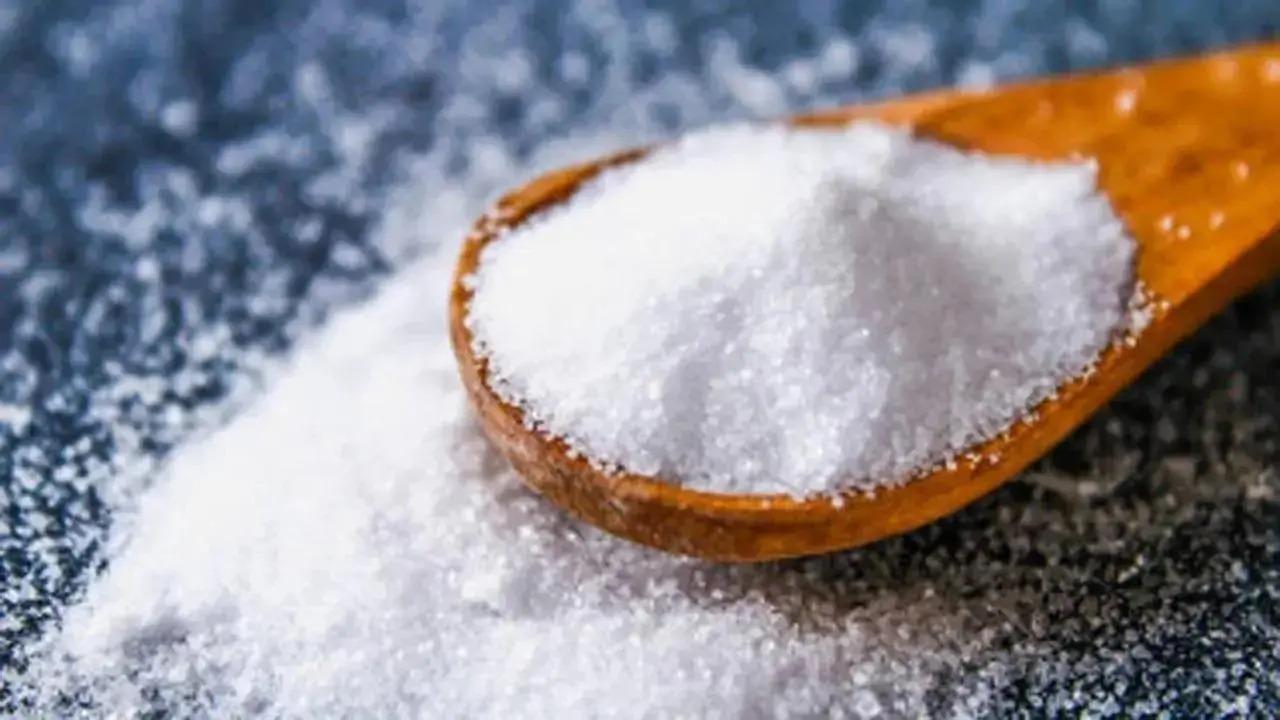
Image for representational purposes only (Photo Courtesy: iStock)

Listen to this article
Salt consumption in India exceeds WHO-recommended limit; poses several health risks: ICMR
x
00:00

Indians consume salt 2.2 times more than the amount recommended by the World Health Organization (WHO), posing severe health risks such as hypertension, strokes, and kidney disease, among others, according to ICMR's National Institute of Epidemiology.

WHO recommends less than 5 grams per day of salt (roughly under a teaspoon) or below 2g of sodium per day.


However, “the mean salt consumption per day by an Indian is 11 grams per day, which is 2.2 times more than the WHO recommendation”, the ICMR-NIE said.


According to the apex research body, regular iodised salt contains 40 per cent of sodium, much higher than the WHO limit. The WHO also suggests the use of low-sodium salt to ward off the risk.

“Major salt source is hidden in Indian diet and the hidden salt is fuelling a real risk,” said the scientists at the ICMR-NIE. They pointed out common eatables such as pickles, pappad, namkeen, biscuits and cookies, bread, vada pav, chips, instant noodles, and canned and packaged foods as potential sources for excess salt.

"Excess levels of sodium are dangerous, as an estimated 1.89 million deaths each year worldwide are associated with consuming too much sodium,” the research body said.

“Too much salt in diet raises blood sodium, triggers water retention, increases blood volume, raises blood pressure (hypertension), leading to stroke, cardiovascular disease, kidney disease, osteoporosis, and obesity,” it explained.

To address the issue, the ICMR-NIE has initiated Project Namak (salt) -- a community-led salt reduction study. The three-year intervention project, launched in Punjab and Telangana, will evaluate the effectiveness of structured salt reduction counselling, delivered by health workers at Health and Wellness Centres (HWCs), in reducing blood pressure and sodium intake among individuals with hypertension.

The project suggests the use of low-sodium salt (LSS) -- dietary salts where Sodium (Na) is replaced with Potassium (K) or Magnesium (Mg). “Switching to LSS can lower blood pressure by an average of 7/4 mmHg (millimeters of mercury),” the scientists noted.

“However, LSS is not recommended for people with kidney disease or those on potassium-restricted diets,” they added.

Sodium intake can also be reduced by eating mostly fresh, minimally processed foods, cooking with little or no added sodium/salt, limiting the use of commercial sauces, dressings, and instant products, and limiting the consumption of processed foods.

This story has been sourced from a third party syndicated feed, agencies. Mid-day accepts no responsibility or liability for its dependability, trustworthiness, reliability and data of the text. Mid-day management/mid-day.com reserves the sole right to alter, delete or remove (without notice) the content in its absolute discretion for any reason whatsoever

"Exciting news! Mid-day is now on WhatsApp Channels Subscribe today by clicking the link and stay updated with the latest news!" Click here!

Did you find this article helpful?

Yes
No

Help us improve further by providing more detailed feedback and stand a chance to win a 3-month e-paper subscription! Click Here

Note: Winners will be selected via a lucky draw.

Help us improve further by providing more detailed feedback and stand a chance to win a 3-month e-paper subscription! Click Here

Note: Winners will be selected via a lucky draw.

diet health Health And Wellness world health organization lifestyle

Mid-Day Web Stories

Mid-Day Web Stories

This website uses cookie or similar technologies, to enhance your browsing experience and provide personalised recommendations. By continuing to use our website, you agree to our Privacy Policy and Cookie Policy. OK