shot-button
BMC Elections 2026 BMC Elections 2026
Home > Lifestyle News > Nature And Wildlife News > Article > Rare Black headed Ibis spotted in large numbers in Thoothukudi salt pans in Tamil Nadu

Rare Black-headed Ibis spotted in large numbers in Thoothukudi salt pans in Tamil Nadu

Updated on: 04 January,2026 11:21 AM IST  |  Thoothukudi (Tamil Nadu)
ANI |

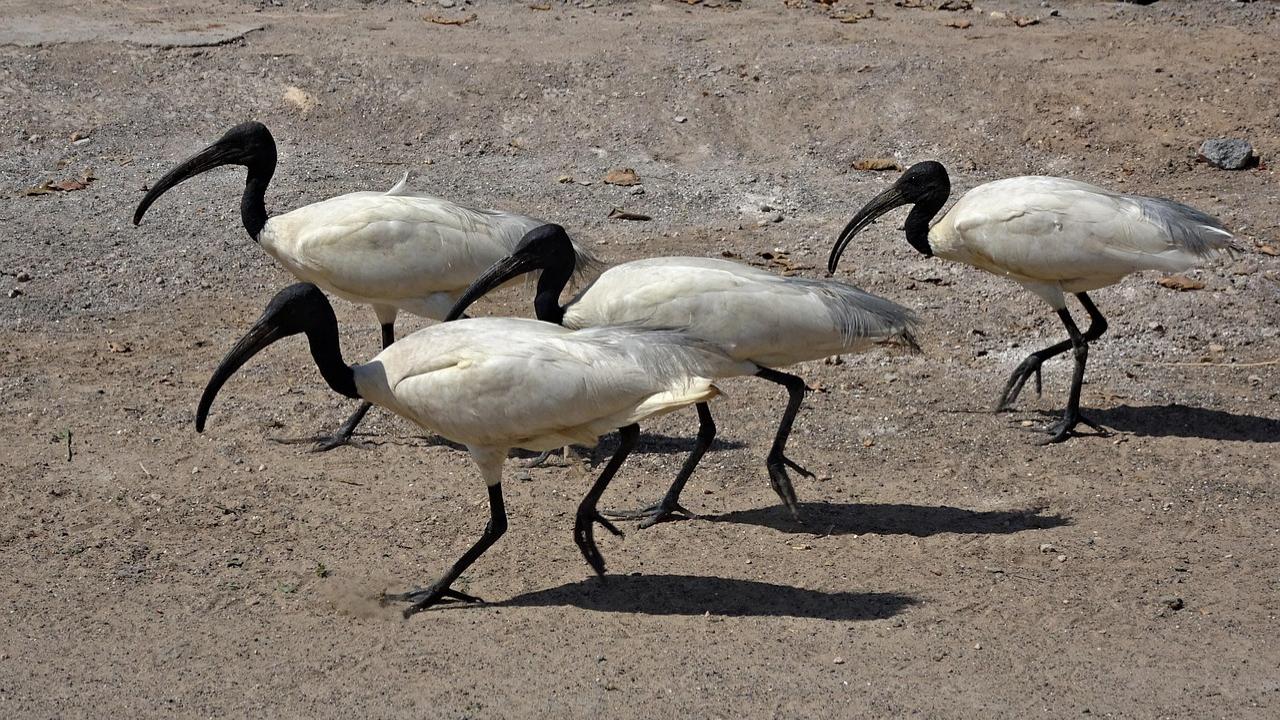
The Black-headed Ibis, characterised by its elegant white plumage, black head, and long curved beak, is listed as a "Near Threatened" species in Asia by the International Union for Conservation of Nature

Rare Black-headed Ibis spotted in large numbers in Thoothukudi salt pans in Tamil Nadu

Image for representational purpose only. Photo Courtesy: Pixabay

The presence of the rare bird species Black-headed Ibis in large numbers in the salt pans (uppul areas) of Thoothukudi district has drawn significant attention from bird watchers and environmental enthusiasts.

The Black-headed Ibis, characterised by its elegant white plumage, black head, and long curved beak, is listed as a "Near Threatened" species in Asia by the International Union for Conservation of Nature. It is predominantly found in wetlands, riverbanks and salt pans, where it feeds on fish, insects and other small aquatic creatures.


In recent days, increased rainfall in the salt pans has increased the abundance of small fish, aquatic insects, and overall food resources. As a result, Black-headed Ibis, which prefer wetland habitats, have been observed arriving in groups and foraging in the area.


Large flocks of rare migratory bird species, including the Oriental Darter, Little Cormorant, Spoonbill, and Medium Egret, have also been spotted in the Thoothukudi district.

According to Ornithologists, these birds arrive in southern districts, such as Thoothukudi, as part of their winter migration from Northwest Asia and Eastern Europe.

These birds take flight from their breeding grounds around September-October and arrive in the Indian Continent to stay till March-April. Other than Tamil Nadu, these birds are known to flock to Gujarat, MP, Tamil Nadu, Karnataka, Kerala, Telangana, and North India.

The reason for their migration ranges from weather preference to food abundance. They are omnivorous birds who look for places where insects are likely to reside, often in grasslands and farm fields.

Flocking together while migrating is also a way to confuse larger predators, while their murmurs make for a serene environment.

They flaunt a naturally stunning aesthetic with light pink and black feathers and a sharp beak, which they use to grab grasshoppers and other pests from plants.

The increased sighting of this rare bird species in the salt pans is considered a positive indicator of the gradual restoration of the natural balance of the coastal and wetland ecosystem of Thoothukudi. Moreover, it has generated hope that this region may become a safe habitat for other migratory birds in the future

Other migratory birds have made their way into India, particularly around Chilika Lake in Odisha, where more than 87 species were sighted, according to the Chilika Wildlife Division in late November.

"Exciting news! Mid-day is now on WhatsApp Channels Subscribe today by clicking the link and stay updated with the latest news!" Click here!

Did you find this article helpful?

Yes
No

Help us improve further by providing more detailed feedback and stand a chance to win a 3-month e-paper subscription! Click Here

Note: Winners will be selected via a lucky draw.

Help us improve further by providing more detailed feedback and stand a chance to win a 3-month e-paper subscription! Click Here

Note: Winners will be selected via a lucky draw.

tamil nadu Nature wildlife Lifestyle news environment

Mid-Day Web Stories

Mid-Day Web Stories

This website uses cookie or similar technologies, to enhance your browsing experience and provide personalised recommendations. By continuing to use our website, you agree to our Privacy Policy and Cookie Policy. OK