


Emerging research shows a nuanced picture of the longstanding debate between early risers and late sleepers over health and productivity. Two mental health professionals and a sleep specialist discuss how it’s possible for each sleep type to optimise their routine to their advantage
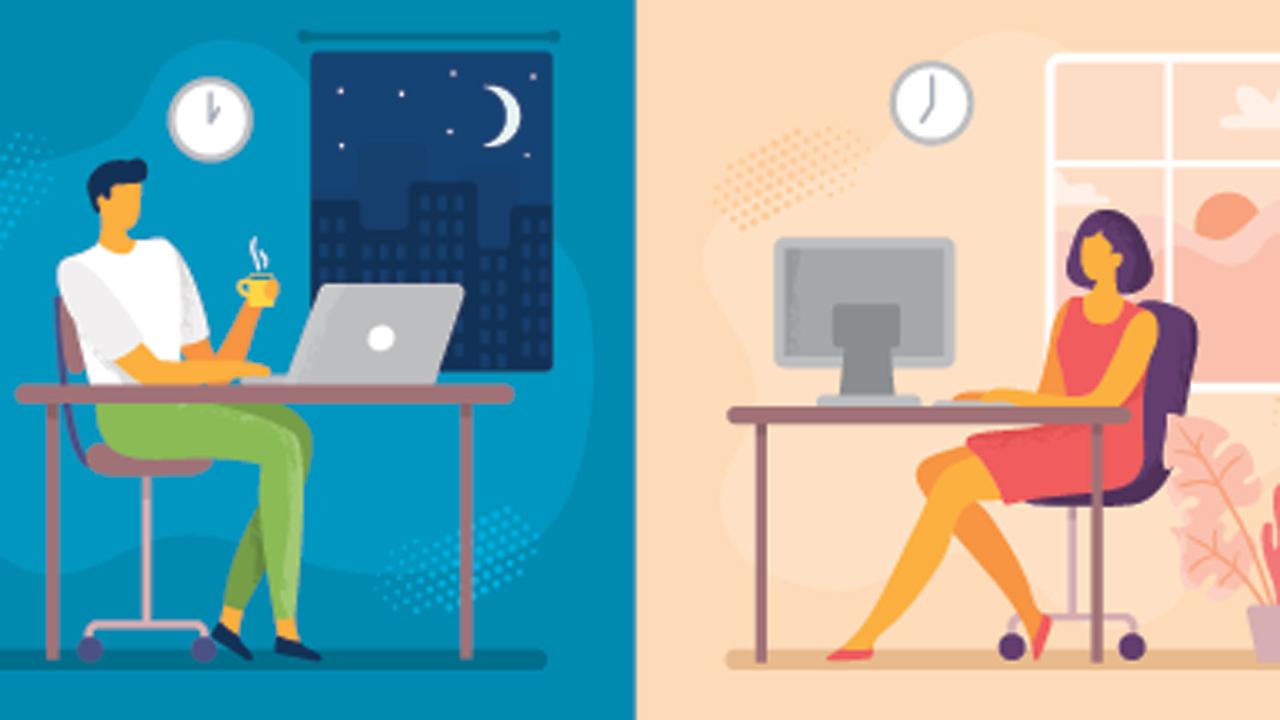
The starkly opposing habits of night owls and morning larks require specific strategies, so as to avoid common conflicts between routines and responsibilities. Representation pics/istock
The night owl (late sleepers) versus morning lark (early riser) debate has been a longstanding one. A 2025 study published by the Multidisciplinary Digital Publishing Institute (MDPI), headquartered in Basel, Switzerland, reflects a complex scenario: Night owls tend to excel in technological abilities, socialising, and problem-solving, but often at the cost of their health, while early risers show a pattern of compromising their sleep habits to partake in activities later during the day, but doubtlessly, align better with traditional schedules. We connected with two psychologists, and a sleep specialist, for small ways to optimise daily routines, and work with individual habits.
For night Owls
Small changes
Kakul Faruqi, consultant psychologist & psychotherapist, Dr LH Hiranandani Hospital, Powai shares, “People have different natural circadian rhythms, which need adjustments rather than ‘fixing’. For night owls, struggling to follow a regular 9 to 5 schedule, move your bedtime and wake-up time earlier by 15 to 20 minutes every few days.” Ensure you make a gradual gentle change, not an abrupt one, as you may struggle to maintain it if you routinely engage in late-night activities.
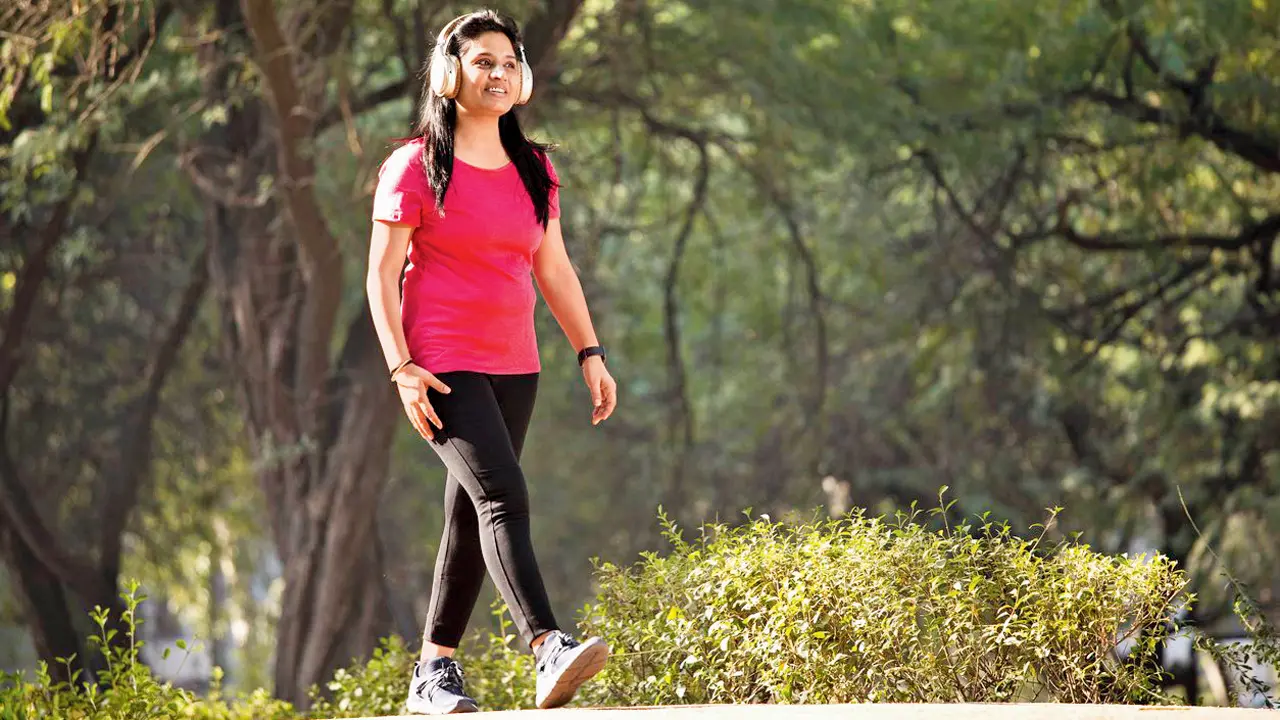
Walks combat morning lethargy
Soak in the sun
Even five to 10 minutes of early sunlight boosts alertness and helps reset the body clock,” Faruqi recommends. Parth Kalia, consultant psychologist at Amaha, a mental health organisation in Mumbai, also emphasises the same: “Generally, biology favours the early birds. Working in sync with nature is a good way to function. Walking outdoors during the day improves exposure to sunlight, which is important for Vitamin D, something many are deficient in due to indoor working.”

(Left) Kakul Faruqi and Parth Kalia
Diet and exercise
Kalia explains the importance of eating well, “Set strict meal times to maximise nutrition absorption from meals. If you consume coffee in the morning, its natural appetite-suppressing qualities may interfere with your body’s recognition of whether you need to eat; you won’t get the energy needed for the day.” If working late, he suggests finding a balance between being alert and at rest. “Use your sensations to regulate mood (for example, with music). Don’t consume caffeine late unless absolutely necessary.” He adds that sleeping earlier can be made easier with some physical exhaustion, achievable through evening exercise, such as walking after dinner.

A healthy lifestyle is the simplest way to fix an inability to sleep
Mind your mental health
If you burn the midnight oil often, you may face irritability, anxiety, or burnout, due to chronic sleep misalignment, Faruqi points out. These can lead to poor physical health. “If you spot these signs, don’t blame yourself for not being a morning person; instead, take small steps, like keeping a consistent wake-up time, to reduce ‘social jet lag’,” she says.
For Morning Larks
Light modulation
Faruqi recommends using light to stay alert. “Mild bright light around early evening can help morning persons participate in activities later in the day, without feeling overly sleepy.” However, she does caution against using this indefinitely: “Always protect your bedtime. Avoid stretching the day too long [if uncomfortable]; stick to a predictable sleep routine.”
Use daytime energy
Late-night schedules are pain points for Morning Larks. Hence, Faruqi advises scheduling high-focus and cognitively-heavy tasks during early hours when alertness peaks. She adds, “Take an afternoon nap of 20 to 25 minutes, if needed, especially before 3 pm; it will help you stay awake for longer on busier days.”

Tasks requiring higher mental energy should be done earlier
Manage your time
Kalia reminds us to consider where time is being spent, if work consistently goes late, disrupting the natural clock for early risers. “Use this as a general productivity overhaul to better understand how you can spend time more productively. Remember that rest and healthy recreation are a vital part of being productive,” he highlights. Hence, avoid pushing yourself into late-night activity, if proving cumbersome.
Sleep hygiene tips for night owls

>> Dim the light in the evening, to avoid reduction in the production of melatonin, a hormone which regulates sleep cycles
>> Avoid using devices before bedtime. Consume gentle audio content instead, such as light music, podcasts, or ASMR, if it helps induce sleep
>> If you wish to avoid electronic content altogether, read a book
>> Practise gentle stretching and take warm showers to wind down and fall asleep faster
>> Keep your bedroom clean and devoid of smells
>> Use your bed exclusively for sleeping, not for other activities (eating, working, or studying)
>> Abstain from smoking and alcohol before bedtime for quality sleep
Information courtesy: Dr Aditi Shah (MD Chest and Allergy Specialist), Aeris Clinic Of Allergy Chest & Sleep Care, Matunga East
 Subscribe today by clicking the link and stay updated with the latest news!" Click here!