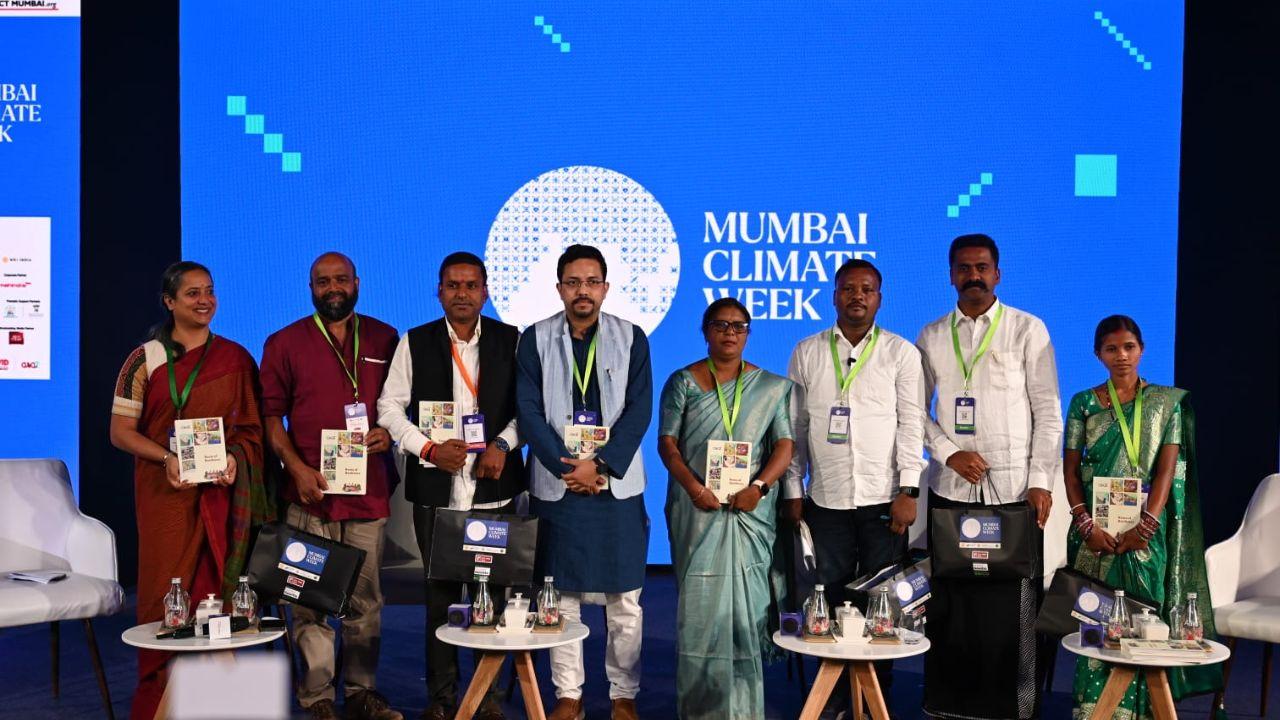
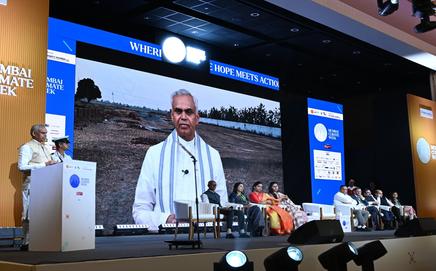
Maharashtra Governor Acharya Devvrat on Wednesday urged environmental experts to broaden their focus beyond global climate issues to include the agriculture sector and rural economy, highlighting the severe damage caused by excessive use of chemical fertilisers and pesticides. Speaking at the valedictory session of Mumbai Climate Week at Jio World Centre, the governor said the increasing reliance on chemicals in farming was not only harming soil fertility but also polluting the environment and contributing to serious health issues. “The adverse effects of chemical farming are dangerous. It leads to environmental pollution and the rise of serious diseases,” he said. “Environmental experts, while deliberating on global environmental protection, must also consider agriculture and the rural economy.” Governor Devvrat pointed out that chemical fertilisers such as urea and DAP, along with pesticides, release harmful gases like nitrous oxide, contaminate groundwater, enter the food chain, and render soil infertile. In contrast, he noted that natural farming improves soil fertility, organic carbon content, and groundwater levels. He referenced Prime Minister Narendra Modi’s promotion of natural farming through the National Mission on Natural Farming. Citing a newspaper survey that detected pesticide residues in the breast milk of 105 mothers, the Governor stressed the urgent need to address these health risks. Reflecting on Indian culture’s traditional reverence for nature, he recalled how ancient education took place in close proximity to the environment. He contrasted this with modern consumerism, which he said has accelerated degradation. The governor cited the Covid-19 lockdown period, when reduced human activity led to cleaner rivers and clearer skies, as clear evidence that human interference is the primary cause of environmental harm. Concrete action over debates: Pankaja Munde calls for large-scale environmental steps Environment and Climate Change Minister Pankaja Munde called for moving beyond intellectual debates to large-scale, concrete action on environmental protection. She noted that past prioritisation of development and infrastructure at the expense of the environment has led to the global crisis being faced today. “Environmental issues are not confined to one region but are global in nature; hence, a global perspective is essential while implementing solutions,” she said. Munde highlighted the stress on soil, water, and air due to industrialisation and infrastructure expansion, and pointed out that economically backward nations had allowed harmful industries in pursuit of growth and were now bearing the consequences. She expressed satisfaction that Mumbai Climate Week had provided a platform for experts from India and abroad to exchange ideas and hoped future conferences would focus on implementation. Collective efforts key to climate resilience: Mayor Ritu Tawde Mumbai Mayor Ritu Tawde emphasised that urban development, economic growth, and climate responsibility must advance in coordination rather than in isolation. She said climate resilience cannot be achieved by government alone and requires collective efforts from public institutions, private industries, financial partners, research bodies, and citizens. “Strong public-private partnerships, innovative financing, technical cooperation, and positive behavioural changes among citizens are essential,” she added. The three-day Mumbai Climate Week, organised by Project Mumbai, brought together environmentalists, policymakers, and experts to deliberate on climate change solutions.
19 February,2026 07:50 PM IST | Mumbai | mid-day online correspondentA Mumbai court has ruled in favour of animal welfare, rejecting a man’s request to get back a horse seized by police on cruelty charges. The horse had been used in traditional ceremonial rides and was taken to an Animal Welfare Board-recognised centre. Additional Sessions Judge Mujibodeen S Shaikh upheld a magistrate’s decision that emphasised the horse’s welfare over the owner’s livelihood. Owner claims right to livelihood The horse’s owner, Jagannath Kunjuprasad Rajbhar, runs a ceremonial horse rental business. He argued that he had provided the horse for marriage functions in the past and possessed the required documents. He claimed that a false FIR was filed against him based on a photograph from a May wedding. “Detention of the horse has caused unnecessary hardship to my business,” Rajbhar told the court, urging that the animal be returned to him as per PTI reports. Police and PETA oppose return The police opposed Rajbhar’s plea, citing a 2015 Bombay High Court ruling banning Victoria horse-drawn carriages in Mumbai due to animal cruelty and lack of licenses. PETA, the intervener in the case, requested that the horse be kept in the Animal Rahat Organisation, which is recognised by the Animal Welfare Board. The magistrate noted, “Prima Facie, it seems he is doing such business without any valid licence,” and handed the horse to PETA on a bond of Rs 2 lakh, with the condition it be returned only if directed by the court. Sessions Court rejects revision plea Rajbhar challenged the magistrate’s order in the sessions court, but it was rejected. The judge agreed with the submissions of the police and PETA, noting the appeal was against an interlocutory (interim) order. “After having considered the entire facts and circumstances, it becomes crystal clear the impugned order passed by the learned magistrate is an interlocutory order,” the sessions judge said as per PTI reports. The ruling reinforces the legal focus on animal welfare, confirming that claims for interim custody cannot override regulations protecting animals. (With PTI inputs)
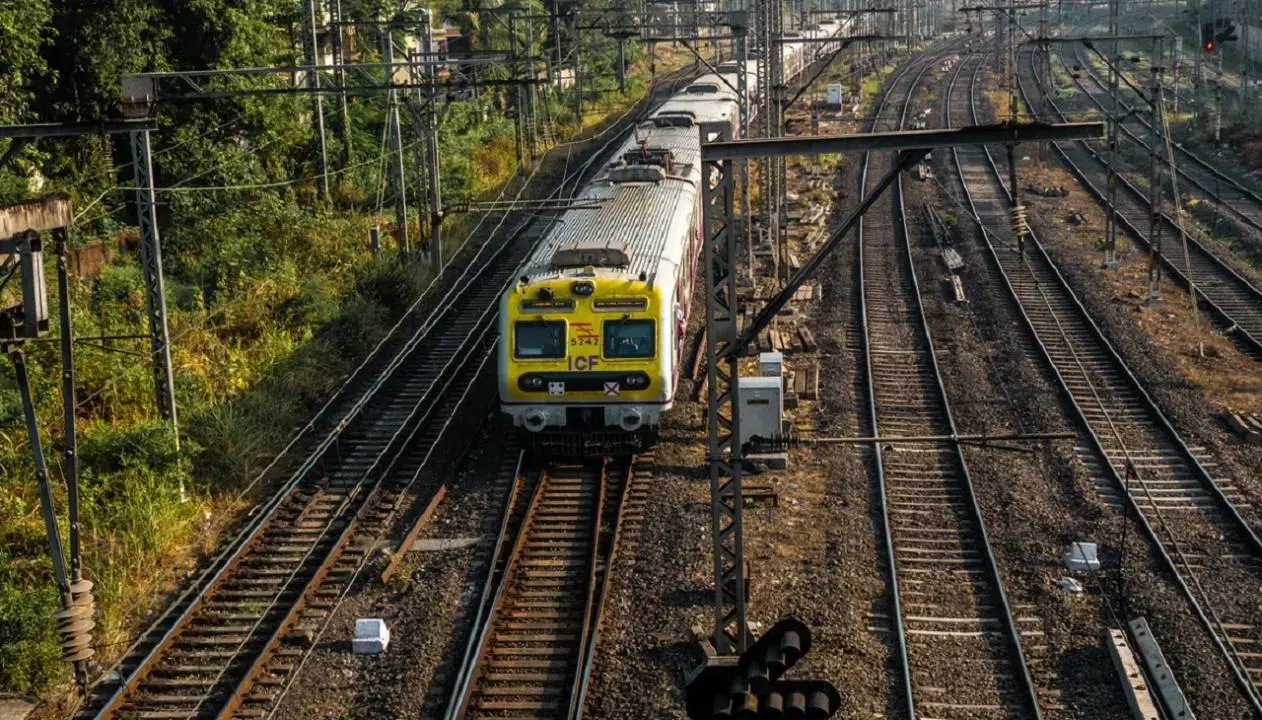
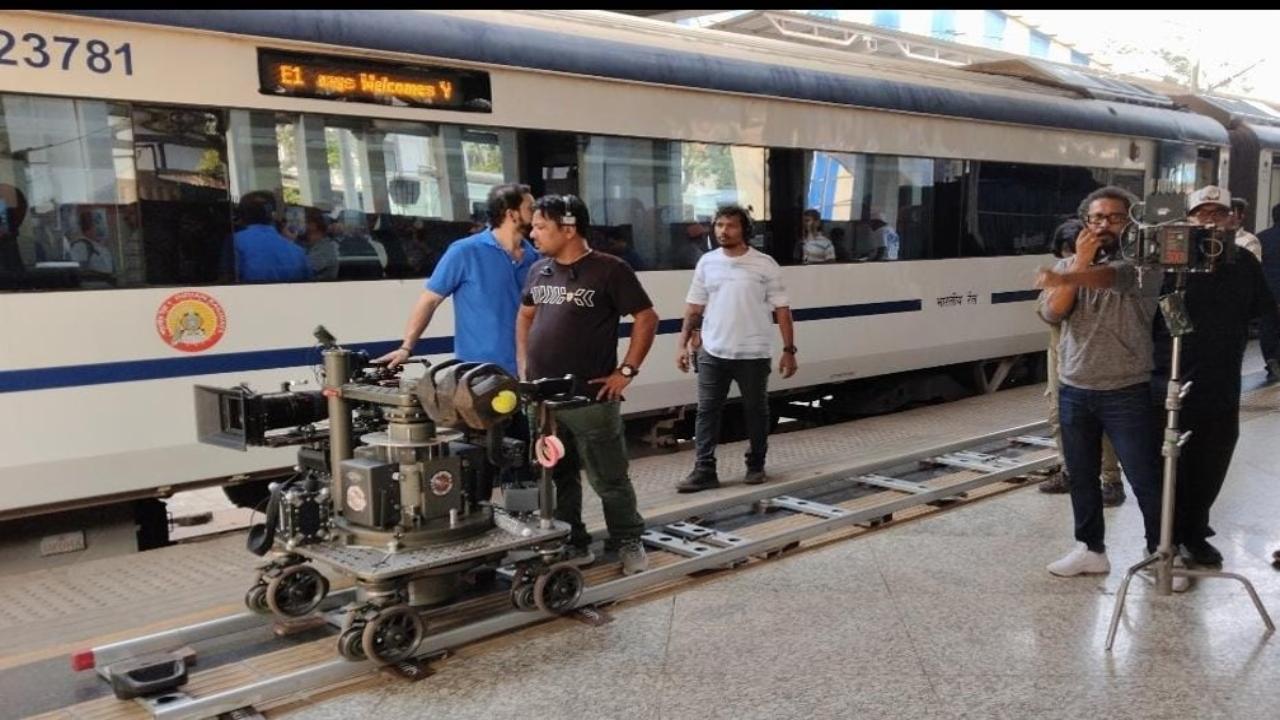
19 February,2026 07:48 PM IST | Mumbai | mid-day online correspondentCentral Railway has recorded an impressive passenger growth in financial year (FY) 2025-26 (up to January), carrying a total of 1,373.39 million passengers — marking a steady 1.86 per cent increase over the 1,348.33 million passengers transported during the same period last year. The zone's suburban network, which forms the lifeline of the Mumbai Metropolitan Region, continued to dominate ridership. Suburban trains carried 1,201.93 million passengers in FY 2025-26, up from 1,187.92 million in the corresponding period of the previous year. Non-suburban services, including Mail/Express, Passenger, and other long-distance trains, also saw healthy growth, ferrying 171.46 million passengers this year compared to 160.41 million last year. In January 2026 alone, Central Railway transported 146.29 million passengers overall. Of these: Suburban segment accounted for 129.08 million passengers, including 127.12 million on the Mumbai Suburban network and 1.96 million on the Pune Suburban lines. Non-suburban trains carried 17.20 million passengers. Key factors driving the suburban surge include the introduction of additional services on the Nerul/Belapur-Uran corridor and the commissioning of two new stations — Targhar and Gavan — which have boosted patronage on the route. The recent launch of air-conditioned (AC) local services on the Harbour line has also received an overwhelming response. Within just 16 days of operation, these AC locals carried more than 6 lakh passengers, reflecting strong commuter demand for improved comfort and efficiency. Central Railway currently operates 1,820 suburban services daily, including 94 AC local trains, to meet the growing travel needs of the Mumbai Metropolitan Region. “Central Railway remains committed to providing safe, comfortable, economical, reliable, and efficient transportation to all its passengers,” the railway zone stated, adding that it continues to strengthen services to match rising commuter expectations. In a new milestone, Western Railway earns Rs 1.72 crore from movie shoots in financial year 2025-26 Western Railway has achieved a new milestone in non-fare revenue generation by earning a record Rs 1.72 crore from movie shoots during the financial year 2025-26 (until February 15). This marks a significant 25 per cent increase over the previous best performance of around Rs 1.64 crore recorded in financial year 2022-23, positioning Western Railway as one of the top zones in the country for revenue from this innovative segment, an official press release stated. The zone has actively promoted its stations, trains, platforms, yards, and other premises as shooting locations for movies, television serials, web series, and advertisement films, the release added. Permissions have been granted for shoots on Mail/Express trains, suburban local trains, and various railway properties, offering filmmakers authentic and dynamic backdrops. To facilitate the film industry, Western Railway has streamlined the permission process through a single-window system managed by its public relations department. Production houses now submit a single application, and all the necessary clearances are coordinated internally, ensuring approvals are issued in a time-bound manner, the release added. At the same time, the railway has maintained strict priority on passenger safety, operational efficiency, and commuter convenience during shoots. A notable first this year was the permission granted for filming inside India’s modern and premium Vande Bharat train, providing the film industry access to world-class railway infrastructure and underscoring Western Railway’s progressive approach. Among the notable projects shot on Western Railway premises in recent times are films such as O Romeo, Fateh, Tera Yaar Hoon Main, Sikandar.
19 February,2026 07:28 PM IST | Mumbai | mid-day online correspondentWestern Railway has achieved a new milestone in non-fare revenue generation by earning a record Rs 1.72 crore from movie shoots during the financial year 2025-26 (until February 15). This marks a significant 25 per cent increase over the previous best performance of around Rs 1.64 crore recorded in financial year 2022-23, positioning Western Railway as one of the top zones in the country for revenue from this innovative segment, an official press release stated. The zone has actively promoted its stations, trains, platforms, yards, and other premises as shooting locations for movies, television serials, web series, and advertisement films, the release added. Permissions have been granted for shoots on Mail/Express trains, suburban local trains, and various railway properties, offering filmmakers authentic and dynamic backdrops. To facilitate the film industry, Western Railway has streamlined the permission process through a single-window system managed by its public relations department. Production houses now submit a single application, and all the necessary clearances are coordinated internally, ensuring approvals are issued in a time-bound manner, the release added. At the same time, the railway has maintained strict priority on passenger safety, operational efficiency, and commuter convenience during shoots. A notable first this year was the permission granted for filming inside India’s modern and premium Vande Bharat train, providing the film industry access to world-class railway infrastructure and underscoring Western Railway’s progressive approach. Among the notable projects shot on Western Railway premises in recent times are films such as O Romeo, Fateh, Tera Yaar Hoon Main, Sikandar. Western Railway adds 12 AC locals, commuters question fare gap and timing The 12 more AC local services on Western Railway has triggered a fresh debate among commuters with regards to its timings and fare, but most importantly, many calling for standardising fare-slabs of AC trains and cutting down difference between AC and non-AC trains. The WR on Friday announced that they would be introducing 12 more AC and three non-AC local train services from February 19. Responding to the growing popularity of air-conditioned travel, while recognising the continued need for affordable options for the masses, Western Railway aims to offer a balanced and inclusive commuting experience. The augmentation in services will help ease overcrowding and offer better travel experience. We are introducing 12 AC Local services, of which 11 services will replace existing non-AC services, while one will be a new AC service. In addition to this, three additional non-AC services are also being introduced,” a WR spokesperson said. “With this increase, the total number of AC services will increase from 121 to 133 and the total number of local services of Western Railway network will increase from 1,410 to 1,414. The number of AC services operating on Saturdays and Sundays will also be significantly increased from 77 to 106, further enhancing comfort and capacity for weekend commuters. In addition to this, a slow local service that is presently operating from Bhayandar to Bandra will operate from Virar, providing added convenience and improved connectivity for commuters,” he added. Commuters said there are two things about the new services. “Railways are playing a game with innocent passengers. The new AC local trains being introduced are like a slow poison to all other commuters. Also, the timings of these trains are not beneficial to all passengers. The railways must work out changes,” former member, National Railway Users Consultative Committee told Sunday mid-day. “It is a bad decision to replace non-AC with AC services. Adding new AC services without replacing existing AC services is the good decision. The non-AC traveller have now started feeling the heat of the reduction of their regular services. It do away with non-AC trains altogether, provided the fares are slashed down to non-AC fares. Only then, it would be justified. Another solution would be to split a train to AC and non-AC coaches in the same train,” commuter Amit Surana said. “WR seems to be deliberately ignoring Borivali, Kandivali and Malad residents, after the 5.15 pm AC and 5.50 pm AC trains have departed, there are no more AC trains for Borivali, Kandivali and Malad, at least modify 5.50 pm AC to halt at Malad and Kandivali. Why the injustice,” commuter Sudhir Kamath questioned.Yet another commuter Nitesh M said, “What is the use of the services to run on less crowded route? Please increase services to and from till Dadar or Andheri where huge crowd travel during peak and regular hours seven days of week.”
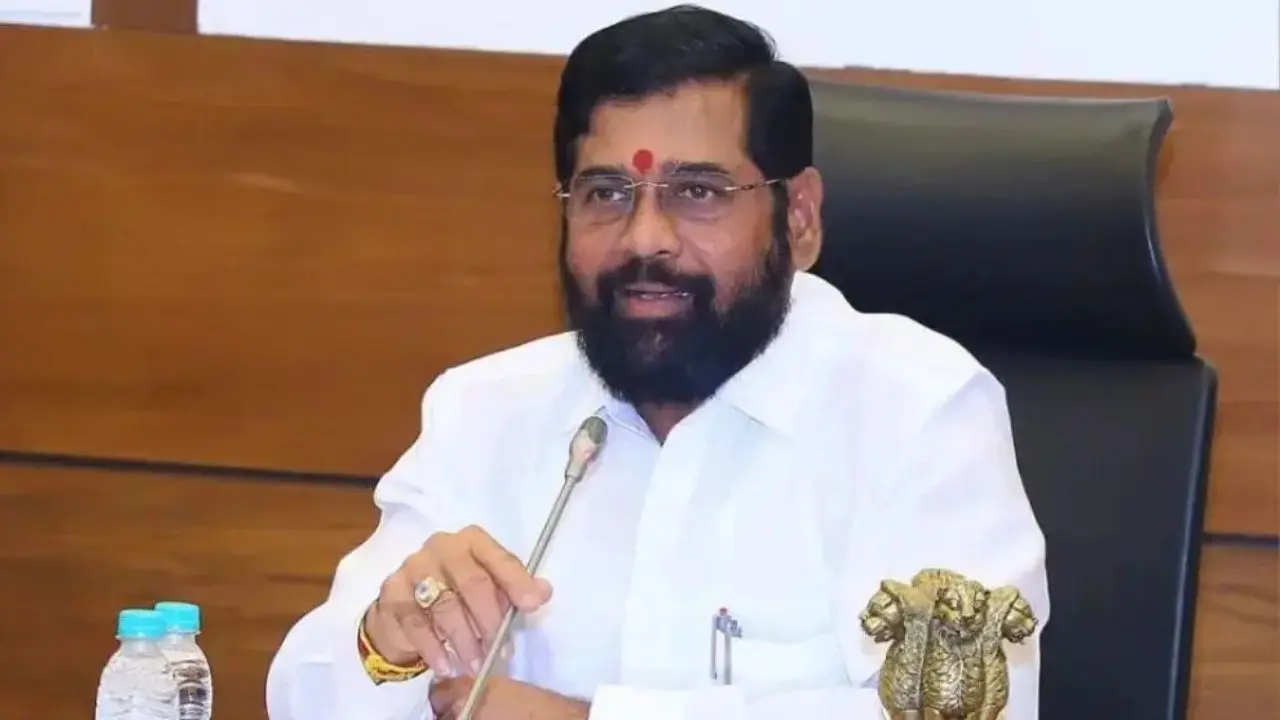
19 February,2026 07:26 PM IST | Mumbai | mid-day online correspondentIn a major infrastructure push for the Mumbai Metropolitan Region (MMR), Deputy Chief Minister Eknath Shinde on Thursday announced a Rs 48,000 crore transformation plan for Thane and Kalyan, positioning the two cities as key growth engines of the region. Chairing a meeting of the Mumbai Metropolitan Region Development Authority (MMRDA), Shinde approved a massive outlay aimed at addressing rapid urbanisation and strengthening connectivity. Thane will be developed as a ‘Mobility Hub’, with Rs 12,000–13,000 crore earmarked for major infrastructure works. The ambitious 12-km Thane-Borivali twin tunnel project has received administrative approval worth Rs 18,838 crore, with Rs 3,000 crore allocated for 2026-27. Metro connectivity will get a boost with the extension of Metro 4 (Wadala–Kasarvadavali), Metro 4A (up to Gaimukh) and Metro 6 (Swami Samarth Nagar–Vikhroli). In addition, Rs 1,025 crore has been allocated for the first phase of the Thane Coastal Road and Rs 880 crore for the Anand Nagar–Saket elevated road. Funds have also been set aside for the beautification of Railadevi and Masunda lakes and Rs 214 crore for the Kolshet–Kalher creek bridge. Massive push for Kalyan-Dombivli Meanwhile, Kalyan-Dombivli has been allocated Rs 2,500–3,500 crore to transform it into a ‘Future-Ready Advanced Urban Centre’. Rs 600 crore has been sanctioned for the Kalyan Ring Road project. Metro 5 (Bhiwandi–Kalyan), Metro 5A (Ulhasnagar extension) and Metro 14 (Kanjurmarg–Badlapur) are expected to strengthen its role as a transit hub. The Rs 584 crore Airoli–Katai Naka road will enhance connectivity with Navi Mumbai. Shinde also directed officials to fast-track the Poshir and Shilar dam projects to tackle water scarcity. Across the MMR, an integrated mobility plan featuring a 337-km Metro network, pod taxis, boat taxis, flyovers and underground roads is being rolled out to ease congestion. Mumbai Climate Week 2026: MMRDA signs strategic MoUs to accelerate low-carbon urban transformation The MMRDA on Wednesday participated in Mumbai Climate Week 2026, India’s first global forum bringing together multiple stakeholders to accelerate climate action and sustainable urban development. During the event, MMRDA signed several strategic agreements with leading national and international organisations to boost climate resilience, low-carbon urban transformation, and sustainable metropolitan planning across the Mumbai Metropolitan Region (MMR). Key partnerships include United Nations Environment Programme (UNEP): A Strategic Letter of Intent to advance metropolitan climate action, with focus on heat mitigation, urban cooling, nature-based solutions, and resilience, alongside development of a Climate Action Vision and Metropolitan Climate Action Plan. Urban Land Institute (ULI): Strategic MoU establishing a long-term global knowledge partnership on land use planning, real estate development, and infrastructure-led metropolitan growth. C40 Cities Climate Leadership Group: Partnership to accelerate climate action, resilience building, and low-carbon urban transformation across MMR. World Resources Institute India (WRI India): Knowledge partnership to support evidence-based, climate-resilient, sustainable, and inclusive metropolitan planning. ICLEI – Local Governments for Sustainability: Strategic MoU to strengthen governance frameworks, climate action planning, and sustainable urban transformation. On the occasion, a commemorative stamp marking Mumbai Climate Week was also released, underscoring the city’s focus on climate-conscious development and collaborative urban sustainability initiatives.
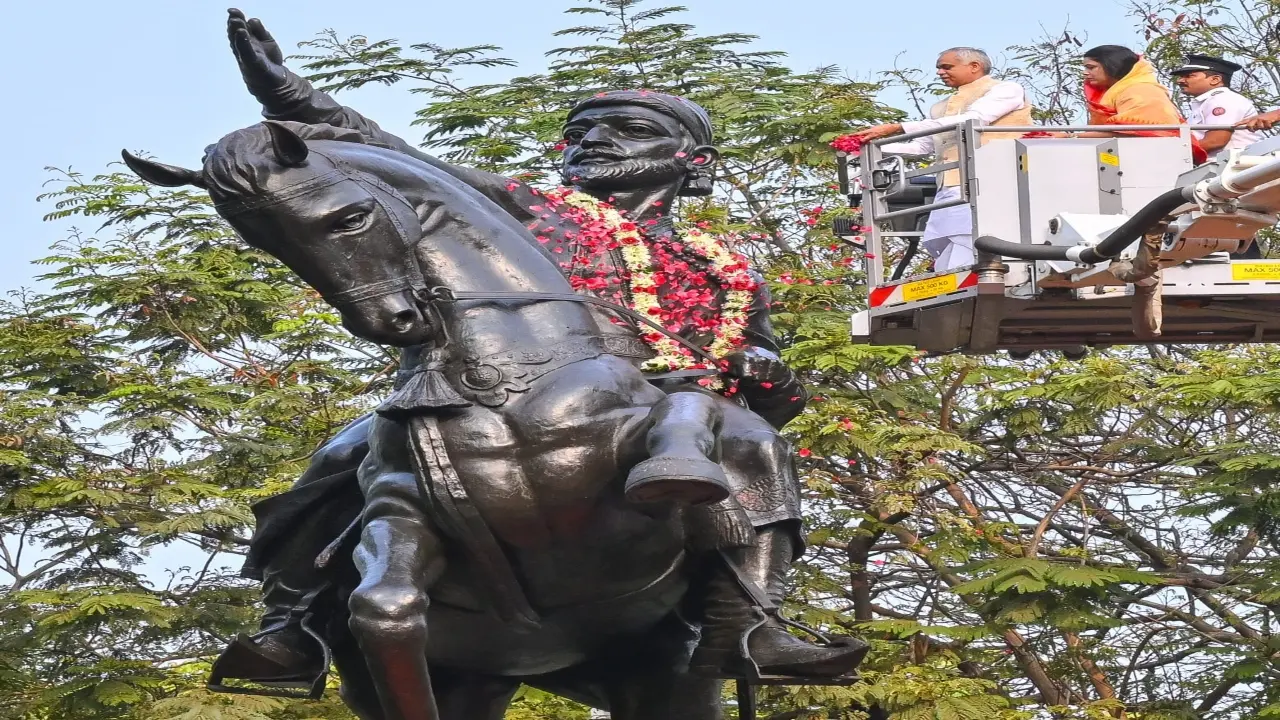
19 February,2026 07:00 PM IST | Mumbai | mid-day online correspondentTributes were paid to Chhatrapati Shivaji Maharaj across Maharashtra on his 396th birth anniversary on Thursday, February 19, with grand civic celebrations. In Mumbai, a wreath-laying ceremony took place at the equestrian statue of Chhatrapati Shivaji Maharaj at Shivaji Park in Dadar. Maharashtra Governor Acharya Devvrat garlanded the Maratha warrior king’s statue and offered ‘abhishek’, paying homage on behalf of the state. The event was part of the Brihanmumbai Municipal Corporation’s (BMC's) 'Shiv Jayanti Utsav'. Following the tribute, a vibrant cultural programme was held at the nearby Krida Bhavan in Dadar, organised by the Mumbai civic body’s Sangeet Kala Academy. The event featured powerful ‘powadas’ and ‘Shiv geets’ dedicated to Chhatrapati Shivaji Maharaj. Governor Devvrat expressed his appreciation for the performances, applauding the artists and announcing a cash prize of Rs 51,000 as a token of encouragement. Mumbai Mayor Ritu Tawde, who also participated in the Dadar event, led separate tributes at two key locations. At the BMC headquarters, she garlanded the statue of Chhatrapati Shivaji Maharaj. Later, at the iconic Gateway of India, she offered floral tributes to the legendary king’s statue, symbolising the city's deep respect for Chhatrapati Shivaji Maharaj. The celebrations were attended by several dignitaries, including Member of Parliament (MP) Anil Desai, legislator Sunil Shinde, Leader of Opposition in BMC Kishori Pednekar, Municipal Commissioner Bhushan Gagrani, Corporator Trishna Vishwasrao, Deputy Commissioner (Zone 2) Prashant Sapkale, Deputy Commissioner (Special) Vinayak Vispute, Municipal Secretary Manjiri Deshpande, Assistant Commissioner (A Ward) Jaydeep More, and Deputy Secretary Sushil Mahajan, among others. Shiv Jayanti 2026: Thane marks celebrations with floral tributes, wreath-laying ceremonies In neighbouring Thane, the civic body marked the day with equal enthusiasm. Mayor Sharmila Pimpalolkar, Deputy Mayor Krishna Patil, and Municipal Commissioner Saurabh Rao garlanded the portrait of Chhatrapati Shivaji Maharaj at the late Narendra Ballal Hall in the civic premises. The leaders then proceeded to Masunda Talav, where Pimpalolkar led the wreath-laying ceremony at the full-size statue and extended Shiv Jayanti 2026 greetings to all Thanekars, urging them to imbibe the king's ideals. The deputy mayor separately honoured the full-size statue at Kalwa Naka with floral tributes. The Thane event was attended by Additional Commissioner Prashant Rode, Shiv Sena group leader Pawan Kadam, Deputy Commissioners GG Godapure, Umesh Birari, and Deepak Zinzad, Transport Manager Bhalchandra Behere, Assistant Commissioners Lalita Jadhav and Sopan Bhaik, Acting Deputy Information and Public Relations Officer Prachi Dingankar, and other municipal staff.
19 February,2026 06:08 PM IST | Mumbai | mid-day online correspondentGrassroots leaders from six states in Mumbai on February 19 showcased how India’s most impactful climate solutions are emerging from village councils. during a special ‘Panchayat’ session titled “Panchayats Leading India’s Climate Charge” at the Jio World Convention Centre as part of Mumbai Climate Week. The session demonstrated some of India’s most effective climate solutions emerging from village councils, not conference rooms. Built on the Conference of Panchayats (CoP) initiative led by Asar Social Impact Advisors and Policy and Development Advisory Group (PDAG), it focused on strengthening local self-government institutions to tackle climate risks. Sharada Gaydhane, Sarpanch of Bela Gram in Maharashtra’s Bhandara district, shared how her village became India’s first net-zero Panchayat. She asserted, “Climate change can be felt in the water we fetch, the food we grow, and the air we breathe. It affects our health, and it is my responsibility to do what’s best for my village. For us, climate action begins at home. When the Panchayat takes responsibility and people participate, change becomes real.” Under her leadership, nearly 90,000 trees were planted, solar panels were installed on Anganwadis and Panchayat offices, LPG adoption replaced traditional chulas, waste segregation was implemented at the doorstep level, and single-use plastics were rejected. “Every village festival, wedding, and birth of a child was marked by planting a tree and taking care of it. Over time, we planted almost 90,000 trees. We made concrete efforts to move away from chulas to LPG. We used panchayat funds for solar panels over Anganwadis and panchayat offices. While waste began to be segregated at every doorstep, we took a vow to reject single-use plastics,” she further added. Bela Gram won Carbon Neutral Vishesh Panchayat Puraskar in 2024 Leaders from Jharkhand, Kerala, Karnataka, Bihar and Odisha also presented community-driven initiatives. Ramvriksh Murmu from Siyari village in Bokaro highlighted solar lighting and pumping solutions to tackle power shortages. Sachith K K from Perinjanam in Kerala described the transformation into a ‘Solar Gramam', with 850 households adopting rooftop solar systems. Jayanti Nayak from Koraput, Odisha, detailed how indigenous women restored over 10 hectares of unused common land. Community-led Solutions in Focus: Shift to renewable energy, restoring ignored lands From Jharkhand, Ramvriksh Murmu, Mukhiya of Siyari village in Bokaro district, described how Gram Panchayat Help Desks strengthened local governance and enabled the adoption of solar lighting and pumping to address frequent power cuts. Sachith K K, former Panchayat President of Perinjanam in Kerala’s Thrissur district, spoke about the village’s transition to ‘Solar Gramam’, with 850 households becoming rooftop solar prosumers. Representatives from Karnataka and Bihar also highlighted efforts to integrate sustainable livelihoods, strengthen village governance systems and advance rural development, collectively demonstrating that effective climate action is being shaped at the level of local self-government institutions across the country. Jayanti Nayak, an elected representative from Koraput, Odisha, described how a collective of indigenous women documented land use and identified over 10 hectares of unused common land for restoration. The power of Panchayats in climate action Keynote speaker Jagadananda, co-founder & mentor, Centre for Youth and Social Development, speaking about the power of Panchayats and frontline leaders in shaping climate action, said, “The future of climate resilience lies in climate-smart Panchayats, where land, water, livelihoods and people converge at the local level. A climate-smart India begins at the Panchayat, closest to the risks, resources and resilience. Our collective future depends on investing in and strengthening these institutions, where people, ecosystems and democracy come together.” Building on this vision of climate-smart Panchayats, Arindam Banerjee, co-founder and partner, PDAG, outlined how the Conference of Panchayats was conceived to strengthen local governance systems where climate impacts are felt most directly. Arindam Banerjee, co-founder and partner at PDAG, said, “The Conference of Panchayats was designed to explore ways to enhance the capacity of local self-government institutions and actors to address emerging climate risks. It focuses on developing local, evidence-based solutions and implementing long-term climate initiatives, anchored within the local socio-economic and climate realities. We hope that this CoP will help drive a uniform nationwide local climate action platform by 2028 with the proposed global CoP33 to be held in India." Echoing the vision of locally anchored climate governance, Vinuta Gopal, CEO, Asar, said, “From the farthest corners of six states, gram panchayat leaders took the stage to show that climate action is already being built on the ground – through every tree that is planted, solar panel installed, and village action plan formally adopted. Rooted in the institutions of local self-government, these efforts are protecting lives and livelihoods as climate pressures intensify. Such grounded models for scalable climate action offer hope that the most lasting and credible solutions are those that begin within communities and grow outward.” The Mumbai Climate Week marked India’s first platform dedicated to accelerating climate action, empowering Mumbai, India, and the Global South. The initiative reimagined critical climate solutions as interconnected, scalable innovations rooted in the complex dynamics of the region and its economies.
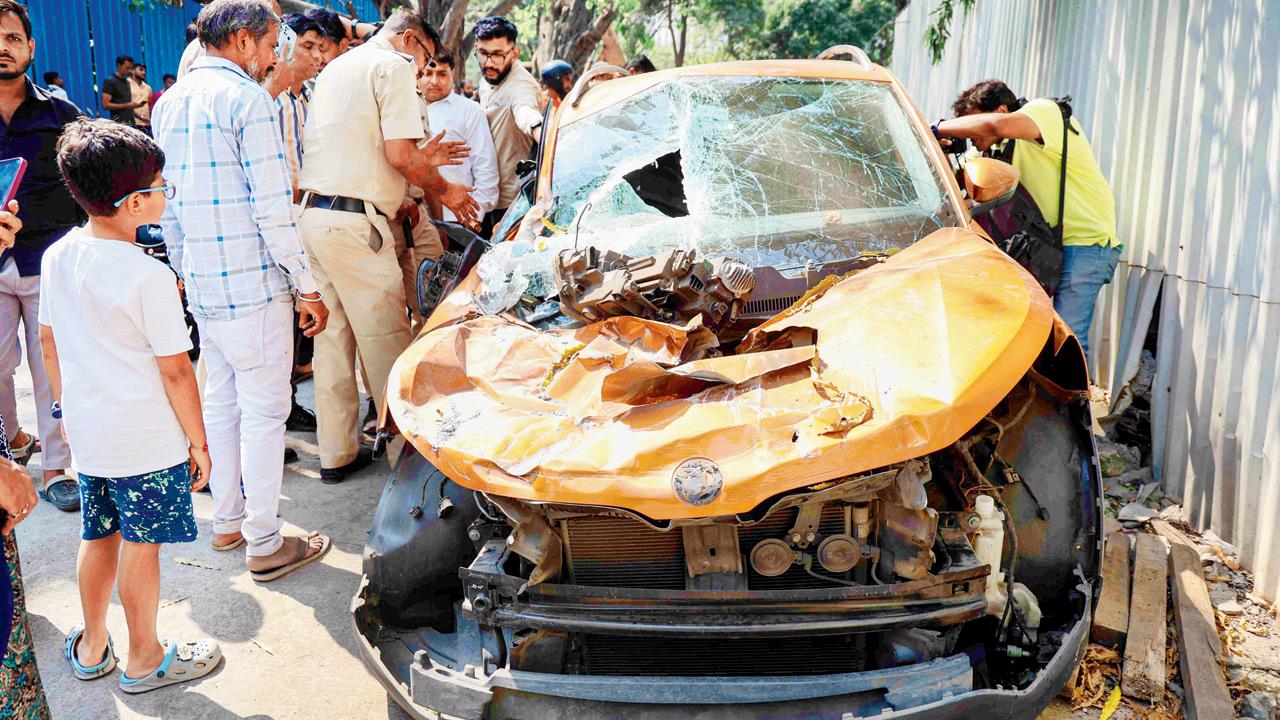
19 February,2026 05:32 PM IST | Mumbai | mid-day online correspondentThe family of Ramdhani Yadav, who was killed on Saturday in the Mulund Metro slab collapse incident, said that they have received Rs 39.5 lakh from the authorities, following which they will now take the body for the last rites. A bridge segment of the under-construction Metro Rail Line 4 collapsed on passing vehicles in Mumbai’s Mulund area on Saturday, leaving one person dead and three injured. Yadav’s family had earlier said that they would not take the body for the final rites until they received compensation while also seeking compensation and government jobs for his kins. While the Mumbai Metropolitan Region Development Authority (MMRDA) disbursed Rs 15 lakh to the victim’s family, Rs 20 lakh was given by the contractor, and an additional Rs 4.50 lakh was given for the air ambulance to lift the body to Jaunpur in Uttar Pradesh. The chief minister has also announced Rs 5 lakh in compensation. Ramdhani’s brother Ramsamuj Yadav said, “We have received compensation from MMRDA, and we took the body. We will do the final rites of my brother. Our demands are that my brother’s kin should get government jobs.”
19 February,2026 03:59 PM IST | Mumbai | Shirish VaktaniaFollowing a mid-day report of citizens complaining about loose and displaced parapets, amid increasing fears among citizens regarding the safety of the Metro Line 4 structure following the recent parapet collapse incident, Mulund BJP MLA Mihir Kotecha conducted a joint inspection of the Metro Line 4 stretch along LBS Road on Wednesday, accompanied by officials from the Mumbai Metropolitan Region Development Authority (MMRDA) and BMC officials from T ward. The MLA has demanded a third-party audit of the corridor. On Wednesday, the joint inspection was carried out covering seven to eight locations along Metro Line 4 on the LBS Road stretch in Mulund. The MMRDA team was led by Chief Engineer Madhukar Kharat. It was accompanied by T ward officer Yogita Kolhe, the disaster management team, and local corporators Dr Hetal Gala Morvekar and Deepika Ghag. Mulund BJP MLA Mihir Kotecha (in Nehru jacket) inspects the site along with MMRDA and civic officials “Following Saturday’s parapet collapse incident, residents have been sending photographs highlighting visible alignment issues, gaps, and level differences in the parapet walls of the elevated corridor. Close to 500 similar images were forwarded to the T ward disaster management team and me by citizens,” said Kotecha. Structure safe Kotecha said officials acknowledged minor technical and finishing defects, particularly in parapet wall alignment, but maintained that the structure is safe and its stability has not been compromised. “But why were such defects not identified earlier by consultants and auditors during or immediately after installation, which in some cases took place eight to 12 months ago? Why didn’t consultants and auditors notice them after the casting?” asked Kotecha. Third party audit He further stated that Metro systems in developed cities across the world reflect high-quality standards. “The Maharashtra government has released full payments to contractors as per agreements. Therefore, a comprehensive third-party quality control and safety audit of the entire Metro Line 4 corridor must be conducted. Strict action should be taken against consultants and auditors found responsible for lapses, even if the structural safety remains uncompromised,” demanded Kotecha. GIS tagging of locations Kotecha urged the MMRDA to conduct GIS (Geographic Information System) tagging of the identified locations and issue a technical advisory with photographic documentation. “This will help in reducing fear in the minds of people,” MLA added.
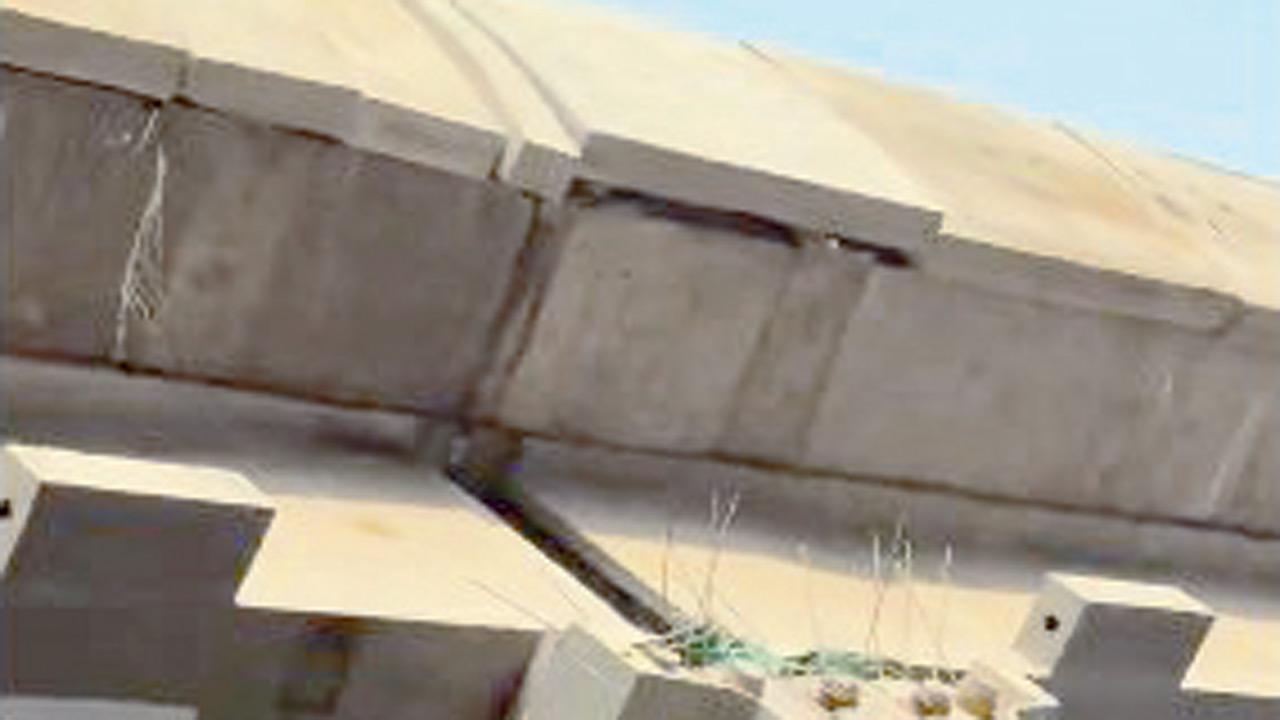
19 February,2026 03:59 PM IST | Mumbai | Rajendra B. AklekarDays after a portion of the under-construction Metro 4 Green Line collapsed onto LBS Road in Mulund, killing a man and injuring three others, commuters have alleged that hardly 200 metres away, another part of the corridor appears vulnerable and could collapse, potentially triggering another such accident. When mid-day visited the spot, opposite an Indian Oil petrol pump, most commuters were halting their vehicles to glance at the portion in question. While locals demanded that MMRDA should check all the slabs and repair them, no such precautionary measures have been taken. MMRDA did not respond to mid-day's messages by press time. MMRDA while briefing about the incident said, "MMRDA’s Engineering, Safety and Quality teams have jointly conducted a detailed site inspection and technical assessment. We would like to inform you that parapet construction activities are currently in progress at the site. However, we would like to assure you that the structure in its present stage of construction is stable, secured and safe in all respects. The parapet, its stitching and supporting system are as per approved drawings, quality control procedures and safety norms and are structurally sound. The observed minor misalignment is temporary in nature, arising due to construction stage sequencing and urgency to secure the structure and shall be rectified in the later phase of construction as planned." X user explains In the video shared on X, one Mayur flagged a portion of the concrete (parapet wall) on the Metro line over LBS Marg, expressing concerns about it the safety of commuters. The post went viral on social media, where people are questioning the contractor responsible for carrying out the work. Voices of concern Mayur, X user‘One more slab is about to fall from Mulund Metro. this one is from opposite indian oil petrol pump somewhere close to the Saturday incident @MMRDAOfficial @mybmc @MulundPS @Dev_Fadnavis @Devendra_Office @mihirkotecha (sic)’ Aryan Karia, film producer and Mulund resident‘I visited the petrol pump and found this slab in a dangerous condition. It looks like this may fall. MMRDA officials must visit the site and check all the slabs. I’m terrified to commute under such construction sites’ Sanket Ghuge, Kanjurmarg resident‘This looks very dangerous. Even after the video went viral, no safety measures have been taken by MMRDA. The BMC must look into this matter. We need safety.” Sanjay Redekar, Bhandup resident‘I am an engineer. This slab looks unsafe. The MMRDA should look into this and repair it before any incident takes place. It’s definitely an engineering fault.” Santosh Surya-vanshi, Chembur resident and auto driver‘There is no value for life. Those responsible never understand the grief of victims’ families. They should get the strictest punishment. The government must order a thorough inspection of all such work’ Biju Augustin, independent civil engineer‘This clearly shows carelessness and a serious safety risk. The precast parts are being moved and fixed into the jig using simple binding, so they are loosely held. If even a small corner is damaged, the jig can slip or collapse.”
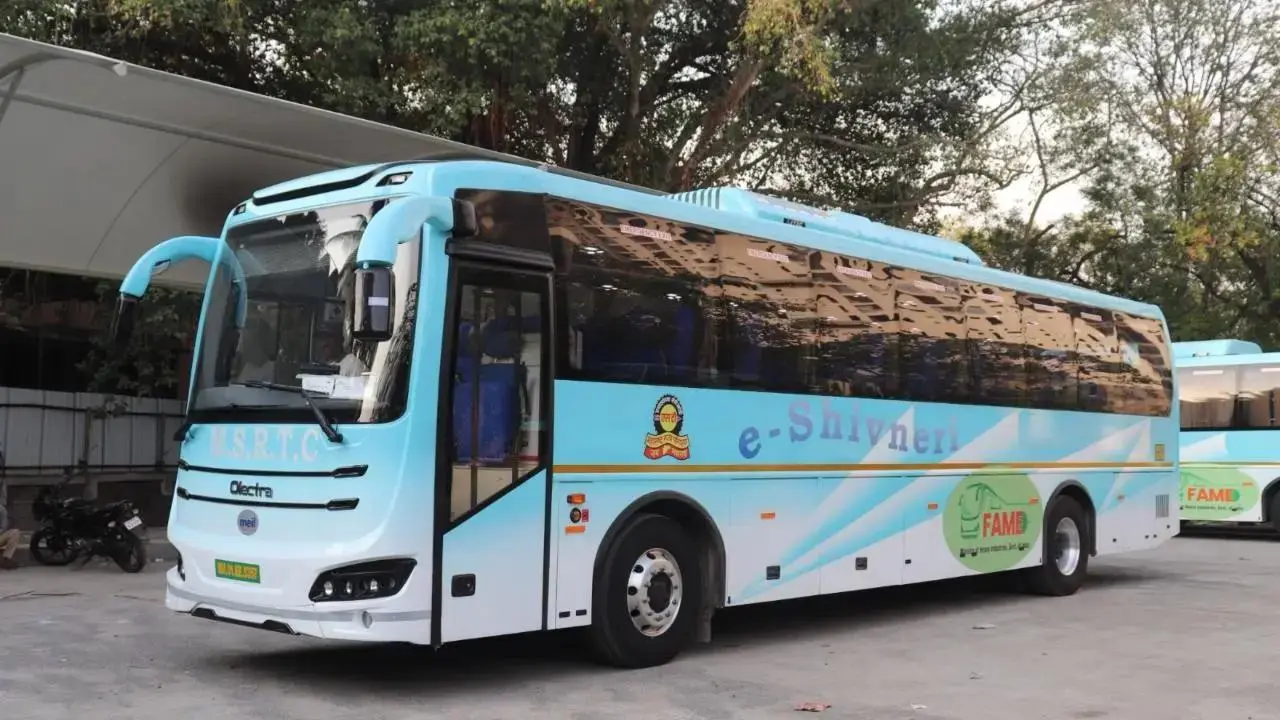
19 February,2026 03:57 PM IST | Mumbai | Shirish Vaktania | Ranjeet JadhavThe Maharashtra State Road Transport Corporation (MSRTC), which is currently facing a deficit of Rs 1–1.5 crore every day, is set to receive a major boost with the induction of 8,300 new buses this year, state Transport Minister Pratap Sarnaik said on Thursday. Sarnaik, who also serves as MSRTC Chairman, expressed confidence that the expanded fleet would significantly improve revenue and help stabilise the corporation financially by the end of the year. “If buses increase, passenger numbers will rise, and with more passengers, revenue will automatically grow,” he said. From pre-Covid peak to decline Before the Covid-19 pandemic, MSRTC operated 18,000 to 19,000 buses every day and ferried around 66 lakh passengers. However, bus procurement slowed over the past four to five years due to the pandemic and a prolonged employees’ strike. By the end of 2024, the operational fleet had declined to around 12,600 buses. Following the state government’s decision to provide a 50 per cent fare concession to women and free travel for senior citizens above 75 years, daily ridership has rebounded to nearly 50 lakh passengers. However, several routes continue to face shortages due to inadequate frequency. 8,300-bus expansion plan Under MSRTC’s long-term strategy, the corporation plans to procure 20,000 to 25,000 buses over the next few years, with in-principle approval from the state government. In the first phase this year, 8,300 buses will be inducted. The new fleet will include: Three thousand ‘3X2’ seating configuration, 55-seater buses. These buses will be inducted in phases starting March and named after Rajmata Jijau Saheb and deployed on high-demand inter-city routes. Five thousand standard buses, currently in the final stage of tendering. Hundred midi buses to improve connectivity in remote and tribal areas. Two hundred technologically advanced buses aimed at competing with private transport operators. With the expanded fleet, the corporation aims to increase daily ridership to 70–75 lakh passengers. Bridging the revenue gap Currently, MSRTC’s daily expenditure stands at Rs 34–35 crore, while revenue is around Rs 33 crore, resulting in a shortfall of Rs 1–1.5 crore every day. “MSRTC is not a profit-making enterprise; it is a lifeline for the common people of the state. However, we must at least balance expenditure and revenue to minimise losses. Once the new buses are operational, revenue will certainly improve and the corporation will become financially stable,” Sarnaik said. Often referred to as ‘Lalpari’, the iconic red buses serve rural, tribal and remote regions across Maharashtra. With additional services on halt routes and high-traffic corridors, the corporation is preparing for a renewed push to strengthen its statewide network. “We are confident that by the end of this year, MSRTC will emerge from its financial difficulties,” the minister added.
19 February,2026 02:11 PM IST | Mumbai | mid-day online correspondentADVERTISEMENT







-1771507994049_d.png "Plea for custody of ceremonial horse gets rejected by court. Representational Image")