The Brihanmumbai Municipal Corporation (BMC) has announced the lottery results for admissions under the 25 per cent quota of the Right to Education (RTE) Act 2009 for the academic year 2026-27. A total of 4,941 seats across 325 schools in Mumbai have been allotted to students through the online selection process. According to the civic officials, 10,383 valid applications were received for 6,023 reserved seats under the RTE quota. Out of these 252 schools (state board) offered 4,558 seats and 73 schools (other boards) offered 1,465 seats. The lottery draw was conducted on April 6, 2026 at the Maharashtra State Council of Educational Research and Training in Pune. The final selection and waiting lists were published online on April 10, 2026 after technical processing, an official statement said. Verify admission status online The statement said that the parents of selected students have been informed via SMS. However, authorities have advised them not to rely only on messages and instead check the official portal by entering their application number. Parents must download the allotment letter and follow further instructions provided online, it said. Deadline for document verification According to the officials, the BMC has urged parents to complete document verification and confirm admission by April 20, 2026. To secure admission, parents must follow the below mentioned rules - - Print the allotment letter - Carry required documents (already uploaded during application) - Visit the designated verification centre - Complete the online admission process After verification, the parents of the students must submit the school copy of the admission letter to the allotted school, the officials said. Warning for missing deadline Officials have warned that if the parents fail to confirm admission within the deadline, the allotted seat will be cancelled. In such cases, the seat will be offered to a student from the waiting list. In case of issues or lack of cooperation from the schools- - For SSC board schools, parents can contact BMC’s education office at Curry Road - For other boards, they can reach out to education inspectors or the Deputy Director of Education office at Charni Road.
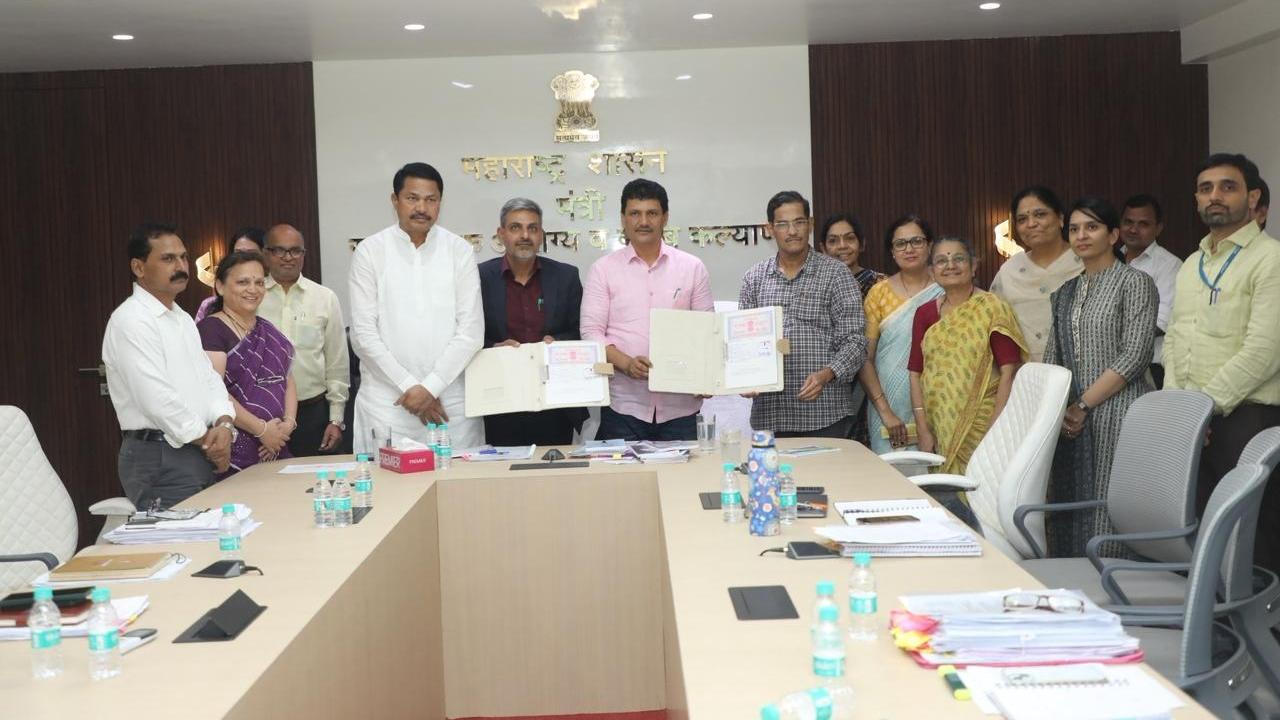
11 April,2026 11:27 PM IST | Mumbai | mid-day online correspondentThe Maharashtra government has signed a key agreement to strengthen mental health support for children across the state. An official statement said that the initiative has been taken under the leadership of Devendra Fadnavis, with a focus on building a more inclusive and accessible mental health system. The state’s Public Health Department has signed a Memorandum of Understanding (MoU) with Eklavya Foundation for Mental Health. The agreement aims to expand mental health services for children through community-based programmes and structured support systems. Focus on emotional wellbeing of children Speaking on the initiative, Chief Minister Devendra Fadnavis said that children’s mental health is a key foundation for the state’s future. He added that the programme will help children develop confidence, emotional strength and a positive outlook towards life. Statewide implementation plan The programme will be rolled out across all districts in Maharashtra through the caregiver-led self-help groups and offline and digital support systemsAwareness campaigns to reduce stigma around mental health, the statement said. It said that it will also provide support to families and caregivers, ensuring a more holistic approach to mental healthcare. Integration with existing health programmes The initiative will be implemented in coordination with the District Mental Health Programme (DMHP), ensuring better reach and efficiency. Officials said the programme will help improve awareness, accessibility and quality of mental health services across the state. Three-year agreement The MoU will remain in effect for three years, during which the government aims to significantly strengthen mental healthcare systems for children. The agreement was signed in the presence of senior officials, including Minister for Public Health and Family Welfare Prakash Abitkar, Dr Nipun Vinayak (Principal Secretary, Health), Dr Kadambari Balkawade (Health Services Commissioner) and the representatives from the Eklavya Foundation. Maharashtra plans stricter rules for safer school transport Meanwhile, with GPS tracking, CCTVs and fee controls, Maharashtra government has announced plans to introduce stricter and more comprehensive regulations to improve the safety, transparency and accountability of school transport. Maharashtra Transport Minister Pratap Sarnaik said that the proposed rules aim to prioritise the safety of school children across the state. The draft notification, proposes the implementation of the Maharashtra Motor Vehicles (School Bus Regulation) (First Amendment) Rules, 2026. Citizens have been invited to submit objections and suggestions within 15 days of the notification, an official statement said on Saturday. Under the proposed rules, school bus fares will be fixed by the Regional Transport Authority. Schools and operators will only be allowed to charge monthly fees. Collecting lump-sum advance payments will not be permitted, providing financial relief to parents. Every school will be required to form a school Transport Committee. This committee will address complaints related to fees, safety and service quality. It will also be mandatory for the committee to submit quarterly reports. Mandatory use of modern safety technology All school buses and vans must be fitted with GPS-based Vehicle Location Tracking Devices (VLTD) and panic buttons. In addition, fire detection and alarm systems (FDAS), CCTV cameras and seat belts for all seats will be compulsory, the statement said. A digital safety monitoring system will be required in every vehicle. This system will allow live tracking, digital attendance, automated alerts and direct communication with parents. It will also be integrated with a state-level monitoring platform, it said. Daily attendance of students, including boarding and drop-off times, must be recorded. For pre-primary and primary students (up to Class 5), a women attendant or authorised staff member must be present during every journey, the statement further said. The rules include provisions for children with disabilities or special needs. This includes trained staff, accessible transport arrangements and, where necessary, the presence of parents or teachers.
11 April,2026 11:15 PM IST | Mumbai | mid-day online correspondentVeteran singer Asha Bhosle was admitted to Breach Candy Hospital in Mumbai on Saturday evening after she suffered a heart attack. Officials said that she was shifted to the hospital at around 7:30 pm. Hospital authorities confirmed that her house help informed them of her complaining of uneasiness and severe headache before she had the heart attack. She was rushed to the hospital where, according to hospital sources, she remains critical. She has been shifted to the ICU. Further details are awaited.
11 April,2026 10:12 PM IST | Mumbai | Ritika GondhalekarA Badlapur-bound Mumbai local train on Saturday evening overshot the platform at Vikhroli railway station in the eastern suburbs of the city, officials said. According to the railway officials, the train, identified as number BD 37, overshot platform 3 on the down through fast line at around 5:52 pm. The train went past the platform by nearly four coaches. The situation was brought under control after the train guard applied the emergency brake immediately. The train was halted safely, preventing any major incident, officials said. Short delay in services Following the incident, the train was detained at Bhandup station for about eight minutes, from 5:52 pm to 6 pm, before normal movement resumed. No injuries reported A railway spokesperson confirmed the incident and stated that platform overshoot had also been reported earlier at Vikhroli station. However, no injuries or major disruptions were reported in incident. Further details are awaited.
11 April,2026 09:44 PM IST | Mumbai | Rajendra B. AklekarThe Brihanmumbai Municipal Corporation (BMC) on Saturday stated that it would focus on strengthening the civic services in a citizen-centric manner, under a 'Back to Basics' approach aimed at improving day-to-day governance in Mumbai, officials said. The direction was given by Municipal Commissioner Ashwini Bhide during the monthly review meeting of all municipal departments held at the BMC headquarters. The newly-appointed city civic chief said that the corporation must prioritise high-quality delivery of essential services such as roads, drainage, water management and cleanliness. She stated that civic administration should not only provide services but also ensure they are accessible, transparent and responsive to public needs. Road works must be completed before monsoon Bhide directed that road works which are over 70 per cent complete must be finished before June 1, 2026, ensuring safe and smooth traffic during the monsoon season. She added that pothole numbers have reduced significantly over the past three years and related expenditure has also declined. Mumbai’s development projects involve multiple agencies. The civic chief stressed the need for better coordination between municipal departments and external authorities. She also announced that monthly review meetings will now include one special Saturday session to assess innovation and progress in civic work. Drain cleaning and flood prevention planning The meeting reviewed desilting work in drains across the city. Officials were instructed to regularly update citizens and elected representatives on progress. The Commissioner also called for daily updates on drain cleaning work, use of social media for public communication, long-term planning for chronic waterlogging areas and ensuring all manholes are properly secured before monsoon. Ashwini Bhide highlighted the need to align infrastructure planning with emerging economic activities such as online food delivery services and gig work. She suggested creating dedicated delivery points and structural support systems for new business models. The development plan should also include proper mapping of reserved land using GIS technology. Stronger focus on cleanliness On solid waste management, she said cleanliness should not be treated as a project but as a continuous civic responsibility. Officials were asked to adopt self-discipline and conduct regular field visits along with elected representatives to monitor sanitation conditions. Regular communication with elected representatives An official statement said that Ashwini Bhide instructed officials to maintain continuous communication with elected representatives and regularly update them on ongoing civic works. She noted that local representatives play an important role in highlighting ground-level issues and their suggestions must be addressed promptly. With major road works currently underway across Mumbai, the Commissioner called for the development of Model Operational Norms, similar to railway systems. These norms should include: - Long-term road maintenance planning - Traffic management for the next 10 years - Repair and upkeep systems - Integration with future mobility needs She also said road construction must consider the requirements of different business sectors operating in the city, it said. The meeting was attended by senior civic officials, including additional municipal commissioners, deputy commissioners, and department heads from across Mumbai’s administrative divisions, the statement said.
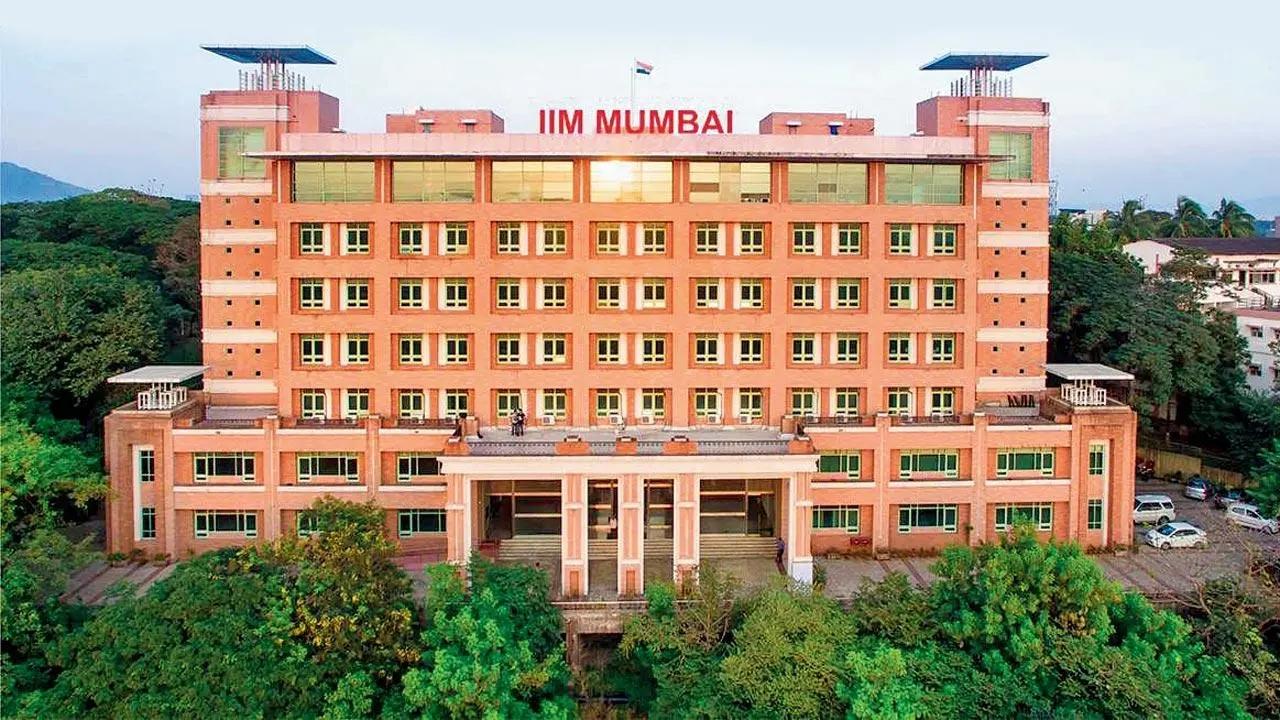
11 April,2026 09:09 PM IST | Mumbai | mid-day online correspondentThe Indian Institute of Management Mumbai (IIM Mumbai) marked a major milestone as it graduated its inaugural MBA batch, with a total of 505 students completing their programmes at the campus. The graduating class included students from several academic streams - - 300 students from the General MBA programme - 177 students from MBA in Operations and Supply Chain Management - 28 students from MBA in Sustainability Management - 39 executives from the Logistics and Operations Excellence programme - 26 executives from the Post Graduate Programme for Executives - 7 doctoral scholars Officials said this marked the successful completion of the institute’s first full MBA cycle following its transition from NITIE to IIM Mumbai. The ceremony was attended by senior industry and academic leaders, including Ashishkumar Chauhan, MD and CEO of National Stock Exchange, Prof. Manoj Tiwari, Director of IIM Mumbai, and Shashi Kiran Shetty, Chairman and BoG of IIM Mumbai, and Chairman and Founder of Allcargo Group. Future skills Addressing the graduates, Ashishkumar Chauhan congratulated the students and stressed the importance of adaptability, integrity and critical thinking in a rapidly changing global environment. He said future leaders would play a key role in India’s progress towards Viksit Bharat 2047, as envisioned by the Government of India. Chauhan said, “My heartfelt congratulations to the graduating students of IIM Mumbai. This milestone in your journey reflects discipline, perseverance, and a pursuit of excellence. As you step into an increasingly complex and interconnected world, remember that success will depend not only on knowledge, but also on your ability to adapt, think critically, and act with integrity. The values of clarity, resilience, and responsibility will guide you in navigating uncertainty and creating meaningful impact. As India moves towards the goal of Viksit Bharat 2047, as envisioned by PM Narendra Modi, your role as future leaders and nation-builders will be crucial. Go forward with confidence, purpose, and a commitment to make a difference.” Institute calls it a historic milestone Manoj Tiwari described the graduation of the first MBA batch as an important step in the institute’s growth, saying the students are expected to make a strong impact across different sectors. He expressed confidence that the graduates would uphold the institution’s academic and ethical values. Expansion plans announced Shashi Kiran Shetty announced plans for major expansion of the institute, including an investment of over Rs 1,000 crore. He said student capacity is expected to increase to between 2,500 and 3,000 by 2028, as the institute moves towards becoming a world-class management education hub.
11 April,2026 08:41 PM IST | Mumbai | mid-day online correspondentThe Brihanmumbai Municipal Corporation (BMC) announced on Saturday a temporary disruption in water supply in several parts of south Mumbai on April 16–17, stating that the supply will be affected for 18 hours as it plans to undertake essential work on a major water distribution line. The water cut is scheduled from 10 am on Thursday, April 16, to 4 am on Friday, April 17, 2026, officials said. The BMC will install two 1500 mm butterfly valves on the tunnel water pipeline at Haji Bunder Road in the F South Ward, near Sewri, they said. According to the Mumbai civic body, the work is being carried out to improve and regulate water supply from the Bhardavada Hill Reservoir, Phosberry Hill Reservoir, and Golnaji Hill Reservoir. Areas to face water cut or low-pressure supply An official statement said that due to the work, parts of the A, B, C, E, and F-South BMC wards will experience either complete water supply shutdown or low-pressure supply during the operation period. The operation will impact several key areas, including residential zones, commercial pockets, hospitals, and government offices. Water supply for hospitals While essential institutions such as hospitals and railway areas will continue to receive water, many will experience reduced pressure. Major hospitals include KEM Hospital, Tata Memorial Hospital, J.J. Hospital, Nair Hospital, and Kasturba Hospital will receive a low-pressure supply during the maintenance window, the statement said. Key areas in affected wards A Ward: Areas near CSMT, P D’Mello Road, St George Hospital and RBI will face complete shutdown during scheduled hours. B Ward: Localities including Masjid Bunder, Umarkhadi, Dongri and surrounding lanes will face disruptions at different timings across the two days. C Ward: Markets and dense residential areas such as Bora Bazaar, Kalbadevi and surrounding streets will face shutdown on 17 April. E Ward: Areas including Nagpada, Byculla, JJ Road and Agripada will face low pressure or shutdown depending on time slots. F South Ward: Localities such as Lalbaug, Sewri, Wadala (East), Dadar and Hindmata will face either shutdown or reduced pressure. Civic body's appeal The BMC has urged residents to store sufficient water in advance and use it judiciously during the shutdown period. As a precaution, citizens are also advised to boil and filter water for the next 4–5 days. Officials said the installation of butterfly valves will help ensure smoother and more regulated water distribution across key reservoirs, improving long-term supply reliability in south Mumbai.
11 April,2026 07:48 PM IST | Mumbai | mid-day online correspondentMumbai Traffic Police have declared a temporary no-parking zone on a narrow internal road in the Mahim area to reduce congestion and ensure smooth movement for residents and emergency services. The affected stretch is a small internal road connecting Shitladevi Road to Zinia Co-operative Housing Society. The road, reserved by the Brihanmumbai Municipal Corporation (BMC), serves Buildings A and B of the society. An official traffic notification, issued on Saturday, said that vehicles, especially two-wheelers, parked on both sides were causing serious obstruction, making it difficult for residents’ vehicles to enter and exit. Easy access for emergency services The notification highlighted that the congestion could delay critical services such as ambulances and fire brigade vehicles. The temporary restriction aims to ensure clear access during emergencies, it stated. The notification was issued by Dr. Dipali Dhate, Deputy Commissioner of Police (Headquarters and Central Traffic), under provisions of the Motor Vehicles Act, 1988. No-parking rule duration The no-parking arrangement will remain in force on a temporary basis from April 12, 2026 (00:01 hrs) to July 10, 2026 (24:00 hrs). Parking of vehicles on both sides of the road will be strictly prohibited during this period, it said. Traffic police officials have appealed to residents and commuters to follow the rules and cooperate with enforcement agencies. The measure is intended to prevent inconvenience and improve safety in the area.
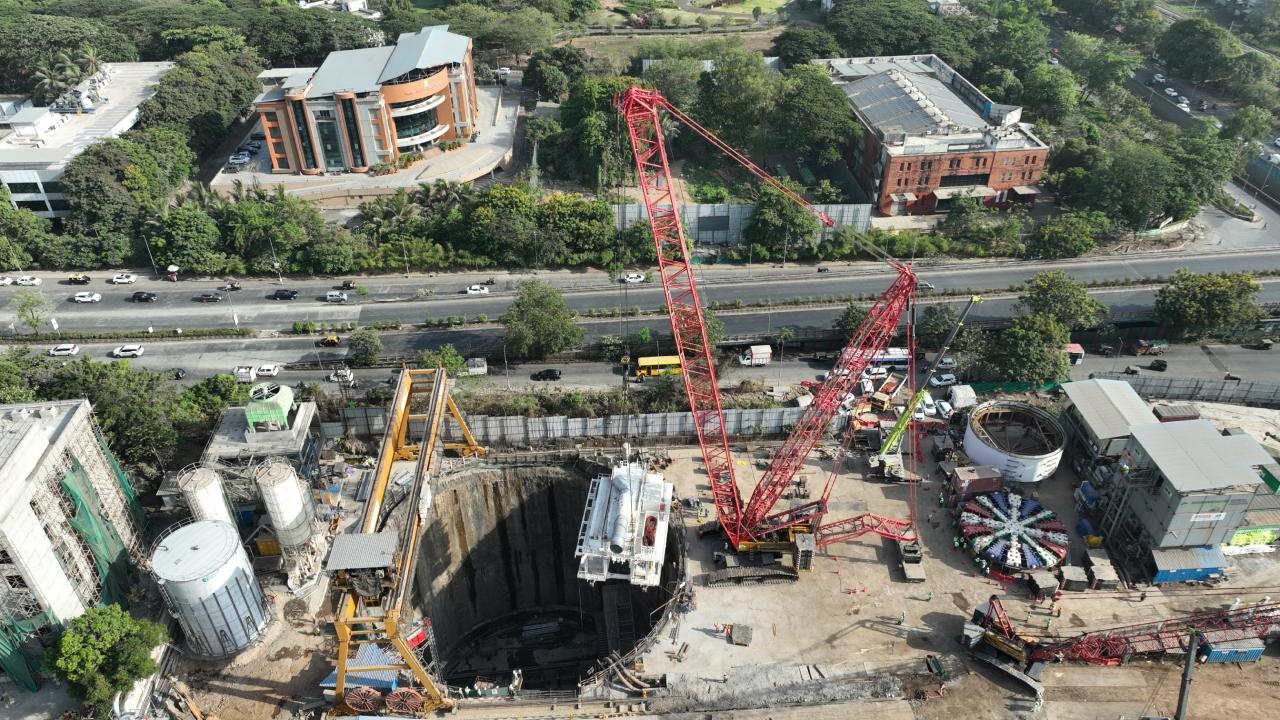
11 April,2026 05:36 PM IST | Mumbai | Aishwarya IyerThe assembly of the second Tunnel Boring Machine (TBM) for the Mumbai-Ahmedabad Bullet Train project has begun at Sawli near Ghansoli, marking a key milestone in the construction of the high-speed rail corridor, officials said on Saturday. They said that the TBM is being assembled at a depth of 39 metres below ground level. Once completed, the machine will begin tunnelling from Sawli towards Vikhroli, forming an important underground stretch of the project. Massive gantry lowered into shaft An official statement said that a major component of the TBM, a gantry weighing around 190 metric tonnes, has been successfully lowered into the shaft. The structure measures approximately 18 metres in length, 10 metres in width and 9 metres in height. In total, four gantries will be installed in each TBM. These will be attached to the main shield assembly and cutterhead. Critical role of gantries in tunnel construction The gantries will move along the entire excavated tunnel length along with the TBM. They play a crucial role in supporting operations such as excavation, waterproofing and the installation of tunnel lining segments. Complex assembly due to space constraints The assembly process at the Sawli shaft is particularly challenging due to limited space. Engineers are carrying out the work with careful planning and precision to ensure safety and efficiency. The initial drive of the TBM is expected to commence in July 2026.
11 April,2026 05:13 PM IST | Mumbai | Rajendra B. AklekarWith GPS tracking, CCTVs and fee controls, Maharashtra government has announced plans to introduce stricter and more comprehensive regulations to improve the safety, transparency and accountability of school transport. Maharashtra Transport Minister Pratap Sarnaik said that the proposed rules aim to prioritise the safety of school children across the state. The draft notification, proposes the implementation of the Maharashtra Motor Vehicles (School Bus Regulation) (First Amendment) Rules, 2026. Citizens have been invited to submit objections and suggestions within 15 days of the notification, an official statement said on Saturday. Clear rules on school bus fees Under the proposed rules, school bus fares will be fixed by the Regional Transport Authority. Schools and operators will only be allowed to charge monthly fees. Collecting lump-sum advance payments will not be permitted, providing financial relief to parents. Every school will be required to form a School Transport Committee. This committee will address complaints related to fees, safety and service quality. It will also be mandatory for the committee to submit quarterly reports. Mandatory use of modern safety technology All school buses and vans must be fitted with GPS-based Vehicle Location Tracking Devices (VLTD) and panic buttons. In addition, fire detection and alarm systems (FDAS), CCTV cameras and seat belts for all seats will be compulsory, the statement said. A digital safety monitoring system will be required in every vehicle. This system will allow live tracking, digital attendance, automated alerts and direct communication with parents. It will also be integrated with a state-level monitoring platform, it said. Focus on student supervision Daily attendance of students, including boarding and drop-off times, must be recorded. For pre-primary and primary students (up to Class 5), a women attendant or authorised staff member must be present during every journey, the statement further said. The rules include provisions for children with disabilities or special needs. This includes trained staff, accessible transport arrangements and, where necessary, the presence of parents or teachers. Strict verification of staff All drivers, conductors and staff must undergo background checks and provide medical fitness certificates. Proper appointment records must be maintained and made available for inspection, the official statement said. It said that all school vehicles must comply with the new rules within three months of implementation. Failure to do so may result in suspension or cancellation of permits. Joint inspection mechanism Regular inspections of school transport will be carried out jointly by the education and transport departments. Reports will be submitted to district-level committees. According to Pratap Sarnaik, these reforms will make school transport safer, more disciplined and technology-driven, strengthening trust among parents and students.
11 April,2026 04:35 PM IST | Mumbai | mid-day online correspondentOffice bearers of the “Aapli BEST Aaplyachsaathi” organisation on April 7 paid a courtesy visit to the Chairperson of the BEST Committee, Mrs Trishna Vishwasrao. During the meeting, detailed and constructive discussions were held on several urgent issues concerning BEST bus services and challenges faced by passengers. As per the officials, a memorandum was also submitted by the organisation, which outlined key commuter concerns in a structured manner. Following the discussion, Chairperson Vishwasrao acknowledged all the issues and conveyed a positive and receptive stance. As per the memorandum, major concerns raised included increased waiting time at bus stops, shortage of buses, disruption of bus routes, obstructions caused by unauthorised parking, and financial as well as operational challenges arising from wet-leased (contractual) buses. During the meeting, the organisation's representative, Gaurav Chinderkar, highlighted specific issues related to wet-leased buses, including frequent route disruptions due to inadequate charging infrastructure, prolonged unavailability of buses at stops, unprofessional conduct of contractual staff, poor planning by contractors, and deficiencies in vehicle maintenance. However, Chairperson Vishwasrao, in reply, stated, “The BEST is actively working towards procuring self-owned buses and that a new regulatory framework will be implemented to ensure stricter control over contractors.” Demand for extension of BEST services from Kharegaon to Retibandar A key demand raised during the meeting was the extension of bus route number A-494 from Kharegaon Retibandar to Mumbra Railway Station. BEST Chairperson Vishwasrao further assured that a separate meeting would be held with BEST transport officials to arrive at a positive resolution. Discussions on premium buses running parallel with BEST buses The issue of premium buses operated through the “Chalo” app running parallel to existing BEST routes was also raised by the organisation's president, Mr Rupesh Shelatkar. Addressing this concern, Vishwasrao further clarified that “Chalo” has been permitted to operate only premium services, and any unauthorised parallel operations on regular BEST routes will invite immediate action. Furthermore, the secretary of AAPli BEST Aaplyachsaath, Siddhesh Mhatre, also drew attention to the long-term financial risks associated with increasing contractual operations. Mhatre pointed out that BEST’s losses have escalated from approximately Rs 1,200 crore in 2020 to an estimated Rs 8,000 crore at present. He further emphasised the need for a policy review, stating that excessive reliance on contractual systems could adversely impact the financial stability of the undertaking. In light of increasing competition, Aapli BEST Aaplyachsaath also stressed the need for BEST to expand its service network and provide more reliable, efficient, and commuter-friendly services. Following the discussions, there was a shared expectation that concrete decisions would be taken in the near future.
11 April,2026 02:22 PM IST | Mumbai | mid-day online correspondentADVERTISEMENT