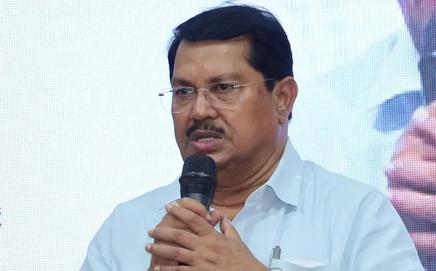
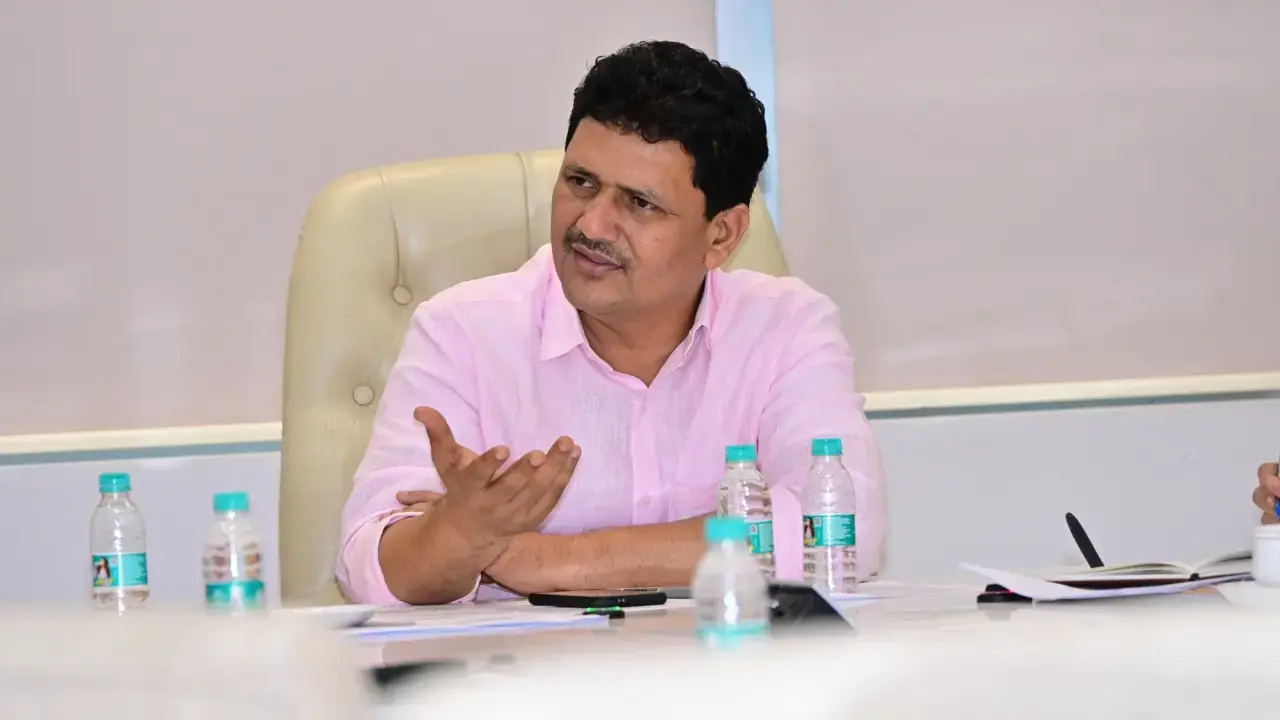
Congress Legislative Party leader Vijay Wadettiwar on Monday alleged that the Mahayuti government is biased, claiming that funds allocated in the budget have been given exclusively to Members of Legislative Assembly (MLAs) from the ruling alliance while the opposition legislators have been left out, news agency IANS reported. Participating in a discussion on the departmental budget in the state assembly, Wadettiwar said that while funds had been provided for roadworks in the constituencies of ruling party MLAs, opposition legislators had received nothing. “Is this what ‘Sabka Saath, Sabka Vikas’ looks like?” he asked. Maharashtra Budget Session 2026: Wadettiwar alleges bias in road repairs Wadettiwar said that roads in the constituencies of ruling MLAs are being improved, but the moment those constituencies end the roads become dilapidated, forcing people to navigate pothole-ridden stretches. He demanded that opposition MLAs should not be excluded from the allocation of funds and should receive their due share. He further said that roads across the state are in poor condition and contractors have not been paid their previous dues. With Rs 62,000 crore in outstanding bills, contractors have warned of launching a strike from April 6. Wadettiwar also raised concerns over an alleged Rs 250 crore QR code scam in Chhatrapati Sambhajinagar. He claimed that contractors siphoned off crores of rupees using QR codes without carrying out any actual work. “Are the ministers even paying attention to this?” he questioned. Congress legislator alleges tribal funds diverted, institutions neglected Highlighting what he described as the dire state of the tribal development department, Wadettiwar alleged that tribal funds are being diverted to the ‘Ladki Bahin’ scheme. “Tribal children did not receive funds for uniforms for an entire year, and orders were placed only at the end of March. Out of the Rs 4,349 crore allocated for social security and welfare in the Tribal Development Department, a staggering Rs 3,416 crore has been diverted to the ‘Ladki Bahin’ scheme. Depriving tribal children of facilities to implement other schemes is an act of injustice,” he said. Wadettiwar accused the government of strangling educational institutions due to political animosity, reported IANS. He cited the example of action taken against Nitesh Karale’s Phoenix Career Development Academy, alleging that the institution was investigated and shut down simply because Karale had campaigned against a tribal minister’s daughter in local body elections. “Action is being taken against well-functioning institutions out of sheer political revenge, which is harming students. Is this a democracy or a dictatorship?” he asked. He also condemned the practice of making students clean toilets in tribal hostels, calling it “extremely shameful” and demanding action against the management. Vijay Wadettiwar slams BJP for reneging on 2014 Vidarbha promise Wadettiwar further criticised the BJP for going back on its 2014 promise of creating a separate Vidarbha state. He noted that the government plans to spend Rs 1,000 crore on a new Vidhan Bhavan in Nagpur. He argued that if the project is expected to be completed by 2028, it suggests the government has no intention of creating a separate Vidarbha. According to him, this goes against former Prime Minister Atal Bihari Vajpayee’s vision of “smaller states” and amounts to a betrayal of the people of Vidarbha. Wadettiwar also said that wages in Maharashtra’s cement industry are significantly lower compared to Karnataka and Madhya Pradesh, leading to the exploitation of workers. Referring to preparations for the Kumbh Mela, he alleged that substandard work has been detected in several projects, reported IANS. He took a swipe at the government, claiming that while the Divisional Commissioner is attempting to take action, ministers are shielding the engineers responsible. (With IANS inputs)
16 March,2026 10:27 PM IST | Mumbai | mid-day online correspondentA domestic dispute turned fatal in Malwani after a man allegedly attacked his wife with a kitchen knife, leading to her death and injuring two of her relatives who tried to intervene. The incident occurred during the late hours of March 15 at around 10.30 pm in the Malwani Gate No. 7 area, New Collector Compound, in Malad West. According to the police, the accused, identified as Mohd Sabir Ansari (44), allegedly arrived at his wife’s parental home and began arguing with family members. During the altercation, he allegedly assaulted them and asked his wife, Afsana Ansari, to return home with him. Police officials, while briefing about the incident, said that when Afsana refused and reportedly told him that he did not provide money to run the household, the argument escalated. In a fit of rage, the accused allegedly picked up a kitchen knife and attacked her. When Afsana’s brother, Faim Ahmed Abdul Rahim Ansari (40), and niece Sabina tried to rescue her, the accused allegedly stabbed them as well, injuring them in the back and knee, respectively. Hearing the commotion, relatives and local residents rushed to the spot and took the injured to Shatabdi Hospital, where they were admitted for treatment. During treatment, doctors declared Afsana Ansari dead. Case registered under various sections of BNS Police from Malwani Police Station registered a case against the accused under several sections of the Bharatiya Nyaya Sanhita, including charges related to murder, attempt to murder, assault and criminal intimidation, along with relevant provisions of the Maharashtra Police Act. Senior Police Inspector Shailendra Nagarkar confirmed that the case has been registered and the accused is in police custody while investigators probe the circumstances that led to the fatal attack. Officials further highlighted that the accused has been arrested, and further investigation is underway.
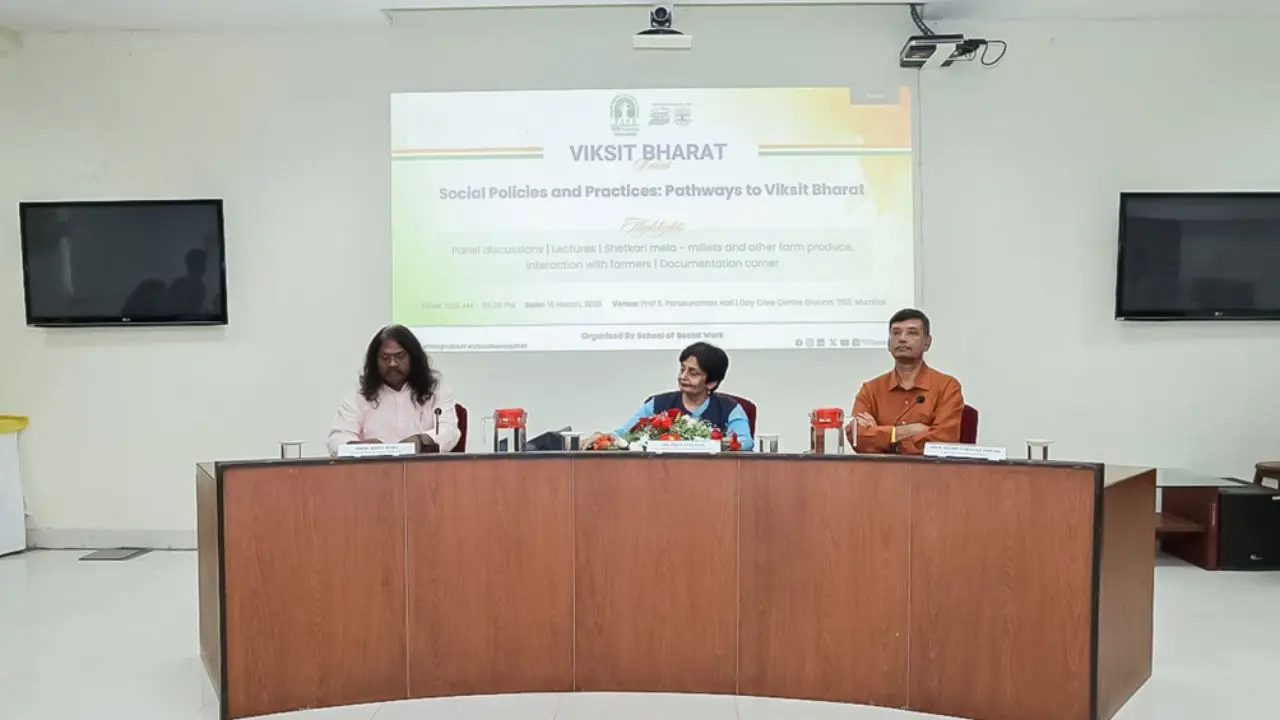
16 March,2026 09:27 PM IST | Mumbai | Samiullah KhanThe School of Social Work at Tata Institute of Social Sciences (TISS) organised a day-long programme under the Viksit Bharat Series on Sunday, focusing on the theme “Social Policies and Practices: Pathways to Viksit Bharat.” The event brought together policymakers, academics, social workers, farmers, and students to discuss inclusive development strategies for India’s future. The programme featured panel discussions, expert lectures, a Shetkari Mela showcasing millets and farm products, farmer interactions, and a documentation corner highlighting grassroots initiatives. Millets Mela Inaugural session highlights policy–practice link The inaugural session was chaired by Bipin Jojo, Dean of Social Work at TISS, who welcomed participants and explained the vision behind the Viksit Bharat Series. He noted that the initiative aims to create a platform within the institute to examine pressing social issues and explore pathways for development through policy dialogue. Vice-Chancellor Badri Narayan Tiwari emphasised the importance of bridging the gap between policy formulation and ground-level practice, stressing that policies must evolve from lived experiences and real-world challenges. Prof Badri Narayan Tiwari, Vice Chancellor, TISS Delivering the keynote address, Preeti Sudan, former chairperson of the Union Public Service Commission, spoke about the vision of Viksit Bharat 2047. She highlighted the need for policies that integrate life-cycle approaches—covering childhood, adolescence, and youth—and system-level frameworks that strengthen governance and institutions. Sudan also pointed to emerging challenges such as demographic transition, fragile education-to-employment pathways, rising youth unemployment, and intersectional inequalities linked to gender, caste, and rural location. She stressed that youth should be treated as active agents in development rather than passive beneficiaries, advocating participatory policymaking and dialogue-driven implementation. Preeti Sudan, IAS (Retd) and former Chairperson, UPSC Panel examines youth and children’s policy challenges The second session focused on “Issues and Challenges of Youth and Children and Implications for Policy.” The panel discussion was facilitated by Vijay Raghavan from the School of Social Work. Panellists included Roshni Nuggehalli, executive director of Youth for Unity and Voluntary Action (YUVA), Amita Bhide from the School of Habitat Studies at TISS, social worker Santosh Shinde, and Ankit Rathod of Pratham. Speakers discussed the impact of demographic shifts, youth unemployment, and structural vulnerabilities on young people. Nuggehalli highlighted the need to connect policy with practice through life-cycle and systemic approaches. Bhide noted that many policies focus heavily on skill development while overlooking the dignity of labour, calling for stronger links between education and employment through accessible internships and grassroots opportunities. Shinde stressed that achieving a developed India requires prioritising children’s welfare, pointing to concerns about child exploitation and limited budget allocations for child protection. Rathod emphasised the need for an integrated system combining education, skill development, apprenticeships, and certification, along with continued support for youth transitioning into the workforce. Shetkari mela celebrates farmers and sustainable agriculture The third session featured a Shetkari Mela organised by the School of Social Work, bringing together farmers, students, faculty, and partner organisations. Shetkari Mela showcasing millets and farm products Farmers associated with the Pragati Field Action Project of TISS and the NGO Srushtidnyan showcased indigenous seeds, millets, kitchen gardens, and sustainable farming practices through stalls and discussions. The event created an interactive space for participants to engage with farmers’ experiences and learn about ecological knowledge that supports resilient food systems and rural livelihoods. Discussion on women-led development The fourth session focused on “Women-led Development for Viksit Bharat.” It was facilitated by Trupti Javeri Panchal, who traced the evolution of gender policies from Women in Development (WID) to Gender and Development (GAD), emphasising that women today must be recognised as leaders driving social transformation. Panellists included Pramila Sudhakarbabu Marupuri, Divya Taneja, Sweety Pathak of Society for Nutrition, Education and Health Action (SNEHA), and Yogendra Ghorpade from Towards, Advocacy, Networking and Development Action (TANDA). Discussions addressed issues such as gaps in the criminal justice system affecting vulnerable women, domestic violence, trafficking, and the lack of livelihood opportunities for women in prisons. The panel also highlighted the historical marginalisation of De-notified Tribes, calling for better recognition, stronger legal protections, and improved access to health, education, and identity documentation. Speakers also discussed support systems for survivors of violence, including special police cells and One Stop Centres, and emphasised community-based approaches to improving maternal and child health in urban slums. Call for participatory policymaking The concluding session was facilitated by Shewli Kumar and Sohini Sengupta, who emphasised that policymaking must recognise social diversity and local realities. They argued that effective policies should emerge through bottom-up, participatory processes, incorporating voices from communities rather than relying solely on top-down approaches. Speakers also highlighted the need for stronger infrastructure, especially in areas such as maternal health, and greater engagement between policymakers and the public. The discussions concluded with a consensus that inclusive, participatory, and context-sensitive policies are essential to achieving the vision of a Viksit Bharat by 2047.
16 March,2026 08:39 PM IST | Mum | mid-day online correspondentChief Minister (CM) Devendra Fadnavis, while addressing the Maharashtra Legislative Assembly, stated that the proposed Freedom of Religion Bill is not against any particular religion but aims to prevent forced or fraudulent religious conversions and ensure social harmony. The Maharashtra government on Friday introduced the Maharashtra Freedom of Religion Bill (Dharma Swatantrya Adhiniyam), 2026, aimed at strengthening provisions against forced or fraudulent religious conversions. The Bill, tabled last week in the Assembly, was taken up for discussion on Monday. “The Bill is not against any one particular religion. It applies to all. It is for protecting people from forceful conversion and not to prevent anyone from practising the religion of their choice, if it is done willingly,” Fadnavis added. Appealing to members of the state legislature to approve the Bill aimed at strengthening law and order and prohibiting forceful conversions, the CM stated that Maharashtra is not the first state to bring such a law. He said around 13 states in India have introduced similar laws, of which 12 have already implemented them. “Tamil Nadu had passed such a law earlier, but it was not implemented,” Fadnavis mentioned. The CM, while describing the intention and content of the proposed Bill, maintained that the Constitution guarantees freedom of religion, but that freedom does not include conversion through force, fraud, misrepresentation, or inducement. “The Supreme Court has also recognised the power of states to regulate such conversions,” Fadnavis added. What does the draft say Illegal conversions through allurement, deception, pressure, or involving minors will be treated as offences under the proposed law. If a marriage is carried out for illegal conversion, the court can declare it null and void. However, children born from such marriages will have the right to property and maintenance from their parents. “For children born from such marriages will be given the religion of their mother,” Fadnavis added. Who can file a complaint The victim, their mother, father, brother, sister, or any blood relative can file a complaint in such cases. Even if no complaint is filed, the police can take suo motu action if they find that an illegal conversion has taken place. Punishment Under the proposed law, a person found guilty of illegal conversion can face up to seven years of imprisonment and a fine of Rs 1 lakh. In cases involving Scheduled Castes or Scheduled Tribes, the punishment can be up to 10 years in prison and a fine of Rs 5 lakh. If the offence is committed by a group, the punishment can be up to seven years of imprisonment and a fine of Rs 5 lakh. More punishment for a repeat offender A repeat offender can face up to 10 years of imprisonment. Action against organisations If any organisation is found involved in illegal conversions, the government will have the authority to take action against that organisation.
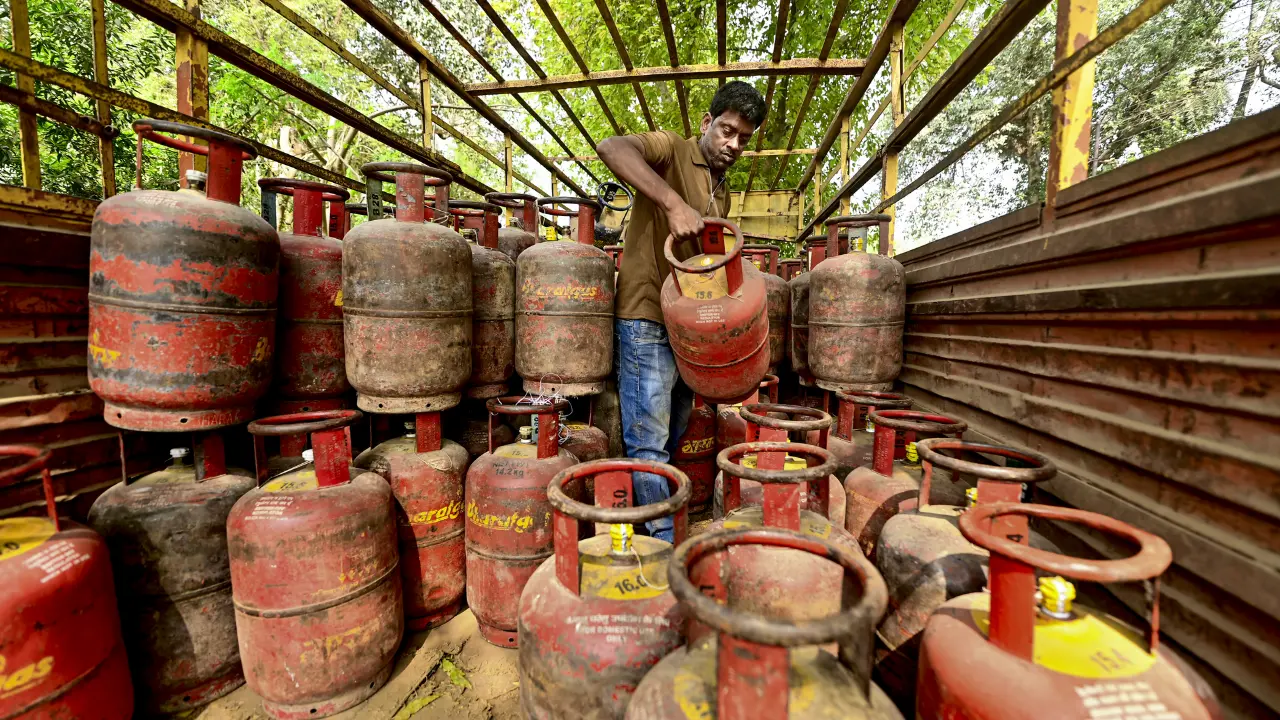
16 March,2026 07:12 PM IST | Mumbai | Sanjeev ShivadekarFollowing the liquefied petroleum gas (LPG) crisis triggered by the Iran–United States (US) war, Maharashtra Food and Civil Supplies Minister Chhagan Bhujbal on Monday informed the legislative council that authorities have seized 1,208 cylinders during a crackdown on illegal activities across the state. According to statistics shared by the minister, 23 cases have been registered, and goods worth Rs 33.66 lakh have been confiscated. The police have also arrested 18 people in connection with the cases so far. Bhujbal was replying to queries raised by members of the Maharashtra Legislative Council over people standing in long queues for hours, allegations of black marketing of cylinders, and reports of several hotels, citizens, and educational institutions facing shortages or being forced to shut their eateries due to the non-availability of gas cylinders. Maharashtra LPG Shortage: Committees formed to probe irregularities, says minister The minister further stated that the issue is related to the Government of India and that the Centre has already clarified that adequate stocks are available. He appealed to citizens not to panic, avoid standing in long queues and refrain from encouraging black marketing. The minister also informed the House that district collectors and superintendents of police have been asked to form committees and conduct inquiries into complaints of irregularities in gas distribution.
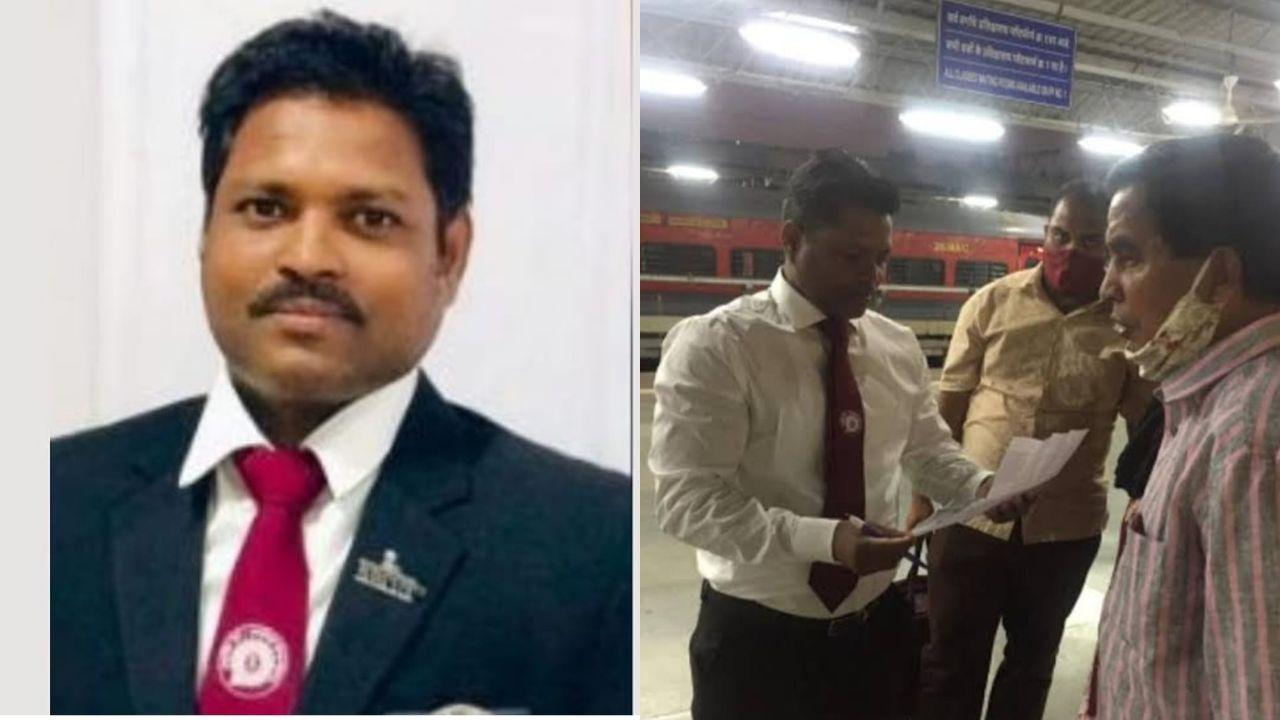
16 March,2026 06:48 PM IST | Mumbai | Sanjeev ShivadekarA Travelling Ticket Inspector (TTI) of Central Railway has crossed the Rs 1 crore mark in ticket-checking earnings for the financial year 2025-26, becoming the first official in the Mumbai Division to achieve the milestone. Mohammed Shams Chand, a TTI from the Open Detail Batch in the Mumbai Division, recorded ticket-checking earnings of Rs 1,00,38,505 after detecting 11,483 cases between April 1, 2025 and March 15, 2026, Central Railway said on Sunday. Railway officials said his performance has helped curb ticketless travel and prevented significant revenue loss to the national transporter. The achievement has also set a benchmark within the ticket-checking fraternity. Meanwhile, Central Railway has urged passengers to travel only with valid tickets purchased through authorised vendors, station booking counters, Automatic Ticket Vending Machines (ATVMs), or the official website of Indian Railway Catering and Tourism Corporation (IRCTC). Passengers can also book tickets using the Rail One mobile application. Reiterating its zero-tolerance policy towards ticketless travel, the railway administration said it remains committed to ensuring a safe, comfortable and dignified journey for passengers. Central Railway cracks down on ticketless travel Central Railway has intensified its drive against ticketless and unauthorised travel, recovering more than Rs 227 crore in penalties from nearly 38 lakh offenders during the financial year 2025–26 (April 2025 to February 2026), according to an official statement issued on Wednesday. Railway officials said the crackdown is part of ongoing efforts to ensure a safe, smooth and comfortable travel experience for passengers while discouraging violations across its network. During the period from April 2025 to February 2026, Central Railway’s ticket checking teams apprehended 37.99 lakh passengers travelling without valid tickets or with improper travel authority. This represents an increase of nearly 10 per cent compared to the 34.60 lakh passengers caught during the corresponding period of the previous financial year. In terms of penalties, the railway recovered a record Rs 227.03 crore, compared to Rs 185.62 crore during the same period last year, marking a rise of more than 22 per cent. February 2026 also records sharp rise in penalties Central Railway said the enforcement drives also saw significant results in February 2026, when 3.65 lakh passengers were caught travelling without valid tickets. The figure is higher than the 3.32 lakh offenders detected in February 2025, indicating an increase of nearly 10 per cent. During the month, ticket checking teams collected Rs 23.27 crore in penalties, up from Rs 18 crore in February last year, reflecting a rise of nearly 30 per cent.
16 March,2026 06:22 PM IST | Mumbai | A CorrespondentLeaders of the Bharatiya Janata Party (BJP) on Monday alleged serious mismanagement and lack of transparency by the City and Industrial Development Corporation (CIDCO) in handling water supply projects in Navi Mumbai and surrounding areas, reported the PTI. The issue was raised during a debate in the Maharashtra Legislative Assembly, where legislators highlighted the impact of water shortages on thousands of residents. BJP MLA Prashant Thakur said many residential societies in Navi Mumbai, Panvel, and Uran were facing chronic water shortages. He alleged that CIDCO’s figures on incremental water supply were misleading and claimed that residents were forced to rely heavily on private water tankers, spending crores of rupees annually, according to the PTI. Thakur also pointed to alleged inconsistencies in official data related to reservoir capacities and pipeline infrastructure, and called for the creation of a state-level authority to coordinate water distribution among CIDCO, municipal corporations and local panchayats. More allegations over project delays Another BJP MLA, Mahesh Baldi, supported the claims and said delays in automation projects and poor reservoir management were worsening the water crisis, the news agency reported. He urged the government to ensure that planned supply schemes are implemented without further delay. Govt responds to allegations Responding to the concerns, Minister of State for Urban Development Madhuri Misal defended the actions of CIDCO. She said several short-term measures were being implemented, including the use of surplus water from reservoirs in Navi Mumbai and the diversion of allocations from the Jawaharlal Nehru Port Trust (JNPT) pipeline, as per the PTI. Long-term projects underway According to the PTI, Misal said that the long-term projects, including the Savase-Vang water supply scheme, were currently being implemented to address the issue. She also informed the House that a tender has been issued for the full automation of the water supply system, with the project expected to be completed by December 2026, the news agency reported. The minister further said that a meeting chaired by the Chief Minister Devendra Fadnavis would be held before the end of the current session to resolve water management issues in the region. (with PTI inputs)
16 March,2026 04:09 PM IST | Mumbai | mid-day online correspondentEfforts are underway to fast-track six cluster redevelopment projects of the Maharashtra Housing and Area Development Authority (MHADA) in Mumbai, state minister Shambhuraj Desai informed the council on Monday. The minister said that with amendments to redevelopment regulations aimed at streamlining approvals and attracting private developers, 10 proposals have been approved in recent months, and one No Objection Certificate (NOC) has already been issued, reported PTI. He added that six additional cluster redevelopment proposals are under active consideration, and the government is working to expedite processing and remove bottlenecks. Desai assured that NOCs issued by the government include clear timelines for project commencement and completion, and that compliance will be closely monitored. MHADA has also earmarked funds for repairs and redevelopment, with priority given to projects where developers and tenants submit comprehensive proposals eligible for fast-tracking, reported PTI. Acknowledging concerns raised by assembly members over procedural delays due to documentation, succession verification, and statutory requirements, the minister said these issues would be addressed through meetings with senior officials, developers’ associations, and tenants’ representatives before final recommendations are presented. Desai reiterated the government’s commitment to complete long-pending projects such as the Patra Chawl redevelopment, resolving resident grievances, including quality and handover issues, in consultation with stakeholders. He noted that court processes and vested interests have contributed to delays but assured that the administration stands ready to facilitate allotment and rehabilitation in line with legal and technical mandates, reported the news agency. MHADA to begin Goregaon's Patra Chawl rehabilitation flat allotment after High Court's nod The long-delayed allotment of rehabilitation flats in the Patra Chawl redevelopment project will now move forward based on the directions of the high court, the Maharashtra government informed the Legislative Assembly last week. The Bombay High Court, in March, permitted the Maharashtra Housing and Area Development Authority (MHADA) to allot rehabilitation tenements to eligible tenants of the long-delayed Patra Chawl (Siddharth Nagar) redevelopment project in Goregaon. The MHADA took over the project in 2018. Govt suspects ‘foul play’ Minister Shamburaj Desai claimed that after receiving a complaint from residents about the construction issue, experts from VJTI were roped in, and as per their suggestions, the necessary repair work was carried out, spending '270 crore. “But some people are deliberately trying to delay this project.” Goregaon BJP MLA Vidya Thakur said the handing over of the flats to Patra chawl tenants has been delayed and claimed residents were not taking possession of their flats due to construction quality. Thakur urged the govt to address this issue, as some tenants are on hunger strike. Congress MLA Alsam Shaikh demanded an SIT inquiry. (With PTI inputs)
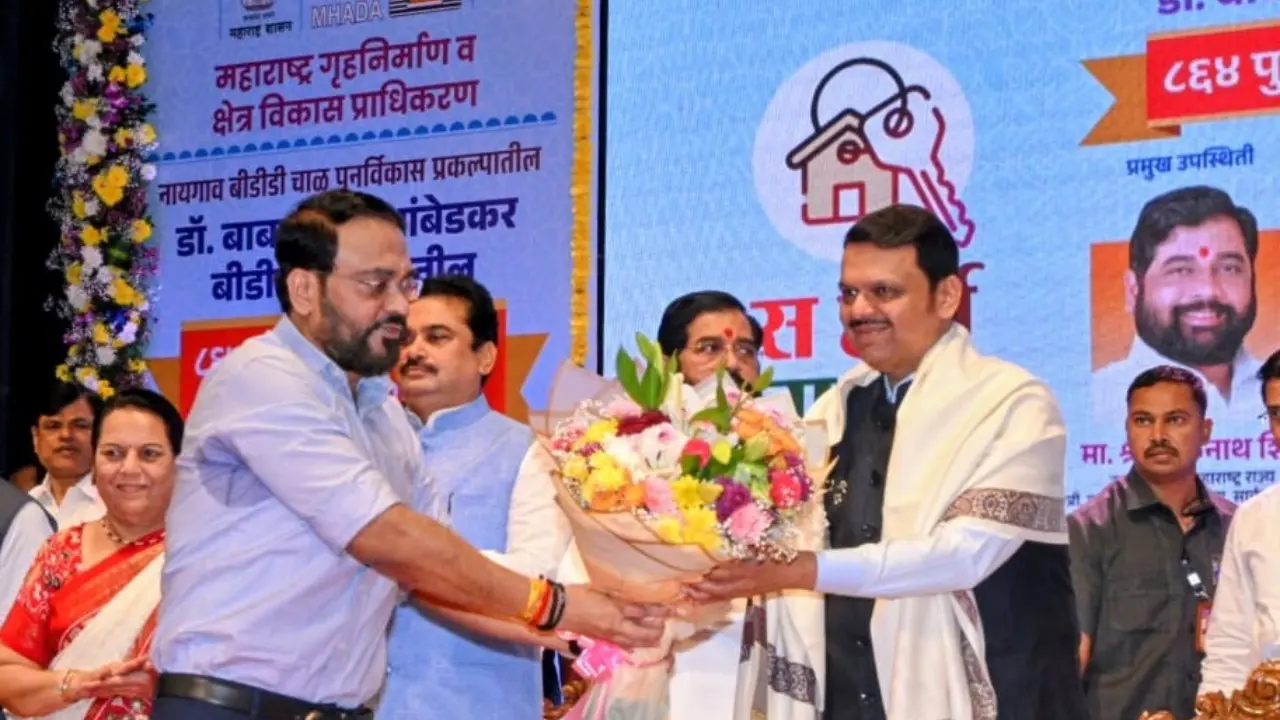
16 March,2026 02:50 PM IST | Mumbai | mid-day online correspondentMaharashtra CM Devendra Fadnavis on Monday handed over the keys to 864 homes in Naigaon to their owners under the BDD Chawl Redevelopment Project, officials said. The event was organised by the Maharashtra Housing and Area Development Authority (MHADA) for the distribution of rehabilitation flats to residents under the project in Mumbai. The housing units are part of the Dr Babasaheb Ambedkar BDD Complex, where former chawl residents are being relocated to newly constructed buildings, an official statement said. The event was attended by Devendra Fadnavis, Eknath Shinde, Ajit Pawar, Deputy Chairperson Neelam Gorhe, Housing Minister Mangal Prabhat Lodha, local MLA Kalidas Kolambkar, Assembly Speaker Rahul Narwekar, and Ritu Tawde, Mayor of Mumbai, the statement said. Leaders addressed residents during the ceremony, highlighting the progress of the long-pending redevelopment project. Four-decade-old issue addressed Speaking at the event, CM Fadnavis said the BDD Chawl redevelopment project had remained pending for nearly four decades. He said the state government decided to take the initiative through MHADA, rather than relying only on private developers, in order to ensure that the project moves forward in a planned and organised manner. Despite several challenges, the redevelopment work has progressed steadily, he added. Project being completed in phases Officials said the redevelopment project is being carried out in multiple phases. The first phase involved distribution of flats in Worli, while the second phase covers the Naigaon complex, where the latest set of apartments has been handed over to residents, the statement said. The Chief Minister stated that the government aims to complete the entire BDD Chawl redevelopment project and hand over homes to all residents by 2029. Government focus on housing CM Fadnavis also noted that redevelopment projects are currently being carried out across around 1,000 acres in Mumbai. He said the state government remains committed to fulfilling the dream of home ownership for middle-class families in the city. He also assured residents that the parking challenges caused by limited space will be addressed through proper planning. Residents moving to modern towers Speaking at the event, Deputy Chief Minister Eknath Shinde said residents who once lived in chawls will now move into modern residential towers. Shinde also said residents would be able to move into their new homes by Gudi Padwa, and assured them that MHADA will bear the building maintenance costs for 12 years.
16 March,2026 02:45 PM IST | Mumbai | mid-day online correspondentMaharashtra Health Minister Prakash Abitkar on Monday warned of strict action, including filing FIRs, against hospitals found charging patients under state-run cashless health schemes, emphasising that beneficiaries should not pay “a single rupee” for treatment. According to PTI, while addressing the state assembly during the ongoing Maharashtra Budget Session 2026, Abitkar said the government had examined nearly 368 complaints of hospitals demanding payments from patients covered under the schemes and has recovered penalties of Rs 60 lakh so far. Several hospitals were reportedly asking patients for additional money despite treatments being covered under the Mahatma Jyotiba Phule Jan Arogya and Pradhan Mantri Jan Arogya (Ayushman Bharat) schemes. 12 hospitals delisted “Treatment under these schemes is meant to be completely free and cashless. Any violation will invite strict action,” Abitkar said, noting that 12 hospitals have already been delisted for breaching scheme provisions. He added that the integration of the state scheme with the Centre’s Ayushman Bharat programme has expanded treatment coverage from 1,356 ailments to around 2,300, with higher package rates, reported the news agency. Beneficiaries can now avail treatments up to Rs 5 lakh. AI monitoring deployed The minister highlighted the use of artificial intelligence-based monitoring to track complaints and detect suspicious activity by empanelled hospitals, enhancing transparency and curbing irregularities. He also informed the House that district-level committees, headed by guardian ministers and comprising MLAs and officials, have been set up to monitor the schemes every three months. Abitkar urged legislators to actively oversee hospitals in their constituencies and report any violations, reported PTI. Repeated violators may face FIRs, says Health Minister “If even a single complaint is received, action will be taken immediately,” he stressed, adding that FIRs may be filed against hospitals that repeatedly flout the rules, the news agency reported. Abitkar reiterated that these health schemes aim to ensure quality medical access for the poor and common citizens, and the government will not tolerate exploitation of beneficiaries. Maharashtra to form committee against bogus doctors, illegal nursing homes in state The Maharashtra government on Monday announced plans to form a committee to monitor bogus doctors and unauthorised nursing homes in the state. The panel will identify individuals practising medicine without proper qualifications and clinics operating without the required permissions. The government has also stated it plans to amend the existing law to increase penalties for such violations, including stricter fines and longer jail terms for fake doctors and illegally operating hospitals. (With PTI inputs)
16 March,2026 01:50 PM IST | Mumbai | mid-day online correspondentMaharashtra government on Monday announced plans to form a committee to monitor bogus doctors and unauthorised nursing homes in the state. The panel will identify individuals practising medicine without proper qualifications and clinics operating without the required permissions. The government has also stated it plans to amend the existing law to increase penalties for such violations, including stricter fines and longer jail terms for fake doctors and illegally operating hospitals. Lack of checks on bogus docs Members of the State Legislative Council raised concerns about the lack of checks on bogus doctors and nursing homes in Mumbai and other parts of Maharashtra. They demanded stern action and strict punishment for erring doctors and hospitals. Government announces committee Replying on behalf of Eknath Shinde, who holds the Urban Development portfolio, Minister Uday Samant informed the State Legislative Council that the government has decided to form a committee to address this issue. Samant further stated that the committee will inspect all clinics, hospitals, and complaints, and submit a report to the State Legislative Council before the next session, expected to commence in June during the monsoon session. Members of the committee The committee will be headed by the Additional Chief Secretary, Urban Development. Other members will include the Health Secretary, Inspector General of Police, Director of Health, and senior officials from the respective municipal corporation or council. Stringent law proposed As members noted that bogus doctors and illegal clinics currently operate without fear of the law, Minister Uday Samant said there is a need to amend the act to make penalties and punishments more stringent. He added that he will consult the Health Minister and Medical Education Minister to implement the necessary changes in the existing rules.
16 March,2026 01:26 PM IST | Mumbai | Sanjeev ShivadekarADVERTISEMENT