











The Rapid Action for Wildlife Rescue (RAWW) helpline received a distress call from the household. Rescuers Ritik Jaiswal and Atharva Bhosle immediately rushed to the location and successfully rescued the young snake without incident
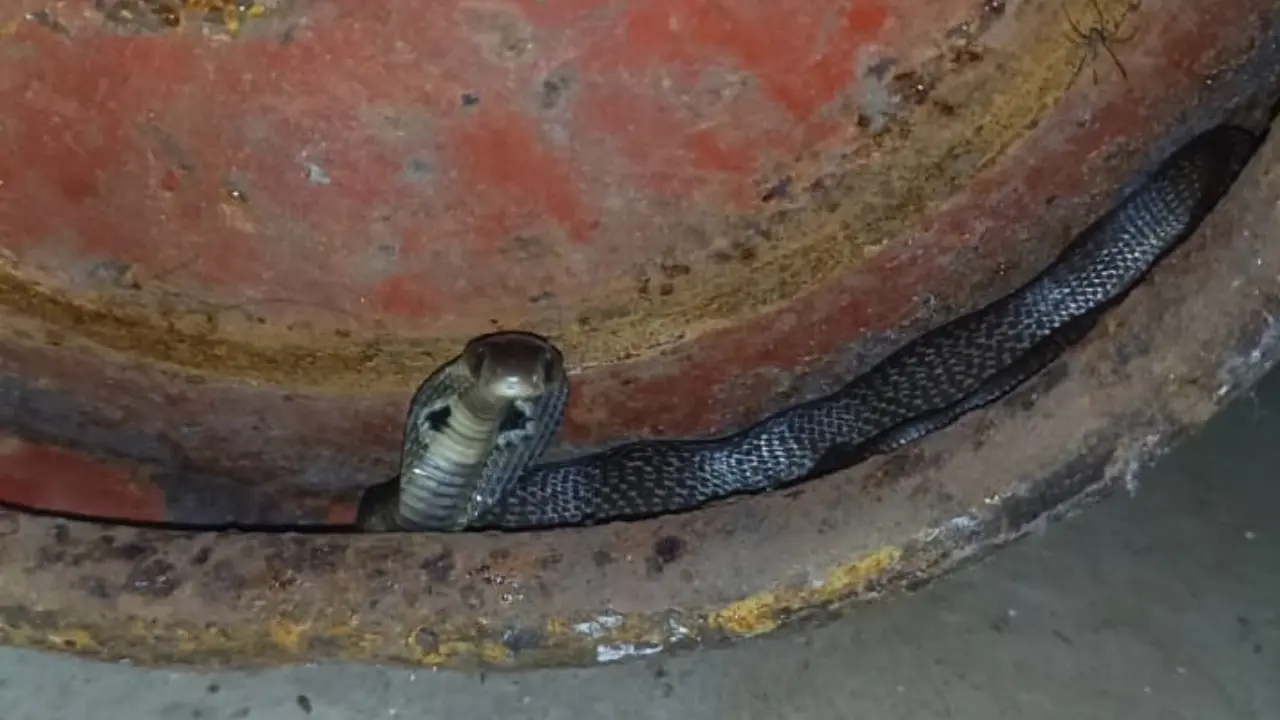
Pic/RAWW
A baby spectacled cobra hiding beneath a gas cylinder was safely rescued from a residence in Mulund West on Tuesday, following a prompt response by wildlife rescuers.
The Resqink Association for Wildlife Welfare (RAWW) helpline received a distress call from the household. Rescuers Ritik Jaiswal and Atharva Bhosle immediately rushed to the location and successfully rescued the young snake without incident. The cobra was later examined by wildlife veterinarian Dr. Rina Dev and subsequently released into the wild in coordination with the Maharashtra Forest Department.
Following the rescue, RAWW volunteers educated the residents about basic dos and don’ts when encountering snakes in urban areas.
“People need to be alert and aware—particularly those living on the ground floors or near forested areas like Sanjay Gandhi National Park (SGNP), Aarey, and mangroves,” said Pawan Sharma, President of RAWW. “In such situations, it’s important not to panic or attempt to handle the animal. Instead, contact the Forest Department at 1926 or local wildlife rescue organizations for assistance.”
Sharma further explained that during the monsoon, snakes and other reptiles often get displaced due to flooding, tidal changes, and waterlogging. Urban drainage systems can also act as temporary habitats for these creatures, increasing the chances of human-snake encounters.
Safety Guidelines for Snake Sightings:
Precautionary Dos:
- Maintain a safe distance and keep visual track of the snake’s location.
- Immediately call the police control room, Forest Department’s 24x7 helpline (1926), the fire brigade, or a registered wildlife rescue NGO.
- Remain calm and wait for trained help to arrive.
Critical Don’ts:
- Do not attempt to approach, touch, poke, or throw objects at the snake.
- Avoid taking photographs or videos from close proximity.
- Do not try to identify or examine the snake yourself—only trained professionals can safely distinguish between venomous and non-venomous species.
 Subscribe today by clicking the link and stay updated with the latest news!" Click here!


