In an unfortunate incident on MG Road in Goregaon West earlier on March 22, a 76-year-old senior citizen was hit by a speeding vehicle at around 6:40 pm. While the 76-year-old senior citizen is battling for his life after a hit-and-run incident, the case has triggered outrage among residents and the local community. As per reports, the impact after the hit-and-run incident left Chopra with severe head injuries and heavy bleeding. Sources said that the scooter rider fled the scene without offering any assistance, allegedly passing by a nearby hospital instead of stopping to help the injured man. The delay in immediate medical attention is believed to have worsened his condition. Victim Babulal Chopra was later rushed by his family to Kokilaben Dhirubhai Ambani Hospital, where he remains in critical condition. Doctors are reportedly struggling to stabilise him due to the severity of the head trauma and excessive blood loss. Incident sparks outrage among residents The incident has sparked anger among residents and members of the Jain community, who have demanded swift action against the accused. Whereas the family members of the victim have appealed to the public and authorities to help identify the scooter rider responsible for the accident. Residents living near MG Road have been urged to check CCTV footage from the time of the incident to assist in tracing the suspect.
26 March,2026 10:02 PM IST | Mumbai | Samiullah KhanIn a major step to strengthen urban development across Mumbai, the Mumbai Metropolitan Region Development Authority, along with the Urban Development Department of Maharashtra, signed a Memorandum of Understanding (MoU) with the Government of Moscow on Thursday. The agreement, signed in Mumbai on the occasion of Rama Navami, aims to enhance cooperation across key sectors, including urban infrastructure, innovation, tourism, healthcare, cultural exchange, and skill development. The MoU was formalised by Dr Sanjay Mukherjee, Metropolitan Commissioner of MMRDA, and Sergey Cheremin, Minister of the Moscow Government, in the presence of Ivan Fetisov, Consul General of the Russian Federation in Mumbai. CM Fadnavis praises MMRDA’s collaboration with Government of Moscow While expressing his view on the global collaboration, Chief Minister Devendra Fadnavis termed the partnership a reflection of Maharashtra’s growing global engagement. Fadnavis said, “This strategic partnership with the Government of Moscow reflects Maharashtra’s growing global engagement and reinforces our commitment to building world-class, future-ready cities. Mumbai is not just India’s financial capital but a global growth engine, and such collaborations will accelerate our vision of transforming the Mumbai Metropolitan Region into a leading international economic hub driven by sustainable infrastructure, innovation, and investment.” Deputy Chief Minister and MMRDA Chairman Eknath Shinde further highlighted, “This MoU marks an important step in strengthening Mumbai’s urban transformation journey. By leveraging global expertise in urban mobility, infrastructure planning, and sustainable development, we are ensuring that the benefits of growth reach every section of society. Our focus remains on delivering efficient, accessible, and future-ready infrastructure that improves the quality of life for citizens across the Mumbai Metropolitan Region.” On the other hand, the officials from MMRDA said that the partnership would bring global best practices in urban planning, digital governance, and infrastructure financing to the Mumbai Metropolitan Region (MMR), further strengthening its position as a globally competitive economic hub. Under the agreement, both sides will focus on areas such as smart city development, integrated transport systems, museum and heritage management, tourism, healthcare, and capacity building. Agreement valid for 10 years The agreement, signed in Mumbai, will remain valid for a period of ten years and is based on principles of equality, mutual benefit, and shared progress, without any immediate financial obligations on the participating parties. Officials said that the agreement marks a significant milestone in MMRDA’s global outreach strategy and is expected to accelerate Mumbai’s transformation into a world-class metropolitan region with sustainable and inclusive growth.
26 March,2026 09:42 PM IST | Mumbai | mid-day online correspondentIn a significant push towards sustainable development, the Directorate of Technical Education (DTE) on Thursday signed a Memorandum of Understanding (MoU) with Mahatma Phule Renewable Energy and Infrastructure Technology Limited (MAHAPREIT) to promote the use of green energy across technical education institutions in the state. Through this agreement, emphasis will be placed on reducing energy consumption and carbon footprint on educational premises by using solar energy, smart grid technology, energy management systems, energy storage, and energy-efficient technologies. As per the official statement, under this initiative, solar power plants will be set up on the roofs of the buildings of engineering colleges, pharmacy colleges, technical colleges and other government institutions under the Directorate of Technical Education and on available open spaces. Project to be executed without putting any financial burden on the state government These projects will be implemented through MAHAPREIT through the RESCO (Renewable Energy Service Company) model, and there will be no financial burden on the state government for this. MAHAPREIT further mentioned that they will undertake the necessary surveys, technical studies, preparation of the detailed project report (DPR) and implementation of the projects. The Directorate of Technical Education will provide information to the concerned institutions and coordinate and assist in obtaining necessary administrative clearances. Additionally, both organisations will also work jointly to develop technical courses in the field of solar energy and other renewable technologies, promote skill development, and set up a state-of-the-art NABL-accredited testing laboratory. The agreement may turn out to be an important step towards reducing the use of conventional energy and increasing the use of environmentally friendly energy in line with the green energy policies of the central and state governments. This initiative will promote energy conservation, environmental conservation and sustainable development in technical education institutions in the state.
26 March,2026 08:04 PM IST | Mumbai | Aditi AlurkarCentral Railway’s Mumbai Division on Thursday announced the ‘Train Mahotsav’ celebration of the Deccan Queen Express at Chhatrapati Shivaji Maharaj Terminus (CSMT). As per the official statement from the Central Railway, the celebrations will take place on Friday, March 27. Event highlights Festivities will begin one hour before departure at 05:10 pm from CSMT. The train will be adorned with floral decorations, symbolising its grandeur. Furthermore, audio-visual presentations will showcase the rich history of the Deccan Queen, India’s first superfast and electrically hauled train since 1930. Upgradation works Central Railway also highlighted that the Deccan Queen has undergone significant refurbishment to enhance passenger comfort and preserve its heritage charm in view of ‘Train Mahotsav’. They further highlighted a few changes made on the train to facilitate the passengers: Dining car refurbished with heritage aesthetics, renovated furniture, a ceiling, and flooring for a premium onboard dining experience. Lavatories fitted with vinyl, Duro wipe mats, soap and tissue dispensers for improved hygiene. AC coach seats upgraded with seat covers; vinyl provided in doorway areas. Roof and panel boards redesigned with vibrant themes. Air fragrance dispensers installed. Deccan Queen The prestigious Deccan Queen was India’s first deluxe train, introduced on June 1, 1930, and connected Mumbai and Pune. It pioneered several firsts: India’s first superfast train, first long-distance electric-hauled passenger train, and one of the first vestibule trains. Heritage significance of Deccan Queen While highlighting the heritage significance of the train, Central Railway also said, “It is a train that has bound generations of loyal passengers. With its vibrant history and continuous modernisation, it remains a symbol of Central Railway’s commitment to blending tradition with innovation.” Initially, the train was introduced with 2 rakes of 7 coaches each one of which was painted in silver with scarlet mouldings and the other with royal blue with gold lines. The under frames of the coaches of the original rakes were built in England while the coach bodies were built in the Matunga Workshop of the GIP Railway. The Deccan Queen, initially, had only first class and second-class accommodation. First class was abolished on 1st January 1949 and second class was redesigned as first class, which continued up to June 1955 when third class was introduced on this train for the first time. This was later re-designated as second class from April 1974 onwards. The coaches of the original rakes were replaced in 1966 by anti-telescopic steel bodied integral coaches built by Integral Coach Factory, Perambur.
26 March,2026 07:26 PM IST | Mumbai | mid-day online correspondentThe Brihanmumbai Municipal Corporation (BMC) has intensified its crackdown on property tax defaulters, carrying out attachment action on multiple properties in the Kamala Mills area to recover pending dues exceeding Rs 14.22 crore. The action was taken against properties owned by Ramesh Ghamandiram Govani and M/s Gaurav Investment during a joint operation conducted by the Assessment and Collection Department along with the G South Ward. As part of the enforcement drive, officials attached seven units, including an office, parking area, internet centre, and a Tata Power substation. The civic body also disconnected the water supply to the premises as part of the punitive measures. Civic Body Steps Up Recovery Drive Ahead of Deadline The operation was conducted under the guidance of Additional Municipal Commissioner Ashwini Joshi and led by senior officials from the Assessment and Collection Department. Civic authorities stated that the action forms part of a larger initiative to accelerate the recovery of pending property tax dues before the financial year-end deadline of March 31, 2026. In addition to the principal outstanding amount of Rs 14.22 crore, the defaulters also owed an additional Rs 67.25 lakh in pending dues. The civic body initiated attachment proceedings after the dues remained unpaid within the stipulated timeframe. Strict Action Warned for Non-Payment Before March 31 The municipal administration has issued a stern warning to property owners across Mumbai, stating that failure to clear property tax dues for the financial year 2025–26, along with arrears, will result in strict penal action, including attachment and seizure of properties. Ashwini Joshi urged all defaulters, as well as property owners who have not yet paid their current year taxes, to settle their dues before the March 31 deadline to avoid coercive measures. Extended Timings Announced to Facilitate Payments To ensure convenience for taxpayers, the civic body has extended the operating hours of Civic Facilitation Centres. These centres will remain open on March 26, 28, and 29 from 8:00 AM to 10:00 PM, and on March 30 and 31 from 8:00 AM to 12:00 midnight. Officials said the extended hours are aimed at enabling citizens to complete their payments on time and avoid enforcement action as the deadline approaches.
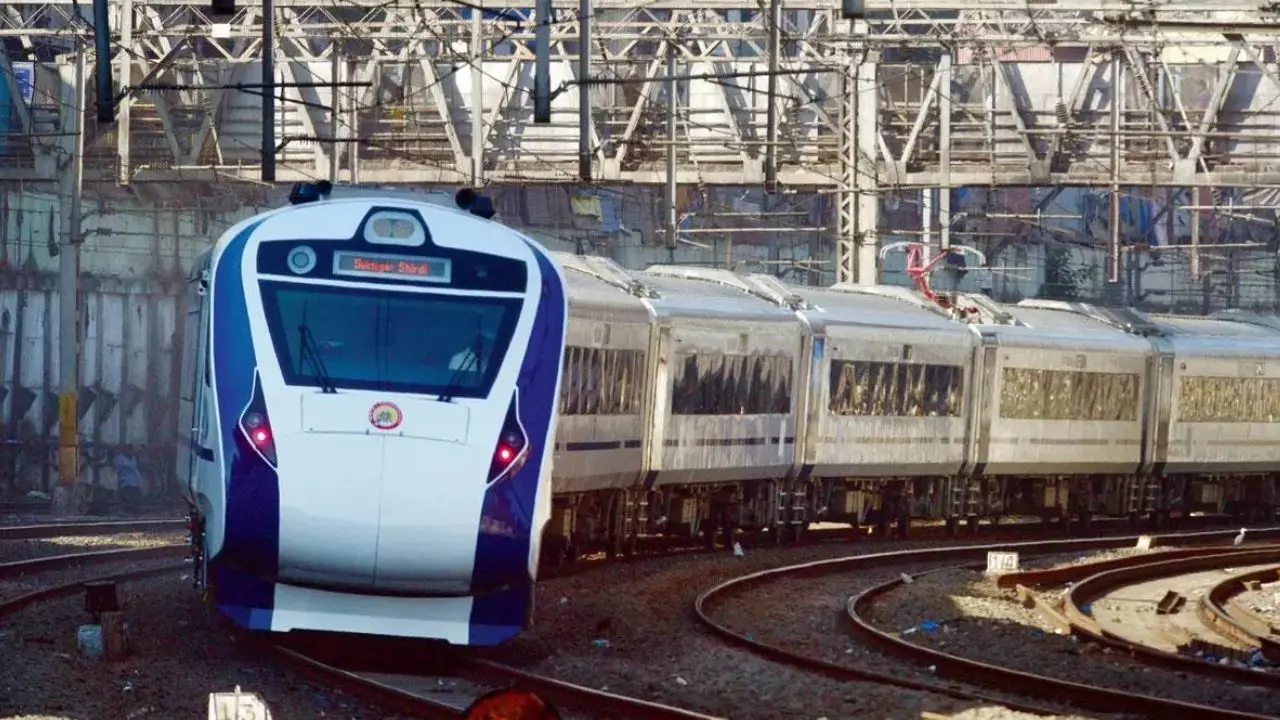
26 March,2026 07:26 PM IST | Mumbai | mid-day online correspondentTrain services on the Western Railway were severely disrupted on Thursday afternoon after an unidentified person was run over by a high-speed Vande Bharat Express in the Virar section. According to railway officials, the incident occurred between Vaitarna and Virar when the individual allegedly trespassed onto the tracks and got entangled with the fast-moving train, leading to a fatal accident. A spokesperson from Western Railway confirmed that the mishap led to significant delays and disruptions in suburban services. The spokesperson stated, “Due to a railway accident involving an individual between Vaitarna and Virar, the 3:00 pm Dahanu local train departing from Virar has been halted between Naringi and Ghaskopri in Virar. Additionally, the 3:45 pm Virar-Dahanu local train has been detained at Virar."
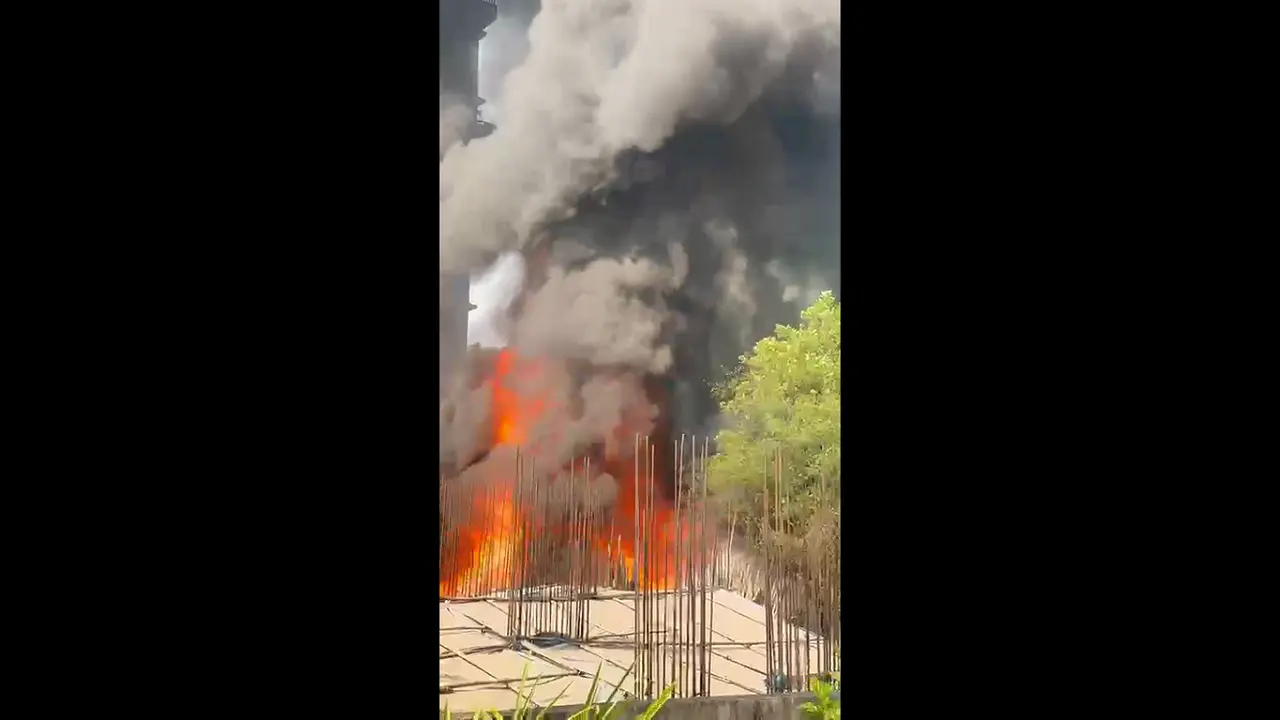
26 March,2026 06:34 PM IST | Mumbai | Rajendra B. AklekarA massive fire broke out at a bamboo godown in Ghansoli, Navi Mumbai, on Thursday, March 26, triggering panic in the surrounding area. The exact cause of the fire is yet to be ascertained. Highly Combustible Material Fuels Rapid Spread According to initial reports, the blaze spread rapidly due to the highly combustible bamboo stored inside the warehouse. At least five fire tenders were rushed to the spot, and firefighting operations are currently underway on a war footing. Nearby Residential Buildings Raise Concerns The situation remains critical as several residential buildings are located close to the godown, raising fears of the fire spreading further. Fire officials are making all-out efforts to bring the blaze under control and prevent it from affecting nearby structures. No Casualties Reported, Losses Expected Fortunately, no injuries or casualties have been reported so far. However, the godown is believed to have been completely gutted, and significant material losses are expected. Authorities Continue Close Monitoring Authorities are closely monitoring the situation as firefighting efforts continue.
26 March,2026 05:06 PM IST | Navi Mumbai | mid-day online correspondentA temple associated with arrested self-styled godman Ashok Kharat received more than Rs 1 crore in government funding under a Maharashtra tourism scheme in 2018, according to official records, reported news agency PTI. The development comes amid an ongoing investigation into serious criminal allegations against Kharat, including rape charges filed earlier this month. Funds Approved Under Tourism Development Scheme As per official documents, administrative approval of Rs 1.05 crore was granted on March 31, 2018, for development works at the Shri Ishanyeshwar Devasthan temple in Sinnar, Nashik district, reported PTI. The funds were sanctioned under a regional tourism development scheme by the state’s tourism and cultural affairs department, which was then headed by Jaykumar Rawal. Out of the total sanctioned amount, Rs 25 lakh was released during the 2017–18 financial year. Infrastructure Development at Temple Site The approved works included construction of a hall, installation of paving blocks, separate toilet facilities for men and women, changing rooms, parking space, accommodation for visitors, landscaping, and electrification, reported PTI. Officials said the work was executed through the Public Works Department as part of standard infrastructure development, reported PTI. Part of Larger Statewide Development Plan The allocation was part of a broader government decision to approve projects worth around Rs 112 crore for the development of 58 religious sites and tourist locations across multiple districts in Maharashtra. Around Rs 17 crore was released to executing agencies, including the Public Works Department and local administrative bodies, during that financial year. Sources said the temple received the highest allocation among four projects from Nashik district under the scheme, reported PTI. No Allegations at Time of Sanction Officials clarified that funding for religious and tourism sites is a routine annual process and that there were no allegations against Kharat when the funds were approved in 2018, reported PTI. They added that such decisions are based on development needs and tourism potential. Multi-Agency Probe into Criminal and Financial Links Kharat was arrested on March 18 after a 35-year-old woman accused him of repeated sexual assault over three years. A Special Investigation Team led by Tejaswi Satpute is probing the case. Officials said at least six criminal cases have been registered so far. Investigators have reportedly found around 100 objectionable videos and assets worth approximately Rs 1,500 crore linked to Kharat. Authorities said the Income Tax Department is examining financial records and property holdings, while cyber police are analysing digital evidence, reported PTI. The investigation is being monitored by Maharashtra Director General of Police Sadanand Date along with senior officials. (With inputs from PTI)
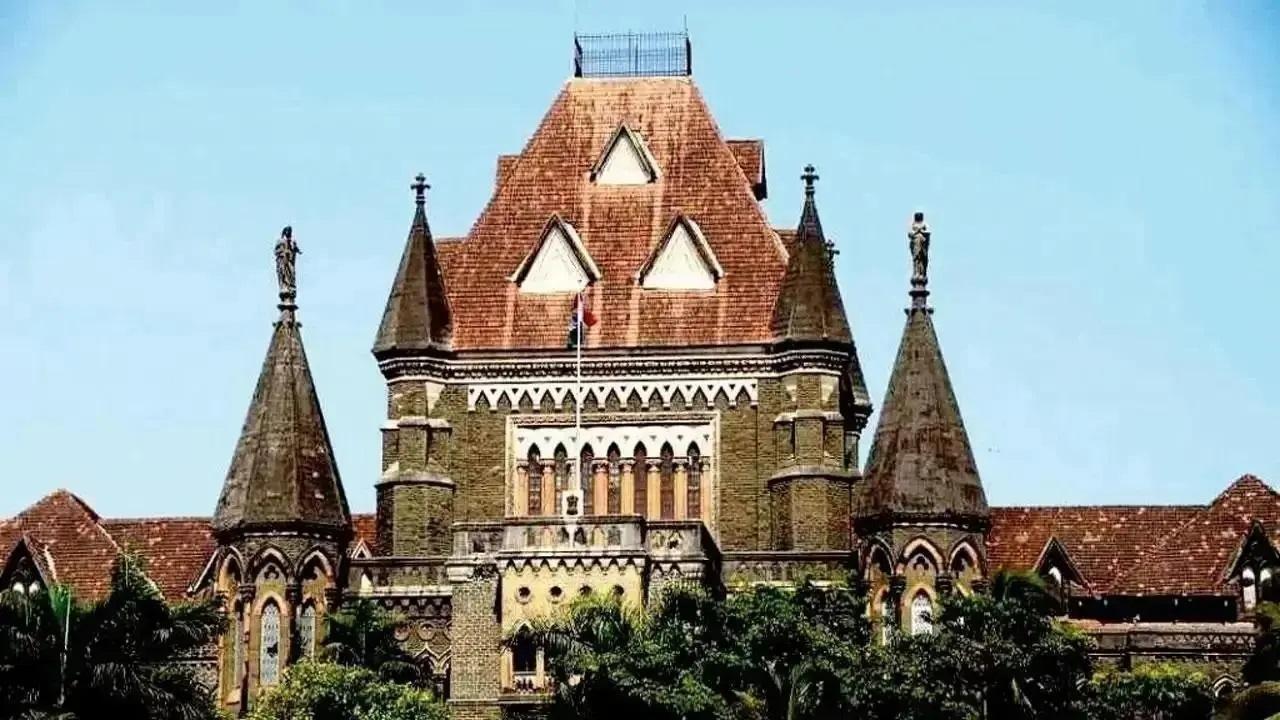
26 March,2026 04:57 PM IST | Mumbai | mid-day online correspondentThe Bombay High Court has advised railway authorities to introduce public safety announcements on all long-distance trains, similar to those used in modern services like Vande Bharat Express, to enhance passenger awareness and prevent accidents, reported news agency PTI. The court also cautioned passengers against attempting to board or alight from moving trains, stressing that such actions pose serious risks to life. Court Recommends Systematic Announcements for Passenger Safety In its ruling, a bench led by Justice Jitendra Jain observed that unlike suburban trains, long-distance trains often lack clear announcements or display boards indicating stations where they will not halt, reported PTI. The court noted that many passengers use long-distance trains for short journeys between nearby stations, making it essential for them to be informed about halting patterns, reported PTI. It suggested that introducing regular onboard announcements specifying upcoming stops and non-stop stations could significantly reduce confusion and accidents. No Fault if Passengers Unaware of Non-Halting Stations The court emphasised that when no prior information is provided about non-halting stations, passengers cannot be entirely blamed for attempting to disembark, reported PTI. It observed that in such situations, passengers may act under confusion or urgency, especially when they realise the train will not stop at their intended destination. However, the bench reiterated that passengers should avoid taking risks and instead wait for the next station, even if it involves paying a penalty. Compensation Awarded in Decade-Old Injury Case The court passed the observations while hearing a plea filed by Rohidas Kumavat, who had challenged an earlier order of the Railway Claims Tribunal denying him compensation, reported PTI. Kumavat sustained injuries nearly a decade ago while attempting to get down from a moving train near Jalgaon station. Overturning the tribunal’s decision, the High Court held that the incident could not be termed as a self-inflicted injury and awarded him compensation of Rs 80,000, reported PTI. Tribunal Order Set Aside, Passenger Declared Bona Fide The bench noted that Kumavat was a legitimate passenger who had boarded the train believing it would halt at Jalgaon, a significant railway station in Maharashtra, reported PTI. When the train did not stop, he attempted to get down in panic, resulting in injuries to his head and legs. The court observed that such reactions are natural and do not indicate intent to cause self-harm. Call for Better Infrastructure and Awareness Highlighting broader safety concerns, the court stressed that improved communication systems, including announcements and display boards, are essential for passenger safety on long-distance routes, reported PTI. It directed railway authorities to consider implementing such systems across trains to minimise accidents caused by lack of information. The compensation awarded to Kumavat is to be paid by railway authorities within 12 weeks, the court ordered. (With inputs from PTI)
26 March,2026 04:35 PM IST | Mumbai | mid-day online correspondentThe Central Bureau of Investigation (CBI) on thursday reportedly conducted searches in Mumbai in connection with the Anil Ambani-Reliance Telecom SBI fraud case, reported the IANS. The CBI has registered a case against Reliance Telecom Ltd and its former directors, Satish Seth and Gautam B Doshi, in connection with an alleged bank fraud of Rs 114.98 crore involving the State Bank of India (SBI). The case also names unknown public servants and others, based on a complaint filed by the SBI. Officials said the agency has invoked charges of criminal conspiracy and cheating under the Indian Penal Code, along with provisions of the Prevention of Corruption Act, 1988, related to alleged misuse of official position, according to the IANS. Loan from consortium of banks According to investigators, SBI was part of a consortium of 11 banks that had sanctioned a total term loan of Rs 735 crore to Reliance Telecom. The complaint alleges that the accused caused financial losses to the bank through fraudulent actions linked to this loan, as per the IANS. Searches conducted in Mumbai Following the registration of the case, the CBI carried out searches at multiple locations in Mumbai. These included the residences of Seth and Doshi, as well as the company’s registered office, the news agency reported. Officials confirmed that documents related to loan transactions and financial dealings have been seized during the raids. Probe underway The agency is now examining banking records, internal approvals, and correspondence connected to the loan disbursal. Further action will depend on findings from the ongoing probe, with searches still continuing, reported the IANS. Linked developments involving According to the IANS, the case comes amid broader investigations into alleged financial irregularities involving companies linked to the Reliance Group. Earlier this month, the CBI questioned Anil Ambani for several hours in a separate case related to an alleged Rs 2,929 crore fraud involving Reliance Communications. Officials said that case involves alleged misuse of loan funds and violations of lending norms. Anil Ambani has been asked to join the investigation again, while other executives have also been examined, the news agency reported. (with IANS inputs)
26 March,2026 04:11 PM IST | Mumbai | mid-day online correspondentA 42-year-old businessman was killed in a tragic hit-and-run incident after a speeding car allegedly driven by a minor rammed into his bicycle in Maharashtra’s Thane district, police said on Thursday, reported news agency PTI. The accused, a 17-year-old boy, fled the scene after the accident but was later traced and detained by authorities. Fatal Accident on Incomplete Kalyan Ring Road Stretch The incident took place around 8 pm on Tuesday on an unfinished stretch of the Kalyan Ring Road, which locals say has become prone to reckless driving due to lack of regulation, reported PTI. The victim, Srinivas Tandle, who owned multiple garment stores, had reportedly taken up cycling for fitness on the same day. According to police, while he was riding along the stretch, a car approached at high speed, swerved suddenly, and struck him with force, throwing him into the air, reported PTI. Victim Declared Dead at Hospital Following the collision, the driver fled the scene, leaving the victim severely injured. Passersby rushed Tandle to a nearby hospital, where doctors declared him dead on arrival. Police described the impact as severe, indicating that the vehicle was being driven at excessive speed at the time of the crash. Juvenile Traced Through CCTV Footage Investigators relied on CCTV footage from the area to identify the vehicle involved in the incident. The damaged car was later located in a residential parking area in Kalyan, reported PTI. The teenager believed to be driving the vehicle was subsequently detained by police. An FIR has been registered against the juvenile under relevant provisions of the Bharatiya Nyaya Sanhita and the Motor Vehicles Act for rash and negligent driving. Locals Raise Safety Concerns Over Road Conditions Residents of the area have expressed strong anger over the incident, highlighting the dangers posed by the incomplete Barave–Vadavali stretch of the Kalyan Ring Road, reported PTI. According to locals, the poorly maintained and unfinished road has increasingly become a hotspot for speeding and dangerous stunts by motorists. They also pointed out that a similar accident on February 21 left a 50-year-old man seriously injured, raising concerns about repeated safety lapses. Demand for Immediate Safety Measures In the wake of the latest fatality, residents have demanded urgent intervention from authorities, including the installation of barricades and strict monitoring to prevent reckless driving. They have also called for the swift completion of pending roadwork to ensure safer commuting conditions and prevent further loss of life. Police said further investigation is underway, and appropriate legal action will be taken based on findings in the case. (With inputs from PTI)
26 March,2026 03:48 PM IST | Thane | mid-day online correspondentADVERTISEMENT