Following a series of honey bee attacks near the Ajanta Caves, the forest department has urged visitors to take precautions and avoid actions that may attract bees, reported the PTI. Issuing an advisory for the visitors, the officials suggested that the tourists should avoid using strong perfumes and making noise during their visits. A recent inspection in Chhatrapati Sambhajinagar district in Maharashtra covered caves 1 to 26 within the complex. Officials identified three honeycombs—one near Cave 26 and two near Cave 10. Authorities have informed the Archaeological Survey of India and requested steps to control the growth of the combs and safely relocate the bees, according to the PTI. Precautionary guidelines for visitors In light of recent incidents, tourists have been advised to - - Avoid using strong perfumes or fragrances - Refrain from making loud noises near the caves - Follow safety instructions displayed on-site Officials said that the banners highlighting these precautions will be installed shortly. Awareness campaign planned The forest department plans to launch an awareness campaign to educate visitors about safety measures. It will also issue directives to the ASI to ensure coordinated action in preventing further incidents, according to the PTI. The Ajanta Caves, known for their ancient rock-cut architecture and paintings, were designated a UNESCO World Heritage Site in 1983 and remain a major tourist attraction in India. Bee swarm attack kills umpire during cricket match Last month, a 65-year-old umpire in Unnao, Uttar Pradesh, had reportedly died, while several players were injured after a swarm of bees attacked them during a cricket match, police had said. A top office-bearer of the Kanpur Cricket Association, which organised the game, confirmed the incident that took place at Sapru Maidan in the Shuklaganj area, according to the PTI. The police officials had earlier stated that Manik Gupta from Kanpur was officiating as the umpire of the cricket match. Soon after the match started, a swarm of bees suddenly attacked the players and officials present on the ground. The sudden outbreak of bees into the ground triggered panic. While there was chaos on the ground, players and spectators ran for cover to save themselves. (with PTI inputs)
24 March,2026 03:01 PM IST | Chhatrapati Sambhajinagar | mid-day online correspondentIndian Railways has revised its rules for the cancellation of confirmed tickets to check misuse of the booking system by touts who indulge in black marketing. The new rules also give more flexibility to passengers for last-minute changes in boarding stations. The revised rules fix refunds for cancellation of tickets on the basis of time left for the departure of the train and also allow for a change in the boarding stations to give more flexibility to passengers. The revised rules will come into effect in phases between April 1 and April 15, 2026. Under the revised system, passengers cancelling tickets more than 72 hours before departure will receive the maximum refund, with only a flat cancellation charge per passenger. For cancellations made between 72 hours and 24 hours, 25 per cent of the fare will be deducted, subject to the minimum charge. The penalty increases for late cancellations. If a ticket is cancelled between 24 hours and 8 hours before departure, 50 per cent of the fare will be deducted, subject to the minimum charge. For cancellations made less than 8 hours before departure, no refund will be permitted. “According to an assessment of ticketing patterns, touts would book extra tickets and cancel unsold ones before train departure times, gaining significant booking amounts back as refunds,” Railways Minister Ashwini Vaishnaw said. He added that the decision to tighten the norms for refunds is expected to curb cornering of tickets by touts. Indian Railways has also allowed passengers to change their boarding station up to 30 minutes before the scheduled departure of the train. The change is expected to help passengers in cities with multiple stations, where they can choose to board from a station of their convenience. The provision is expected to be useful in big cities with multiple stations, where passengers can opt to board from any of those stations, Railway Ministry said. At present, the change of boarding point is allowed only before the preparation of the chart. This story has been sourced from a third party syndicated feed, agencies. Mid-day accepts no responsibility or liability for its dependability, trustworthiness, reliability and data of the text. Mid-day management/mid-day.com reserves the sole right to alter, delete or remove (without notice) the content in its absolute discretion for any reason whatsoever.
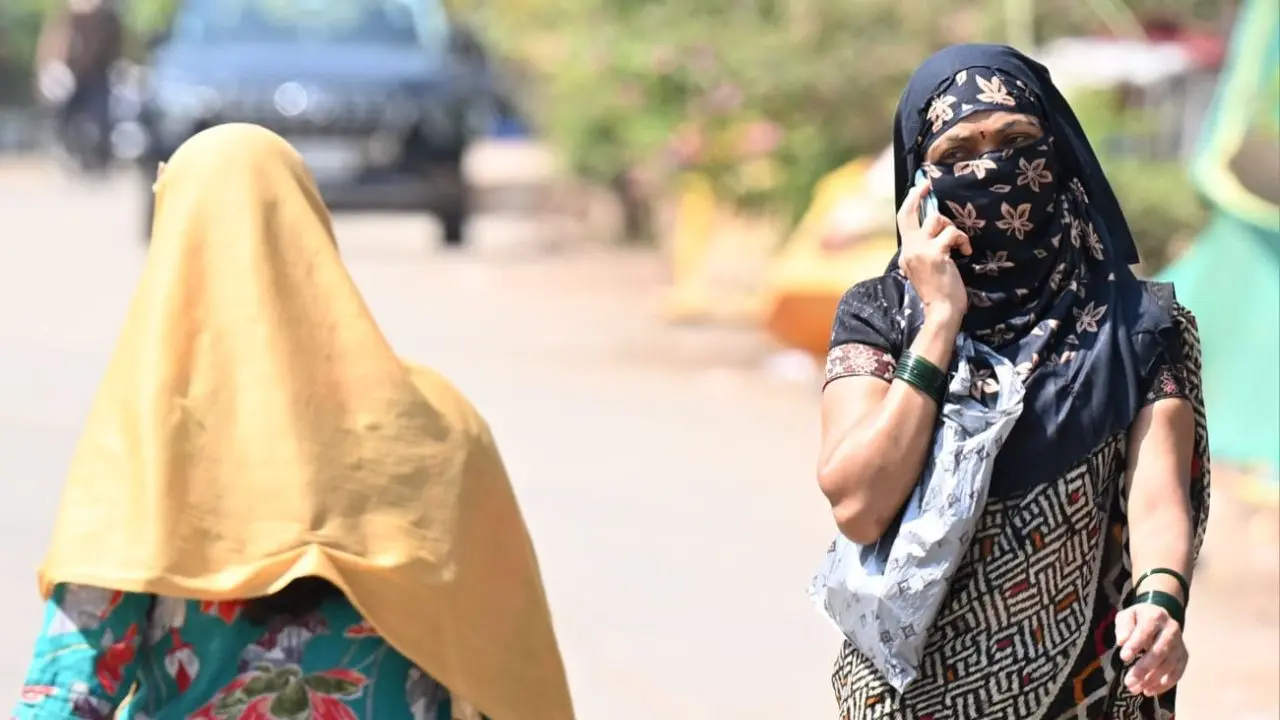
24 March,2026 02:54 PM IST | New Delhi [India] | IANSMaharashtra has been recently experiencing unstable weather, with the India Meteorological Department (IMD) predicting light to heavy rainfall and thundershowers across several districts in state, even as some areas grapple with extreme heat and humidity on Tuesday. The IMD issued a yellow alert for Thane, Mumbai, and Raigad, forecasting hot and humid conditions in isolated pockets. However, districts including Dhule, Nandurbar, Jalgaon, Nasik, Pune, Satara, Sangli, and Hingoli have been issued rain alerts, with light downpour and thundershowers likely. In Marathwada and South Madhya Maharashtra, the IMD has warned of thunderstorms accompanied by lightning, moderate rainfall, and gusty winds reaching 40-50 kmph in isolated areas. Yellow alerts for rainfall have also been issued for Dharashiv, Latur, Nanded, and Solapur, effective today and tomorrow. The Regional Meteorological Centre, Mumbai, confirmed that isolated thunderstorms with lightning, light to moderate rain, and winds of 40-50 kmph are likely in these districts, as shared on X. Thunderstorm accompanied with lightning, light to moderate rain, gusty winds speed 40-50 kmph very likely to occur at isolated places in the districts of South Madhya Maharashtra and Marathwada. — Regional Meteorological Center,Mumbai (@RMC_Mumbai) March 24, 2026 Rising heat sweeps the state Alongside rainfall, temperatures remain unusually high. Jalgaon and Solapur recorded the state’s highest temperatures at 37.6 degrees Celsius, followed by Jeur at 37.5 degrees Celsius and Satara at 37.2 degrees Celsius. In the Mumbai Metropolitan Region, Santacruz hit 36.5 degrees Celsius, while Colaba recorded 34.9 degrees Celsius. Coastal towns like Alibag and Ratnagiri remained relatively moderate at 32.9 degrees Celsius and 33.7 degrees Celsius, respectively. Interior cities are also feeling the heat, with Nashik at 36.3 degrees Celsius, Aurangabad 36.0 degrees Celsius, and Kolhapur 36.3 degrees Celsius. Harnaí recorded a sharp departure from normal, standing 7.3 degrees Celsius above average, making it one of the state’s unusually warm locations. Coastal humidity remains high, interiors stay dry Humidity levels are high along the coast, with Dahanu at 69 per cent and Ratnagiri at 61 per cent, while interior regions like Aurangabad and Parbhani experience drier conditions at 25 per cent and 23 per cent, respectively. Overall, Maharashtra is witnessing a mix of intense heat in interiors and hot, humid conditions along the coast, underscoring the double challenge of rising temperatures and localized rain threats.
24 March,2026 02:36 PM IST | MumbaiThe Indian rupee started Tuesday’s trading at 93.66 per US dollar before slipping to 93.73, down 20 paise from Monday’s close. The local unit had hit a record low of 93.98 against the greenback in the previous session, the PTI reported. Analysts attributed the weakness to rising crude oil prices and ongoing tensions in West Asia. Why exactly is Rupee crashing? Crude oil and FII outflows weigh heavily on rupee. Rising global crude oil prices, a key concern for India as a net importer, added further pressure on the currency. The more the demand for USD, the more rupee crashes. Brent crude futures were trading at USD 103.9 per barrel. Analysts warn that sustained high oil prices may increase inflation and widen India’s import bill, negatively affecting growth projections, the news agency reported. Heavy foreign institutional investor (FII) outflows also contributed to the rupee’s weakness, with equities sold worth Rs 10,414 crore on Monday as per exchange data. Meanwhile, domestic markets showed resilience, with the Sensex rising 829 points to 73,525 and the Nifty up 234 points to 22,747 in the morning session. US-Iran talks create mixed signals The rupee’s movement followed US President Donald Trump’s announcement that the United States had held “productive conversations” with Iran and would pause planned strikes on Iranian power plants and energy infrastructure for five days. Trump claimed Iran was eager to negotiate and had additional time to reopen the Strait of Hormuz. However, Iran denied that any formal talks had taken place. Mohammad-Bagher Ghalibaf, Iran’s parliamentary speaker, called the reports “fake news,” creating uncertainty that kept crude oil prices elevated and pressured the rupee. Analysts caution on near-term trends Experts expect the rupee to trade in a weak range of 93.25–94.25 until further clarity emerges on geopolitical tensions and energy prices. Jateen Trivedi, VP Research at LKP Securities, said currency weakness is likely to persist as long as the macroeconomic backdrop remains fragile as per IANS reports. Anil Kumar Bhansali from Finrex Treasury Advisors noted that the rupee briefly recovered after Trump’s announcement but remains vulnerable due to oil price pressures and market uncertainty as per PTI. (With PTI and IANS Inputs)
24 March,2026 02:29 PM IST | Mumbai | mid-day online correspondentDelhi Chief Minister and Finance Minister Rekha Gupta on Tuesday presented the national capital’s Budget for the financial year 2026-27, announcing a total outlay of Rs 1,03,700 crore. Highlighting a vision of rapid development, Gupta described the financial plan as a “green budget” aimed at boosting infrastructure, improving civic amenities, and ensuring sustainable urban growth, reported news agency PTI. Budget Emphasises ‘Triple Engine’ Growth Model Presenting the budget in the Assembly, Gupta said Delhi is witnessing accelerated progress under a “triple engine” governance model. She stressed that the city is undergoing a transition phase and noted that past policies, particularly a reliance on subsidies, had impacted revenue growth between 2018 and 2020, reported PTI. The budget estimates tax revenues at Rs 74,000 crore, reflecting a strong fiscal outlook. Gupta also pointed out that Delhi continues to rank among the top states in terms of per capita income, placing third nationally, reported PTI. Major Allocations for Infrastructure and Urban Development A significant portion of the budget has been directed towards infrastructure development. The Public Works Department (PWD) has been allocated Rs 5,921 crore, while Rs 7,887 crore has been earmarked for urban development and housing projects, reported PTI. “Our aim is safe roads, climate corridors, and seamless connectivity,” Gupta said, outlining the government’s infrastructure priorities. Additionally, Rs 1,352 crore has been allocated for developing dust-free roads, including recarpeting 750 kilometres of roads across the city, reported PTI. Focus on Power, Connectivity and Industrial Growth The government has allocated Rs 3,942 crore to the power sector, with a specific focus on removing overhead electrical wiring. A separate Rs 200 crore provision has been made for this initiative to enhance safety and aesthetics. In a push to industrial development, Rs 160 crore has been earmarked for upgrading industrial areas, marking the first such allocation for non-conforming zones. The move is expected to boost economic activity and improve infrastructure in these regions, reported PTI. Investments in Water Supply and Civic Infrastructure Addressing water-related challenges, Gupta announced a substantial allocation of Rs 9,000 crore to the Delhi Jal Board for water supply and sewage management projects. Additionally, Rs 475 crore has been set aside for the Chandrawal water treatment plant to ensure reliable water access for residents, reported PTI. The budget also includes Rs 454 crore for the Najafgarh drain project, aimed at improving drainage and reducing flooding risks in vulnerable areas. Development Push for Key Areas and Rural Delhi The Chief Minister announced Rs 300 crore for the development of the trans-Yamuna region and Rs 787 crore for the Delhi Gram Vikas Board to strengthen rural infrastructure. Further, Rs 11,666 crore has been allocated to the Municipal Corporation of Delhi (MCD) to support civic services, reported PTI. Transport and Urban Projects Get Boost Among key transport projects, Rs 151 crore has been allocated for extending the Modi Mill flyover up to the Kalkaji and Savitri Cinema intersection, part of a larger project estimated at Rs Rs 371 crore. The government also plans to construct an integrated secretariat and residential complex for its employees, reported PTI. Strengthening Fire Safety After Recent Incidents In response to recent fire incidents, including one in Palam, Gupta announced Rs 674 crore to strengthen Delhi’s firefighting infrastructure. She highlighted challenges posed by congested and unauthorised colonies, where narrow lanes often hinder emergency response. Focus on Inclusive and Sustainable Growth Overall, the 2026-27 budget reflects a strong emphasis on infrastructure, sustainability, and improved urban living standards. With major investments across sectors such as roads, water, power, and housing, the Delhi government aims to position the capital as a modern, resilient, and future-ready city. (With inputs from PTI)
24 March,2026 02:07 PM IST | New Delhi | mid-day online correspondentA district court in Goa's Mapusa on Tuesday granted bail to Ajay Gupta, co-owner of the Birch by Romeo Lane nightclub, where a devastating fire in December last year claimed 25 lives, reported the ANI. Gupta had been arrested in New Delhi over three months ago before securing bail, his counsel confirmed. The tragic blaze occurred on December 6 at the nightclub in Goa, resulting in 25 fatalities and leaving several others injured. The incident triggered widespread outrage and prompted a detailed investigation into safety lapses. Co-owners and Allegations Gupta co-owns the establishment along with Gaurav Luthra and Saurabh Luthra. Authorities initiated criminal proceedings against the owners, citing alleged negligence and violations of mandatory fire safety norms. According to police, a fireworks event was conducted at the venue without adequate fire safety equipment. It was also alleged that the premises lacked proper emergency exits on key floors, despite organisers being aware of the risks, as per the ANI. The case According to the ANI, the Goa Police registered a case on December 7 at the Arpora-Anjuna police station in North Goa. Charges were filed under multiple sections of the Bharatiya Nyaya Sanhita (BNS), including provisions related to negligence, endangering life, and acts carried out with common intention. In January, the Goa government dismissed Roshan Redkar and Raghuvir Bagkar from service, citing “persistent negligence” in connection with the incident. The Directorate of Panchayats, relying on findings from a magisterial inquiry, stated that irregularities at the premises were either overlooked or tacitly approved during official meetings. Irregularities in club operations The inquiry report revealed that the Birch establishment initially operated from a temporary structure and was later converted into a nightclub without the necessary approvals, including a conversion sanad and sanctioned building plans, according to the ANI. The officials had earlier described the lapses as a serious breach of public trust, raising concerns over accountability among those responsible for oversight. (with ANI inputs)
24 March,2026 01:57 PM IST | Panaji | mid-day online correspondentFormer Pakistan Prime Minister Imran Khan has strongly criticised the country’s judiciary, accusing it of subjecting his wife, Bushra Bibi, to “inhumane treatment” during her imprisonment. The remarks, conveyed through his son, have intensified political tensions amid ongoing legal battles involving the former leader, reported IANS. Message from Jail Raises Serious Allegations The statement was shared by Imran Khan’s son, Kasim Khan, on social media platform X. According to Kasim, he spoke with his father on March 21, during which the jailed leader asked him to deliver a message to the public, reported IANS. In the message, Imran Khan accused members of the judiciary of compromising their integrity and acting with bias. He alleged that the courts were targeting his wife in an attempt to exert pressure on him, claiming that despite repeated legal appeals, justice had not been served. Claims of Isolation and Harsh Prison Conditions Imran Khan further alleged that Bushra Bibi has been kept in prolonged isolation, with extremely limited contact. He claimed she spends nearly all her time alone and is allowed minimal interaction, including a brief weekly meeting with him that is not always granted, reported IANS. Describing the situation as unjust and unacceptable, the former Prime Minister questioned how such treatment could be permitted, particularly towards a woman, and framed the issue as both a legal and moral concern. Imran Khan Criticises Judiciary’s Role In his remarks, Imran Khan accused the judiciary of failing in its responsibility to uphold justice. He alleged that certain judges had abandoned ethical standards and were acting under external influence or personal interests, reported IANS. He also stated that targeting family members to exert pressure was against societal and moral principles, adding that such actions undermine public trust in judicial institutions. Imran Khan and Bushra Bibi Lodged in Adiala Jail Imran Khan and Bushra Bibi have been in custody since August 2023 and are currently lodged at Adiala Jail, a high-security facility in Rawalpindi. Their detention has remained a focal point of political debate in Pakistan, with supporters alleging unfair treatment and the government denying any wrongdoing, reported IANS. Medical Concerns Add to Controversy Meanwhile, concerns over Imran Khan’s health have also surfaced. He recently underwent a medical procedure at Pakistan Institute of Medical Sciences, where he received an anti-VEGF intravitreal injection as part of treatment for an eye condition known as Central Retinal Vein Occlusion, reported IANS. Hospital authorities stated that the procedure was completed successfully and that he was stable before being shifted back to jail. PTI Demands Better Medical Access and Transparency Leaders from the Pakistan Tehreek-e-Insaf (PTI), including Information Secretary Sheikh Waqas Akram, have raised concerns about the lack of transparency in Khan’s treatment. The party has demanded that he be shifted to Shifa International Hospital for comprehensive medical evaluation and allowed access to personal physicians, reported IANS. PTI has also alleged that Khan’s family has not been adequately involved in medical decisions, a claim the government has rejected. Ongoing Political Tensions in Pakistan The developments come amid continued political friction in Pakistan, with the opposition accusing the government of targeting Imran Khan through legal and administrative measures. The government, however, maintains that all actions are being carried out within the framework of the law. (With inputs from IANS)
24 March,2026 01:39 PM IST | Islamabad | mid-day online correspondentDefence Minister Rajnath Singh on Tuesday chaired a high-level meeting to review India’s security environment and defence preparedness in light of rapidly evolving global and regional developments, particularly the ongoing conflict in West Asia, reported news agency ANI. Top military leadership participates in high-level review The crucial meeting was attended by senior defence and military officials, including Chief of Defence Staff Anil Chauhan, Chief of Air Staff Amar Preet Singh, Chief of Army Staff Upendra Dwivedi, and Chief of Naval Staff Dinesh K Tripathi, reported ANI. Also present was Defence Research and Development Organisation Chairman Samir Kamat, along with other senior officials from the defence establishment. The discussions focused on assessing India’s readiness across all three armed forces and reviewing strategic contingencies in view of the current geopolitical tensions. West Asia conflict enters fourth week, raises global concerns The review comes as the West Asia conflict enters its fourth week, significantly impacting global trade routes, particularly through the strategically vital Strait of Hormuz. The disruption has heightened concerns over energy supplies and international trade stability, reported ANI. The crisis escalated after the killing of Iran’s Supreme Leader, Ayatollah Ali Khamenei, in joint military strikes conducted by the United States and Israel on February 28. The incident triggered a sharp escalation in hostilities across the region. Retaliatory strikes disrupt energy markets and trade routes In response, Iran launched retaliatory attacks targeting Israeli and US-linked assets across several Gulf nations. These developments have led to increased instability in key maritime corridors, affecting global oil shipments and creating volatility in international energy markets. The disruption in shipping lanes, especially through the Strait of Hormuz, has raised alarm for countries like India that rely heavily on energy imports from the region. PM Modi to address Rajya Sabha on energy security Meanwhile, Prime Minister Narendra Modi is expected to address the Rajya Sabha on the ongoing situation, focusing on India’s energy security and preparedness to deal with potential disruptions, reported ANI. A day earlier, the Prime Minister briefed the Lok Sabha, describing the situation in West Asia as “worrisome” and highlighting its wide-ranging impact on the global economy and human lives, reported ANI. Conflict poses economic, security and humanitarian challenges In his address, PM Modi underlined that the ongoing conflict presents unprecedented challenges for India, spanning economic concerns, national security risks, and humanitarian issues. He emphasised that a significant portion of India’s crude oil and gas requirements is sourced from the conflict-affected region, reported ANI. The Prime Minister also noted that West Asia serves as a critical trade route for India’s commerce with other parts of the world, making stability in the region vital for the country’s economic interests. Opposition criticises government’s response Opposition parties, however, criticised the government’s handling of the situation, calling the Prime Minister’s address more rhetorical than substantive. They questioned whether sufficient proactive measures have been taken to safeguard India’s interests amid the escalating crisis. As geopolitical tensions continue to intensify, India’s defence and strategic leadership remain on high alert, closely monitoring developments and preparing for any potential fallout that could impact national security and economic stability. (With inputs from ANI)
24 March,2026 01:30 PM IST | New Delhi | mid-day online correspondentShiv Sena (UBT) MP Priyanka Chaturvedi on Tuesday strongly criticised the Centre’s handling of the ongoing West Asia crisis, accusing Prime Minister Narendra Modi of adopting a “partisan” approach and responding too late to a rapidly escalating geopolitical situation, reported news agency ANI. Opposition questions delay in Prime Minister’s address Chaturvedi expressed concern over what she described as a delayed response from the Prime Minister, noting that his address to the Lok Sabha came weeks after tensions began escalating. She argued that an earlier intervention could have helped clarify India’s diplomatic stance, particularly regarding the Prime Minister’s visit to Israel and India’s response to developments in Iran, reported ANI. According to Chaturvedi, the government missed an opportunity to communicate transparently with citizens during the initial phase of the crisis, which has now intensified into a major international concern with economic and humanitarian implications. Allegations of ‘partisan’ approach in foreign policy The Shiv Sena (UBT) leader further alleged that the Centre appeared to be taking sides in the conflict rather than maintaining a balanced diplomatic posture. She raised questions over the delay in officially conveying condolences following the death of Iran’s Supreme Leader, Ayatollah Ali Khamenei, calling it indicative of inconsistency in India’s foreign policy approach, reported ANI. Her remarks come amid heightened political scrutiny over India’s diplomatic positioning as tensions continue to rise between major global players in the region. Concerns over fuel shortages and public hardship Chaturvedi also flagged discrepancies between government assurances and the situation on the ground. She pointed out that despite repeated claims by the Petroleum Ministry about maintaining a 75-day fuel reserve, citizens are reportedly facing shortages and rising difficulties, reported ANI. She emphasised that the crisis has begun to directly impact daily life, with supply disruptions affecting essential commodities and putting pressure on households across the country. PM Modi highlights economic and strategic challenges Responding to concerns, Prime Minister Modi acknowledged in the Lok Sabha that the West Asia conflict poses “worrisome” challenges for India. He underlined the region’s critical importance for India’s energy security and trade routes, noting that a significant portion of the country’s crude oil and gas imports originates from the conflict-affected area, reported ANI. The Prime Minister stated that the situation presents economic, national security, and humanitarian challenges, requiring careful monitoring and strategic planning. Government prioritises LPG supply, boosts domestic production PM Modi assured Parliament that the government has taken steps to safeguard domestic energy needs. He said priority has been given to household LPG consumers amid global supply uncertainties, while efforts are underway to increase domestic production. He also highlighted that India currently maintains strategic petroleum reserves exceeding 5.3 million metric tonnes and that measures are being taken to ensure uninterrupted supply of petrol and diesel nationwide. Escalating conflict impacts global stability The ongoing crisis began on February 28 following the killing of Iran’s Supreme Leader in joint military operations by the United States and Israel. The situation has since escalated, with retaliatory strikes targeting key assets in the Gulf region, disrupting maritime routes and triggering volatility in global energy markets. As geopolitical tensions intensify, both the government and opposition continue to debate India’s preparedness and diplomatic strategy in navigating one of the most significant international crises in recent times. (With inputs from ANI)
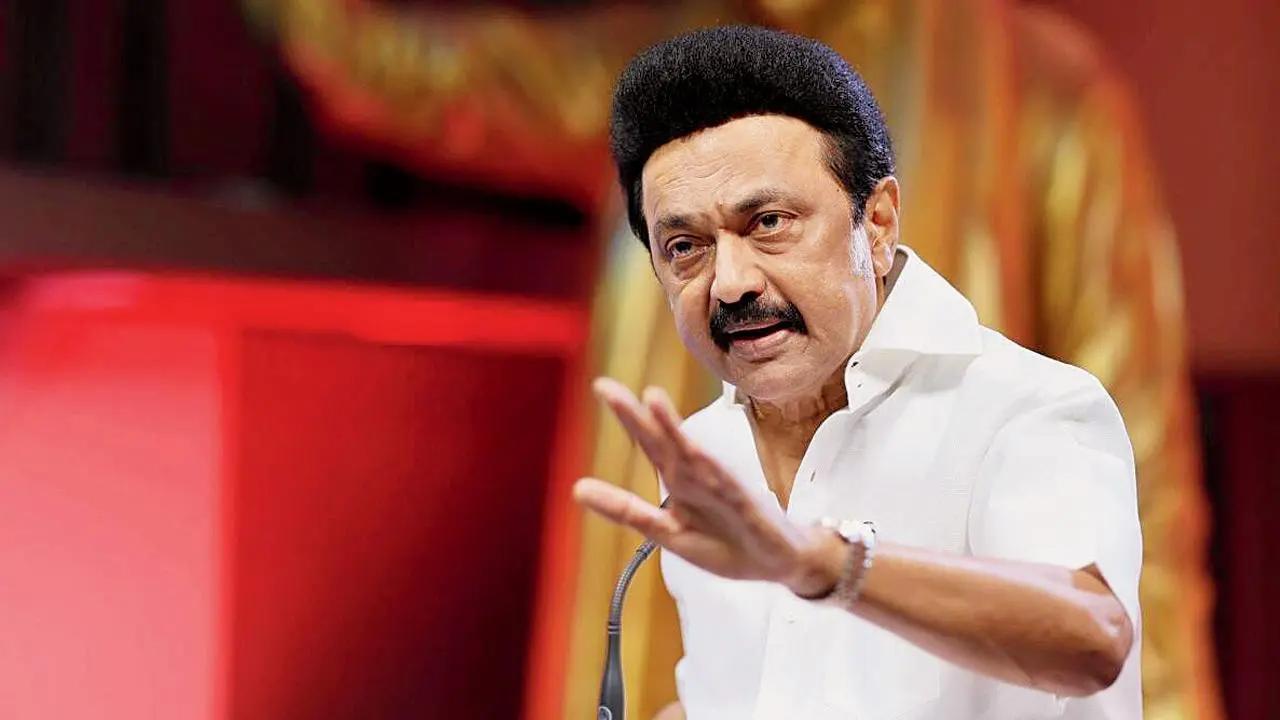
24 March,2026 01:16 PM IST | New Delhi | mid-day online correspondentTamil Nadu Chief Minister M. K. Stalin on Tuesday criticised Prime Minister Narendra Modi’s statement in Parliamen on Monday, urging people to prepare for the impacts of the West Asia war. Stalin accused the Centre of outsourcing preparedness and failing to act despite repeated warnings, reported ANI. In a post on X, Stalin wrote, “Preparedness cannot be outsourced to the people. Prepared for what, leadership or its absence? Prime Minister, who is supposed to prepare: the Union Government or the people of the country? You say that just as we prepared for Covid-19, we must also be prepared for the impacts of the West Asia war.” Stalin said that on March 11, he had written to the Prime Minister seeking immediate steps, including ensuring the uninterrupted supply of LPG cylinders, rescuing Tamils stranded in Gulf countries, and revising gas supply allocation limits for power stations. Stalin cites March 11 letter, flags urgent LPG and evacuation concerns “As the war situation intensified and its impact became evident, I wrote to you on March 11 requesting three measures: to ensure the uninterrupted availability of LPG cylinders for all uses, to rescue Tamils stranded in Gulf countries, and to revise gas supply allocation limits for power stations. The following day, on March 12, opposition parties staged a protest in the Parliament complex to underscore the seriousness of the situation to the Union Government,” he said, reported ANI. He further added that, with no response from the Centre, the Tamil Nadu government convened a high-level meeting on March 14 and announced relief measures. “Without waiting for action from the Union Government, as a responsible state government, we conducted a high-level consultation and announced several measures to tackle the gas shortage: a Rs 2 subsidy per unit for additional electricity consumption when food production units switch from LPG to electric stoves; subsidised loans for MSMEs to purchase electric stoves and heaters; and exemption for industries from obtaining TNPCB consent to use alternative fuels. To support farmers’ livelihoods amid restaurant closures, vegetables and fruits could be sold without restrictions in 194 Uzhavar Sandhais (farmers’ markets). At that time, I asked, ‘What is the Union Government going to do to protect public welfare?’ There was no response,” Stalin added. According to ANI, on March 15, protests were held across Tamil Nadu condemning the BJP-led Centre for its “lack of foresight and preparedness”. Stalin questions preparedness “We organised protests across Tamil Nadu condemning the Union BJP Government for its lack of foresight and preparedness. After all this, you are advising that ‘people must be prepared’. Before telling people to be prepared, are you prepared to protect them? What precautionary measures have you taken to safeguard Indian citizens from the impacts of the West Asia war? Now the nation has only one question: ‘Is the Prime Minister prepared to protect us?’” he said. His remarks came after PM Modi’s address in the Lok Sabha on the ongoing US-Israel-Iran conflict. In his speech, the Prime Minister said the escalating conflict in West Asia, now in its fourth week, was posing significant challenges for India, particularly in terms of energy security and trade disruptions. PM Modi flags global impact of prolonged West Asia conflict “The situation in West Asia is worrisome. This conflict has been going on for more than three weeks. It has a severe impact on the global economy and people’s lives, and that is why the world is urging all sides for an early resolution,” Modi said. He also cautioned that the conflict could have lasting effects and reiterated that India has been advocating de-escalation through dialogue and diplomacy. The Prime Minister noted that nearly one crore Indians reside in Gulf countries, making the situation a matter of heightened concern. He said the government has taken steps to ensure the safety of Indian nationals, facilitate evacuations, and maintain essential fuel supplies despite disruptions in the Strait of Hormuz. He further stated that over 3.75 lakh Indian nationals have returned safely to the country, with at least 1,000 of them escorted from Iran. (With ANI inputs)
24 March,2026 11:20 AM IST | Chennai | mid-day online correspondentThe Air India Group said it will operate a total of 24 scheduled and non-scheduled flights to and from the West region on Tuesday, while services to several destinations remain temporarily suspended, according to an Air India press release. The airline said Air India and Air India Express together will run the flights, including scheduled services to Jeddah and Muscat, along with additional non-scheduled operations to the United Arab Emirates (UAE). Both carriers will continue operating their scheduled services to and from Jeddah, with a total of 10 flights between India and Jeddah. Air India will operate one return service from Delhi and two return services from Mumbai. Air India Express will operate one flight each from Hyderabad and Kozhikode. Air India Express will also operate four scheduled flights to and from Muscat, including services from Delhi and Mumbai. In addition to the scheduled services, the Air India Group said it will operate 10 non-scheduled flights to and from the UAE, subject to the availability of slots and prevailing conditions at departure stations. The airline said these flights are being operated with the requisite permissions from Indian and local regulatory authorities. In the case of the UAE, in Dubai, no regular scheduled operations, but ad hoc flights are running by Air India and Air India Express to Delhi, while in Abu Dhabi, no scheduled services; ad hoc flights by Air India Express are operating to Delhi, Kozhikode and Mumbai. All operations are suspended for Ras Al Khaimah, Sharjah and Al Ain, according to the press release. In the case of Oman, in Muscat, regular scheduled operations are active, with Air India Express operating flights to Delhi and Mumbai, while in Salalah, all operations are suspended. In the case of Saudi Arabia operations in Jeddah, scheduled services remain active. Air India is flying to Delhi and operating two flights to Mumbai. Air India Express is operating flights to Hyderabad and Kozhikode. In Riyadh and Dammam, all operations are suspended. There are no scheduled or ad hoc operations for Bahrain, Doha, Kuwait City and Tel Aviv. The airline said all Air India flights to and from North America, Europe, Australia and other regions continue to operate per schedule. Passengers booked on suspended routes can rebook to a future date at no additional charge or opt for a full refund, the airline said. Air India passengers can submit rebooking or cancellation requests on the airline's website at (https://airindia.com) or contact the 24x7 customer support hotline at +911169329333 or +911169329999. Air India Express passengers travelling from the UAE can rebook flights without additional charges on additional commercial flights from any UAE station to any destination in India. The airline also said passengers can rebook through the AI-powered digital assistant Tia on WhatsApp at +91 63600 12345. According to the press release, Air India Group is exploring opportunities to operate additional ad-hoc flights to and from destinations in West Asia. This story has been sourced from a third party syndicated feed, agencies. Mid-day accepts no responsibility or liability for its dependability, trustworthiness, reliability and data of the text. Mid-day management/mid-day.com reserves the sole right to alter, delete or remove (without notice) the content in its absolute discretion for any reason whatsoever
24 March,2026 09:52 AM IST | New Delhi | ANIADVERTISEMENT








-1774341856825_d.png "Indian Railways. File Pic")
-1774331808261_d.png "Rupee slips despite Trump announcing pause in strikes on Iran. Representational Image")