Home / News / India News / Article /
Ahmedabad plane crash: AAIB releases preliminary report; key takeaways
Updated On: 12 July, 2025 11:21 AM IST | New Delhi | mid-day online correspondent
The AAIB's preliminary report on the June 12 Air India Ahmedabad plane crash reveals that both engines' fuel switches moved to 'Cutoff' seconds after takeoff. Boeing has expressed condolences and pledged support to the investigation. The report notes Engine 1 began recovery, but Engine 2 failed to stabilize.





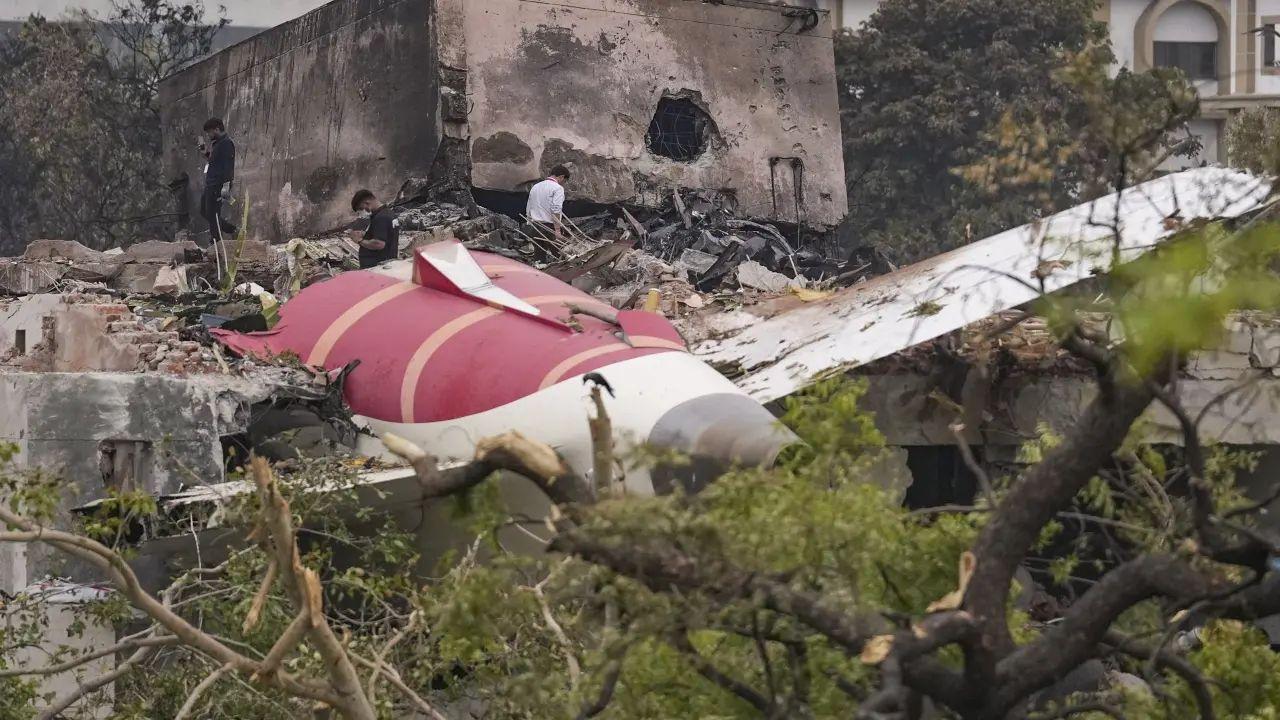
Debris remains of the Air India plane after crash. Image/File Pic
The Aircraft Accident Investigation Bureau, during the early hours of June 12, released the preliminary investigation report of the Ahmedabad plane crash, which took place on June 12, 2025. The aircraft manufacturer Boeing on Saturday also said that it continues to support the ongoing investigation into the Air India Flight AI171 crash. This statement from a US-based aircraft manufacturing company comes hours after the Aircraft Accident Investigation Bureau (AAIB) released its preliminary report on the incident that occurred in Ahmedabad.
The officials from Boeing said, "Our thoughts remain with the loved ones of the passengers and crew on board Air India Flight 171, as well as everyone affected on the ground in Ahmedabad. We continue to support the investigation and our customers."
The report released by the investigative agency indicates what went wrong on the London-bound flight from Ahmedabad, which crashed a few seconds after takeoff.
Trending Stories
Latest Photos
Latest Videos
Latest Web Stories
ADVERTISEMENT

Ganeshotsav 2026

ADVERTISEMENT