shot-button
E-paper E-paper
Home > News > India News > Article > Air Quality worsens in parts of India Delhi AQI at 427 here are other worst hit areas

Air Quality worsens in parts of India; Delhi AQI at 427; here are other worst hit areas

Updated on: 15 December,2025 10:26 PM IST  |  New Delhi
mid-day online correspondent |

The nationwide AQI map showed multiple toxic hotspots across north India, while parts of central, eastern and southern India reported mixed air quality, ranging from moderate to poor. The data highlights sharp regional differences in pollution levels


Air Quality worsens in parts of India; Delhi AQI at 427; here are other worst hit areas

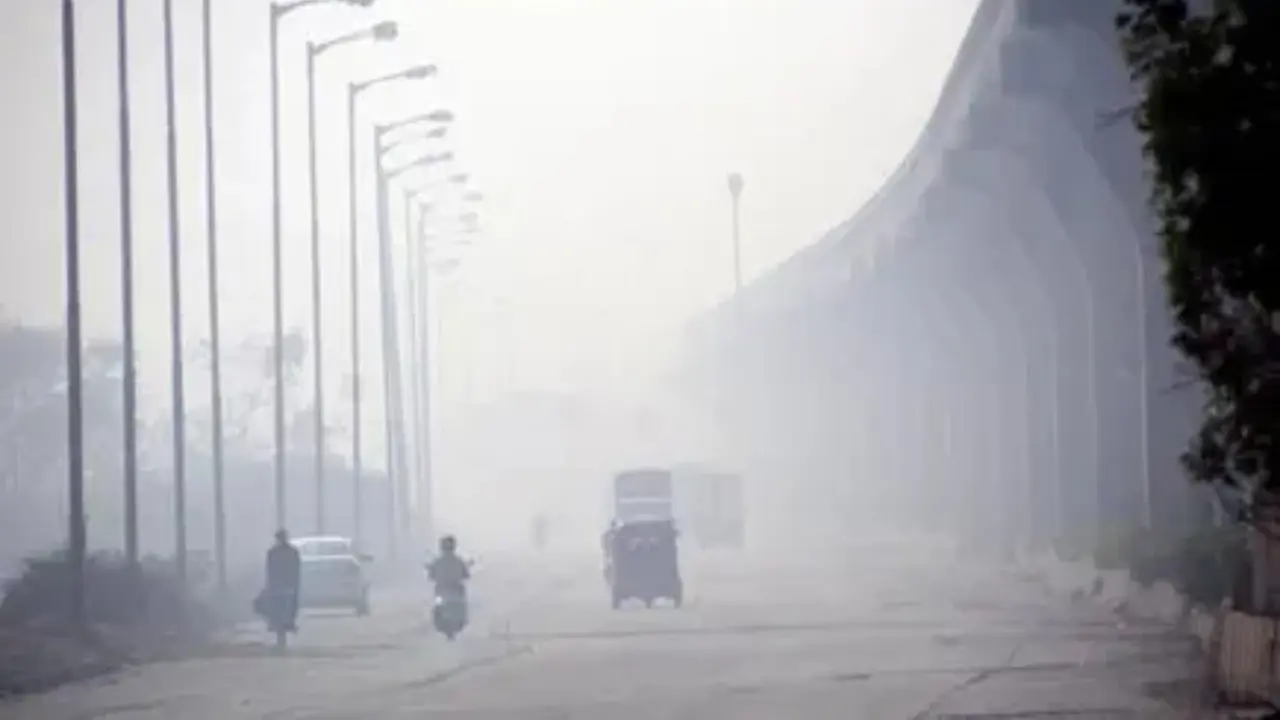
The recent data highlights sharp regional differences in pollution levels. Representational Pic/File

Listen to this article
Air Quality worsens in parts of India; Delhi AQI at 427; here are other worst hit areas
x
00:00

Air quality across large parts of India continued to remain in the very poor to severe category on Monday, with the National Capital Region (NCR) emerging as the worst-affected area, according to data from the Central Pollution Control Board (CPCB).

A sharp drop in visibility and haze-obscured skyline marked another low for Delhi on Monday as its AQI touched 498 in the morning and settled at 427 by the evening, with air quality in the hazardous "severe" zone.


According to the Central Pollution Control Board (CPCB), 27 monitoring stations across the city recorded "severe" air quality, while 12 stations reported "very poor" levels. Wazirpur recorded the worst air quality among the 40 stations, with an AQI of 475, reported the PTI.


The data highlights sharp regional differences in pollution levels.

North India emerges as major pollution hotspot

The nationwide AQI map showed multiple toxic hotspots across north India, while parts of central, eastern and southern India reported mixed air quality, ranging from moderate to poor. The data highlights sharp regional differences in pollution levels.

At 4 pm on December 15, Greater Noida recorded an AQI of 447, followed closely by Ghaziabad (444), Noida (437) and Delhi (427). These levels fall in the severe category, indicating hazardous conditions for breathing.

Health experts warn that prolonged exposure to severe air pollution can worsen respiratory illnesses, heart conditions, and asthma, especially among children and the elderly.

What is AQI and why does it matter?

The Air Quality Index (AQI) is a scale used to measure how polluted the air is and how it may affect human health. A higher AQI number means worse air quality and greater health risks.

AQI is calculated using concentrations of key pollutants such as PM2.5, PM10, nitrogen dioxide, sulphur dioxide, carbon monoxide, and ozone. Each pollutant is measured and converted into a score, with the highest value determining the overall AQI for a location.

Around 82 per cent Delhiites report severe pollution-linked illnesses in close circles: Study

As Delhi vanishes behind a dense-grey curtain and toxic air continues to choke the National Capital Region, a new survey has found that 82 per cent of Delhi-NCR residents have one or more people in their close social network suffering from severe health conditions that they attribute to a long-term exposure to air pollution.

The survey, conducted by community platform LocalCircles, said 28 per cent of the respondents reported having four or more such individuals among family members, friends, neighbours or colleagues, according to the PTI.

What are the different pollutants?

The Air Quality Index (AQI) measures the level of pollution in the air based on the concentration of major harmful pollutants.

The key pollutants monitored are-

- PM2.5: Fine particulate matter smaller than 2.5 micrometres. These particles can enter the lungs and bloodstream, causing serious respiratory and heart problems.

- PM10: Particulate matter smaller than 10 micrometres, which can irritate the eyes, nose and throat and worsen breathing issues.

Leading causes of air pollution

Air pollution is mainly caused by a mix of human activities and natural factors.

The key sources include: Vehicle emissions, industrial activities, construction and road dust, burning of fossil fuels, stubble burning, waste burning. 

Steps taken to overcome air pollution

National Clean Air Programme (NCAP): Launched in 2019 to reduce air pollution in 131 cities

Graded Response Action Plan (GRAP):  Framework designed to combat air pollution in the Delhi-NCR region

Control of Vehicular Emissions: Shift to BS-VI fuel standards, promotion of EVs and SATAT initiative for CBG production

Stubble Burning Prevention: Subsidies for Crop Residue Management Machinery and promotion of alternative uses for paddy straw.

Health Advisory

Authorities have advised people in severely polluted areas to limit outdoor activities, wear masks when necessary, and seek medical advice if they experience breathing discomfort or irritation.

"Exciting news! Mid-day is now on WhatsApp Channels Subscribe today by clicking the link and stay updated with the latest news!" Click here!

Did you find this article helpful?

Yes
No

Help us improve further by providing more detailed feedback and stand a chance to win a 3-month e-paper subscription! Click Here

Note: Winners will be selected via a lucky draw.

Help us improve further by providing more detailed feedback and stand a chance to win a 3-month e-paper subscription! Click Here

Note: Winners will be selected via a lucky draw.

air pollution india Air Quality Index delhi Pollution Air Quality India news national news

Mid-Day Web Stories

Mid-Day Web Stories

This website uses cookie or similar technologies, to enhance your browsing experience and provide personalised recommendations. By continuing to use our website, you agree to our Privacy Policy and Cookie Policy. OK