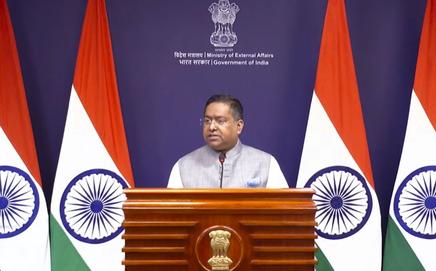
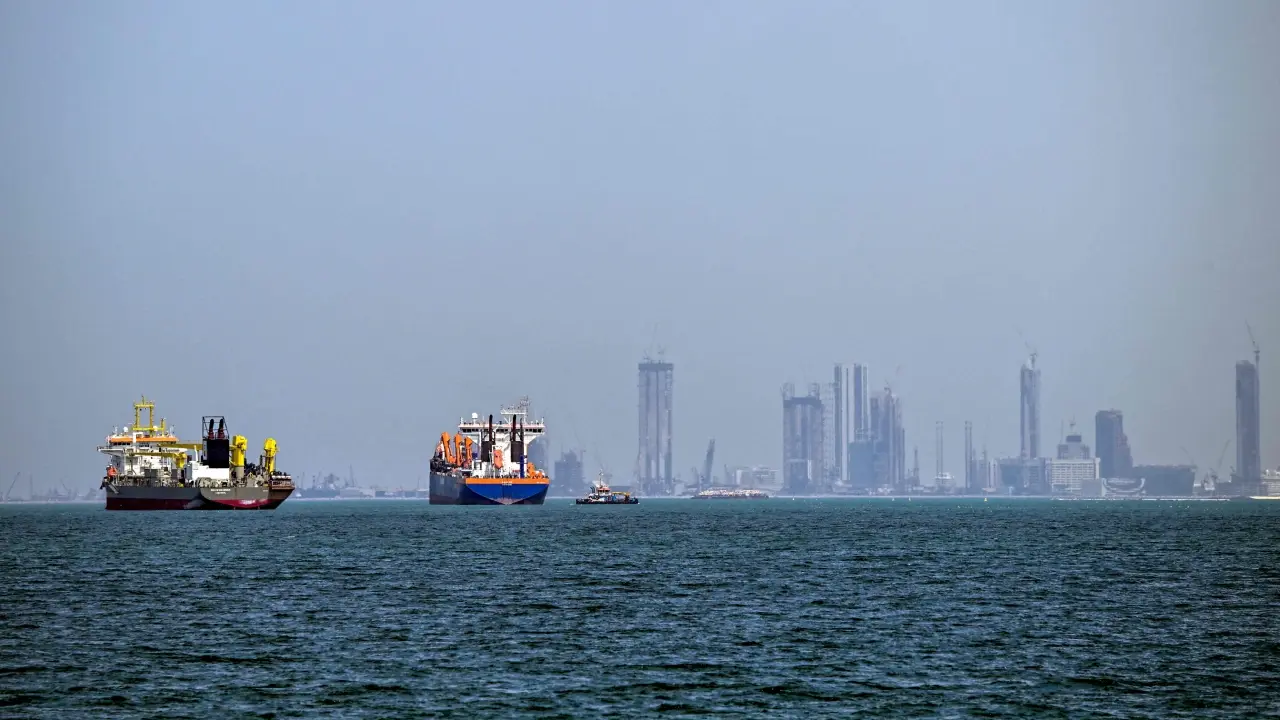
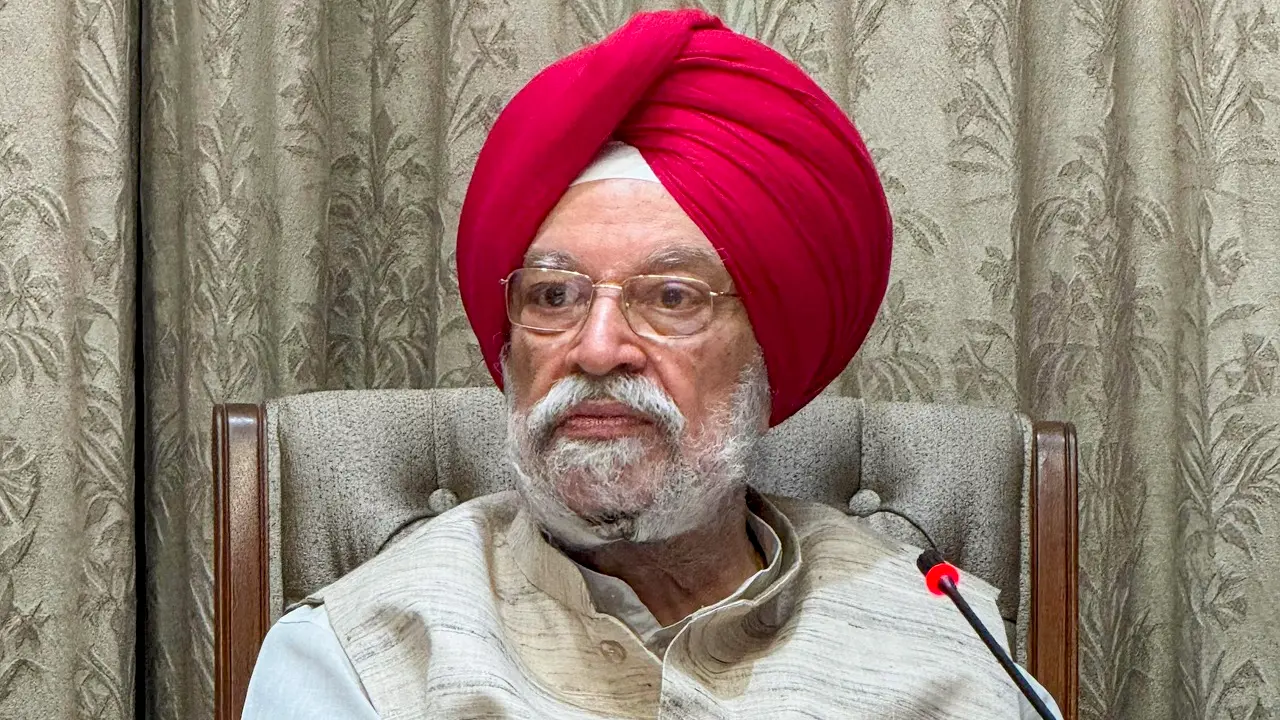
The Ministry of External Affairs (MEA) on Thursday said India is actively working to assist its nationals stranded in Iran while simultaneously addressing concerns related to maritime safety and the country’s energy security amid the ongoing conflict in West Asia, reported news agency IANS. During a weekly media briefing in New Delhi, MEA spokesperson Randhir Jaiswal said the government is closely monitoring the evolving situation and has taken several steps to support Indian citizens currently in Iran. Several Indian nationals return home amid tensions Jaiswal said India has around 9,000 citizens currently residing in Iran, including students, seafarers, professionals, businesspeople and pilgrims. Following earlier advisories issued by Indian authorities, several Indian nationals—particularly students—have already returned to India. The government is continuing to facilitate the safe relocation and evacuation of others who wish to leave the country, reported IANS. “We have around 9,000 Indian nationals in Iran. Following advisories issued earlier, several Indian nationals, especially students, have already returned home,” Jaiswal said, reported IANS. He also informed that several Indians based in Tehran, including students and pilgrims, have been shifted to safer locations and cities within Iran as a precautionary measure. Assistance being provided for evacuation through neighbouring countries The MEA said it is also assisting Indian nationals who wish to leave Iran through land routes by helping them travel to neighbouring countries such as Azerbaijan and Armenia, reported IANS. According to Jaiswal, Indian missions are helping citizens with visa arrangements and border crossing procedures so they can travel to these countries and then board commercial flights back to India. “We are assisting Indian nationals who wish to travel to Azerbaijan and Armenia, and from there to take commercial flights to return home,” he said, reported IANS. The MEA also urged Indian citizens planning to leave Iran via land borders to strictly follow the advisory issued by the Embassy of India, Tehran on March 9. Government monitoring safety of shipping and energy supply Responding to questions about the security of maritime routes, Jaiswal said the government is also closely monitoring the movement of vessels near the Strait of Hormuz, one of the world’s most critical energy transit corridors, reported IANS. He revealed that India’s External Affairs Minister S. Jaishankar has held multiple conversations in recent days with Iran’s Foreign Minister Seyed Abbas Araghchi. “The External Affairs Minister and the Foreign Minister of Iran have had three conversations in recent days. In the last one, they discussed issues pertaining to the safety of shipping and India’s energy security,” Jaiswal said, reported IANS. Diplomatic engagement continues amid regional conflict Earlier this week, Jaishankar held a detailed telephone conversation with Araghchi regarding the latest developments in the West Asia conflict. In a post on X, Jaishankar said the two leaders agreed to remain in touch as the situation continues to evolve. The ministers had also spoken earlier on March 5 and February 28, discussing the rapidly changing security environment in the region and India’s concerns over escalating tensions. Officials said the series of diplomatic engagements reflects India’s proactive approach to safeguarding its citizens abroad while ensuring that critical energy supplies and maritime trade routes remain secure during the ongoing geopolitical crisis involving Iran, the United States and Israel. (With inputs from IANS)
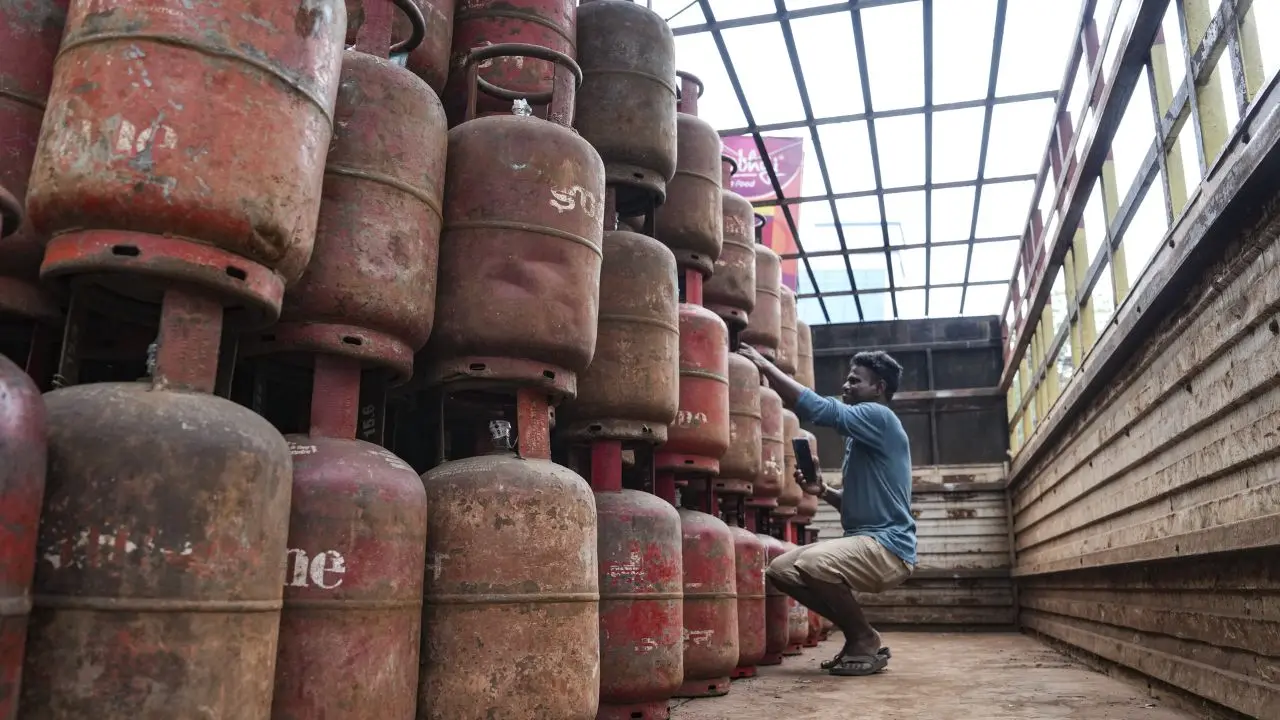
12 March,2026 09:03 PM IST | New Delhi | mid-day online correspondentMany restaurants in Maharashtra's Chhatrapati Sambhajinagar have curtailed their menus or are planning to switch to dishes that can be cooked using wood or coal, while a few have shut down, owners told news agency PTI on Thursday, citing cooking gas supply disruptions. Manoj Kacchwa, a restaurant owner from the Kranti Chowk area of the city, claimed that they are finding it difficult to get commercial LPG cylinders amid the ongoing West Asia crisis. The wait time is too long, he said. "We are serving items that are cooked on a low flame. But this is not the case everywhere. Many of my friends who have hotels in Waluj, Ranjangaon, Bidkin and Chikalthana industrial areas have shut their hotels due to gas shortage," he said. An eatery in the City Chowk area serving Chinese dishes remained closed. Its owner Kalam Khan said they have no cooking gas left. "Since this is the Ramzan month, we have to pay salaries to our workers. I am planning to shift to traditional wood chulhas and start cooking biryani from tomorrow. If we can manage to get coal-fired sigdis (stoves), we may consider preparing other items," he said. Aarti Deshpande, who runs a mess in the Nirala Bazar, said that procuring cooking gas has become a cumbersome task. "Earlier, cooking gas was delivered to our mess. Now, the agencies ask us to come and register our demand for gas cylinders. I do not know how much time we will have to spend there. We have not reduced our menu, but the cost of gas has become a serious concern for us," said Deshpande. Speaking in Parliament earlier in the day, Petroleum Minister Hardeep Puri said it is the foremost priority of the Centre that the kitchens of over 33 crore families, especially the poor and the underprivileged, do not face any shortage of gas. The minister said commercial LPG has been regulated to prevent black marketing, not to penalise the hospitality sector. West Asia crisis: Congress stages protest in Latur over LPG situation The Congress staged a protest in Maharashtra’s Latur on Thursday over the LPG cylinder situation amid the West Asia crisis following the joint US-Israel attack on Iran. As part of the protest, party workers carried out a mock funeral procession of a gas cylinder and alleged that the BJP-led Union and state governments were failing to provide relief to citizens. Some women participants also lit wood-fired stoves in the middle of the road to highlight the alleged shortage of LPG. “Citizens are suffering across the country. If people are forced to queue up for cooking gas even in the 21st century, it reflects the failure of the government. During the UPA government, a cylinder cost around Rs 400, but today the price has crossed Rs 1,280,” Congress district president Abhay Salunkhe said. Latur City Congress Committee president Kiran Jadhav alleged that while the state government launches welfare schemes for women, it simultaneously increases the prices of LPG and other essentials, leaving them with little money. Incidentally, the Union government on Thursday said there is no shortage of petrol, diesel, kerosene or aviation turbine fuel in the country despite the ongoing West Asia crisis, and urged the Opposition not to spread rumours and fake narratives. Responding to concerns raised by Leader of the Opposition Rahul Gandhi in the Lok Sabha, Petroleum Minister Hardeep Puri said the government’s foremost priority is to ensure that the kitchens of more than 33 crore families, especially the poor and the underprivileged, do not face any shortage of gas. (With PTI inputs)
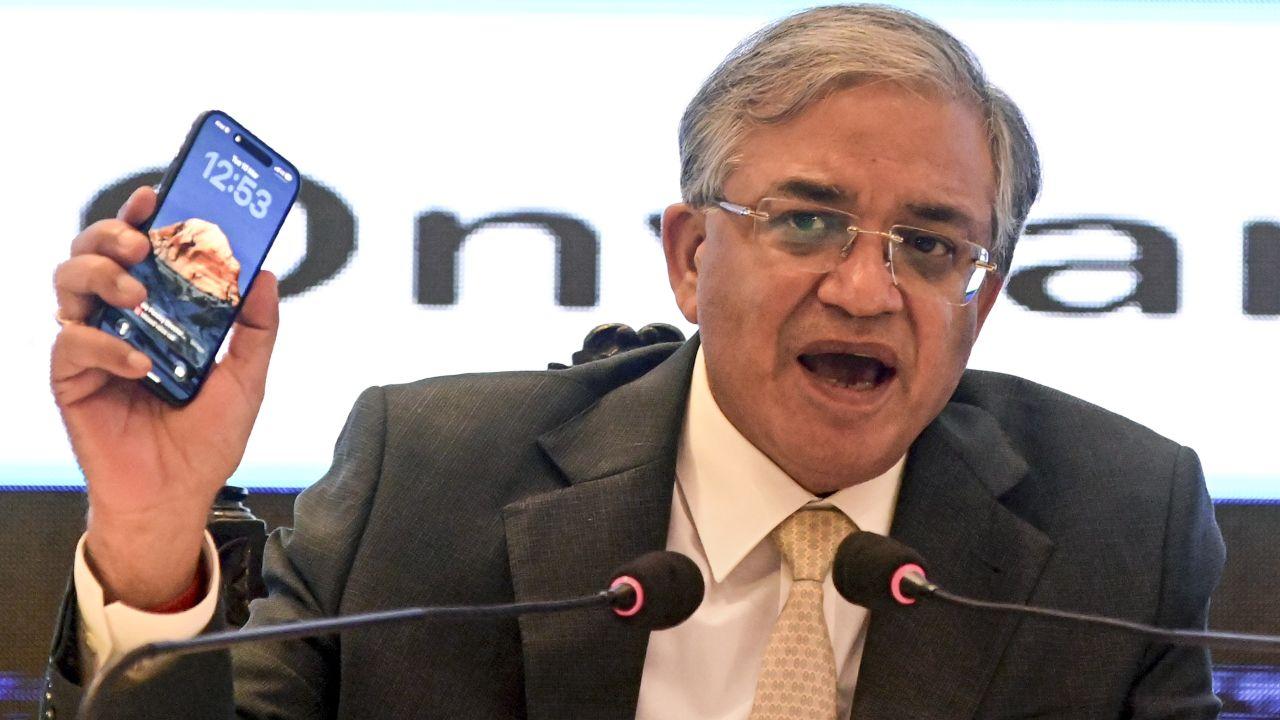
12 March,2026 08:59 PM IST | Chhatrapati Sambhajinagar | mid-day online correspondentA total of 130 Lok Sabha MPs and 63 Rajya Sabha MPs have signed notices seeking the removal of Chief Election Commissioner Gyanesh Kumar, a source has said. According to the source, the notice is likely to be submitted in at least one House on Friday, though it was not clear it would be brought first in which House. An Opposition leader, meanwhile, said MPs have shown great enthusiasm in signing the notice, and several lawmakers came forward to sign the notice on Thursday as well, even as the requisite numbers had already been achieved. According to rules, at least 100 MPs must sign a notice seeking the removal of the CEC in the Lok Sabha, and the required strength in the Rajya Sabha is 50. The notice has been signed by members from all INDIA bloc parties, the source said. MPs from the Aam Aadmi Party (AAP), which is no longer officially part of the bloc, have also signed the notice, another source said. This is the first time a notice has been given seeking the removal of the CEC. According to a highly placed source, seven charges are listed against the CEC in the notice, ranging from "partisan and discriminatory conduct in office" to "deliberate obstruction of investigation of electoral fraud" and "mass disenfranchisement." Opposition parties have accused the CEC of aiding the ruling BJP on several occasions, especially with the ongoing Special Intensive Revision (SIR), which they have alleged is aimed at helping the party at the Centre. Concerns have especially been expressed over the conduct of the SIR in West Bengal, with Trinamool Congress (TMC) supremo and Chief Minister Mamata Banerjee accusing the poll panel of deleting genuine voters. The process for removing the CEC is similar to that for the removal of a Supreme Court or a high court judge, meaning an impeachment can be effected only on the ground of proven misbehaviour or incapacity. A motion for removal may be introduced in either House of Parliament and must be passed by a special majority -- a majority of the total membership of the House and a two-thirds majority of the members present and voting. According to the law on the appointment of CEC and election commissioners, "CEC shall not be removed from his office except in the like manner and on the like grounds as a judge of the Supreme Court," and the other election commissioners shall not be removed from office "except on the recommendation of the CEC." According to the Judges (Inquiry) Act, 1968, if the notices for the motion are given on the same day in both Houses of Parliament, no committee shall be constituted unless the motion has been admitted in both Houses. After the motion has been admitted in both Houses, a committee shall be constituted jointly by the speaker and the chairman. This story has been sourced from a third party syndicated feed, agencies. Mid-day accepts no responsibility or liability for its dependability, trustworthiness, reliability and data of the text. Mid-day management/mid-day.com reserves the sole right to alter, delete or remove (without notice) the content in its absolute discretion for any reason whatsoever.
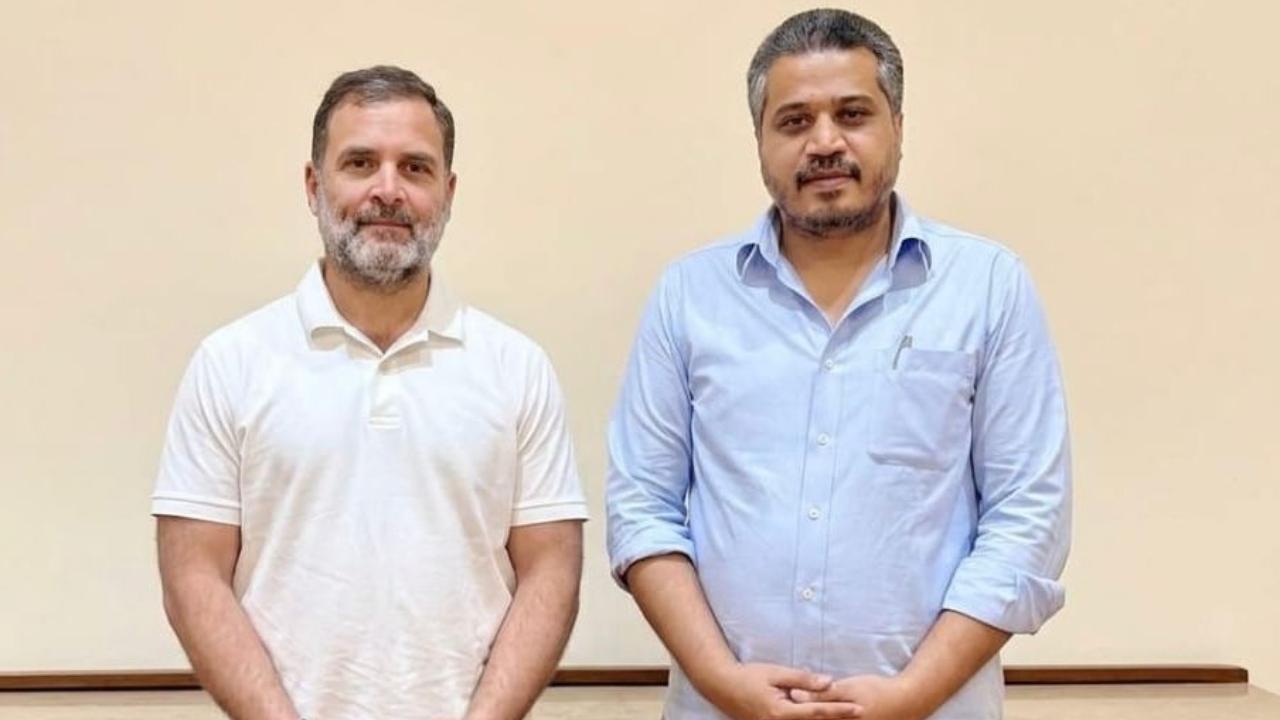
12 March,2026 08:17 PM IST | New Delhi | PTINationalist Congress Party (Sharadchandra Pawar faction) MLA Rohit Pawar met Rahul Gandhi in New Delhi on Thursday and reiterated the demand for a fair investigation into the plane crash that claimed the life of senior leader Ajit Pawar earlier this year. According to Rohit Pawar, the meeting focused on concerns regarding the investigation into the incident and the absence of a First Information Report (FIR) in the case so far. Rohit Pawar shares documents and details of crash case Speaking to reporters after the meeting, Rohit Pawar said he presented detailed documents and files related to the incident to Rahul Gandhi during the discussion. He said senior Congress leaders, including K. C. Venugopal, were also present during the meeting. “I shared all the relevant information I had in the files. Rahul ji carefully went through the details and tried to understand the matter thoroughly. He showed a good understanding of aviation-related issues,” Rohit Pawar said. लोकसभेतील प्रभावी विरोधी पक्षनेते माननीय राहुल जी गांधी यांची दिल्लीत भेट घेऊन अजितदादांच्या संशयास्पद विमान अपघातासंदर्भात त्यांच्याशी अर्ध्या तासाहून अधिक विस्तृत चर्चा केली. तसंच या अपघाताबाबत वेगवेगळ्या स्त्रोतांकडून आम्ही अत्यंत मेहनतीने जमा केलेली संपूर्ण माहिती त्यांना… pic.twitter.com/iWQarTj32W — Rohit Pawar (@RRPSpeaks) March 12, 2026 He added that Gandhi expressed concern after learning that no FIR had been registered in Maharashtra in connection with the crash. Rahul Gandhi expresses concern over absence of FIR Rohit Pawar said Gandhi was surprised that an FIR had not been filed despite the seriousness of the incident. “In a democracy, everyone has the right to file an FIR. If such a senior leader is involved in the opposition and still an FIR is not being registered, it raises serious concerns,” he said, quoting Gandhi’s reaction after reviewing the details. According to the NCP (SP) MLA, Gandhi assured that he would support further follow-up action related to the case. Questions raised over aviation regulatory oversight Rohit Pawar also said the discussion touched upon alleged links involving aviation operator VSR, and raised questions regarding regulatory oversight by the Aircraft Accident Investigation Bureau, which functions under the Ministry of Civil Aviation. He questioned how a fair investigation could take place if individuals connected to the case were linked to institutions responsible for conducting the probe. “He agreed that such a situation is wrong and said he will examine what steps can be taken next,” Rohit Pawar said. Rohit Pawar thanks Rahul Gandhi for support Later, in a post on social media platform X, Rohit Pawar expressed gratitude to Rahul Gandhi for supporting the Pawar family and people of Maharashtra in their demand for justice. He said Gandhi’s support has given “strength, hope and courage” to those seeking accountability in the matter. Plane crash near Baramati claimed five lives The controversy relates to a plane crash on January 28 involving a Learjet 45 aircraft (VT-SSK) that was carrying Ajit Pawar from Mumbai to Baramati in Pune district. The aircraft crash-landed near the runway while attempting to land at Baramati Airport, killing all five people on board. Those who died included Ajit Pawar, his personal security officer, a flight attendant and two pilots. Following the incident, the Directorate General of Civil Aviation constituted a multi-disciplinary audit team, which reported several non-compliances in operational procedures related to airworthiness, flight safety and flight operations. The regulator subsequently ordered a special safety audit of VSR Ventures Pvt Ltd, the aircraft operator involved in the incident. (With inputs from Agencies)
12 March,2026 06:59 PM IST | New Delhi | mid-day online correspondentAn Indian seafarer was killed after a crude oil tanker came under attack in waters near Basra in Iraq amid the West Asia war that began after the US-Israel joint attack on Iran. The vessel, identified as MT SafeSea Vishnu, was reportedly struck by an explosive-laden unmanned speedboat while operating in the region. Fifteen other Indian crew members on board were rescued and are safe, officials said on Thursday. According to the Directorate General of Shipping in Mumbai, the incident occurred at around 2100 hours UTC on March 11, 2026. The tanker MT SafeSea Vishnu, sailing under the flag of the Marshall Islands, was carrying about 48,000 metric tonnes of naphtha at the time. Preliminary reports suggest that a white unmanned speedboat carrying explosives approached the tanker from the starboard side and rammed into it, causing a major fire on board. The ship was conducting ship-to-ship cargo loading operations off the Khor Al Zubair Port near Basra when the attack took place, an official statement said. Directorate General of Shipping, Mumbai, says that at approximately 2100 hrs UTC on 11 March 2026, the oil tanker MT SAFESEA VISHNU, which was carrying around 48,000 metric tonnes of naphtha, was struck by a white-coloured unmanned speedboat carrying explosives as per preliminary… pic.twitter.com/9Gd6zhQoT1 — ANI (@ANI) March 12, 2026 Crew abandoned ship Following the explosion and fire, all crew members abandoned the vessel and entered the water to escape the blaze. They were later rescued by a nearby ship-to-ship operations tug working in the area. The Iraqi Coast Guard evacuated all 28 crew members, including 16 Indian nationals and 12 Filipino nationals, and transported them safely towards the Port of Basra. Among the rescued crew, 15 Indians survived, including the vessel’s captain. Indian embassy assisting survivors The Embassy of India in Baghdad confirmed the death of one Indian crew member and said it is in constant contact with Iraqi authorities. Officials said the rescued sailors are currently safe and located on a small island near Basra. The embassy added that it is providing all necessary assistance and support to the Indian nationals affected by the incident. On March 11, 2026, a US-owned crude oil tanker Safesea Vishnu, sailing under the Marshall Islands flag, was attacked near Basra, Iraq, in which one Indian crew member unfortunately lost his life. The remaining 15 Indian crew have since been evacuated to a safe place. Embassy of… — India In Iraq (@EI_Baghdad) March 12, 2026 Govt monitoring security situation In an official statement, the Directorate General of Shipping expressed deep condolences to the family of the deceased seafarer. Authorities said the attack highlights the growing security risks faced by commercial vessels operating in the Persian Gulf region. Indian officials said they are closely monitoring developments in coordination with international and regional authorities. Further updates are expected as investigations into the incident continue, it said.
12 March,2026 06:55 PM IST | New Delhi | mid-day online correspondentUnion Minister for Petroleum and Natural Gas Hardeep Singh Puri on Thursday informed Parliament that domestic LPG production has increased by 28 per cent over the past five days, while the average delivery time for LPG cylinders remains unchanged at around 2.5 days, reported news agency IANS. The minister said the government has taken several measures to stabilise supply and prevent disruptions amid rising concerns over fuel availability, stressing that ensuring uninterrupted LPG access for households remains the top priority. Domestic LPG supply fully protected Addressing the House, Puri said the government is focused on ensuring that kitchens of more than 33 crore Indian households, particularly those belonging to economically weaker sections, do not face shortages of cooking gas, reported IANS. “Domestic supply is fully protected, and the standard time from booking to delivery for domestic LPG cylinders remains 2.5 days, unchanged from pre-crisis norms,” he said, reported IANS. The minister added that hospitals and educational institutions have been placed under priority supply, guaranteeing uninterrupted access to LPG irrespective of broader demand pressures. Panic booking, not supply shortage, causing local pressure Puri said field reports indicate that the sudden surge in demand for LPG cylinders in certain areas is largely due to panic booking and hoarding rather than any real production or supply disruption. “The rush-booking pressure in some localities reflects demand distortion, not a production or supply failure,” he told Parliament, reported IANS. To strengthen monitoring and prevent diversion of LPG cylinders, the government is expanding the Delivery Authentication Code system. Under this mechanism, a cylinder delivery can only be confirmed when the consumer verifies receipt through a one-time code sent to their registered mobile number. The coverage of this system is being increased from 50 per cent to 90 per cent of consumers. Booking restrictions introduced to manage demand The government has also introduced a minimum gap between LPG bookings as part of demand management measures. According to the minister, consumers in urban areas must now maintain a 25-day gap between bookings, while a 45-day gap has been introduced for rural and remote (“durgam kshetra”) areas, reported IANS. Officials from oil marketing companies and anti-adulteration teams are also coordinating with distributors to ensure strict compliance with supply and monitoring rules. Commercial LPG supply regulated to prevent black marketing Puri clarified that restrictions placed on commercial LPG are intended to prevent black marketing rather than penalise the hospitality sector. Commercial LPG cylinders are typically sold in a deregulated market without subsidies or booking requirements. However, the government decided to regulate this channel temporarily to avoid diversion of cylinders to the grey market. “To ensure genuine users receive supply, 20 per cent of the average monthly commercial LPG requirement will be allocated through oil marketing companies in coordination with state governments,” the minister said, reported IANS. A three-member committee comprising executive directors from Indian Oil Corporation, Hindustan Petroleum Corporation Limited and Bharat Petroleum Corporation Limited has been formed to assess sector-wise and regional demand. Government absorbing part of global price increase Puri said the current non-subsidised LPG price stands at Rs 913 after a recent Rs 60 adjustment, compared to an estimated market-driven price of around Rs 987 per cylinder, reported IANS. Of the Rs 134 per cylinder increase required due to global market conditions, the government absorbed Rs 74 to limit the burden on consumers. He added that the effective additional cost for households under the Pradhan Mantri Ujjwala Yojana works out to less than 80 paise per day. The minister also noted that LPG prices in neighbouring countries remain higher, with cylinders costing approximately Rs 1,046 in Pakistan, Rs 1,242 in Sri Lanka and Rs 1,208 in Nepal. To support oil marketing companies facing losses due to controlled pricing, the government has approved compensation of Rs 30,000 crore against estimated losses of about Rs 40,000 crore in the financial year 2024–25. (With inputs from IANS)
12 March,2026 06:23 PM IST | New Delhi | mid-day online correspondentIndia’s retail inflation rose slightly to 3.21 per cent in February 2026 compared to the same month last year, according to official data released on Thursday by the Ministry of Statistics and Programme Implementation. The inflation rate is based on the revised Consumer Price Index (CPI) series with 2024 as the base year, which was introduced earlier this year to improve the accuracy and representation of consumption patterns in the country. Inflation increases from January level The February figure represents an increase of 0.47 percentage points compared to the revised CPI inflation rate of 2.74 per cent recorded in January 2026, when the new CPI series was first launched. According to the official statement, headline inflation rose by about 47 basis points on a year-on-year basis in February. The inflation rate for rural areas stood at 3.37 per cent, while urban inflation was recorded slightly lower at 3.02 per cent during the same period. Vegetable prices decline sharply in February Despite the rise in overall inflation, prices of several key vegetables registered a significant decline during the month. The index for vegetables such as tomato, peas and cauliflower dropped by more than 10 per cent in February compared to January, reflecting improved supply conditions and seasonal trends. However, overall food inflation remained slightly higher, with the inflation rate based on the All-India Consumer Food Price Index recorded at 3.47 per cent in February compared to the same month last year. Housing inflation remains moderate Housing inflation during the month was estimated at 2.12 per cent, indicating relatively stable prices in the housing sector. Officials said the CPI data provides a comprehensive overview of price movements across various categories of consumer goods and services, which are used by policymakers and financial institutions to assess economic conditions. New CPI base year introduced for improved accuracy The government has revised the base year for the CPI from 2012 to 2024 using data from the Household Consumption Expenditure Survey 2023–24. Under the revised methodology, the CPI is now calculated with the base index set at 2024 = 100, and the basket of goods and their weightages have been updated to reflect current consumption patterns. Officials said the revision improves the coverage and representativeness of the inflation measurement and provides more granular data to support better policy decisions. Price data collected from over 2,800 markets and villages The inflation data is compiled using real-time price information collected from 1,407 urban markets—including online markets—and 1,465 villages across all states and Union territories. Field staff of the National Statistical Office conduct weekly price collection visits as part of the data-gathering process. During February 2026, price data was collected from 100 per cent of rural and urban markets. The reporting rate for prices was 99.89 per cent in rural markets and 99.78 per cent in urban markets. The government also announced that CPI inflation data for March 2026 will be released on April 13, 2026, or on the next working day if the date falls on a holiday.
12 March,2026 06:09 PM IST | New Delhi | mid-day online correspondentAmul's supplies to the Gulf market remain consistent despite the ongoing conflict in the region, according to Jayen Mehta, Managing Director of Amul. Speaking to the media on Thursday, Mehta confirmed that while the initial stages of the war caused supply disruptions and shipment delays, the central government has given priority to Amul for gas supply. "Despite the war conditions in the Gulf region, there is good news for India's dairy industry and farmers associated with Amul. The government has given Amul priority for gas supply, allocating 80% of their requirement. This ensures that all dairy plants will operate without interruption. In case of any gaps, alternative fuels like diesel, furnace oil, and briquettes will be used to keep the plants running and maintain regular milk supply to the market," Mehta said. Regarding exports to Gulf countries, Mehta stated that although there were initial supply disruptions and shipment delays at the start of the war, the central government has facilitated the dispatch of a new ship from India to Dubai. "This ship carries several containers of Amul's dry products and refrigerated items, ensuring that Amul's supplies to the Gulf market remain consistent," Mehta noted The Ministry of Ports, Shipping and Waterways informed the media about the prevailing maritime situation in the Persian Gulf region and the steps being taken to safeguard Indian seafarers, vessels and maritime trade operations. As per the Ministry, at present, 28 Indian-flagged vessels are operating in the Persian Gulf region. Of these, 24 vessels are located west of the Strait of Hormuz, carrying 677 Indian seafarers, while 4 vessels are east of the Strait with 101 Indian seafarers onboard. Their safety and security are being actively monitored. A 24-hour control room has been operational in the Ministry and the Directorate General of Shipping since 28 February 2026 to monitor developments and coordinate assistance. The Directorate General of Shipping issued advisories on 28 February 2026 directing Indian-flagged vessels and Indian seafarers to adopt enhanced security measures and comply with reporting protocols, including submission of crew details. Authorities, ship managers and recruitment agencies are coordinating closely with Indian embassies and local authorities to ensure safety and provide assistance to Indian seafarers wherever required. Port operations across India remain stable, and ports have been directed to extend necessary assistance to minimise hardships faced by exporters and ensure continuity of EXIM trade. Major ports are maintaining continuous monitoring of vessel movements, real-time assessment of developments in the region and regular reporting of vessel and cargo status. The Ministry is closely monitoring the evolving maritime situation in the Persian Gulf region with a focus on the safety of Indian seafarers and Indian-flagged vessels. The Ministry is maintaining regular interaction with industry stakeholders to provide necessary support to maritime trade and seafarers. The Government remains committed to ensuring the safety and welfare of Indian seafarers and protecting India's maritime interests. This story has been sourced from a third party syndicated feed, agencies. Mid-day accepts no responsibility or liability for its dependability, trustworthiness, reliability and data of the text. Mid-day management/mid-day.com reserves the sole right to alter, delete or remove (without notice) the content in its absolute discretion for any reason whatsoever.
12 March,2026 05:56 PM IST | New Delhi [India] | ANIThe Indian Railway Catering and Tourism Corporation (IRCTC) has announced an exclusive MOSD Europe Tour Package from Mumbai, offering travellers an opportunity to explore several iconic destinations across Europe in a single itinerary. The 12 nights and 13 days tour will depart from Mumbai on April 26, 2026, and return on May 8, 2026. The package is priced starting from Rs 4,13,000 per person, offering a comprehensive international travel experience. The tour is being organised by IRCTC’s West Zone office in Mumbai, which will act as the nodal centre for coordinating and managing the tour operations. 70–80 travellers expected to join international tour Officials said around 70 to 80 passengers from across India are expected to participate in the specially curated international travel package. The tour aims to provide a convenient and well-organised travel experience, combining sightseeing, accommodation and guided tours across some of Europe’s most popular destinations. Tour to cover major European cities The MOSD Europe tour will include visits to several prominent European cities such as Paris, Brussels, Amsterdam, Cologne, Mannheim, Zurich, Innsbruck, Venice, Pisa, Florence, Rome, and Milan. A key highlight of the itinerary will be a visit to the world-famous Keukenhof Gardens in the Netherlands, renowned for its vibrant display of blooming tulips during the spring season. Package includes airfare, hotels, meals and visa support According to IRCTC, the tour package has been designed to offer a comfortable and hassle-free travel experience. It includes return economy class airfare, accommodation in 3- and 4-star hotels, all meals with Indian and continental options, local transfers, guided sightseeing tours, entry fees to major attractions, visa assistance, travel insurance and applicable GST. IRCTC highlights value and quality services Speaking about the tour, Gaurav Jha, Group General Manager of IRCTC West Zone, said the corporation’s international tourism packages offer travellers excellent value for money, competitive pricing and high-quality services backed by IRCTC’s trusted hospitality. He added that the response to the MOSD Europe tour package has been encouraging. Bookings open through website and travel agents Bookings for the tour are now open through IRCTC’s official tourism portal, authorised IRCTC travel agents across the country, and through WhatsApp or SMS on 8287931886. IRCTC officials said the organisation continues to expand its portfolio of domestic and international tourism packages, offering travellers well-planned itineraries and memorable travel experiences.
12 March,2026 03:48 PM IST | Mumbai | mid-day online correspondentThe Regional Meteorological Centre (RMC) at Alipore has forecast rainfall in several districts of West Bengal, including Kolkata, from Thursday onwards. According to the weather office, scattered showers are likely to continue in Kolkata till next Tuesday. Similar conditions are expected in districts such as Howrah, Hooghly, Purulia, Bankura, East Burdwan, West Burdwan, Birbhum and Murshidabad. Rain alerts have been issued for 12 districts of south Bengal. The Met Office said there will be little change in the minimum temperature across south Bengal districts over the next seven days. However, the daytime temperature may rise by two to three degrees Celsius before dipping again after about three days. Meanwhile, districts in north Bengal are likely to witness thunderstorms till next Tuesday. Light rainfall accompanied by thunder is expected, particularly in Darjeeling, Kalimpong, Alipurduar, Cooch Behar and Jalpaiguri. Gusty winds with speeds ranging between 30 and 50 kmph may also occur in these areas. For Thursday, the sky over Kolkata is expected to remain partly cloudy during the day, with a possibility of light thunderstorms at isolated places in the afternoon. The maximum and minimum temperatures are likely to hover around 32 degrees Celsius and 25 degrees Celsius, respectively. A Met department official said the weather activity is being influenced by a low-pressure area extending from West Assam to Gangetic Bengal via Bangladesh at an altitude of about 1.5 km above sea level. In addition, a cyclonic circulation is present between 1.5 km and 3.1 km above sea level over the south Bay of Bengal and adjoining north Sri Lanka. These systems are expected to trigger light rainfall across parts of Bengal. Meanwhile, the minimum temperature recorded in Kolkata and its adjoining areas on Wednesday was 24.6 degrees Celsius, which is 2.9 degrees above normal. The maximum temperature stood at 30.8 degrees Celsius, about 2.2 degrees below normal. Relative humidity ranged between 61 per cent and 95 per cent during the day. This story has been sourced from a third party syndicated feed, agencies. Mid-day accepts no responsibility or liability for its dependability, trustworthiness, reliability and data of the text. Mid-day management/mid-day.com reserves the sole right to alter, delete or remove (without notice) the content in its absolute discretion for any reason whatsoever.
12 March,2026 03:48 PM IST | Kolkata | IANSThe ongoing fuel supply disruption linked to the West Asia conflict is beginning to affect Chennai’s transport sector, with thousands of auto-rickshaw drivers facing difficulties in refuelling LPG and CNG vehicles and commuters paying higher fares across the city. Auto drivers said the shortage has forced them to wait for long hours at gas stations, while supplies have become irregular in recent days. According to union representatives, nearly a quarter of auto-rickshaws running on gas were unable to refill on Tuesday, raising concerns that the situation could worsen if supply does not improve. “Nearly 25 per cent of autos running on gas could not get a refill yesterday. If the shortage continues, the number will certainly increase,” said S. Balasubramaniam, state working president of the Tamil Nadu Auto Thozhilalargal Sammelanam. Drivers said that apart from the supply shortage, overcharging at several private outlets has become a major problem. LPG, officially priced at Rs 59.41 per kg, is reportedly being sold at Rs 70 - Rs 80 per kg in some places. Even at oil company outlets, the price has increased to Rs 64.51 per kg. “Overcharging has become unavoidable because the fuel cost itself has gone up for us. We are left with no option but to slightly increase fares to survive,” Balasubramaniam added. Many drivers who had shifted to gas vehicles to reduce expenses said they are now being forced to rely on petrol due to the shortage of CNG and LPG. “I chose CNG because it offered better mileage and was cheaper. But now it’s very hard to find. I have switched to petrol temporarily, which reduces my earnings,” said K. Rajesh, an auto driver in the city. The problem has also affected commuters, who say auto fares have increased in several parts of Chennai. “A ride from Chennai Central to Egmore now costs about Rs 40 more than before,” said Vignesh Kumar, a commuter. Another passenger said the usual Rs 130 fare from Aynavaram to Koyambedu has risen to nearly Rs 180. Drivers waiting at filling stations said the queues have grown longer as supplies arrive in smaller quantities. “It now takes almost two hours to refill the gas. I usually come early in the morning to avoid the rush, but even then the supply is uncertain,” said S. Dinesh, who had been waiting at a station in Madipakkam. Fuel station operators said they are also facing losses due to the reduced supply. A manager at the GO Gas LPG filling station in Little Mount said the outlet had remained closed for two days because of the shortage, causing losses of nearly Rs one lakh per day. “Five of our outlets had to remain shut due to a lack of supply. If this situation continues, it will affect both our business and auto drivers,” the manager said. Another LPG station on Mount Road may also close temporarily once its existing stock runs out. “Our current stock may be exhausted by Wednesday night. Until fresh loads arrive, the station will remain closed,” the station manager said. Union representatives said the shortage is worsened by the limited number of LPG dispensing outlets in Chennai. The city has around 40,000 LPG-run autos and nearly 20,000 CNG-run autos, but only a small number of stations are equipped to dispense LPG. “Only about 13 bunks in Chennai can install LPG tanks because safety rules require a minimum distance of around 500 feet from petrol and diesel storage tanks. A few standalone gas bunks have opened in recent years, but they are still not enough to meet demand,” Balasubramaniam said. This story has been sourced from a third party syndicated feed, agencies. Mid-day accepts no responsibility or liability for its dependability, trustworthiness, reliability and data of the text. Mid-day management/mid-day.com reserves the sole right to alter, delete or remove (without notice) the content in its absolute discretion for any reason whatsoever.
12 March,2026 03:48 PM IST | Chennai | IANSADVERTISEMENT