


PMC has attributed this success to early surveillance, rapid intervention, proactive planning, aggressive fieldwork, and public cooperation. Though the city has reported a significant drop in vector-borne diseases this year, health officials are urging residents to remain vigilant—especially during August and September
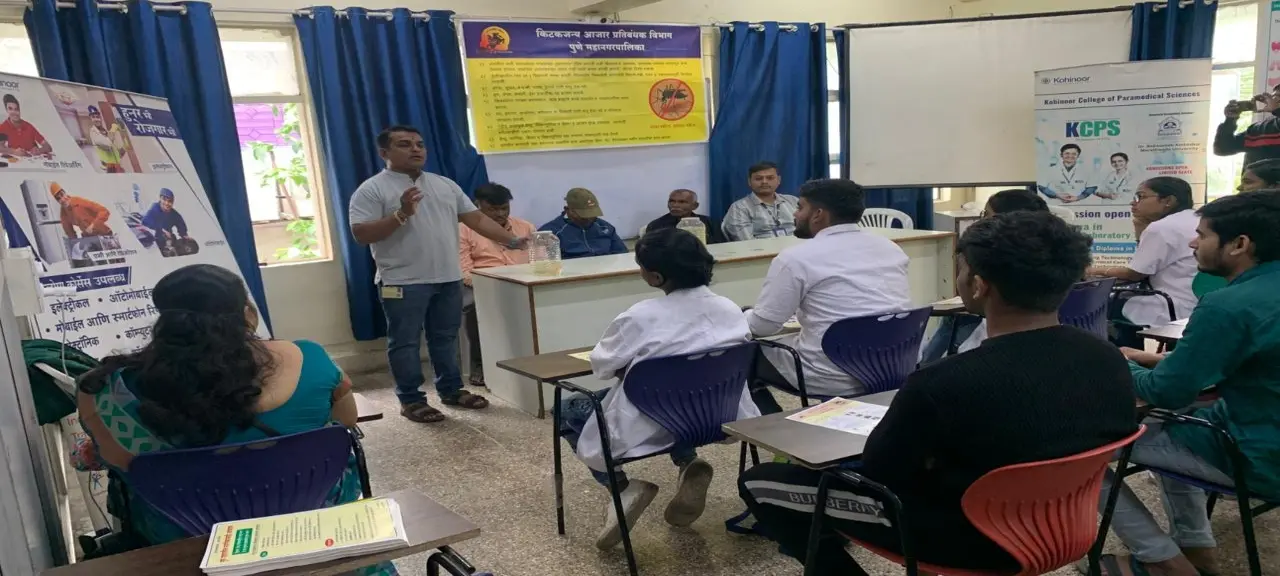
Pune civic body has attributed this success to early surveillance, rapid intervention, proactive planning, aggressive fieldwork, and public cooperation.
The Pune Municipal Corporation (PMC) data revealed that the city has witnessed a significant decline in the vector-borne diseases this year. According to the data, PMC recorded 636 suspected dengue cases and 34 confirmed ones from January to July 2024. During the same period this year, the numbers dropped to 233 and 11 confirmed cases, respectively. Meanwhile, chikungunya cases declined from 24 to just two. However, malaria cases saw a slight surge, with two cases this year compared to just one last year in the first seven months.
PMC has attributed this success to early surveillance, rapid intervention, proactive planning, aggressive fieldwork, and public cooperation.
Though the city has reported a significant drop in vector-borne diseases this year, health officials are urging residents to remain vigilant—especially during August and September, when a consistent surge in dengue cases is usually witnessed.
Speaking to mid-day.com, PMC Assistant Medical Officer, Dr Rajesh Dighe, said, "In a major public health achievement, PMC has successfully brought vector-borne diseases such as dengue, chikungunya, and Zika under control in 2025. We have seen nearly a 50 per cent reduction in cases till the end of July compared to the same period last year."
However, he cautioned that the fight is far from over.
“Historically, August and September witness a spike in dengue cases due to climatic conditions ideal for mosquito breeding. Although heavy rainfall may initially wash away mosquito larvae, the period following the monsoon—when water tends to stagnate in small containers—creates the perfect breeding ground for the Aedes aegypti mosquito, the primary vector for the dengue virus,” he explained.
The Aedes aegypti mosquito thrives in clean, stagnant water. Even very little water collected in a paper tea cup, flower pot, or bottle cap can become a breeding site. Unlike other mosquitoes, Aedes mosquitoes are active during the day and bite multiple times, thereby increasing the risk of transmission, added, officials informed.
“Once the rains reduce and water begins to stagnate—in plant trays, balcony corners, or uncovered containers—the mosquito population can increase rapidly.
People must routinely empty or clean any item that can collect water, whether indoors or outdoors,” Dr Dighe explained.
The fight against vector-borne diseases
The civic body surveyed more than 1.5 lakh households and 35,000 water storage containers as part of mosquito source reduction. The health department also identified and eliminated more than 480 breeding hotspots in residential and industrial areas.
In addition, over 2,300 anti-larval treatment rounds and more than 900 fogging drives were conducted throughout the city to break the mosquito life cycle.
Blood sample collection also played a key role, with nearly 5,000 samples tested through direct and indirect methods. The PMC worked closely with private hospitals and zonal medical teams to ensure prompt case reporting and adherence to treatment protocols.
A special public awareness campaign reached thousands of citizens through home visits, posters, and social media.
Extra attention was paid to locations that reported suspected dengue cases last year. Private hospitals were instructed to share timely data. Apart from this, the civic body released guppy fish into large water storage tanks.
“Citizens' support in keeping the surroundings clean and allowing health surveys was instrumental in this success,” said a senior PMC official.
PMC has rolled out a comprehensive action plan for the year 2025 which has now become a model for vector-borne disease control and could be replicated in other urban centres.
Dr Dighe added that while PMC's prevention campaigns and timely fumigation have helped reduce disease spread, community participation is essential in keeping dengue at bay.
Caution to be taken
Residents need to empty and clean water containers regularly
Water storage tanks and buckets must be kept covered
It is suggested to use mosquito nets and repellents
Experts also suggested wearing full-sleeved clothing during the day
Water stagnation in terraces, balconies, and plant pots should be prevented
 Subscribe today by clicking the link and stay updated with the latest news!" Click here!