
A Blood Moon occurs when the Moon passes completely into Earth’s shadow, causing it to glow in shades of red. The upcoming eclipse will be widely visible and memorable for skywatchers around the world, provided skies remain clear
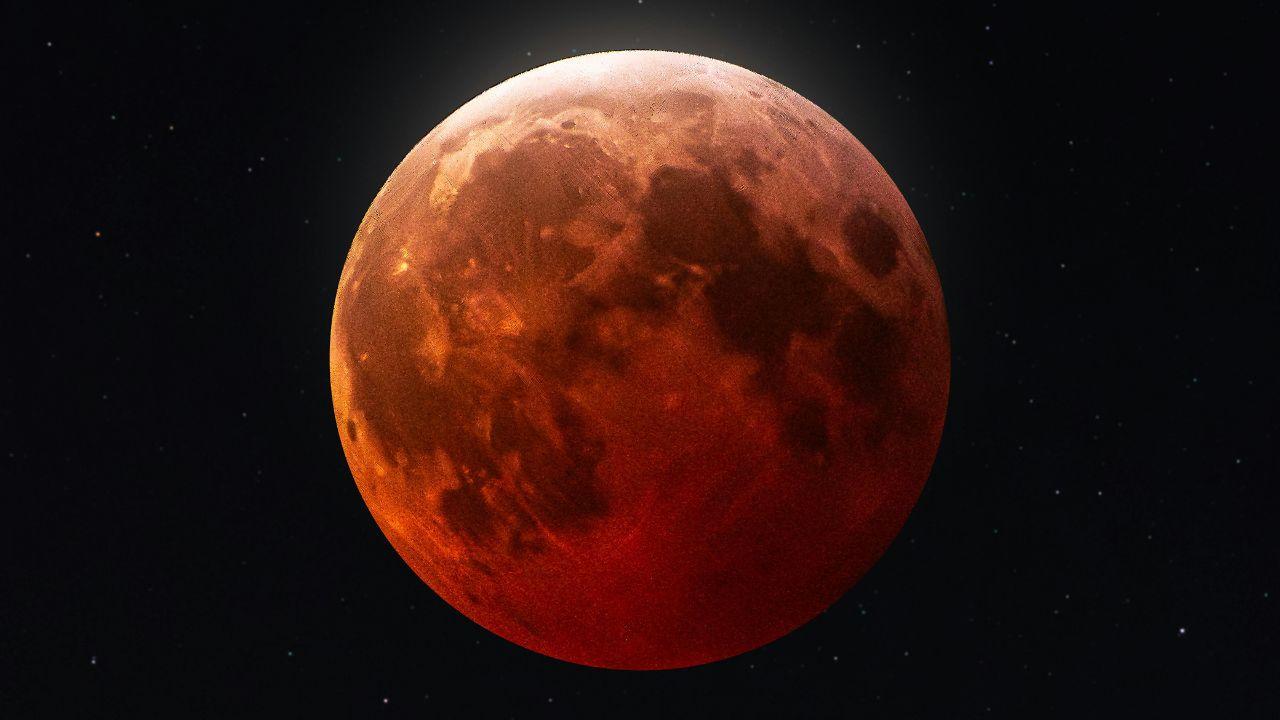
This rare event will not be seen again until 2026 and will be visible worldwide. Representational Pic
A rare celestial spectacle is set to unfold on the night of September 7–8, 2025, as a total lunar eclipse, popularly called a Blood Moon, will turn the Moon a deep crimson. This rare event will not be seen again until 2026 and will be visible across large parts of Asia, Australia, eastern Africa, and portions of Europe, including India.
A Blood Moon occurs when the Moon passes completely into Earth’s shadow, causing it to glow in shades of red. The upcoming eclipse will be widely visible and memorable for skywatchers around the world, provided skies remain clear.
Visibility in India
Stargazers in India will be able to witness the eclipse with the naked eye, though telescopes and DSLR cameras will enhance the experience. For the best view, observers are advised to head to rooftops, terraces, open fields, or parks away from urban light pollution.
Cities with best viewing opportunities:
North India: Delhi, Chandigarh, Jaipur, Lucknow
West India: Mumbai, Ahmedabad, Pune
South India: Chennai, Bengaluru, Hyderabad, Kochi
East India: Kolkata, Bhubaneswar, Guwahati
Central India: Bhopal, Nagpur, Raipur
Eclipse Timings (India Standard Time)
Eclipse ends: 2:25 AM, September 8
Totality phase: Lasts 82 minutes, when the Moon will appear at its deepest crimson
How to Capture the Best Chandra Grahan Shots on Mobile
Clicking stunning Blood Moon photos is all about preparation and stability. Always use a tripod or a stable surface to avoid shaky frames. For cameras, switch to manual mode, keep ISO low to reduce noise, and adjust shutter speed to prevent overexposure.
On mobiles, turn on night mode or long exposure, lock focus on the Moon, and use a timer or remote shutter to avoid blur. Taking multiple shots or using burst mode increases your chances of getting the perfect frame. Add-on zoom lenses or clip-on telephoto attachments can also help bring the Moon closer.
Nearly 85 per cent of the world’s population is expected to witness at least part of this eclipse, making it one of the most widely visible and spectacular lunar events of the decade.
No special protective gear is required to view a lunar eclipse. It can be safely observed with the naked eye. Binoculars or telescopes may be used for a clearer, more detailed view, but they’re not essential.
 Subscribe today by clicking the link and stay updated with the latest news!" Click here!