











For India, the spike is compounded by heavy reliance on Middle East air corridors for westbound flights to Europe, the UK, and North America. Closures of regional airspace, rerouted flights, and added war-risk insurance premiums are adding as much as Rs 20,000–35,000 per passenger on some routes
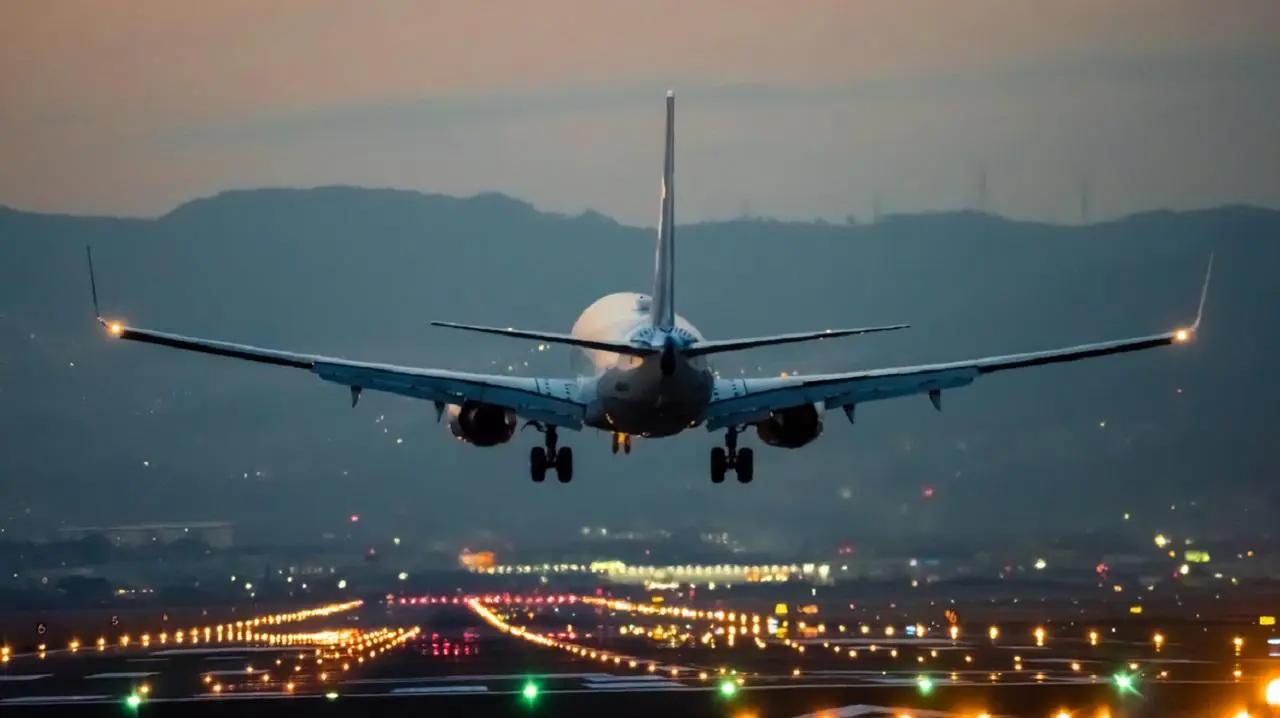
Jet fuel prices have escalated, from around USD 85-90 per barrel to USD 150-200 in many markets. Representational pic
Planning a trip to London? A Delhi–London return ticket that once cost Rs 60,000–80,000 is now crossing Rs 1 lakh — and often much higher for direct or last-minute bookings — due to airspace closures, longer rerouted flights, limited capacity, and war-risk insurance costs of up to Rs 20,000–35,000 per passenger.
The ongoing US-Israel war with Iran, which escalated in late February, has triggered a sharp rise in airline ticket prices affecting Indian travellers. Jet fuel prices have surged from around USD 85–90 per barrel to USD 150–200 in many markets following supply disruptions in the Gulf, near-paralysis of the Strait of Hormuz, and fears of prolonged shortages.
For India, the impact is compounded by heavy reliance on Middle East air corridors for westbound flights to Europe, the United Kingdom (UK), and North America. Airspace closures, longer rerouting, and war-risk insurance premiums are pushing up operational costs and airfares.
One-way fares in early March spiked dramatically, with some direct or premium options touching Rs 5–9 lakh amid flight suspensions and limited seat availability.
West Asia conflict: Domestic airlines report losses worth Rs 570 crore
Indian carriers have reported losses from over 1,770 international flight cancellations, amounting to roughly Rs 570 crore. Operational pressures from high aviation turbine fuel (ATF) taxes and value-added tax (VAT) in major cities such as Delhi and Mumbai are further straining airlines.
Domestic fares have risen about 13 per cent year-on-year, while international routes affected by West Asia disruptions have seen increases of 10–15 per cent or more.
Air India announces phased fuel surcharges
Air India, including Air India Express, has introduced phased fuel surcharges effective from March 12, citing ATF’s near-40 per cent share of operating costs.
Phase 1 (from March 12): Domestic/South Asian Association for Regional Cooperation (SAARC) routes Rs 399; West Asia/Middle East about Rs 830 (USD 10); Southeast Asia about Rs 4,980 (USD 60), up from about Rs 3,320; Africa about Rs 7,470 (USD 90), up from about Rs 4,980; Singapore included (previously none).
Phase 2 (from March 18): Europe about Rs 10,375 (USD 125), up from about Rs 8,300; North America/Australia about Rs 16,600 (USD 200), up from about Rs 12,450.
Phase 3: Far East (Hong Kong, Japan, South Korea) to be announced later.
The airline said existing tickets remain unaffected unless changed, but warned that without surcharges some flights may face cancellation. Other Indian carriers — including IndiGo, SpiceJet, and Akasa Air — have yet to announce similar measures, though industry-wide pressures suggest they could follow.
International carriers also raise surcharges amid West Asia conflict
Foreign airlines operating in India are also adjusting fares amid the West Asia conflict. Hong Kong-based Cathay Pacific and Scandinavia’s SAS have introduced fuel-related surcharges citing Gulf supply disruptions and geopolitical uncertainty.
Lufthansa, British Airways, Qantas, and Air New Zealand have raised fares broadly by around 5 per cent, with premium cabins seeing the fastest increases. Hong Kong Airlines has increased surcharges by up to 35 per cent on select routes.
A prolonged conflict could push fares higher, reduce flight capacity, and slow outbound travel. With oil markets remaining volatile, short-term airfares are expected to remain elevated.
 Subscribe today by clicking the link and stay updated with the latest news!" Click here!


