Good people
Updated On: 21 August, 2022 07:05 AM IST | Mumbai | Paromita Vohra
When caste is used to assert inherent goodness, those who are denounce critiques of casteism as being casteist, seem to melt away. Perhaps, in confusion





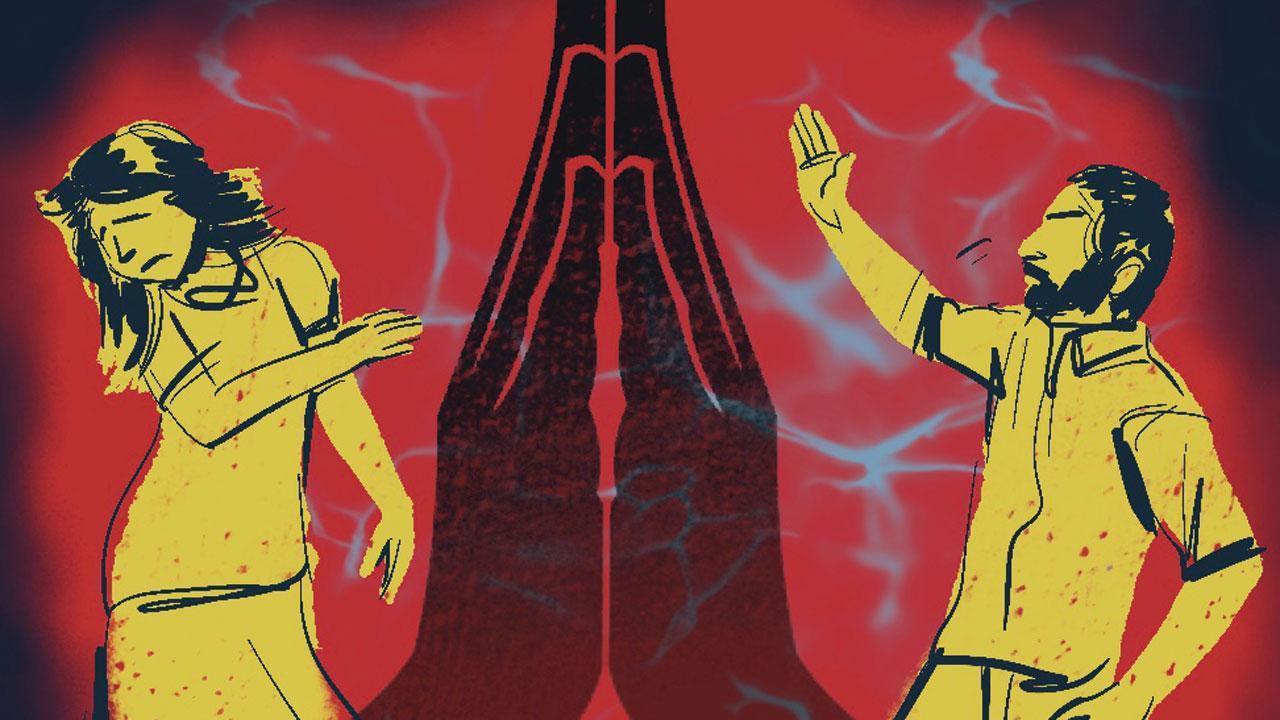
Illustration/Uday Mohite
 Some years ago, I interviewed a woman who was right-leaning, articulate, impassioned about women’s issues and concerned about children. While discussing caste-based sexual violence, she bristled, “Why do you want to bring caste into it? Sexual violence against any woman is bad, period.” Generalisations, especially about good and bad, often help create a pretend reality, featuring a pretend equality.
Most people who assume this position are intriguingly silent when someone makes an argument about innocence based on caste. Eleven men convicted of raping Bilkis Bano in the 2002 communal riots in Ahmedabad, and murdering her family, were freed on Independence Day, no less. MP, CP Raulji, on the panel that recommended their release defended them, saying, “I don’t know whether they committed the crime or not… Their conduct in jail was good, they were Brahmins... men with good sanskaar [values].” The claim of inherent virtue via identity overshadows the crime. When Bhanwari Devi, a grassroots worker in Rajasthan was gang-raped by upper caste men in 1992, a judge declared that a Brahmin man would obviously not touch a Bahujan woman. When caste is used to assert inherent goodness, those who are denounce critiques of casteism as being casteist, seem to melt away. Perhaps, in confusion.
Trending Stories
Latest Photos
Latest Videos
Latest Web Stories
ADVERTISEMENT

Ganeshotsav 2026

ADVERTISEMENT