Kohrra, an unlikely feminist masterwork
Updated On: 08 September, 2023 07:16 AM IST | Mumbai | Rosalyn D`mello
This fabulously written series may not pass the Bechdel test with flying colours, but its depiction of how patriarchy perpetuates itself and the price one must pay to escape its clutches is stellar





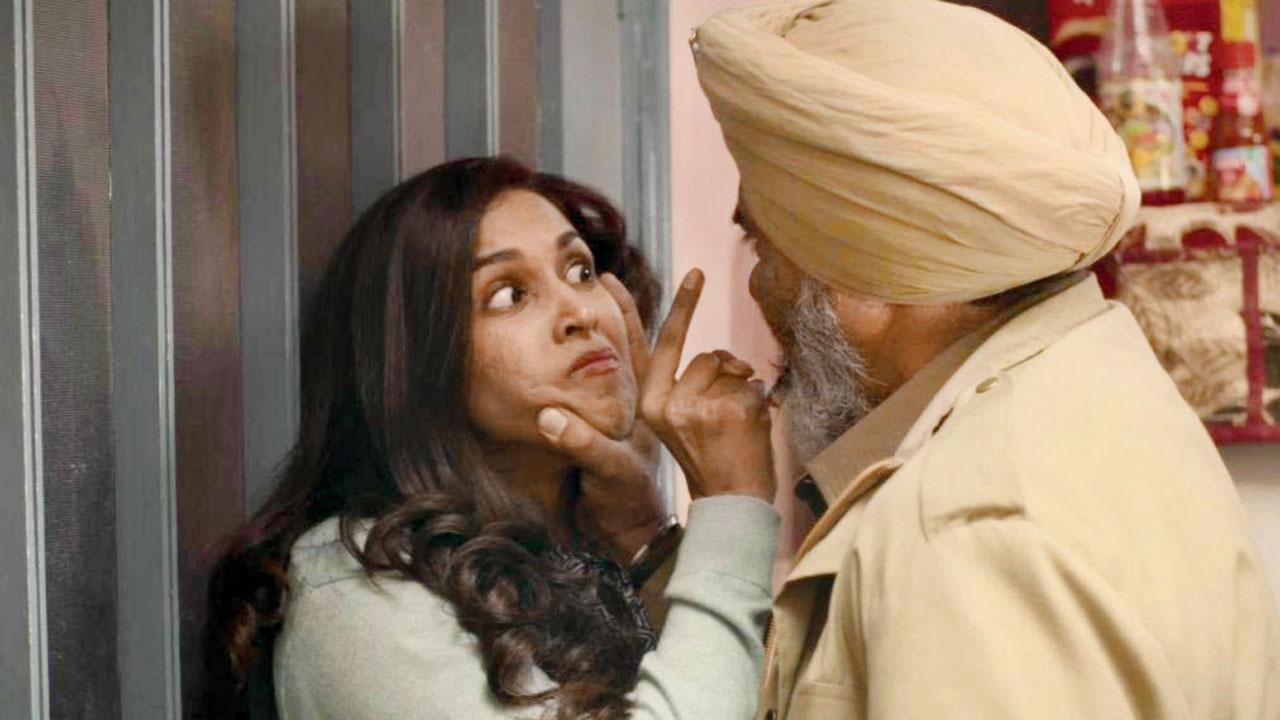
A still from the Netflix crime thriller series Kohrra
 If you were to ask me to describe the physical experience of watching Kohrra, I’d compare it to eating a stellar biryani—meaty, flavourful, nuanced, cooked to perfection, everything proportionately balanced and delicate. You wolf down a portion, then want seconds and thirds and before you know it, in two sittings you have binge-watched the series and you feel the stirrings of acidity in your belly. I’d only read rave reviews of the show, directed by Randeep Jha. Some people mentioned the excellent casting, the tenseness of the drama and the murder-mystery slant. Another person had a screenshot revealing they were listening to Wazir Patar’s Tere Baad, which made me curious and two weeks ago, my partner and I listened to it together and fell in love with it. It’s a ‘banger’, so to speak. Watching Kohrra was like leaving behind the cosmetic, preachy world of Made in Heaven and settling in for a ride that keeps you on the edge of your seat as it refuses to avoid the potholes or adhere to the speed limit.
I’ve been thinking about the ‘acidity’ feeling that takes over your belly after each episode. It has to do with how fabulously the series is written and enacted, how it goes into the trenches of patriarchy without ever using the word, subtly and carefully allowing the morass of it to unfold. It is set in Punjab and the state’s contemporary realities and culture are very much at the series’ heart, and yet, it feels microcosmic, elaborately and dramatically showing the diverse range of toxicities that infest both urban and rural Indian culture. At first, I felt disappointed that the lead was a male police officer, but as he steadily falls apart through the show’s trajectory, and aspects of his abusive patterns of behaviour are increasingly made known to us, it becomes clear how and why he functions as a figurehead. The series expertly shows different manifestations of patriarchy, and the lead character of Balbir Singh (Suvinder Vicky) aptly demonstrates the most mundane version of it—the controlling husband and father who uses violence to enforce subservience.
Trending Stories
Latest Photos
Latest Videos
Latest Web Stories
ADVERTISEMENT

Ganeshotsav 2026

ADVERTISEMENT