











Some experts say the quality of life in Indian cities is deteriorating, but their views sound divorced from reality
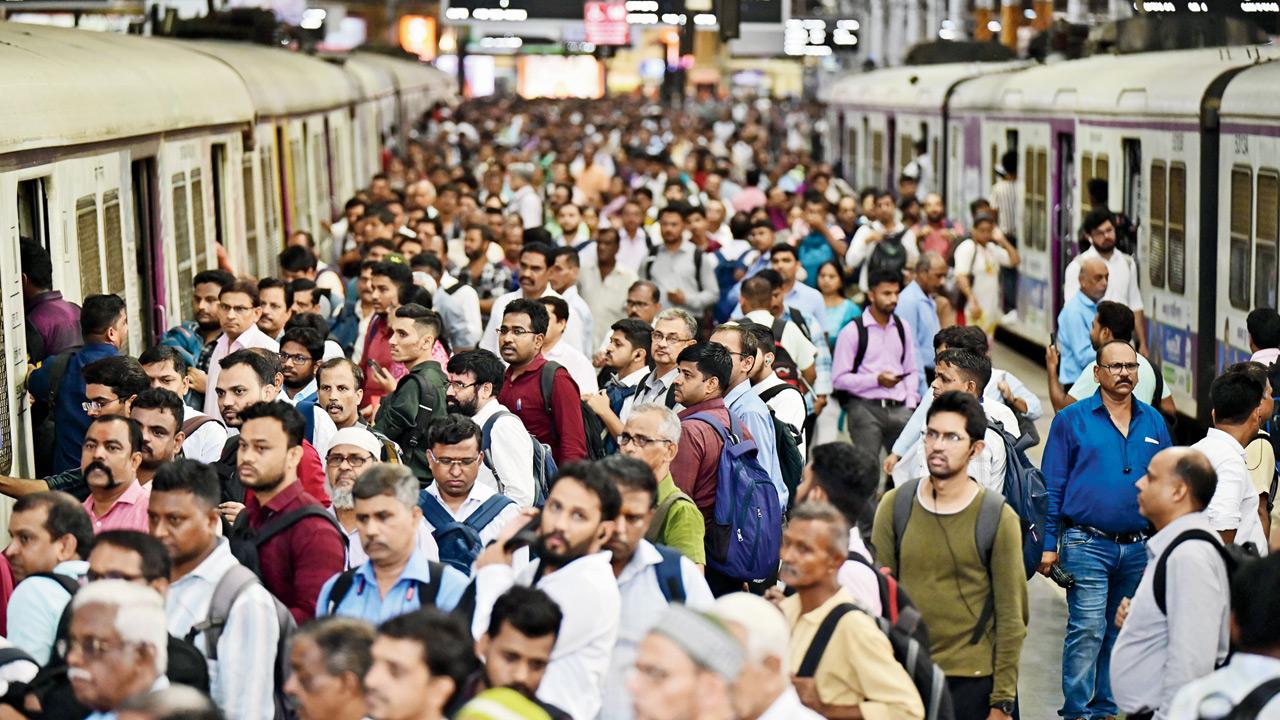
Ultimately, the question of liveability cannot and should not be discussed by experts. It should be decided by people who call a city home. File Pic/Shadab Khan

Are India’s cities really becoming unliveable? It’s a strange question that has begun to pop up a lot more in recent years, and one that always surprises me because of how irrelevant it appears to be. Who in their right mind would think of Bombay as unliveable, for example, given how the city is increasingly starting to resemble London or Paris? From the moment one steps off a train or airplane, it is obvious that this is one of the world’s most advanced places, so the idea that someone would dare suggest the opposite reeks of pessimism as well as insecurity. I would go so far as to suggest that the question is routinely being raised by one of our many enemies across the border. There is jealousy at work here.
It happened again this week, when I stumbled upon a report about how India’s economic growth is at odds with the quality of life in its cities. There were points being made there that didn’t appear to have any basis in reality, starting with a comment about housing being increasingly unaffordable. Apparently, more people are being priced out of apartments than ever before, which didn’t sound right given the abundance of advertisements for new projects on the Western Express Highway. I looked at listings of one-bedroom apartments in the suburbs and found a lot being sold for less than two crores, disproving that part of the report instantly. If India’s economy is now the world’s envy, doesn’t it stand to reason that a lot more Indians will have a few crores lying around?
The experts also mentioned daily commutes becoming longer and more stressful, which didn’t make sense either given how we have new and improved coastal roads announced every other year. They also referred to roads as poorly maintained, congested, and unsafe, which made me wonder when they had last travelled in Bombay. The roads here may need a bit of work, but I doubt any resident would call them unsafe. Also, everyone knows they aren’t congested between 1 am and 6 am, making that a sensible time to drive to or from work.
Then there were quibbles about disappearing green spaces, declining air quality, and the possibility of environmental catastrophes, all of which sounded like complaints about cities in other countries, given India’s commitment to the environment. It showed that the people behind the report hadn’t heard about Bombay Climate Week 2026, which saw the launch of the government’s own report titled ‘Climate in the Global South: Advancing Innovation and Collective Action’. The Chief Minister even referred to the city as a climate finance gateway, mentioned electric mobility, biofuels, and green hydrogen. Another minister spoke of Maharashtra becoming a model of how economic growth and environmental protection can go hand in hand. It is a little unfortunate that, just three weeks after this conference, the Supreme Court allowed the cutting of 45,000 mangroves for a Coastal Road project, but it’s the thought that counts.
What reports like these tend to miss is how open to interpretation the word ‘liveable’ is. Just because Indian cities rank low in the Global Liveability Index doesn’t mean they aren’t liveable. These rankings conveniently ignore the thousands of crores routinely invested in transforming urban centres, when proof of these investments is all around for anyone who cares to look. Who among us won’t visit a railway station anywhere on the Western or Central lines and say that it isn’t better managed and maintained than any railway station in Europe?
These reports also spend way too much time looking at informal housing, forgetting that Bombay now teems with luxury housing, which is all that should matter while evaluating the notion of liveability. Should a city be penalised simply because some people living there can’t afford to do so? It goes against the holy tenets of capitalism upon which so much of today’s India is built. It’s also why complaints about poor budget allocations to pedestrian infrastructure should be dismissed, because pedestrians should always be less important than motorists in any city aiming for greatness.
Ultimately, the question of liveability cannot and should not be discussed by experts. It should be decided by people who call a city home. Anyone and everyone who chooses to stay in Bombay knows it is only getting easier to live here, work here, and commute here, and anyone who disagrees with that fact should give up access to the world’s fourth largest economy and move to another country.
When he isn’t ranting about all things Mumbai, Lindsay Pereira can be almost sweet. He can be contacted at www.lindsaypereira.com
Send your feedback to mailbag@mid-day.com
The views expressed in this column are the individual’s and don’t represent those of the paper.
 Subscribe today by clicking the link and stay updated with the latest news!" Click here!


