shot-button
E-paper E-paper
Home > News > Opinion News > Article > The Surgical Curve

The Surgical Curve

Updated on: 21 September,2025 08:46 AM IST  |  Mumbai
Dr Mazda Turel |

Faced with a teen living with severe scoliosis, surgery proves the best way to give her the chance to stand tall, both literally and metaphorically

The Surgical Curve

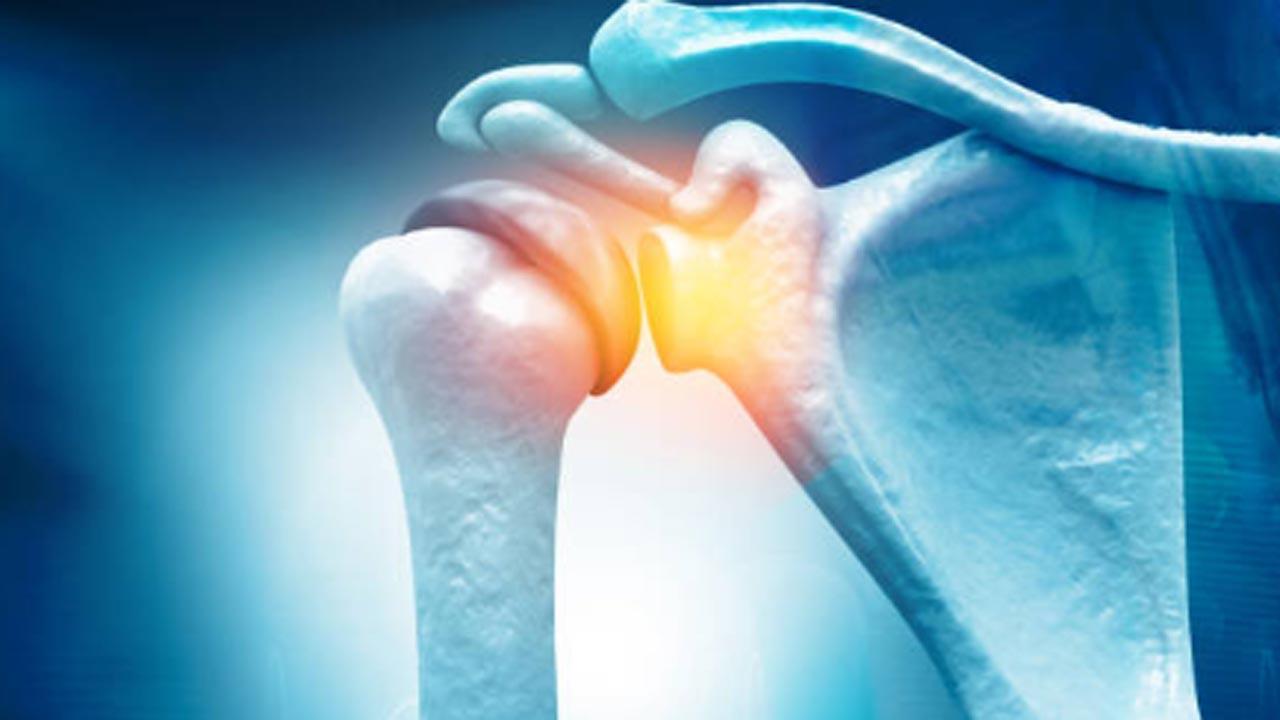
Representational pic/iStock

Dr Mazda TurelShe walked into my office with the awkward grace of a 16-year-old — lanky limbs, a schoolbag slung off one shoulder, and a smile that was equal parts shy and mischievous. Her mother followed, sari pleats in place, handbag clutched like a shield, her expression already rehearsed in worry.

“Doctor,” the girl said, before her mother could start, “my back is crooked.” Her mother sighed. “She complains of pain when she sits too long, and sometimes her friends tease her because her blouse doesn’t sit right,” I asked her to stand straight. She did, gamely. From behind, the curve was unmistakable; her spine swaying to one side like a reluctant dancer, pulling her shoulders and hips out of line. It was scoliosis — the kind that doesn’t just bend the body but also bends the confidence of a teenager learning how to occupy her own skin. She laughed when I asked her if she had trouble carrying her bag. “No, Doctor,” she said, “I just tell my brother to carry it for me.” It was 16 going on 60: she had already learnt the art of delegation.


Scoliosis is a three-dimensional deformity of the spine, most often showing up during adolescence. Instead of the spine standing tall and straight, it curves sideways, sometimes like a gentle arc, sometimes like an exaggerated question mark. For some it causes pain, for others difficulty in breathing, and for many, just the daily discomfort of being bent out of shape — physically and socially. When the curve is mild, we watch and wait, sometimes adding braces. But when it grows severe, surgery is the only way to set things right. Surgery doesn’t just correct posture; it realigns the body’s balance, prevents future complications, and very often gives back to a teenager the chance to stand tall, both literally and metaphorically.


Her scans showed thoracolumbar scoliosis from T4 (the fourth thoracic vertebra) to L3 (the third lumbar vertebra) — 12 levels of deformity. That’s almost the whole length of her visible spine, from the base of her neck down to her lower back. It wasn’t going to straighten itself. Every scoliosis case is a learning curve — in geometry, patience, and humility.

On the morning of surgery, she was wheeled in looking smaller than she had in my clinic. Anaesthesia eased her to sleep. We turned her prone, carefully padded, her back exposed like a canvas waiting for correction. Through a midline incision, we exposed the spine from T4 to L3. Each vertebra was identified, and we placed screws with the precision of threading beads into a necklace. On one side of the curve, rods were fixed and gently rotated, gradually de-rotating the twisted vertebrae. On the other, the rod was fixed to balance the pull. The spine, which had curved like a bowstring, began to straighten under steady, controlled force.

Bit by bit, vertebra by vertebra, the arc dissolved. The correction was not just mechanical; it was aesthetic. A back that had once looked tilted now looked symmetrical. Shoulders levelled. A waistline returned. Even under drapes and monitors, you could sense the transformation. After tightening every screw, locking every rod, and checking alignment, we closed the incision in layers. What had been a crooked silhouette was now as straight as nature had originally intended.

She woke up groggy, immediately asked for her mother, and then, with teenage priorities intact, asked for her phone. Pain management was critical in the days that followed, but her smile returned quickly. On day three, she stood up, her posture a revelation. “I look taller!” she declared, delighted. Her mother nodded, tears balancing on her lashes. There was just one problem: she hadn’t passed stool since the surgery. Painkillers and immobility can slow the bowels to a stubborn halt. By day five, the whole ward knew she was waiting. By day seven, just before discharge, it happened — a massive potty, so triumphant that she announced it like a board exam result. “Doctor,” she said, glowing with relief, “now I feel truly light.”

Curves define us more than we admit. There are curves in spines, in roads, in relationships, in stories, even in careers. Some curves throw us off balance, while some steady us. For surgeons, every patient is part of a larger learning curve that teaches us restraint, precision, and the courage to straighten what seems unstraightenable. For patients, especially teenagers, the curve can become a shadow, bending self-image and self-esteem. Correcting it is not just surgery; it is, in a sense, psychology.

This patient reminded me that surgery is about more than angles and screws. It is about letting a girl walk along a college corridor without feeling that her body has betrayed her. It is about giving her the chance to stand tall in family photographs, letting her shoulders and spirit line up with each other again.

She left the hospital 10 days later, her gait steady, her smile brighter, and her mother visibly taller too, her shoulders free of years of worry. In the end, the curve in her spine had been straightened, the curve of her journey had bent towards joy, and my own learning curve had moved a bit further in the right direction. 

Sometimes surgery is about saving lives. Sometimes it is about saving the simple joy of standing straight. And occasionally, it is about making sure a 16-year-old has both a straighter spine and a spectacular potty story to tell.

The writer is practising neurosurgeon at Wockhardt Hospitals. He posts on Instagram @mazdaturel mazda.turel@mid-day.com 

"Exciting news! Mid-day is now on WhatsApp Channels Subscribe today by clicking the link and stay updated with the latest news!" Click here!

Did you find this article helpful?

Yes
No

Help us improve further by providing more detailed feedback and stand a chance to win a 3-month e-paper subscription! Click Here

Note: Winners will be selected via a lucky draw.

Help us improve further by providing more detailed feedback and stand a chance to win a 3-month e-paper subscription! Click Here

Note: Winners will be selected via a lucky draw.

Dr Mazda Turel news columnists health Health And Wellness

Mid-Day Web Stories

Mid-Day Web Stories

This website uses cookie or similar technologies, to enhance your browsing experience and provide personalised recommendations. By continuing to use our website, you agree to our Privacy Policy and Cookie Policy. OK