shot-button
E-paper E-paper
Home > News > Opinion News > Article > Trump tariffs Indians will face the consequences

Trump tariffs: Indians will face the consequences

Updated on: 01 August,2025 07:24 AM IST  |  Mumbai
Parsh Chokshi | mailbag@mid-day.com

The decision announced by US President Donald Trump in trademark no-nonsense style, is being seen as a bold political move with real economic consequences for businesses and everyday Indian households

Trump tariffs: Indians will face the consequences

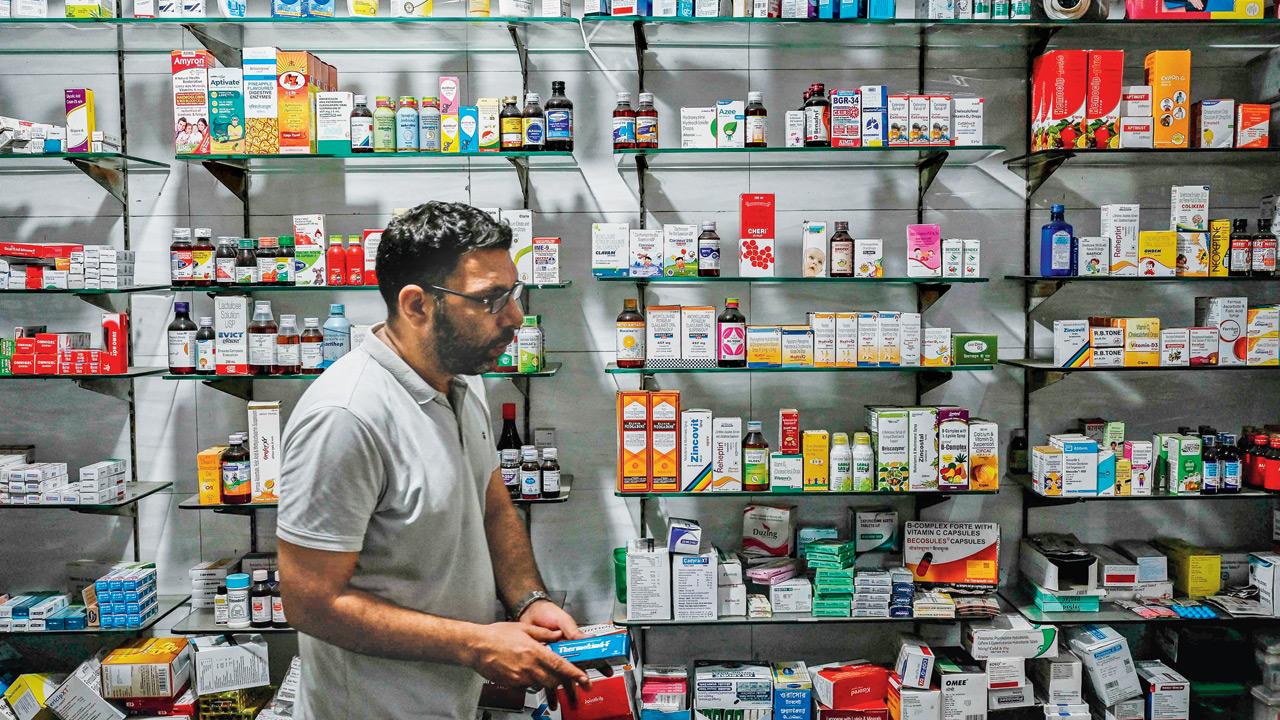
Prices of domestic medicines — especially generic ones used by middle-income families — could be impacted. REPRESENTATION PIC

Listen to this article
Trump tariffs: Indians will face the consequences
x
00:00

Parsh ChokshiA fresh trade war may be brewing and India’s middle class could soon feel the heat. Starting today, the US has imposed a 25 per cent tariff on a range of Indian exports. The decision announced by US President Donald Trump in trademark no-nonsense style, is being seen as a bold political move with real economic consequences for businesses and everyday Indian households.

Cause and common man


The US says India has been playing tough. The country is keeping high import duties, creating complex rules for foreign businesses and cosying up to Russia. As a result, Trump has imposed penalty tariffs on several key Indian goods heading to the US. Some of these are: Pharmaceuticals, textiles and garments, jewellery and diamonds, auto parts, machinery, and organic chemicals.


The common man might not be exporting cars or diamonds, yet, there will be a trickle-down effect.

>> Jobs at risk: If US buyers cut orders due to costlier imports, Indian factories may slow production. That means potential job cuts or reduced shifts, especially in hubs like Tirupur (textiles), Surat (gems), Pune (auto parts) and Baddi (pharma).

>> Prices may go up: India may hit back with its own tariffs. If that happens, American goods here could become more expensive. Think imported snacks, gadgets, supplements, and even some learning tools your kids use. A college student buying a new iPad or a fitness-conscious parent ordering multivitamins may soon feel the pinch.

>> Effect on medicine availability: India’s pharma exports to the US are huge. If margins drop, companies might reduce production or focus elsewhere. That could impact domestic medicine prices, especially generic ones used by middle-income families.

>> Fuel, grocery bills may rise: Less dollar income from exports equates to a weaker rupee. A weaker rupee translates to costlier imports like oil, gas, and cooking ingredients. In layman’s terms, your monthly petrol bill or edible oil price might quietly creep up.

>> Effect on small vendors: Many small businesses work indirectly with exporters, making zippers, packaging boxes, chemicals, or transport services could be impacted. As orders shrink, their incomes could drop too.

Not just business

This isn’t just about business. Trump’s move is also a strategic message to India over its growing role in BRICS, efforts to reduce reliance on the US dollar, and continued trade with Russia, which others have reduced.

Stay the course?

India’s global posture has always been rooted in strategic autonomy — importing discounted Russian oil, defending tariff sovereignty, and engaging with BRICS and other South Asian platforms. While this enhances independence, it also brings diplomatic and trade friction with the West. If India does decide to change its stance, the same would affect industries drastically and make it more expensive for the common man (fuel prices, among others, will be higher, and India will not be able to compete with international products).

Last words

Like the recent India vs England Test draw, this tariff situation might not end in a clear winner, but everyone will feel the bruises. And in this match, the scoreboard isn’t just about exports, it’s about household budgets, small vendors, and salaried lives. The 2025 foreign policy isn’t just about diplomats shaking hands. It’s about you standing in line at the petrol pump, wondering why mustard oil costs Rs 40 more. While India is currently certainly not singing, ‘tariff karoon kya uski, jisne ise lagaaya’, the full impact of these tariffs will unfold over weeks, not days.

‘Make more in India’

The imposition of a 25 per cent tariff by the US on Indian goods underlines the urgency for India’s electronics sector to diversify export markets, deepen domestic markets, develop Indian brands and products, and move up the value chain to reduce dependency on price-sensitive, tariff-exposed exports.

As India does not make many semiconductors, it won’t be affected in the short term. We hope that the ongoing final trade negotiations will create some positive outcome in the next few weeks or months, as both countries may want to find a good balance.

Ashok Chandak, president, India Electronics & Semiconductors Association (IESA)

What gets costlier

India being a developing country has charged higher tariffs.
Average tariff: 17.6% In contrast…
China: 7.5%
US: 3.4%
EU: 5.1% High duties exist on…
Cars: Up to 100%
Alcohol: Over 150%
Electronics: 15-25%
These tariffs protect domestic industry but have become a thorn in international trade negotiations and a key reason for Trump’s punitive action.

"Exciting news! Mid-day is now on WhatsApp Channels Subscribe today by clicking the link and stay updated with the latest news!" Click here!

Did you find this article helpful?

Yes
No

Help us improve further by providing more detailed feedback and stand a chance to win a 3-month e-paper subscription! Click Here

Note: Winners will be selected via a lucky draw.

Help us improve further by providing more detailed feedback and stand a chance to win a 3-month e-paper subscription! Click Here

Note: Winners will be selected via a lucky draw.

india economic relationships columnists united states of america Trade news

Mid-Day Web Stories

Mid-Day Web Stories

This website uses cookie or similar technologies, to enhance your browsing experience and provide personalised recommendations. By continuing to use our website, you agree to our Privacy Policy and Cookie Policy. OK