










Many heritage landmarks in the city have earned nods from the world body for their historicity or restoration. But is enough being done to protect them, and showcase them to the aam admi?
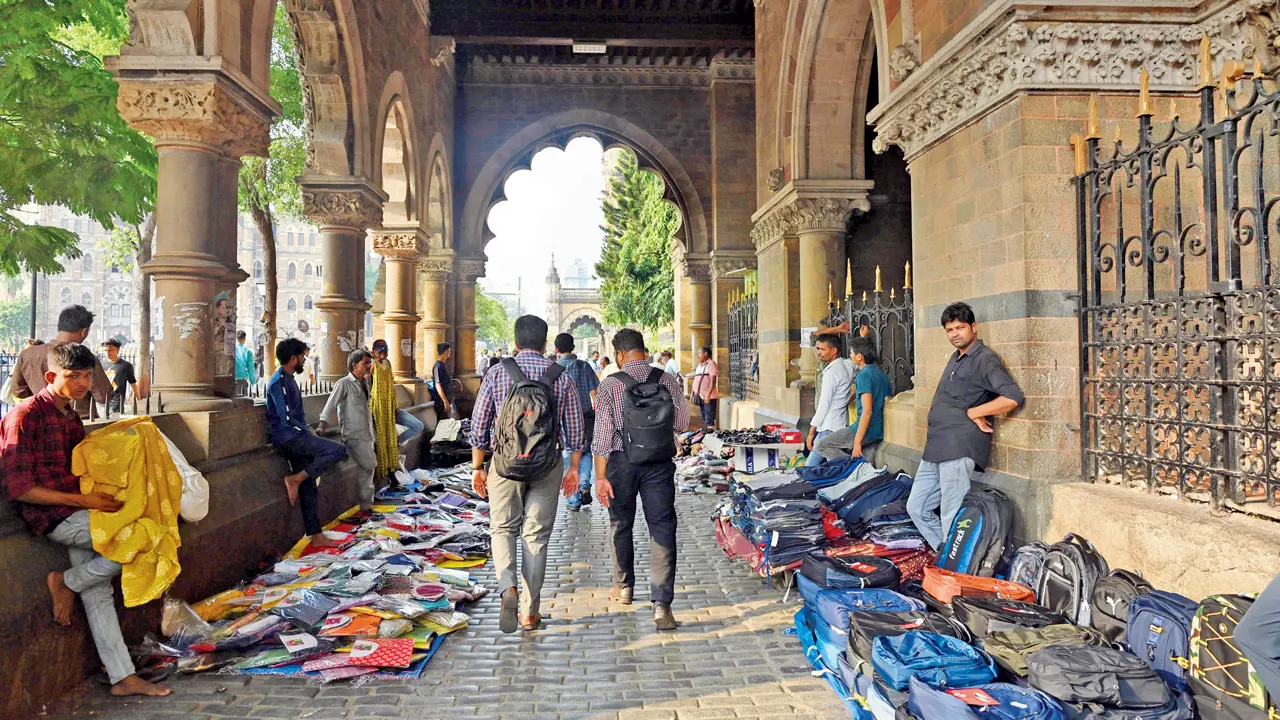
Hawkers outside CSMT continue to thrive outside the world-famous railway terminus. File pic/Atul Kamble
 Earlier this month, Ashish Shelar, Maharashtra’s cultural affairs minister, travelled to France to formally receive the UNESCO World Heritage certificate, which recognised the 12 Maratha forts under the title ‘Maratha Military Landscapes of India’ that were inscribed during the 47th session of UNESCO held on July 11, 2025. The ceremony took place at UNESCO’s headquarters in Paris. The handing over of the certificate culminates, as with any inscription, the long journey of documentation, presentations and follow-ups by the state government and concerned stakeholders who highlighted its relevance to a global audience.
The forts in this list include Raigad, Shivneri, Lohagad, Panhala, Salher, Sindhudurg, Pratapgad, Rajgad, Suvarnadurg, Vijaydurg, Khanderi, and Gingee Fort in Tamil Nadu. These citadels celebrate a visionary model template, where tactical brilliance blends with regional topography.
Those who’ve trekked to reach these forts’ summits marvel at their architecture. They would also agree that most forts are in neglect, and require immediate safeguarding. This holds true now, even more, with global recognition. When I had interviewed some of the city’s historians and conservation architects soon after the news about the forts’ inscription was announced last year, a majority felt that the real work had only just begun.
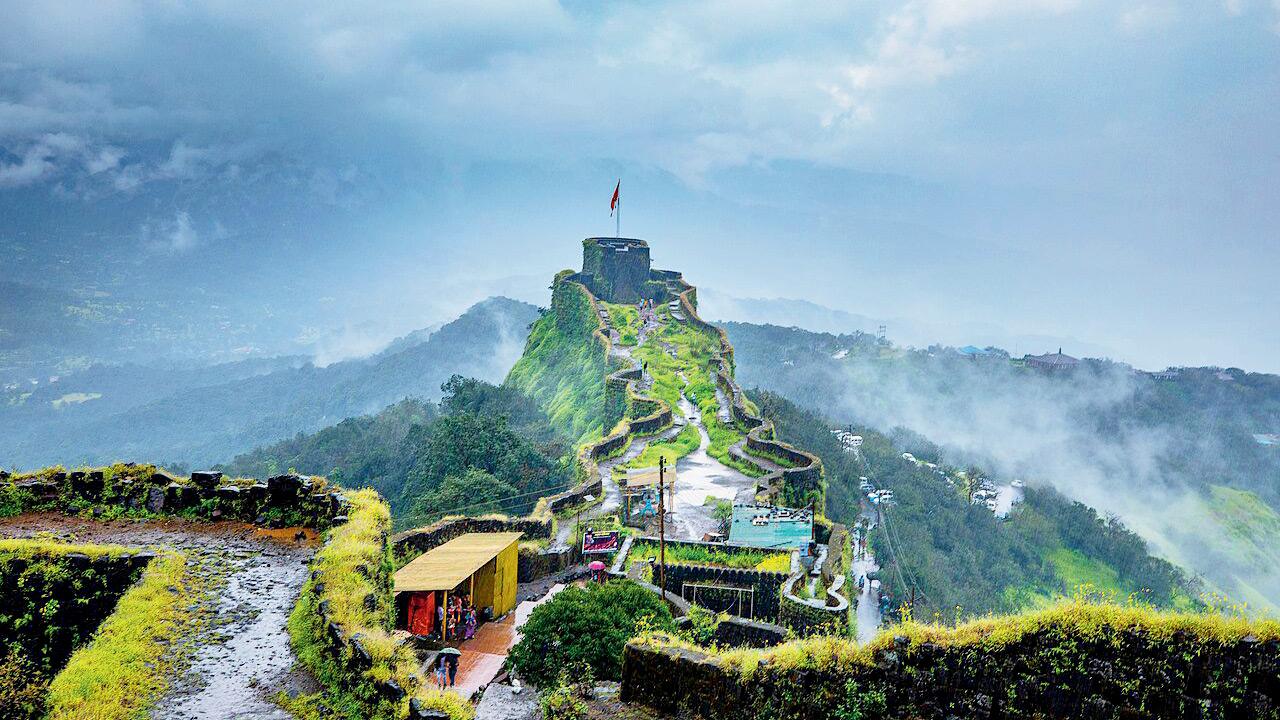
Forts like the newly-inscribed Pratapgad must be protected from encroachments and vandalism. PIC COURTESY/ WIKIMEDIA COMMONS
From establishing a monitoring committee, to protecting the site from new development and encroachments, and creating a buffer zone, there were plenty of useful suggestions. It reiterated the fact that their magnificence must not fall by the wayside after the initial excitement over the inscription had died down.
Closer home, Mumbai’s boasts of three UNESCO World Heritage Sites, but all isn’t necessarily well. French President Emmanuel Macron made a whistle-stop visit to CSMT (formerly Victoria Terminus), and we hope it had something to do with its UNESCO tag, but does the average commuter who blitzes past its platforms daily, care about its legacy and stunning architecture? My guess is as good as yours. Secondly, and unless you’ve been living under a rock, you cannot miss the eyesores that dot the boundaries of this grand terminus. There was a time soon after it had opened, when it was hailed as one of the most photographed structures in the Indian Subcontinent, second only to the Taj Mahal.
Likewise, with the Elephanta Caves, Mumbai’s first UNESCO World Heritage Site. Unchecked vandalism, hawkers and garbage remain a permanent concern in and around this historic site. The hope is that these newly-inscribed forts might stand a better chance at being protected since they are away from urban threats. Apart from these inscribed sites, countless diverse landmarks in the city have earned accolades from UNESCO for their conservation efforts. From Flora Fountain and the Royal Opera House, to the 16th century Our Lady of Grace Cathedral in Papdy, Vasai, which won the Award of Merit last week at the Asia Pacific Awards for Cultural Heritage Conservation, each diverse site is a success story in heritage conservation. It’s a matter of pride as the city continues to win prestigious heritage conservation awards, year after year, at the international level.
Still, enough isn’t being done to create sustained interest among the common man. Often, after the excitement of press coverage and official acknowledgements from the Central and state governments, the impact of the achievement dies down. This is where local authorities should step in, and create year-round engagements, across age groups and at different platforms. Ideally, such sites should be included in school and college syllabi.
In Mumbai, it’s almost always left to the resilient heritage community and local residents.
How can we not mention the band of enthusiastic citizens who ensured that the Victorian Gothic and Art Deco Ensembles earned a UNESCO World Heritage Site inscription in 2018? And these residents haven’t rested on those laurels, carrying on with raising awareness about these early examples of modern urban living.
If we wish to be referred to as a heritage-friendly city, landmarks of historic value, with or without UNESCO recognition, must be put into the spotlight to instil enthusiasm and pride. Mumbai must walk the heritage talk.
mid-day’s Features Editor Fiona Fernandez relishes the city’s sights, sounds, smells and stones...wherever the ink and the inclination takes her. She tweets @bombayana
Send your feedback to mailbag@mid-day.com
The views expressed in this column are the individual’s and don’t represent those of the paper.
 Subscribe today by clicking the link and stay updated with the latest news!" Click here!