shot-button
E-paper E-paper
Home > News > World News > Article > Enemy cant snatch even single drop of water says Pakistan PM on India holding IWT in abeyance

Enemy can't snatch even single drop of water, says Pakistan PM on India holding IWT in abeyance

Updated on: 13 August,2025 10:53 AM IST  |  Islamabad
ANI |

Following the Pahalgam terrorist attack in April, which killed 26 people, India has, in exercise of its rights as a sovereign nation under international law, placed the Indus Waters Treaty (IWT) in abeyance until Pakistan credibly and irrevocably abjures its support for cross-border terrorism


Enemy can't snatch even single drop of water, says Pakistan PM on India holding IWT in abeyance

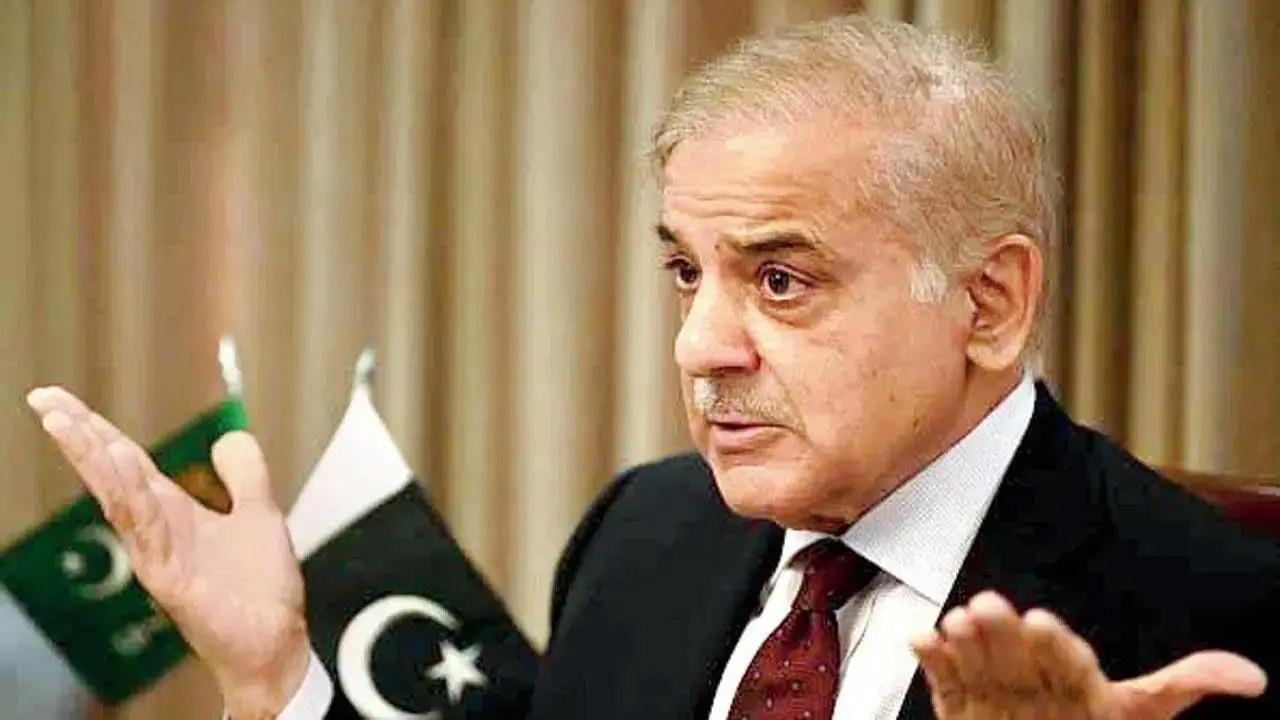
Shehbaz Sharif. File Pic

Listen to this article
Enemy can't snatch even single drop of water, says Pakistan PM on India holding IWT in abeyance
x
00:00

Pakistan Prime Minister Shehbaz Sharif on Tuesday claimed that any attempt to stop the flow of water into Pakistan is in violation of the Indus Waters Treaty, and would be met with a "decisive response". Addressing an event in Islamabad, he said: "Enemy [India] can't snatch even a single drop of water from Pakistan."

He said, "You threatened to stop our water. If you attempt such a move, Pakistan will teach you a lesson you will never forget." PM Shehbaz emphasised that water was a lifeline for Pakistan, and no compromise would be made on the country's rights under international agreements, as per Geo News.


Following the Pahalgam terrorist attack in April, which killed 26 people, India has, in exercise of its rights as a sovereign nation under international law, placed the Indus Waters Treaty (IWT) in abeyance until Pakistan credibly and irrevocably abjures its support for cross-border terrorism. The Indus Waters Treaty was signed in 1960, following nine years of negotiations between India and Pakistan, with the assistance of the World Bank, which is also a signatory.


Former World Bank President Eugene Black initiated the talks. Recognised as one of the most successful international treaties, it has endured frequent tensions, including conflict, and has provided a framework for irrigation and hydropower development for over half a century. Former US President Dwight Eisenhower described it as "one bright spot in a very depressing world picture that we see so often."

The Treaty allocates the Western Rivers (Indus, Jhelum, Chenab) to Pakistan and the eastern rivers (Ravi, Beas, Sutlej) to India. At the same time, the Treaty allows each country certain uses of the rivers allocated to the other. The treaty gives India 20 per cent of the water from the Indus River System and the rest 80 per cent to Pakistan. The IWT was in the spotlight in the aftermath of the Pulwama attack in 2019. The Treaty has been criticised for being too generous to Pakistan, even when it has continued to promote terror in India.

This story has been sourced from a third party syndicated feed, agencies. Mid-day accepts no responsibility or liability for its dependability, trustworthiness, reliability and data of the text. Mid-day management/mid-day.com reserves the sole right to alter, delete or remove (without notice) the content in its absolute discretion for any reason whatsoever

"Exciting news! Mid-day is now on WhatsApp Channels Subscribe today by clicking the link and stay updated with the latest news!" Click here!

Did you find this article helpful?

Yes
No

Help us improve further by providing more detailed feedback and stand a chance to win a 3-month e-paper subscription! Click Here

Note: Winners will be selected via a lucky draw.

Help us improve further by providing more detailed feedback and stand a chance to win a 3-month e-paper subscription! Click Here

Note: Winners will be selected via a lucky draw.

pakistan Pahalgam terror attack world news International news islamabad

Mid-Day Web Stories

Mid-Day Web Stories

This website uses cookie or similar technologies, to enhance your browsing experience and provide personalised recommendations. By continuing to use our website, you agree to our Privacy Policy and Cookie Policy. OK