Home / News / World News / Article /
Graphene may have been produced in Edison’s first light bulb, study finds
Updated On: 28 January, 2026 06:44 AM IST | New York | Agencies
The team replicated the US inventor’s carbon-filament bulb design and applied electrical conditions similar to those used in the 19th century





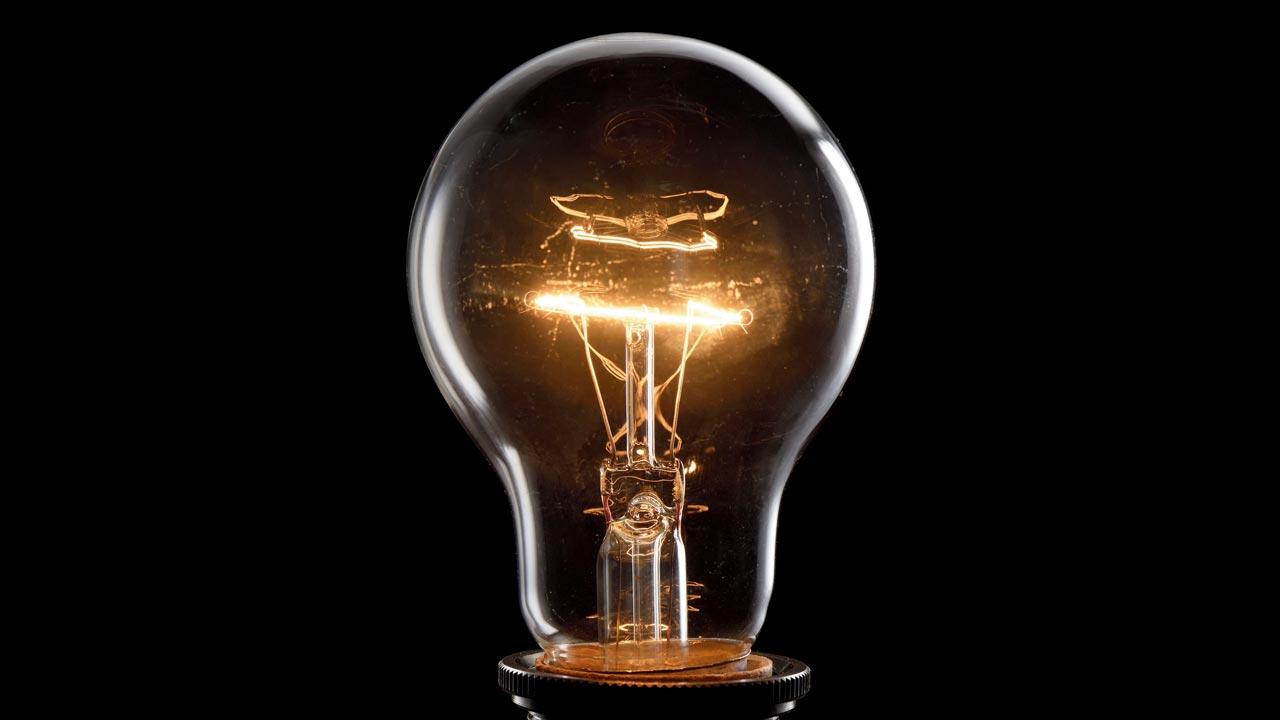
Thomas Edison developed his first light bulb over 100 years ago, in 1879. Representational pic/iStock
Researchers in the US have uncovered evidence suggesting that Thomas Edison may have accidentally produced graphene over a century before it was formally identified, while developing his first light bulb in 1879. The study aimed to reconstruct Edison’s original light bulb experiments using modern analytical tools.
The team replicated the US inventor’s carbon-filament bulb design and applied electrical conditions similar to those used in the 19th century. Researchers then realised that parts of the filament transformed into turbostratic graphene.
Trending Stories
Latest Photos
Latest Videos
Latest Web Stories
ADVERTISEMENT

Ganeshotsav 2026

ADVERTISEMENT