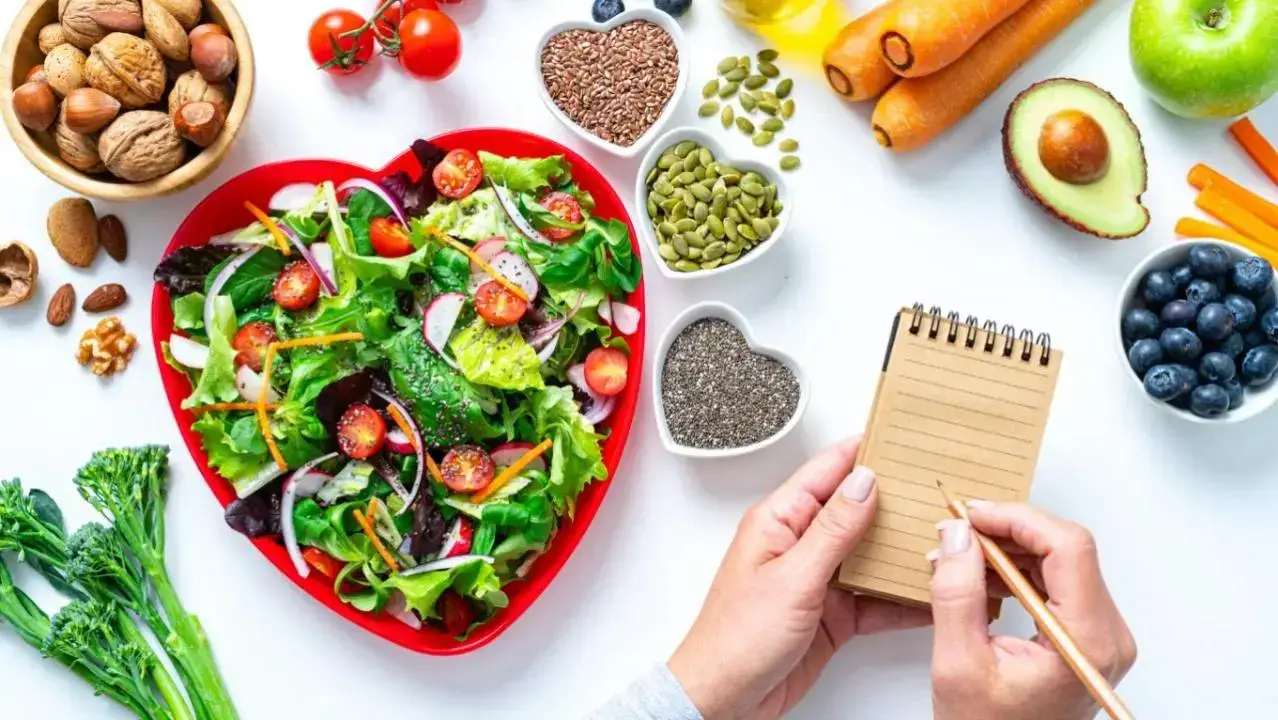
Announcing the new guidelines, Health and Human Services Secretary Robert F Kennedy Jr and Department of Agriculture Secretary Brooke Rollins said the policy places “real, whole foods at the centre of health”, moving away from highly processed diets that have contributed to a growing public health crisis in the country

The 2025–2030 guidelines aim to re-establish food, rather than pharmaceuticals, as the foundation of good health, the government stated. Representational pic
The United States (US) Department of Health and Human Services (HHS), along with the Department of Agriculture (USDA), has released the Dietary Guidelines for Americans, 2025-2030, marking what officials describe as the most significant reset of federal nutrition policy in decades.
Announcing the guidelines, HHS Secretary Robert F Kennedy Jr and USDA Secretary Brooke Rollins said the policy places real, whole foods at the centre of health, moving away from highly processed diets that have contributed to a growing public health crisis in the US.
"This Guidelines return us to the basics," Kennedy said, adding, "American households must prioritise whole, nutrient-dense foods - protein, dairy, vegetables, fruits, healthy fats, and whole grains - and dramatically reduce highly processed foods. This is how we Make America Healthy Again."
Rollins added that the guidelines align the country's food system with public health goals and support American farmers and ranchers.
"We are realigning our food system to put families and children first and ensure more real food on American dinner tables," she said.
Key recommendations
The guidelines emphasise high-quality protein, healthy fats, whole grains, and fruits and vegetables, while calling for a reduction in highly processed foods, added sugars, refined carbohydrates, and artificial additives.
Prioritising protein: Nutrient-dense animal and plant-based sources, including eggs, poultry, seafood, red meat, beans, lentils, legumes, nuts, and seeds.
Avoiding highly processed foods: Packaged, ready-to-eat, sugary, and salty foods, along with sugar-sweetened beverages.
Eliminating added sugars: Especially for children under four, no amount of added sugar or non-nutritive sweeteners is recommended.
Healthy fats: Focus on whole food sources such as eggs, meats, seafood, nuts, seeds, olives, avocados, and full-fat dairy.
Whole grains over refined carbohydrates: Prioritise fibre-rich grains and limit white bread, packaged breakfast items, and refined snacks.
Lower-carbohydrate diets: Recommended for individuals with certain chronic diseases to improve health outcomes.
The guidelines provide tailored recommendations for infants, children, adolescents, pregnant and lactating women, older adults, and vegetarians or vegans, ensuring nutritional adequacy across all stages of life.
Public health and cost implications
Nearly 90 percent of US healthcare spending is directed towards treating chronic diseases, many of which are diet-related. More than 70 percent of adults are overweight or obese, while one in three adolescents has prediabetes. These conditions also affect military readiness, with 77 percent of military-aged youth ineligible for service due to diet-related chronic diseases, the US HHS website stated.
According to the departments of HHS and agriculture, the reset could lower healthcare costs by reducing chronic disease. For instance, a recent study of Medicare beneficiaries found that a 15 percent weight reduction could save nearly USD 1,000 per year per person in healthcare spending.
The guidelines also aim to reform federal nutrition programmes, including school meals, military and veteran nutrition programmes, and child nutrition initiatives, to prioritise affordable, nutrient-dense foods.
Science and policy focus
The Donald Trump administration has framed the guidelines as a return to science-driven, common-sense policy, prioritising health outcomes over social or political frameworks, and removing incentives for low-quality, highly processed foods. The US Government said the new guidance represents a long-term effort to educate Americans, improve public health, and support farmers producing real food.
Subscribe today by clicking the link and stay updated with the latest news!" Click here!