







But the most remarkable discovery may be the chemical connection we share. When dogs and humans make eye contact, both partners experience a surge of oxytocin, often dubbed the “love hormone”
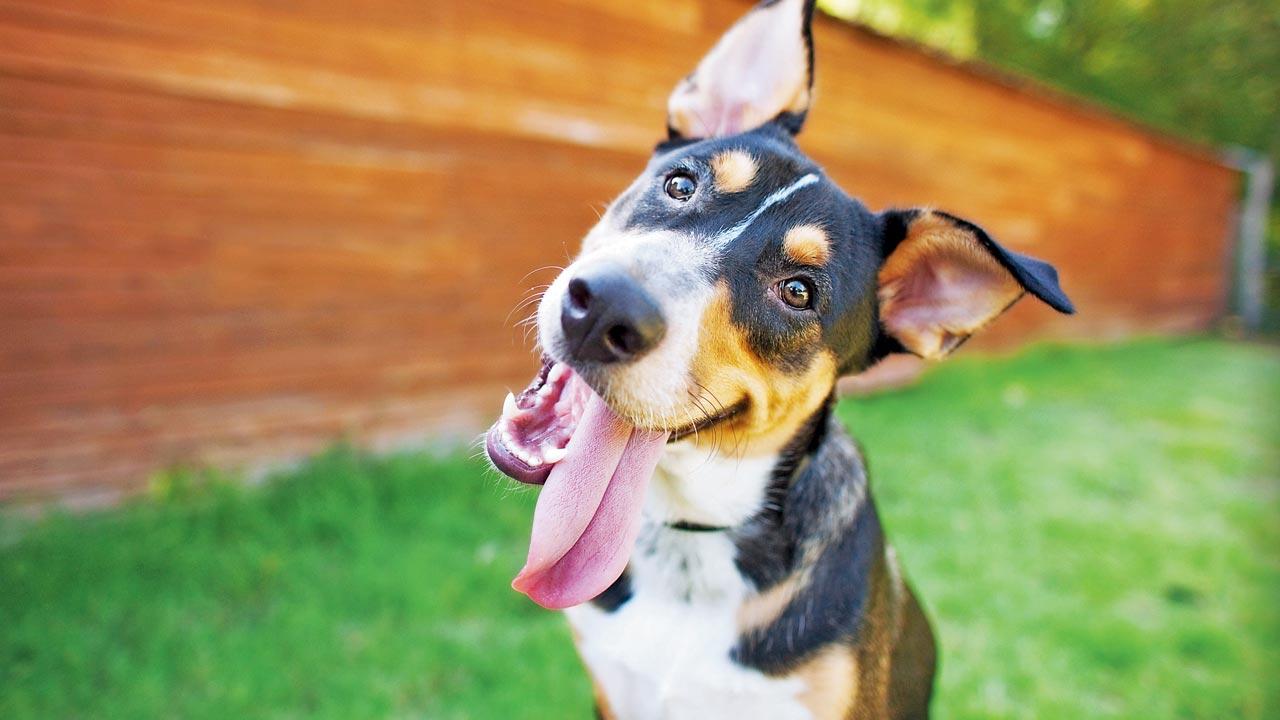
Dogs can read human emotions. Representation pic/iStock
In a brain imaging study, researchers found that dogs possess voice-processing regions in their temporal cortex that light up in response to vocal sounds. They respond not just to any sound, but to the emotional tone of your voice. Brain scans reveal that emotionally charged sounds — a laugh, a cry, an angry shout — activate dogs’ auditory cortex and the amygdale, a part of the brain involved in processing emotions.
Dogs are also skilled face readers. When shown images of human faces, dogs exhibit increased brain activity. One study found that seeing a familiar human face activates a dog’s reward centres and emotional centres — meaning your dog’s brain is processing your expressions, perhaps not in words but in feelings.
Dogs don’t just observe your emotions; they can “catch” them too. Researchers call this emotional contagion, a basic form of empathy where one individual mirrors another’s emotional state. A 2019 study found that some dog-human pairs had synchronised cardiac patterns during stressful times, with their heartbeats mirroring each other.
But the most remarkable discovery may be the chemical connection we share. When dogs and humans make eye contact, both partners experience a surge of oxytocin, often dubbed the “love hormone”.
This story has been sourced from a third party syndicated feed, agencies. Mid-day accepts no responsibility or liability for its dependability, trustworthiness, reliability and data of the text. Mid-day management/mid-day.com reserves the sole right to alter, delete or remove (without notice) the content in its absolute discretion for any reason whatsoever
 Subscribe today by clicking the link and stay updated with the latest news!" Click here!