
As new brands creating matchbox art emerge, Sunday mid-day looks at the history of this craft and where you can find it
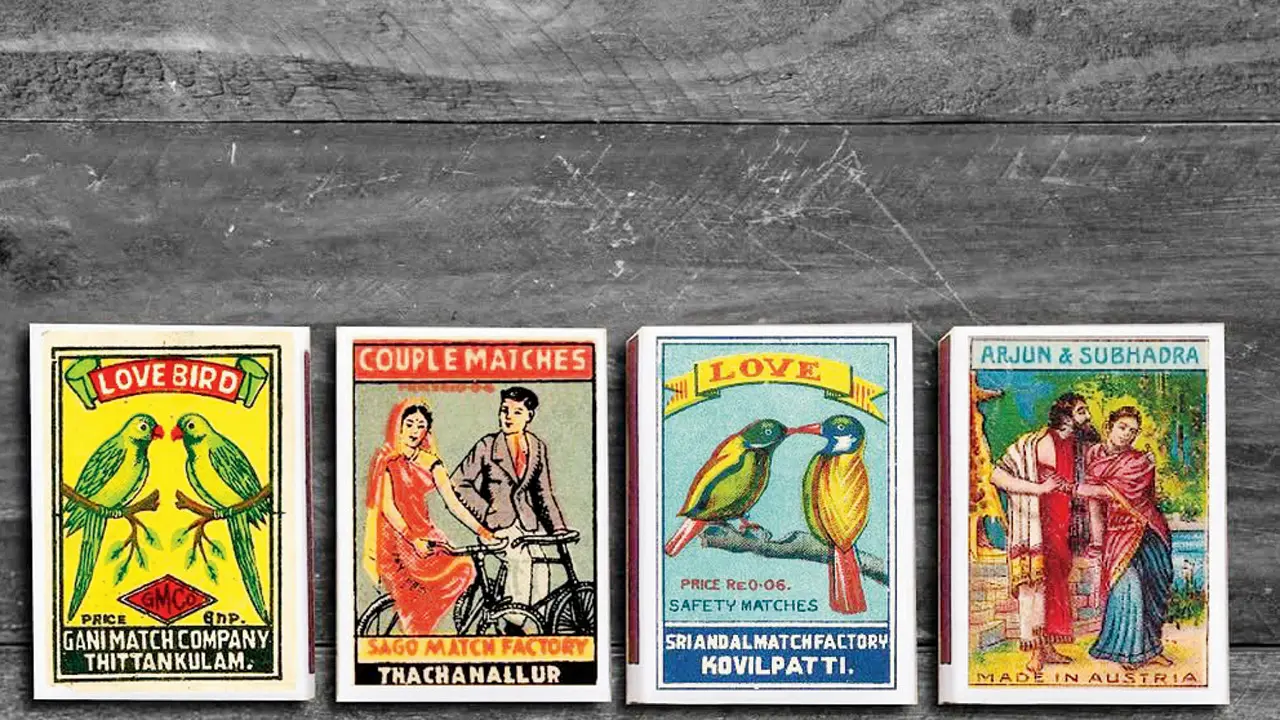
Matchbox art is considered one of the earliest forms of graphic design in India. PIC/INSTAGRAM@MAACHIS.ART
Long before Instagram grids or brand logos, India’s matchbox labels were tiny billboards that carried big stories. The story of India’s matchboxes begins in the early 20th century, when Swedish and Japanese matchmakers first shipped their wares here, local factories quickly caught on, setting up production hubs in places like Sivakasi — a small Tamil Nadu town that would become India’s matchstick capital. Cheap to make and easy to distribute, matchboxes were soon everywhere: tucked into sari folds, perched on shop counters, carried in pockets alongside coins and bidi packets.
But it was the label — that tiny slip of colour — that turned this humdrum object into a piece of pop culture. These labels weren’t designed by ad agencies but by local printers and lithographers, who borrowed images from calendars, religious iconography, freedom movement posters, and film hoardings.

A pride month special offering from Maachis.art
In the days of the Swadeshi movement, matchboxes turned into unlikely carriers of national pride and the push for homegrown products. Images closer to the Indian heart such as portraits of freedom fighters, the spinning wheel (charkha) as a mark of self-sufficiency, and other patriotic emblems. This clever shift turned an everyday necessity into a subtle but powerful reminder of resistance, planting the spirit of Swadeshi in kitchens and pockets across the country.
Today, as digital design gobbles up paper ephemera, a new generation is turning to this old-school art for its raw charm and stories worth saving. One such revivalist is Maachis.art — an independent brand reimagining matchbox labels for the present day. They call matchboxes the “most democratic gallery ever seen”. Because they were everywhere, and they reached everyone. Sonal Nagwani, co-founder of Maachis.art tells us, “Matchboxes weren’t just functional. They were intimate, affordable, and constantly in circulation. You would find them in kitchen drawers, paan shops, pooja rooms and even on roadsides. Their small size made them easy to ignore, but that’s exactly what gave them power too. They carried more than fire. They carried symbols of belief, pride, aspiration, and resistance.”

A political design from Maachis.art calling for a ceasefire during war times. PIC/INSTAGRAM@MAACHIS.ART
She tells us about how the Maachis.art journey began, “Maachis grew from a shared urge to revive something honest, raw, and unmistakably Indian before it slipped away. Our aim is to give that voice a new home and carry its warmth, energy, and stories forward,” she continues, “An unexpected encounter with Farid Bawa in Varanasi, who isn’t just preserving Indian truck art but reviving it and taking it to the global stage. It struck us how matchbox labels, truck panels, old textile patterns, and calendar prints weren’t just decoration but once spoke a vibrant visual language — now fading under the tide of digital mass production.”
When asked about the design process, she says, “We’re not just copying old labels. We honour the original designs — colour palettes, hand-drawn type, playful motifs — because matchboxes were always made for their moment. Then we adapt those into fresh layouts or messaging so they actually click with someone scrolling social feeds in 2025.”
Here are a few ways in which you can participate in the preservation of this dying art today
Discover indie design brands

Finally, check out India’s wave of playful design studios bringing back vintage everyday art. Brands like Bombay Duck Designs, Chumbak, and Maachis.art often riff on matchbox motifs for home decor, wall art, and textiles. They aren’t selling actual matchboxes, but the vibe is unmistakable — bright, cheeky graphics on trays, cushion covers or posters that make for a perfect conversation starter. Think of it as matchbox nostalgia, recharged for the modern shelf.
Chor Bazaari do nainon ki

Chor Bazaar has everything from monuments to matchboxes. PIC/ISTOCK
If you love a good rummage, Chor Bazaar’s winding lanes still hide vintage matchboxes. Tucked between gramophones, film posters and brass odds-and-ends, a handful of antique sellers stock old Indian and imported labels. Haggle hard, sift through stacks of paper ephemera, and you might just score a rare “Scissors” or “Jungle Tiger” label from the 1960s. Be prepared to bargain and don’t expect perfect conditions — that’s part of the charm.
Cigarette ka saathi

ITC’s new range in collaboration with The Design People
ITC’s Dazzle is a premium range of matchboxes by The Design People, a quirky rendition of the classic art style, with a cast of characters representing an “Indian family” with a footballer daughter and chef father. This matchbox collection is a vibrant rendition of the classic. You can purchase one for yourself on Blinkit.
Buy from collectors online

A sneak peek into the Instagram page, @maachisman. PIC/INSTAGRAM@MAACHISMAN
A whole parallel universe of matchbox lovers lives on Facebook groups and Instagram pages. Some hobbyists trade original labels, while others sell curated sets for scrapbooks or framing. Try searching for groups like Matchbox Collectors Club India on Facebook or look up @maachisman on Instagram to spot independent sellers. You can buy a small set for a few hundred rupees or splash out for rare collector pieces even on websites like Etsy. Keep an eye out for sellers who share the label’s backstory too — that’s half the fun. Just be patient: the best finds come to those who scroll deep.
 Subscribe today by clicking the link and stay updated with the latest news!" Click here!