










As a top studio rewrites the climax of a beloved film using AI, without the director’s consent, Bollywood is now reckoning with the grim reality that even the soul of a story can be reshaped without its storyteller, a decade after its creation
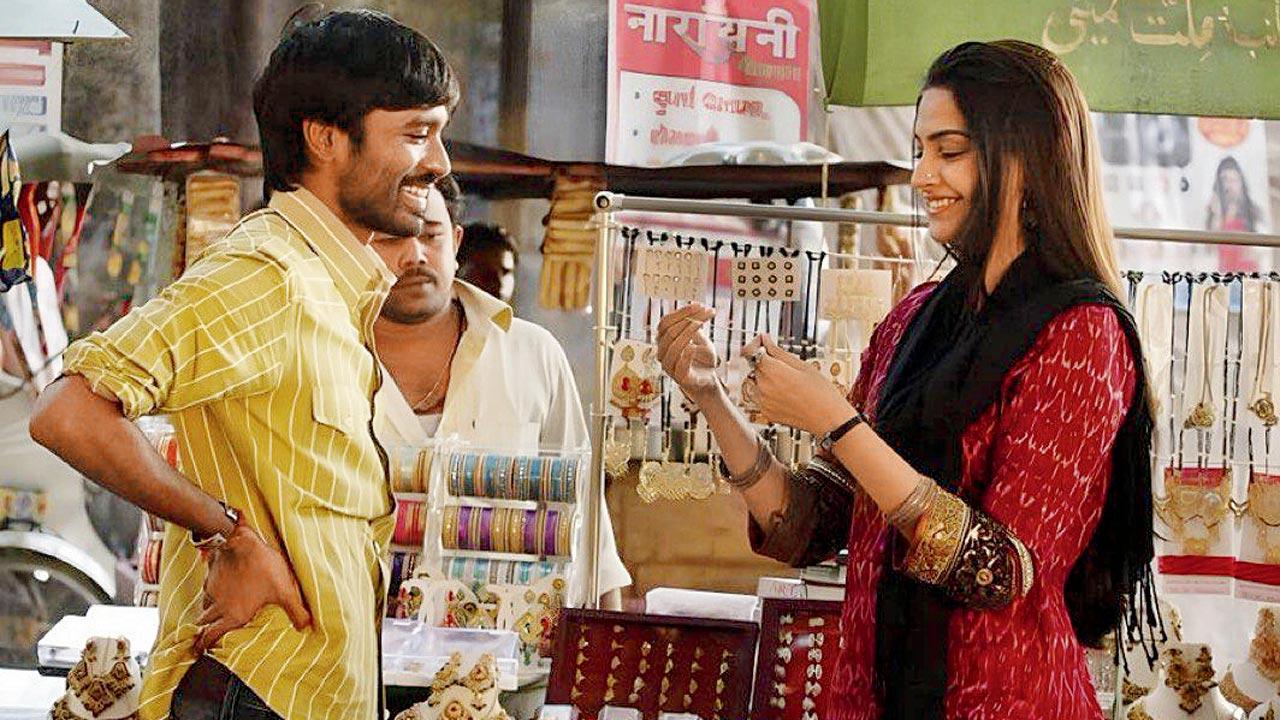
A still from Raanjhanaa
Artificial intelligence is not at the place where it can manipulate writers and creators yet. This is what we heard in February, during an interview with the acclaimed American writer Chris Keyser about the dangers of AI for screenwriters, when he was in the city for a conference. Keyser was the co-chair of the Writers Guild of America’s (WGA) negotiating committee during the 2023 strike by over 11,000 Hollywood film and television writers for better wages and conditions.
During our conversation, he had said, “We assumed that the studios were so protective of their own work that they would be scared of AI in the same way that writers were. They didn’t behave that way initially. By the end of the negotiation of the contract, (we) negotiated terms that protected writers’ core rights, their right to compensation and credit, and all their additional contractual rights for their material. It said that they can’t be forced to rewrite AI, nor can AI rewrite them, that AI can’t get credit.”
 Chris Keyser
Back then, even we couldn’t have pre-empted what unfolded in India last week. Filmmaker Aanand L Rai’s 2013 hit Raanjhanaa is being re-released, but with an ending rewritten. And Rai doesn’t approve of it. The new version, scheduled for theatrical release in Tamil Nadu under its dubbed title Ambikapathy, has been altered using artificial intelligence. Without the director’s involvement or consent, the studio behind Raanjhanaa, Eros International, has digitally fabricated an alternate “happy ending” that, in Rai’s own words, vandalises the soul of the film.
Unlike in Hollywood, where writers’ guilds have fought — and won — major protections against AI-led rewrites, Indian creators remain bound by contracts that often strip them of all future rights the moment a project is greenlit. Directors and screenwriters may shape the soul of a film, but legally, they seldom own it, as the norm is for the IP of a movie or show to transfer to the studio upon signing of agreements. With studios embracing AI for commercial “enhancements,” that legal void is turning into an ethical abyss, like in Rai’s case.
 Priyanka Khimani, entertainment lawyer
Entertainment lawyer Priyanka Khimani says while studios may assert ownership over a film’s copyright, the use of AI to fundamentally alter a creator’s original vision, especially without their consent, sits in a legally grey and ethically troubling zone. She explains, “Studios often control 100% of the rights, although under the moral rights clause a director or author retain certain moral rights under Indian law — like the right to be identified as the author of the work, and to object to any distortion or mutilation that could harm their reputation.”
Another crucial issue relates to the Copyright Act’s 2012 amendment, which states that rights can only be assigned for formats and uses that exist at the time of the agreement. “In the case of technologies like AI, which wasn’t in existence or even foreseeable when the film was made, there’s a strong argument that the creator never assigned rights for those future uses,” Khimani tells us, adding, “The law is meant to protect authors and performers from losing control over their work in precisely these scenarios, where new technology enables uses that were never imagined at the time of creation.”
Khimani goes on to say, “In the case of Raanjhanaa, I believe the writers and actors may be on firmer legal ground if they were to challenge the AI-modified version. They can argue that the alteration compromises the integrity of their work, infringes on their personality rights, and constitutes unauthorised distortion. For the director, however, this becomes more of an ethical and moral objection rather than a strictly legal one.”
Khimani says this moment is important as “it’s opening a Pandora’s box” because if we normalise the ability to reshape existing works using AI, the long-term consequences for literature, cinema, and performance could be disastrous.
Clearly, Eros is not in agreement with this stand. Eros Group CEO Pradeep Dwivedi has been quoted saying, “We categorically reject Mr Rai’s allegations... The re-release is a respectful reinterpretation and not a ‘tampering’ of the original.”
Meanwhile, Rai is taking the matter to producer bodies. Though the matter is yet to be heard officially, a senior member of the Guild tells Sunday mid-day, “The Guild is made up of filmmakers. We’re in this industry because we’re passionate about storytelling. So when a writer or director feels their voice has been overwritten or erased, it strikes at the heart of why we do what we do. This is about respect. About honouring the soul of the work. We owe it to ourselves, and to the future of filmmaking, to have this conversation with honesty and courage.”
Dipankar Mukherjee, co-founder of Studio Blo, a new-age startup, has a sharp take here. Mukherjee tells us, “AI should be like a cinematographer — extending the vision of the creator, not replacing it. The moment it starts rewriting the emotional spine of a story without the writer or director’s approval, you’ve crossed the line. What happened with Raanjhanaa is revisionism. It’s like saying Devdas should have ended up with Paro to test better with audiences. Then it stops being Devdas. Even before AI, these lines were being crossed. AI just makes that overstep faster, cheaper, and invisible. We’re beginning to see requests to “freshen up” past content — whether that’s to de-age characters, tweak endings, or reframe performances for newer markets. We are built from ground-up with anti-plagiarism systems integrated into our workflow. The red flag is when AI starts doing what studio executives tried doing in the ’80s, like the Harrison Ford voiceover in Blade Runner, against the wishes of Ridley Scott; or the Justice League producers’ edit after Zack Snyder stepped down. Except now, without needing a reshoot or a script change. The temptation to erase dissent, discomfort, or ambiguity is high. And in a country where creators often don’t own their IP, that temptation becomes unchecked power.”
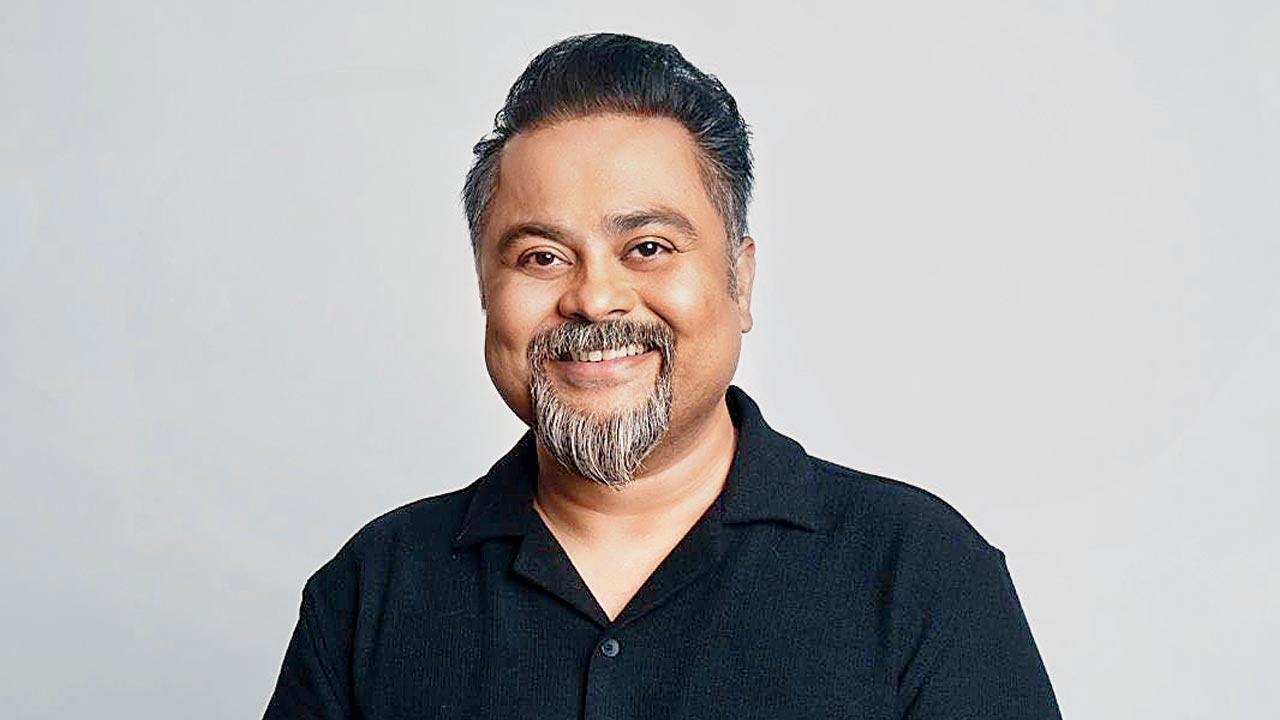 Dipankar Mukherjee, co-founder of Studio Blo
The human cost at the end of the day when something like this happens is borne by the creator and writer — in this case, Rai and writer Himanshu Sharma. A well-known screenwriter, who was previously a part of the Screenwriters Association General Body, tells us, “We spend months, sometimes years building characters, shaping arcs, constructing emotional payoffs that mean something. And then, one day, a studio decides to rewrite the ending using a machine, without even informing the people who created it. It’s insulting. What happened with Raanjhanaa sends a very dangerous message that any writer’s vision is disposable.”
The terms
In a series of writer/creator contracts reviewed by Sunday mid-day, the terminology of the contract reads, “The Producer ... shall have the sole and exclusive right to exercise all rights ... in accordance with the Copyright Act, 1957. The Service Provider further acknowledges that the Producer shall be the sole and exclusive owner of Derivative Rights and shall have the sole and exclusive right to produce Derivative Works based on the Works and on all Modes, Media and Formats, for the entire Territory and in perpetuity.”
 Subscribe today by clicking the link and stay updated with the latest news!" Click here!